Sign Up to a Healthy Pond
Search results
78 results
Search results
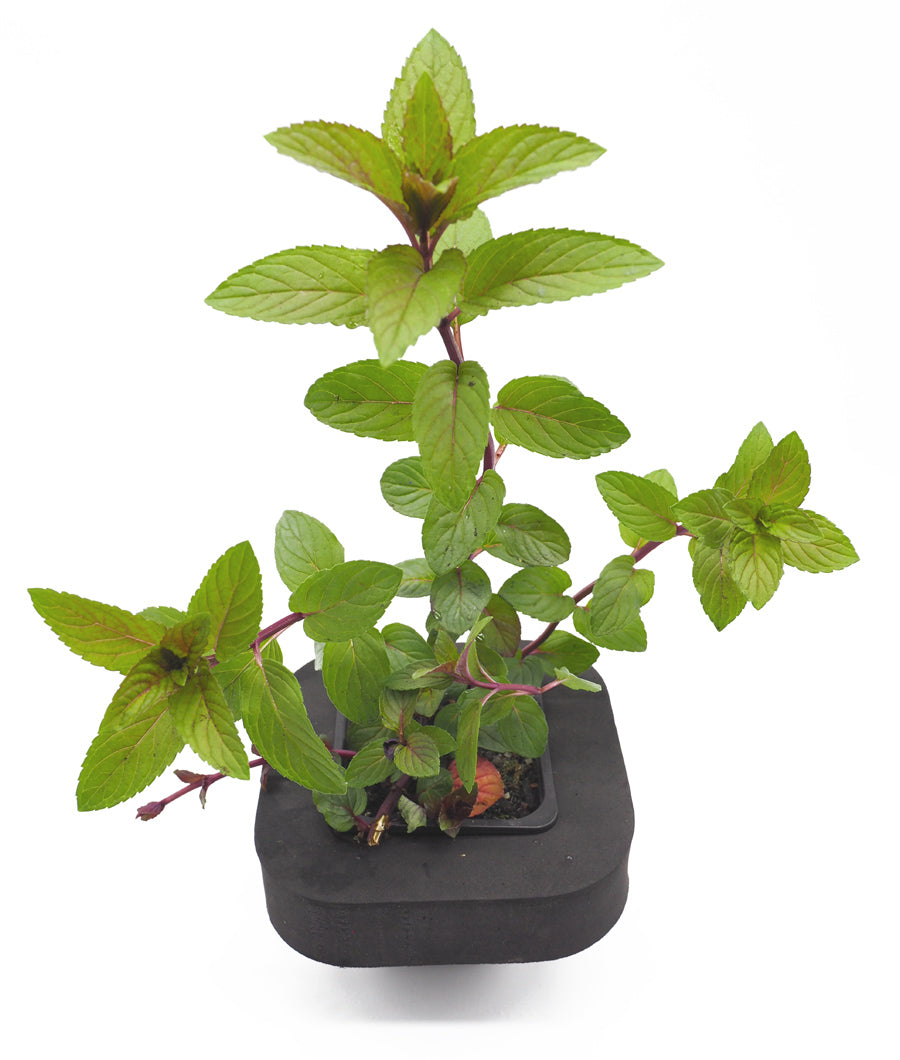
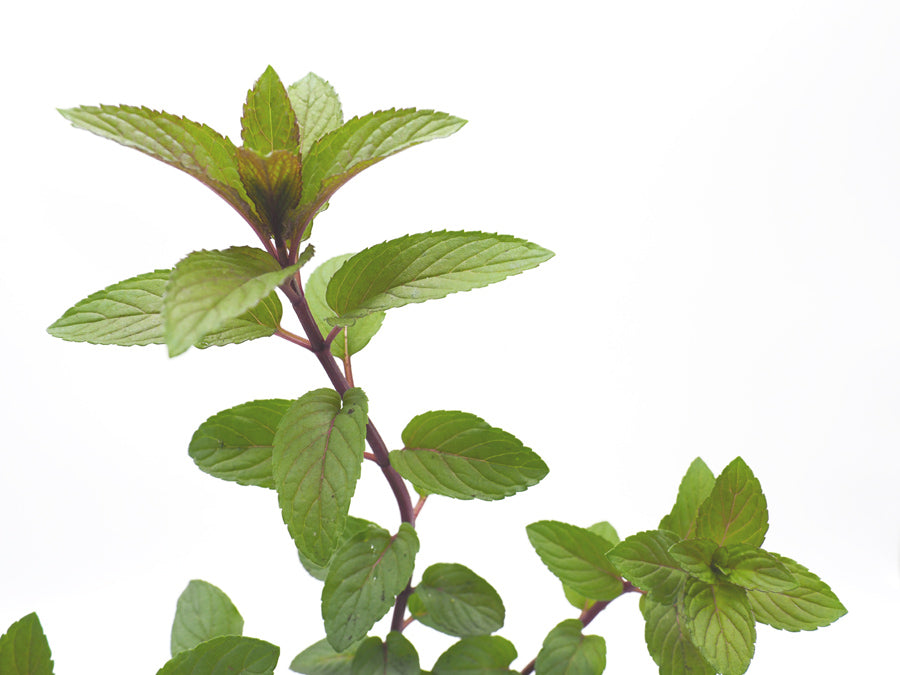
Chocolate Water Mint is a hardy, perennial edible herb that brings delicious fragrance, attractive foliage and a hint of chocolatey character to the water garden. A cultivar of peppermint with citrus mint heritage, this unusual mint is named for its subtle chocolate aroma and flavour.
Perfect for an edible water garden, Chocolate Water Mint can be grown in shallow water up to approximately 2cm deep and thrives in full sun to part shade. It can also be grown in a pot or pond plant basket, making it easier to control its vigorous mint growth.
Growing to approximately 30–60cm, it provides plenty of lush green foliage around the pond and produces small lavender flowers in mid to late summer.
Why you'll love Chocolate Water Mint
- Unusual chocolate-scented mint
- Hardy perennial herb
- Edible and useful in the kitchen
- Great addition to an edible water garden
- Suitable for full sun to part shade
- Can grow in shallow water up to approximately 2cm deep
- Grows approximately 30–60cm high
- Produces small lavender flowers in mid to late summer
- Excellent for cooking, salads and herbal tea
- Attractive and fragrant pond-edge plant
Where to grow Chocolate Water Mint
Chocolate Water Mint is an adaptable plant that grows well in full sun to part shade.
In your water garden, it can be planted in very shallow water up to approximately 2cm deep, or positioned around the damp margins of the pond.
Because mint can spread vigorously, we recommend growing Chocolate Water Mint in a pot or pond plant basket. This keeps the roots contained and makes it easier to manage the plant as it establishes.
What does Chocolate Water Mint taste like?
Despite its name, Chocolate Water Mint doesn't taste like a chocolate bar! Its flavour is primarily minty, with a subtle chocolate-like aroma and overtones that make it an interesting addition to the herb garden.
The chocolate character can be more noticeable for some people than others, but its unusual fragrance makes this variety well worth growing.
An edible pond plant
Chocolate Water Mint is a versatile herb that can be harvested for use in the kitchen.
Fresh leaves can be added to:
- Salads
- Desserts
- Drinks
- Fruit dishes
- Garnishes
- Homemade herbal teas
The leaves can also be enjoyed as a refreshing mint tea.
Learn more about different mint varieties and the benefits of mint tea in our guide: Mint Tea: Health Benefits & Best Varieties to Grow.
Chocolate Water Mint Plant Information
Plant type: Perennial herb
Botanical name: Mentha × piperita f. citrata ‘Chocolate’
Common name: Chocolate Water Mint
Origin: Europe and the Middle East
Position: Full sun to part shade
Flowers: Small lavender flowers in mid to late summer
Water depth: Up to approximately 2cm
Mature size: Approximately 30–60cm
Edible: Yes
Oxygenating: No
Growth habit: Spreading herbaceous perennial
Best for: Edible water gardens, pond margins, shallow water, water bowls and herb gardens
Grow Chocolate Water Mint in your pond
Chocolate Water Mint is a great way to combine water gardening with edible gardening. Its fragrant foliage brings another sensory element to the pond, while its shallow-water tolerance makes it easy to incorporate into the margins of your water garden.
For the best control, plant it in a pond plant basket or pot rather than allowing it to spread unchecked.
Looking for more edible pond plants? Explore our range of Pond Plants Online and discover edible, native, flowering, floating and marginal plants for your water garden.
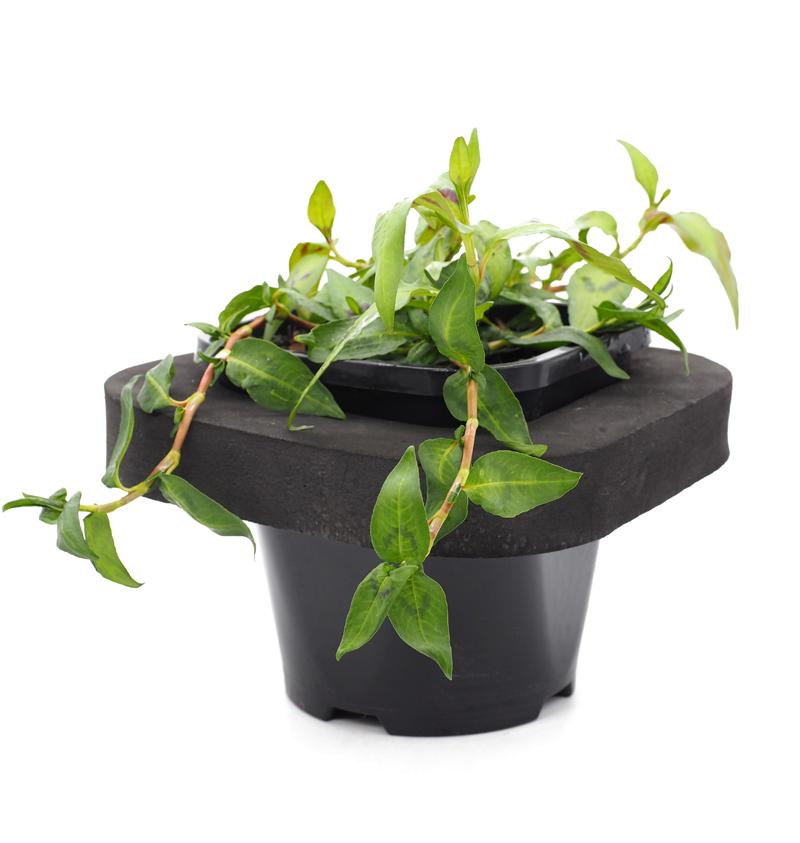
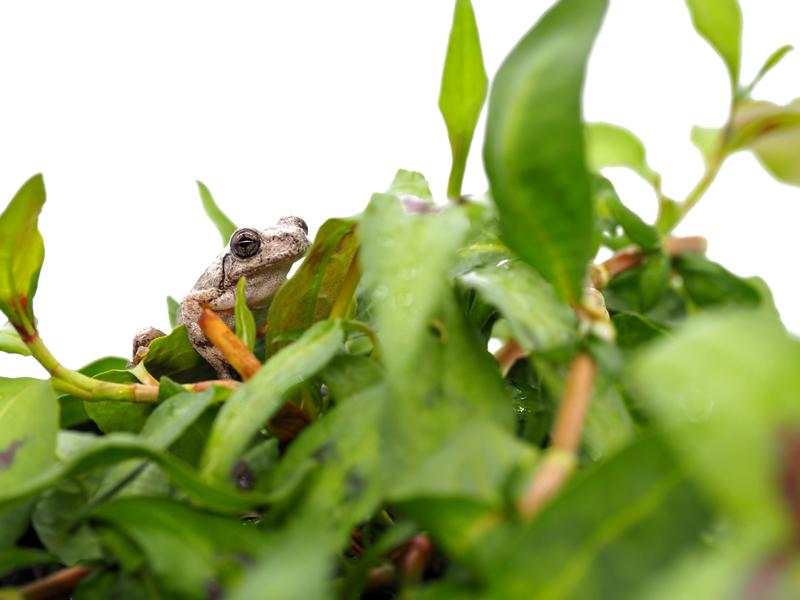
Vietnamese Water Mint is a popular edible water plant with aromatic foliage and a distinctive mildly spicy flavour, making it a fantastic addition to an edible water garden. It is particularly popular in Asian cooking, where the fresh leaves can be used to add flavour and freshness to a wide range of dishes.
As well as being useful in the kitchen, Vietnamese Water Mint is a vigorous, spreading pond plant. It can be grown in shallow water up to approximately 5cm deep and, when planted in a floating pond ring, can spread across the surface to create attractive green cover.
It tolerates part shade through to full sun, making it a versatile choice for ponds, water bowls and edible water gardens.
Why you'll love Vietnamese Water Mint
- Edible water plant
- Distinctive mildly spicy, aromatic flavour
- Popular in Asian cooking
- Vigorous, spreading growth
- Excellent surface cover when grown in a floating pond ring
- Suitable for part shade to full sun
- Can tolerate shallow water up to approximately 5cm deep
- Grows to approximately 30cm high
- Great addition to an edible water garden
- Can be grown in ponds, water bowls and containers
Where to grow Vietnamese Water Mint
Vietnamese Water Mint is adaptable and can grow in part shade through to full sun.
It can be planted in shallow water up to approximately 5cm deep, or grown in a floating pond ring where its vigorous growth can spread across the surface.
Because Vietnamese Water Mint can grow quickly and spread readily, we recommend keeping it contained in a pot or pond plant basket. This makes it much easier to control its growth and prevents it from spreading into areas where you don't want it.
Vietnamese Water Mint as a floating pond plant
When grown in a floating pond ring, Vietnamese Water Mint can develop into a lush, spreading cover plant.
Its foliage grows above the water level and creates a natural green layer across the surface. This makes it particularly useful when you want to add plenty of greenery to a pond without planting directly into the pond floor.
Regular trimming can help maintain the size and shape you want.
An edible water plant
Vietnamese Water Mint is part of our edible pond plant range. The fresh leaves have a distinctive mildly spicy flavour and are commonly used in Vietnamese and other Southeast Asian cuisine.
Use the fresh leaves as a garnish, in salads, rice-paper rolls, noodle dishes and other Asian-inspired meals.
Only consume plants that have been grown specifically under suitable conditions for eating, particularly if they have been grown in or around a pond containing treatments or other chemicals.
Vietnamese Water Mint Plant Information
Plant type: Perennial edible water plant
Common name: Vietnamese Water Mint
Botanical name: Polygonium odoratum
Origin: South East Asia
Position: Part shade to full sun
Flowers: No
Water depth: Up to approximately 5cm
Height: Up to approximately 30cm
Foliage: Grows above the water level
Oxygenating: No
Edible: Yes
Growth habit: Vigorous and spreading
Best for: Edible water gardens, floating rings, shallow water, water bowls and surface cover
Keep Vietnamese Water Mint contained
Vietnamese Water Mint is a vigorous grower, so we recommend growing it in a pot or pond plant basket.
Containing the plant makes it easier to manage its spreading growth while still allowing you to enjoy its attractive foliage and harvest fresh leaves for the kitchen.
Learn more about edible and traditional water plants
Vietnamese Water Mint is one of the interesting edible plants that can be incorporated into a water garden.
Learn more in our guide to Pond Plants Used in Traditional Medicine and as Herbal Remedies to Grow in Your Water Garden.
Looking for more edible pond plants? Explore our range of Pond Plants Online and discover edible, native, flowering, floating and marginal plants for your water garden.
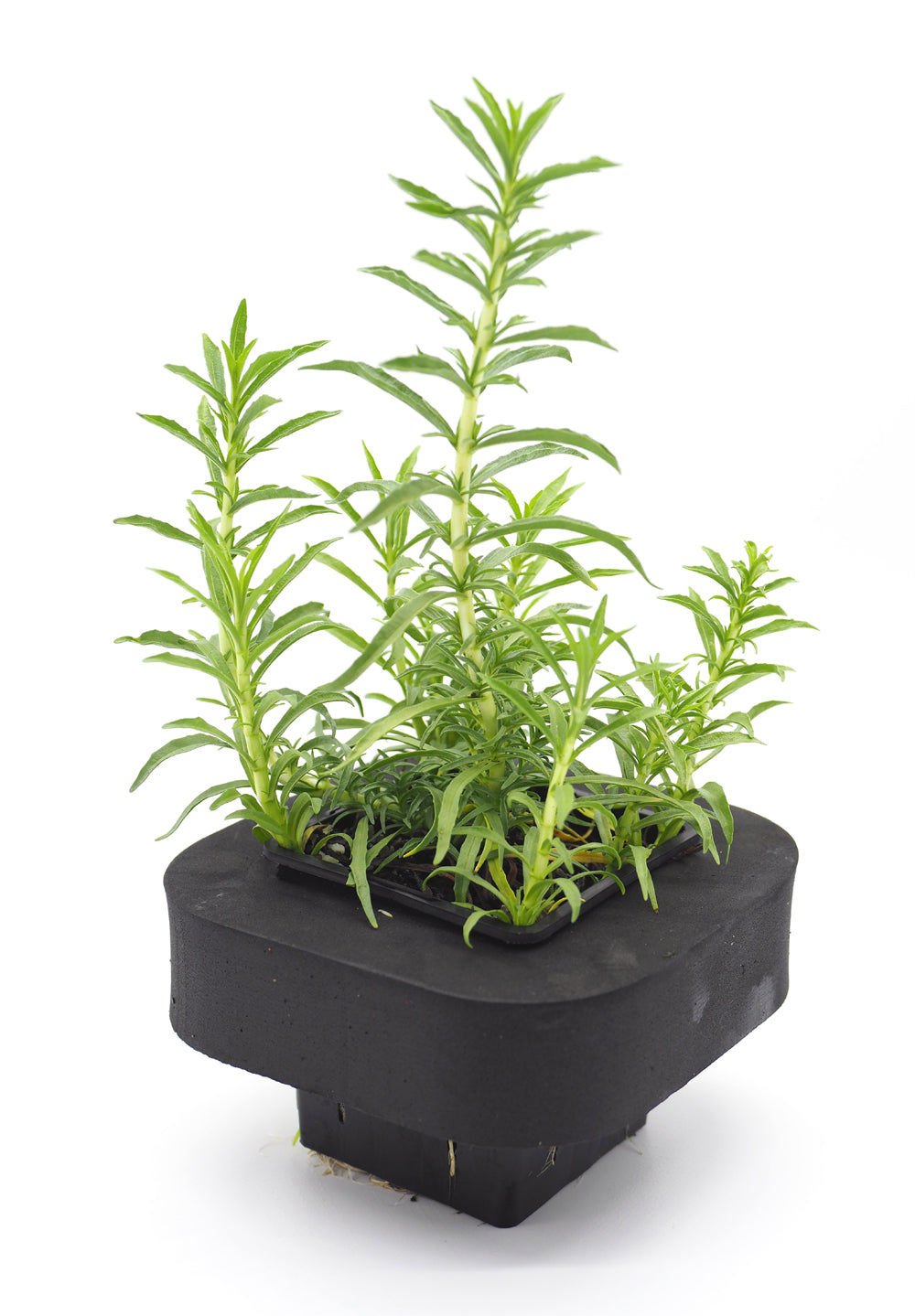
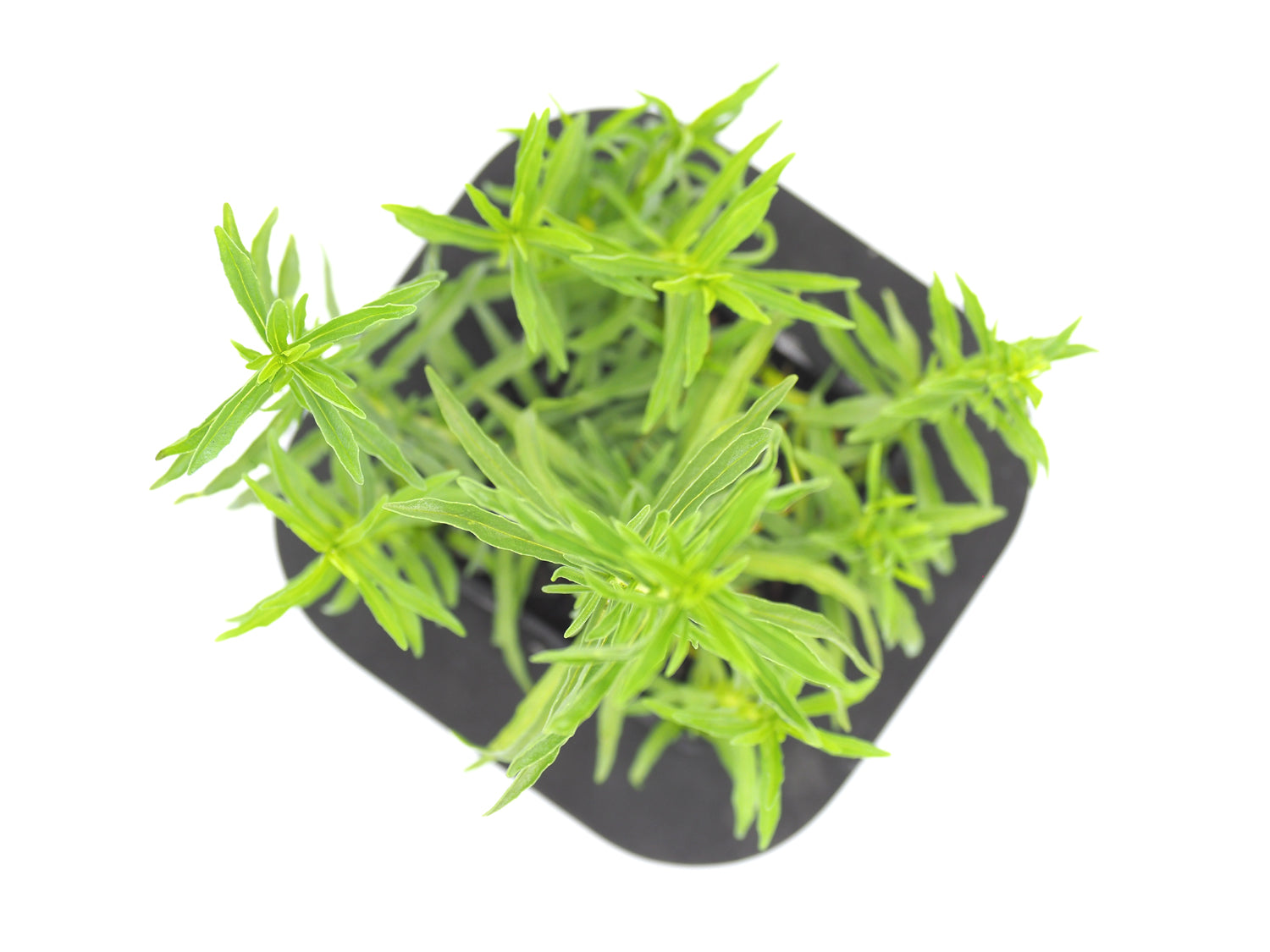
Fine Leaf Water Mint (Mentha cervina) is a delicate and aromatic edible water plant that brings fresh mint fragrance and flavour to your pond or water garden. With its fine, narrow foliage and compact growth habit, it is an excellent choice for smaller ponds, water bowls and floating pond rings.
Native to the Western Mediterranean, Fine Leaf Water Mint prefers part shade and can grow in shallow water up to approximately 5cm deep. It produces small white flowers and grows to around 30cm high and 20cm wide.
As an edible mint, the fresh leaves can be used to add a refreshing summer flavour to drinks and salads, making it a lovely addition to an edible water garden.
Why you'll love Fine Leaf Water Mint
- Edible water plant
- Fresh, aromatic mint flavour
- Fine, narrow green foliage
- Compact growth habit
- Ideal for smaller ponds and water bowls
- Well suited to a floating pond ring
- Suitable for part shade
- Can grow in shallow water up to approximately 5cm deep
- Produces small white flowers
- Great for adding fresh flavour to summer drinks and salads
Where to grow Fine Leaf Water Mint
Fine Leaf Water Mint prefers part shade, making it a useful choice for areas of the pond that don't receive full sun all day.
It can be planted in shallow water up to approximately 5cm deep, or grown in one of our floating pond rings where its foliage can grow above the surface.
With a mature size of approximately 30cm high and 20cm wide, it is a good option when you want an edible pond plant without a large footprint.
Fine Leaf Water Mint in a floating pond ring
Fine Leaf Water Mint is particularly well suited to growing in a floating pond ring.
The ring keeps the plant stable at the appropriate depth while allowing the foliage to grow naturally above the water. It also makes it easier to position the plant where you want it and manage its growth.
An edible water plant
Fine Leaf Water Mint is a useful addition to an edible water garden. The aromatic leaves can be harvested and added to summer drinks, salads and other dishes where a fresh mint flavour is wanted.
Try adding fresh leaves to cold water, sparkling water or homemade iced drinks for a refreshing summer flavour.
Only consume plants that have been grown specifically for eating and have not been exposed to pond treatments or other chemicals that are unsuitable for food crops.
Fine Leaf Water Mint Plant Information
Plant type: Perennial edible water plant
Botanical name: Mentha cervina
Common name: Fine Leaf Water Mint
Origin: Western Mediterranean
Position: Part shade
Flowers: Small white flowers
Water depth: Up to approximately 5cm
Height: Up to approximately 30cm
Width: Up to approximately 20cm
Foliage: Grows above the water
Oxygenating: No
Edible: Yes
Best for: Floating pond rings, water bowls, edible water gardens and shallow water
Grow Fine Leaf Water Mint in your water garden
If you're looking for a compact edible pond plant, Fine Leaf Water Mint is a great choice. Its fine foliage, small white flowers and fresh mint flavour make it both attractive and useful.
Looking for more edible pond plants? Explore our range of Pond Plants Online
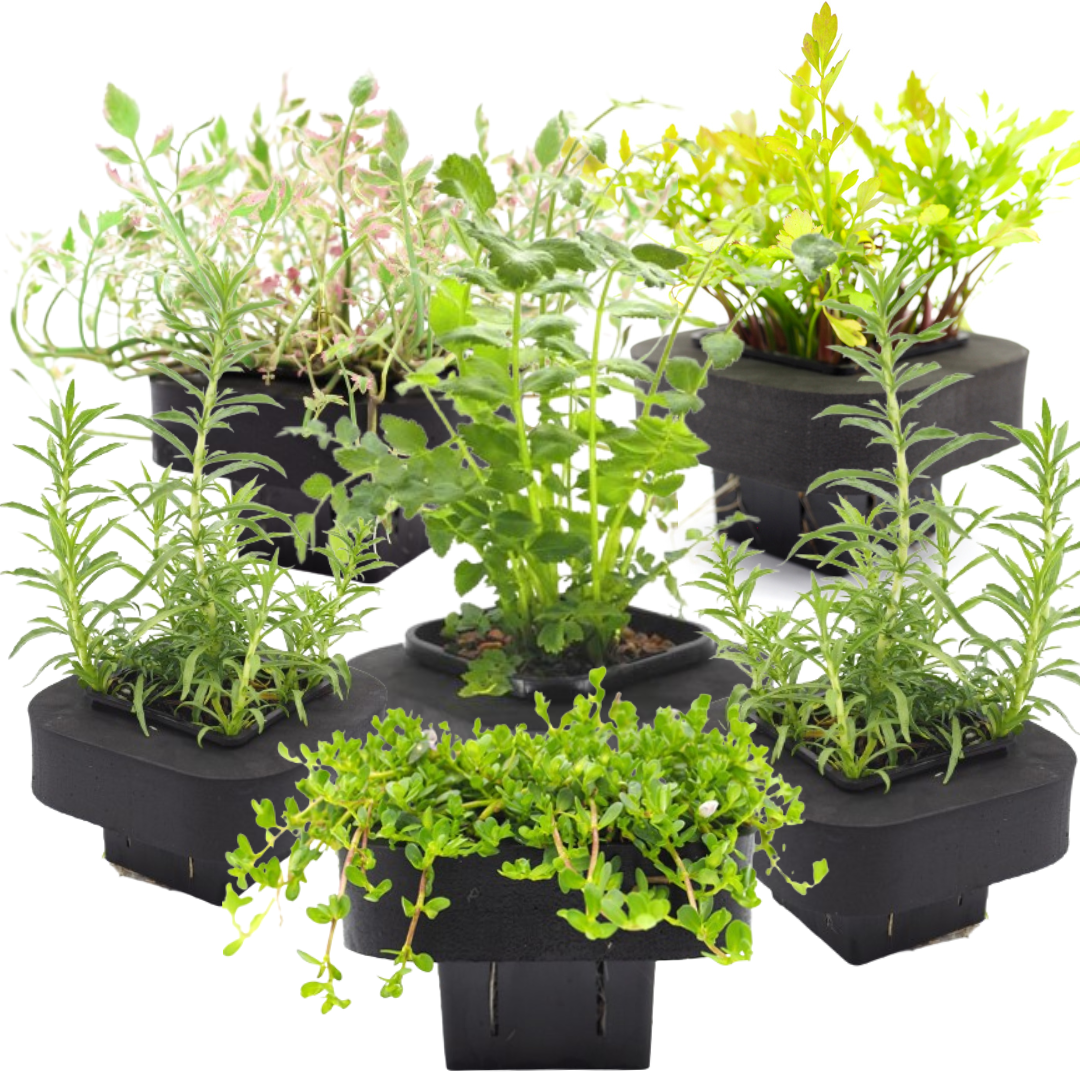
We have put together the best & most commonly used water plants for everyday use.
Water parsley, water mint, water celery and brahmi bacopa are all fabulous water plants that you will enjoy at hand for your culinary needs! All plants in the pack are in 7cm pots and come with a floating pond ring to keep them at the perfect water level in your pond.
- Water Parsley, Rainbow Water Parsley and Water Celery are excellent in a salad.
- Water Mint can be added drinks or Asian salads.
- Brahmi is known as the 'Memory Herb' for its potential cognitive and medicinal benefits! Perfect for brewing tea.
Your edible starter pack includes
- 2 x Fine Leaf Water Mint (Mentha cevina)
- 1 x Water celery (Berela erecta)
- 1 x Brahmi (Bacopa Monnieri)
- 1 x Water parsley (Oenanth)e sarmentosa)
- 1 x Rainbow Water parsley (Oeanthe Javanica)
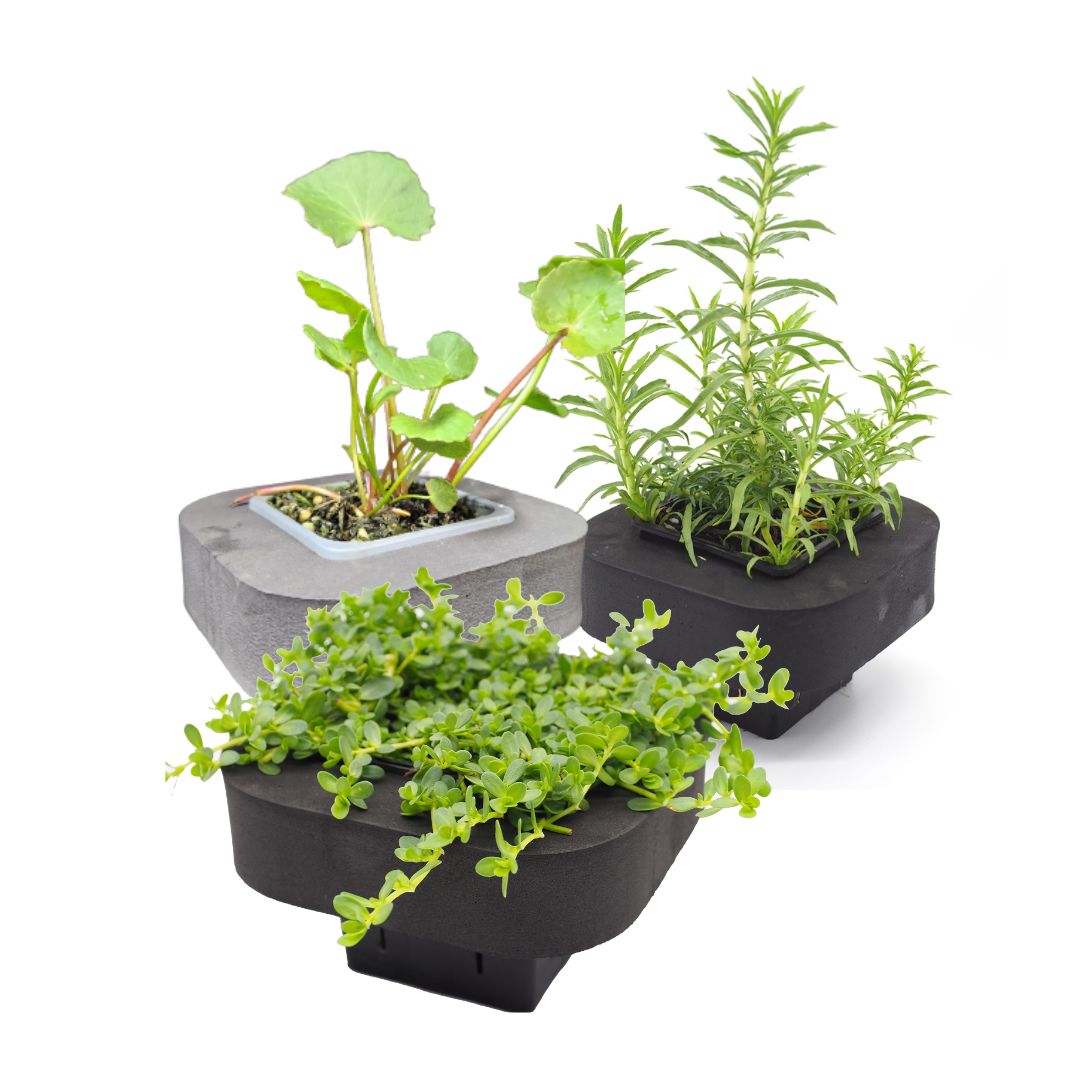
Experience the purest and freshest tea with our Pond Plant Starter Pack for Tea Drinkers. This pack includes Fine Leaf Water Mint, Brahmi, and Gotu Kola, perfect for creating your tea garden. Enjoy the benefits of these nutrient-rich plants and elevate your tea drinking experience! All plants can be grown in the floating pond plant ring anywhere in your pond or container water garden. Each plant can be grown in full sun to part shade, provide some shade from hot afternoon sun for Gotu Kola. Learn more here about making the perfect pot of tea with these plants: Grow Your Own Brew: How to Grow Your Own Herbal Tea with Gotu Kola, Brahmi, and Fine Leaf Water Mint Pond Plants.
Our Tea Pond Plant Starter Pack includes:
- 1 x Fine Leaf water Mint plant (Mentha cevina) - 7cm pot with floating pond plant ring
- 1 x Brahmi (Bacopa Monnieri) plant - 7cm pot with floating pond plant ring
- 1 x Gotu Kola(Centella asiatica) plant - 7cm pot with floating pond plant ring
Benefits of drinking mint tea:
Fine Leaf Water Mint has a refreshing minty flavour and aroma, making it a popular choice for herbal teas. It is known for its digestive properties and is often used to soothe an upset stomach or relieve indigestion. Additionally, Fine Leaf Water Mint is rich in vitamins and minerals, making it a nourishing choice for your herbal tea blend.
Learn more about growing mint tea pond plants here: Mint Tea: Health benefits & Best varieties to grow
Benefits of drinking Brahmi tea:
Brahmi has been traditionally used in Ayurvedic medicine to improve cognitive function, reduce anxiety, and promote relaxation. It is also believed to have antioxidant and anti-inflammatory properties, making it a valuable addition to any herbal tea blend.
Learn more about growing Brahmi here: Brahmi: The Herbal Wonder for Boosting Memory and Cognitive Function
Benefits of drinking Gotu Kola tea:
Gotu Kola has been used for centuries in traditional medicine for its memory-enhancing properties and is often referred to as the "herb of longevity." In addition to its cognitive benefits, Gotu Kola also has anti-inflammatory and antioxidant properties.
Learn more here about this favourite of ours: The Green Wonder: How Growing Gotu Kola in your Pond Can Boost Your Health.

The Native Starter Pack 2 Contains the following 7cm plants with rings
2 x River Buttercup
1 x Upright milfoil
1 x Hairy nardoo
1 x Swamp goodenia
1 x Brahmi
About the Plants
River Buttercup (Ranunculus Inundatus)
Perenial plant
Position: Full sun to part shade
Flower: yes small yellow flowers
Submersible: To a depth of 2cm. It prefers boggy areas or to float in the pond plant ring
Origin: Australia
Cover: for frogs, fish and polinators
Oxygenator: No
Size: 30cm
Edible: No
A native Australian plant with with yellow flowers that will trail around the margins of your pond. It is well-suited to boggy areas and provides habitat and food for aquatic life.
Upright Milfoil
Perennial
Height: 5cm - 20cm
Width: 15cm -60cm
Position: Part shade (shade-tolerant) to full sun
Flowers: yellow
Submersible: To a depth of 20cm
Foliage: Can Produce foliage above the water line and below the water line
Origin: Australia
Cover: Provides shelter and cover for frogs
Oxygenator: Yes
Propagation: runners & division
Milfoil is a fast-growing pond plant and this makes it ideal for natural algae control. It does this by competing with the algae for nutrients. Less nutrient means less algae and clear water. Further the little fine leaves of Milfoil help to captcha small particles that float in the water further enhancing the clarity of the water in the pond.
Upright Milfoil is an attractive water plant and a good addition to any pond or water garden. Milfoil can be submerged to a depth of 20cm where it will act as an oxygenator and provides cover for fish and tadpoles. It will spread out over the surface of the pond and is used by frogs to spawn on.
Milfoil can be easily propagated and regular pruning will assist in keeping it tidy and neat.
Hairy Nardoo
Perennial
Position: Full sun to part shade
Flowers: No
Edible: Yes, node or bulb
Submersible: Yes to a depth of 30cm
Foliage: Produces furry four-leaved foliage that floats on the surface of the water
Origin: Native to Australia
Cover: Great surface cover for fish
Oxygenator: No
Size: 30cm diameter
Hairy Nardoo Marsilea Drummondii is a classic Australian native water plant. Hairy Nardoo produces a clover-like soft furry leaf that closes at night or on overcast days. Leaves when fully submersed will float on the surface of the water or it will produce a firm upright stem when grown in shallow water. Near the base of the stem, it produces a small edible node.
Swamp Goodenia
Position: Part shade (shade-tolerant) to full sun
Flowers: Yes (Bright Yellow Flowers)
Submersible: To a depth of 10cm
Foliage: Grows like a Mat on the surface
Origin: Native to Australia
Cover: Great mat cover plant when grown with a floating ring
Oxygenator: No
The Swamp Goodenia or Goodenia humilis (humilis; meaning low growing) is a carpeting Australian native plant that thrives in continuously moist or boggy areas. Due to this, it thrives in our floating ring. Swamp Goodenia consists of green soft hairy leaves and in warmer periods of the year, beautiful clusters of bright yellow flowers flourish providing a gorgeous splash of yellow to any pond.
A great pond plant to provide cover and long-term protection for fish, tadpoles and frogs.
Brahmi
Position: Part shade (shade-tolerant) to full sun
Flowers: Small white flowers
Submersible: To a depth of 20cm
Foliage: Can produce foliage both above and below water level
Origin: Native to the wetlands of southern and Eastern India, Australia, Europe, Africa, Asia, and North and South America
Cover: Great cover plant when grown with a floating ring
Oxygenator: Yes (when grown submersed)
Propagation Division
Every pond or water garden should have Brahmi in it as it is plant that has so many uses. Brahmi has small succulent-like green leaves and produces a pale white flower.
It can be grown submersed to a depth of 20cm where it will act as an oxygenator in the pond. It will also mat out over the top of the pond and provide cover and shelter for fish and tadpoles. Aside from its uses for fish and creatures that inhabit ponds and water gardens, it also can be used for its medicinal properties as well.
Brahmi is known as the 'Memory Herb' for its potential cognitive and medicinal benefits! and has been used in India for thousands of years as a remedy for improving memory and assisting with mental health conditions including anxiety. It is also incorporated as part of Chinese medicine, assisting with warming the kidneys and as a brain tonic.
As we age we are more prone diseases such as Alzheimer’s and Parkinson and taking Brahmi may assist with delaying these from occurring. The leaves on their own have a somewhat bitter taste but can be mixed with other aquatic edible plants like water mint with added honey and taken as tea to improve the flavour.
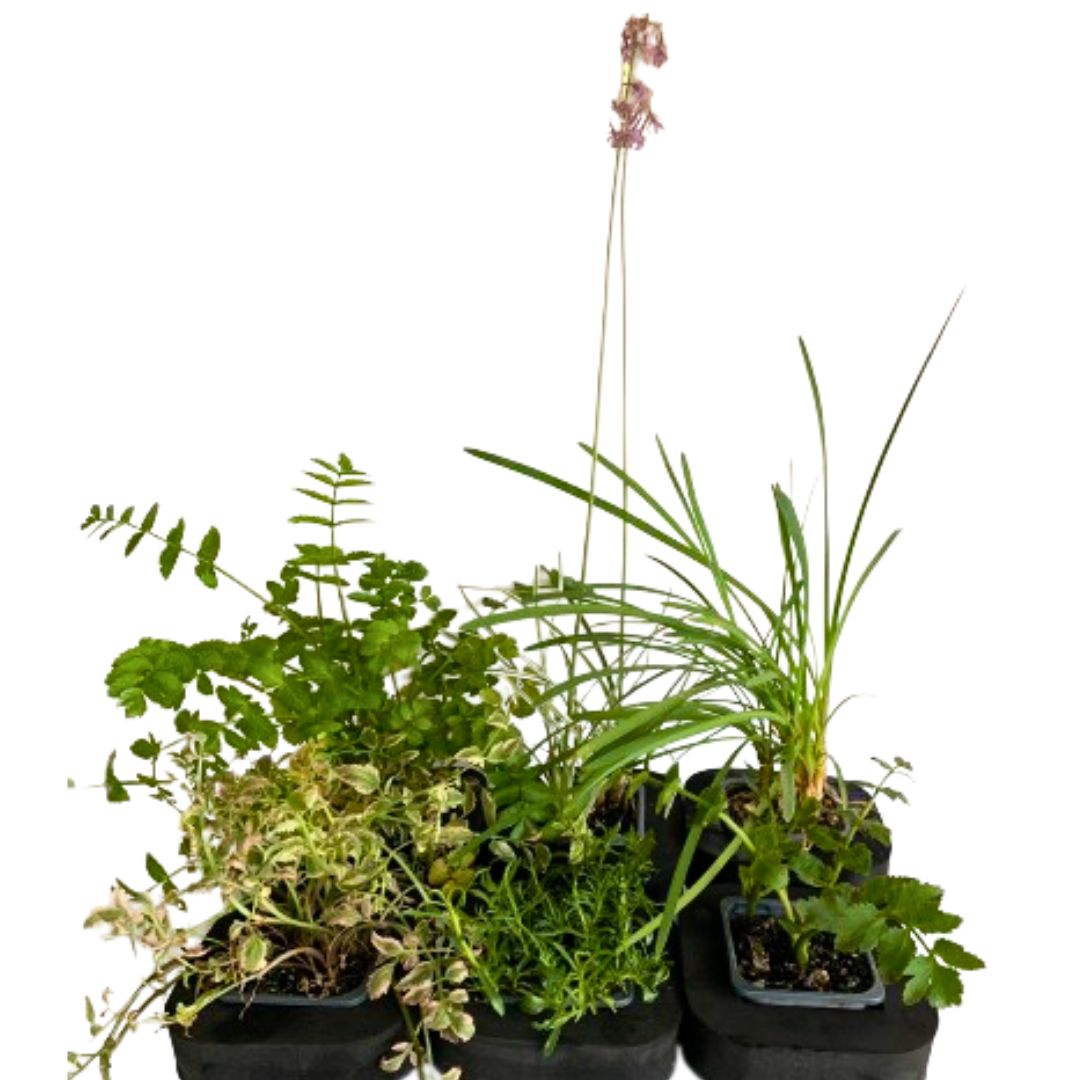
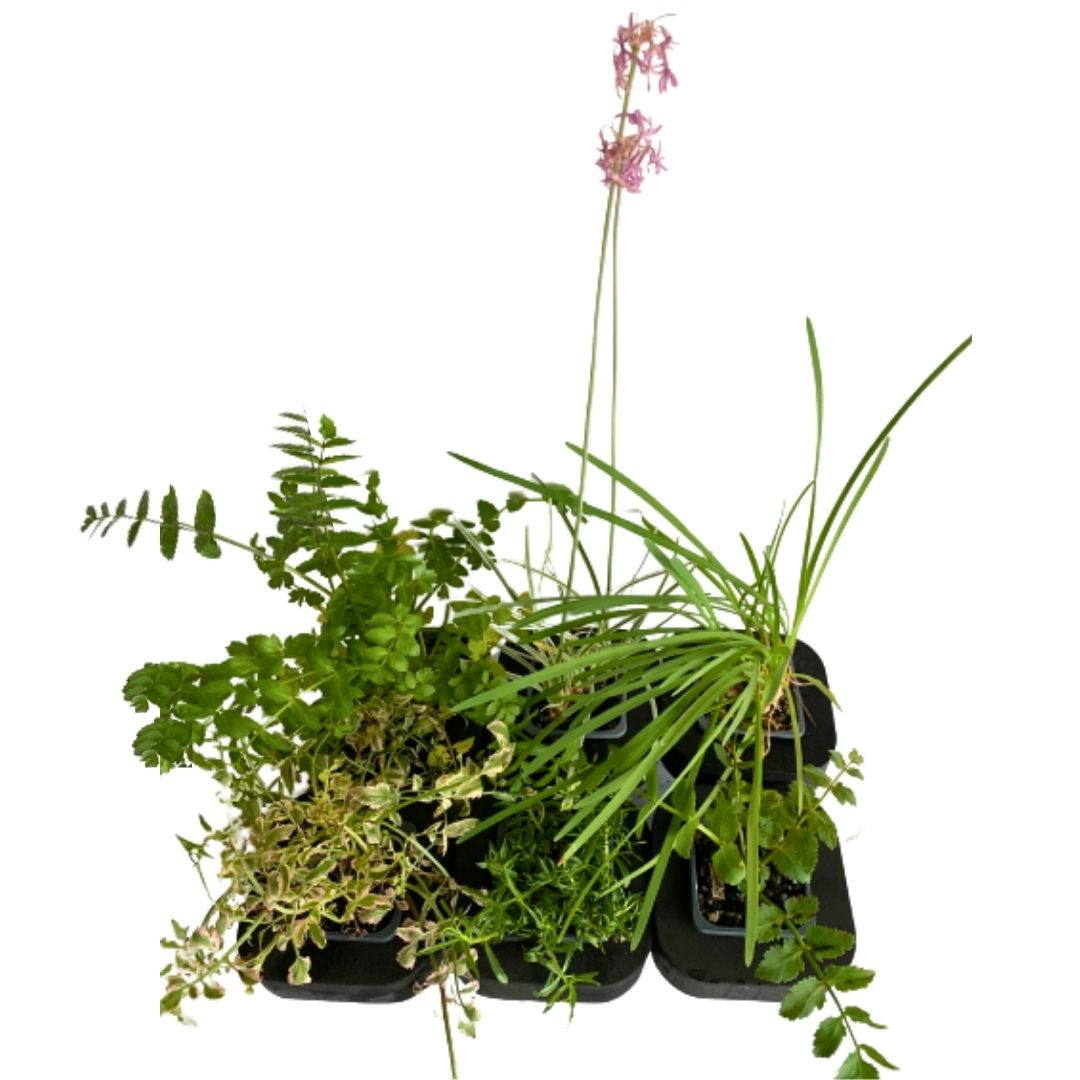
- 1 x Water celery
- 1 x Lebanese cress
- 1 x Fine-leaf water mint
- 1 x Rainbow parsley
- 1 x Water garlic
- 1 x Variegated water garlic
About these pond plants.
Water Celery
Perennial
Position- Full sun - part shade
Flowers - Small creamy white flowers
Submersible - To a depth of 2cm - 5cm
Foliage - Produced above the water
Origin - Australia
Grows - to 20cm W and up to 40cm H
Cover - No
Oxygenator - No
Edible - Yes
propagation:-Division
Water Celery (Berela erecta) is an excellent addition to any edible water garden. Both the leaves and stems can be eaten. It has a very strong celery flavour so it's a good addition to any green summer salad.
Lebanese Cress
Perennial
Position - Full sun to part shade
Flowers - Yes
Submersible -To a depth of 5cm-15cm
Foliage - Produced above water
Origin - Mediterranean
Grows - to 40cm W and 20cm H
Cover - Great Surface cover when grown with a floating ring
Oxygenator - No
Edible - Yes
Lebanese Cress Aethionema Cordifolium also known as Lebanese water cress can reduce algae growth in ponds due to rapid growth and surface cover. The leaves from this edible fern-like water plant make a tasty garnish in any salad.
Lebanese cress has many health benefits. The leaves of this pond plant are a good source of protein with vitamins A, B, C, iron, calcium, phosphorous and potassium.
Fine Leaf Water Mint
Perennial plant
Position - Part shade
Flowers - small white flower
Submersible - To a depth of 5cm
Foliage - Produced above water
Origin - Western Mediterranean
Grows - to 20cm W and 30cm H
Cover - Best suited to a floating ring
Oxygenator - No
Edible - Yes
propagation- Division or runners
Fine leaf water mint Mentha cevina has many health benefits. It can be effective in relieving digestive problems such as upset stomach, bad breath (can be used as a mouthwash) and indigestion.
The leaves can be added to drinks, tea and salads to add a wonderful summer flavour. They have a strong punchy flavour and go well in Asian salads.
Like all mints, fine leaf water mint is a good source of vitamin C when served fresh. It also contains vitamin A.
Rainbow Parsley
Perennial
Position - Full sun to part shade
Flowers - small white flowers
Submersible - To a depth of 5cm-15cm
Foliage - Produced above water
Origin - South East Asia
Grows - to 30cm W and 60cm H
Cover - Great Surface cover when grown with our pond plant floating ring
Oxygenator - No
Edible - Yes
Propagation- Division
A variegated variety of water parsley. The cooler the climate the stronger the pink hue in the foliage. Rainbow water parsley adds great flavour and colour when added to salads! This pond plant rich in many vitamins, particularly vitamin K, which is needed for blood clotting and bone health. It's a great source of vitamins A and C (supports immune health).
Parsley is particularly rich in flavonoid antioxidants and vitamin C, which reduce oxidative stress in your body and may lower your risk of certain cancers.
Varigated Water Garlic
Perennial
Oxygenator: No
Edible: Yes
Flower: Yes (small mauve)
Height: 30cm
Water Depth: 1cm
Position: Full sun
Propagation: Division
Variegated Water Garlic Tulbaghia violacea is a native of South Africa. Variegated Water Garlic can reach 30cm in size and has variegated green foliage where the leaf colour at a distance appears white and it produces a small purple flower and is a recent addition to the world of pond plants. It enjoys a full sun position and will perform best when grown in shallow water that does not cover the crown of the plant and can be grown in the floating pond ring that is included with all our plants.
Thinning out Water garlic every season will encourage more flowers and encourage vigorous growth through the summer months.
The leaves of Variegated Water Garlic can be chopped and used in salads and soups. The flowers can be added to vinegar or oils to give a slight hint of garlic flavour. You could also choose to use the flowers as an edible as a garnish.
Perennial
Oxygenator: No
Edible: Yes
Flower: Yes (small mauve)
Height: 30cm
Water Depth: 1cm
Position: Full sun
Propagation: Division
Like the varigated variety, Water Garlic is a fairly recent addition to the world of pond plants. It two is a native of South Africa, Water Garlic can reach 30cm in size and has a light green to grey strappy foliage, and produces a small purple flower.
It is at its best in a sunny position and likes shallow water that does not cover the crown of the plant This is why it is ideally suited to our floating pond ring that is included with all of our plants.
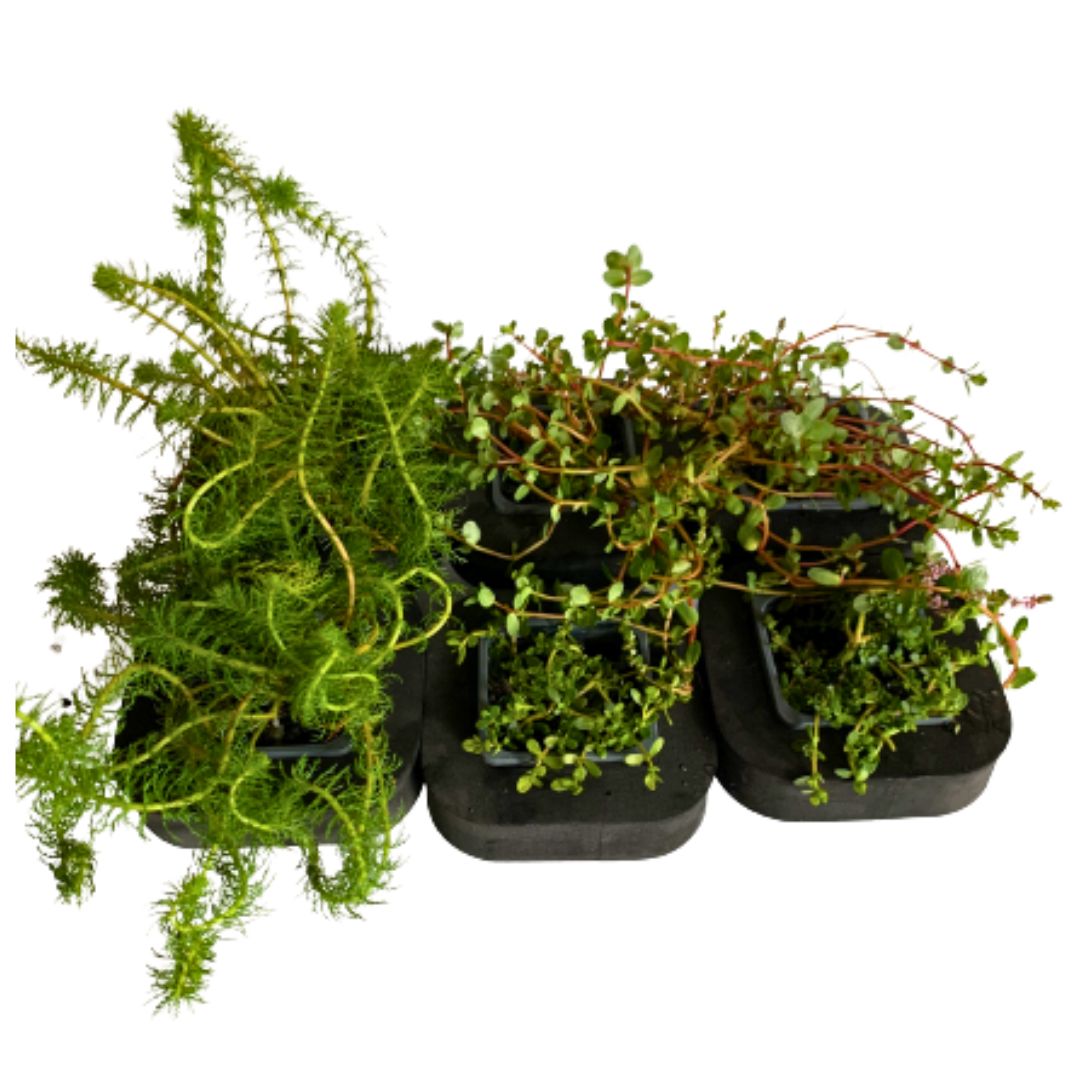
About the Pack
Oxygen is essential for life in a pond. This combination of plants will assist in raising oxygen levels in a pond or water garden and will help reduce algae growth!
The Oxygenator 7cm starter pack consists of
2 x Milfoil
2 x Pink Heather
2 x Brahmi
About the Plants
Brahmi
Position: Part shade (shade-tolerant) to full sun
Flowers: Small white flowers
Submersible: To a depth of 20cm
Foliage: Can produce foliage both above and below water level
Origin: Native to the wetlands of southern and Eastern India, Australia, Europe, Africa, Asia, and North and South America
Cover: Great cover plant when grown with a floating ring
Oxygenator: Yes (when grown submersed)
Propagation Division
Every pond or water garden should have Brahmi in it as it is a plant that has so many uses. Brahmi has small succulent like green leaves and produces a pale white flower.
It can be grown submersed to a depth of 20cm where it will act as an oxygenator in the pond. It will also mat out over the top of the pond and provide cover and shelter for fish and tadpoles. Aside from its uses for fish and creatures that inhabit ponds and water gardens, it also can be used for its medicinal properties as well.
Brahmi is known as the 'Memory Herb' for its potential cognitive and medicinal benefits! and has been used in India for thousands of years as a remedy for improving memory and assisting with mental health conditions including anxiety. It is also incorporated as part of Chinese medicine, assisting with warming the kidneys and as a brain tonic.
As we age we are more prone to diseases such as Alzheimer’s and Parkinson and taking Brahmi may assist with delaying these from occurring. The leaves on their own have a somewhat bitter taste but can be mixed with other aquatic edible plants like water mint with added honey and taken as tea to improve the flavour.
Upright Water Milfoil
Perennial
Height: 5cm - 20cm
Width: 15cm -60cm
Position: Part shade (shade-tolerant) to full sun
Flowers: yellow
Submersible: To a depth of 20cm
Foliage: Can Produce foliage above the water line and below the water line
Origin: Australia
Cover: Provides shelter and cover for frogs
Oxygenator: Yes
Propagation: runners & division
Milfoil is a fast-growing pond plant and this makes it ideal for natural algae control. It does this by competing with the algae for nutrient. Less nutrient means less algae and clear water. Further the little fine leaves of Milfoil help to captcha small particles that float in the water further enhancing the clarity of the water in the pond.
Upright Milfoil is an attractive water plant and a good addition to any pond or water garden. Milfoil can be submerged to a depth of 20cm where it will act as an oxygenator and provides cover for fish and tadpoles. It will spread out over the surface of the pond and is used by frogs to spawn on.
Milfoil can be easily propagated and regular pruning will assist in keeping it neat.
Pink Heather
Perennial
Position: Full sun - part shade
Flowers - Small pink flowers
Submersible - To a depth of 5cm - 60cm
Foliage - Produced above and below the water
Origin - South East Asia
Grows - to 5cm (width) and up to 20cm (high)
Cover - Excellent cover for fish in floating ring
Oxygenator – yes
Edible – No
Pink Heather Rotala roundifolia is a great and versatile pond plant. It can be grown to a depth of 60cm so it’s an ideal oxygenator for deeper ponds. Rotala rotundifolia can also be grown in water as shallow as 5cm where the stems take on a rigid upright form. In warmer months Pink Heather produces an abundance of small pink flowers that will even attract bees around the water garden.
It provides cover for both tadpoles and fish when grown submersed or out of the water and will mat out over the surface creating a stunning flower display when grown in the floating ring that is included with all our plants. As a fast-growing plant, it is also useful in controlling algae as it competes for the nutrient in pond water which slows or even stops algae growth creating a clean and clear water garden.


The Solar Pest Repeller prevents snakes, mice, rats and other rodents from invading your lawn, garden, campsite and more by emitting both sound and vibration pulses which are piercing and painful for pests, keeping them away.
Ideal for pond area's, court yards, backyards, gardens & other areas around the house.
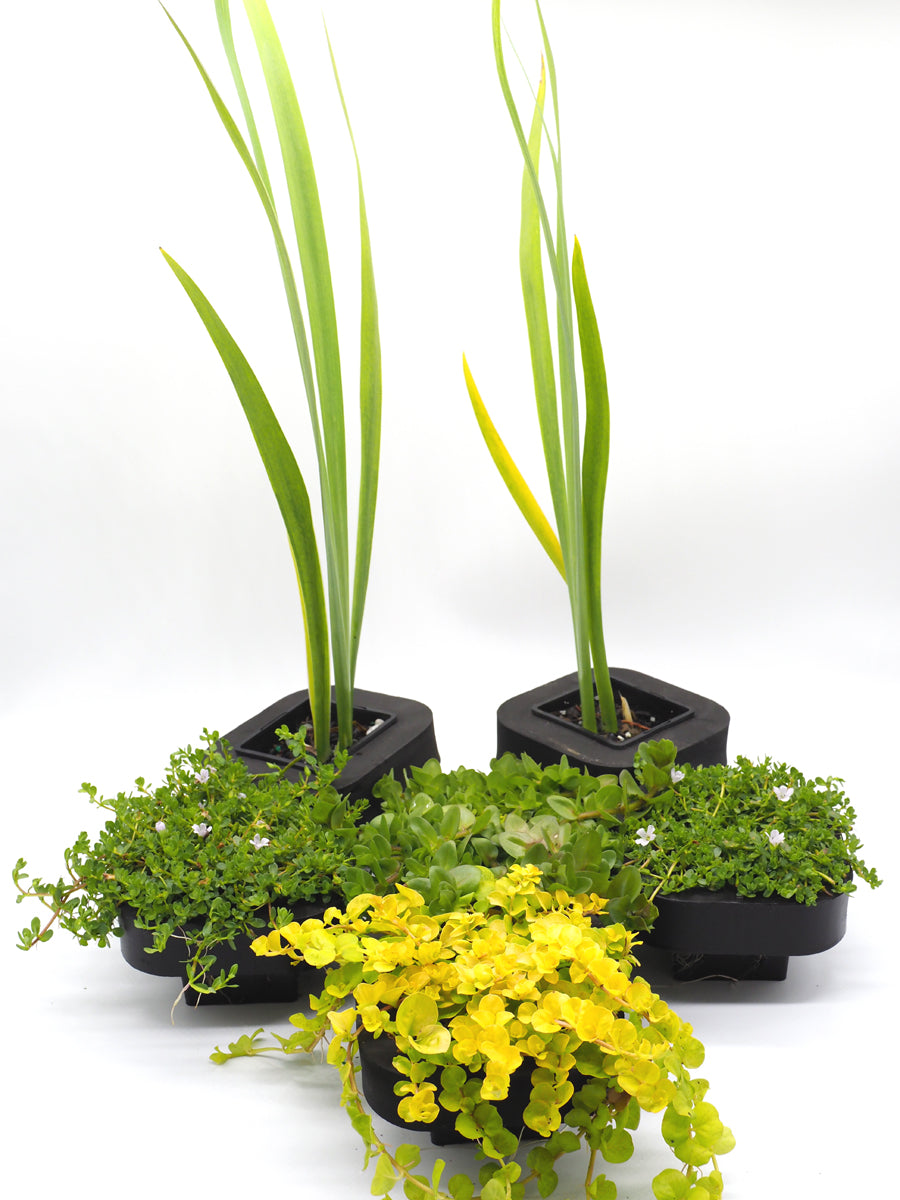
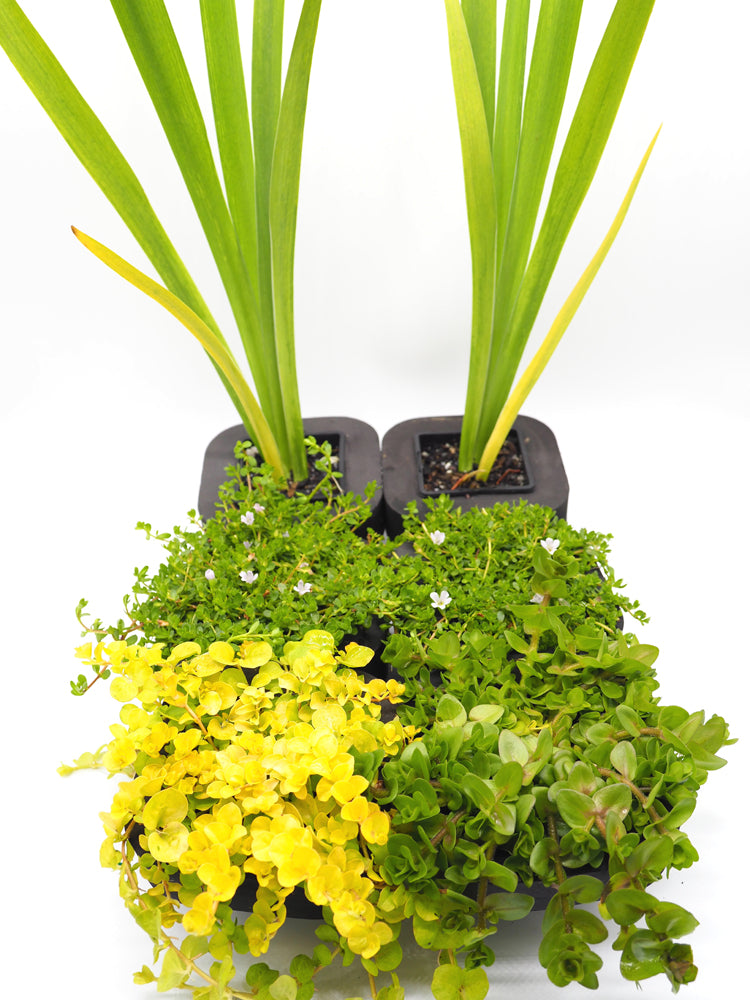
The best of 6!
When adding plants,to your pond or water garden, we apply the following formula per square meter to maintain balance and quality in the water.
Add 3 Oxygenating plants
- 2 x Brahmi (Bacopa Monnieri), 1 x Water Hyssop (Bacopa caroliniana).
Oxygenators reduce algae and provide essential oxygen for fish.
Add 2 Marginal plants
- 2 x Water Iris (Sextet).
Marginal plants provide habitat for frogs!
Add 1 Floating plant
- 1 x Creeping Jenny (Lysimachia aurea).
Floating plants provide cover and protection for fish.
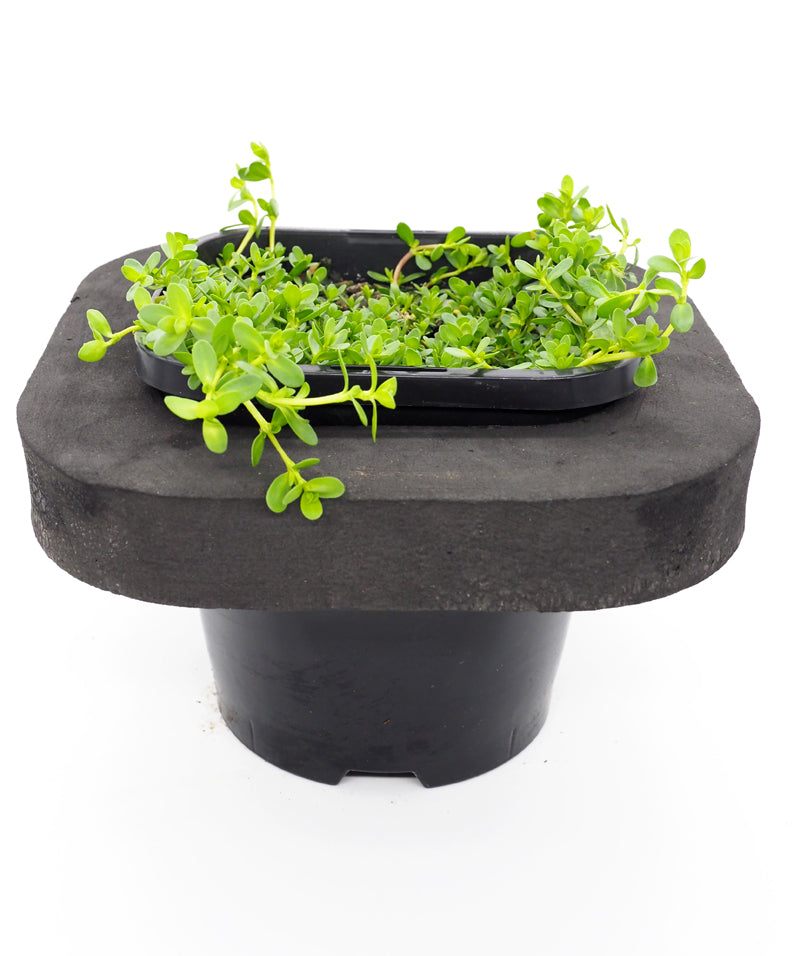
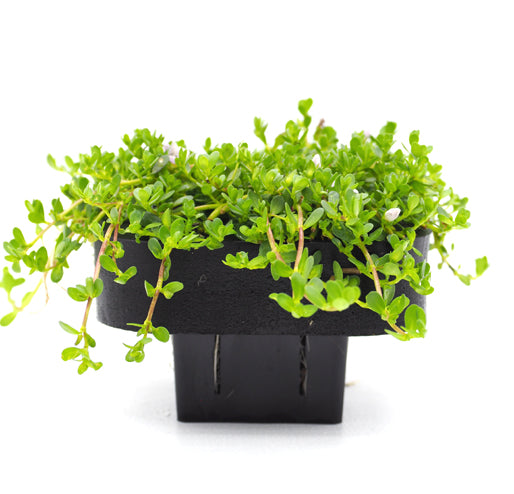
Brahmi (Bacopa monnieri) is an Australian native aquatic plant that is easy to grow and wonderfully versatile in the pond. Also known as the Memory Herb, Brahmi produces small white flowers and spreading foliage that can grow both above and below the water.
Grown in a floating pond ring, Brahmi can spread across the surface of your pond to create valuable cover and shelter for fish, tadpoles and other pond life. When grown submerged, it also acts as an oxygenating pond plant, making it a useful addition to a healthy, balanced water garden.
Why you'll love Brahmi
- Australian native aquatic plant
- Tolerates part shade through to full sun
- Produces delicate small white flowers
- Can grow both above and below the water
- Excellent spreading plant for creating pond cover
- Provides shelter and habitat for fish and tadpoles
- Acts as an oxygenator when grown submerged
- Can be grown in water up to approximately 20cm deep
- Ideal for ponds, water bowls and container water gardens
Where to grow Brahmi
Brahmi is a flexible pond plant that can be grown in part shade through to full sun. It can be planted in shallow water up to approximately 20cm deep, where its foliage can grow both underwater and above the water surface.
For the best spreading effect, grow Brahmi in one of our floating pond rings. As it grows, it can spread and form a natural mat across the surface of the pond, providing shade, cover and shelter for pond inhabitants.
Brahmi as an oxygenating pond plant
When Brahmi is grown submerged, it can contribute to oxygenation within the pond. Its ability to grow both underwater and above the surface makes it a particularly versatile choice when you're looking to combine pond habitat, surface cover and water-plant benefits in one plant.
Brahmi and the traditional 'Memory Herb'
Brahmi has a long history of use as a traditional herb and is commonly known as the Memory Herb. It has traditionally been used in herbal practices and is also enjoyed as a fresh or dried herb.
If you'd like to learn more, read our guide to the traditional uses and health benefits of Brahmi.
You can also explore our guide to pond plants used in traditional medicine and as herbal remedies.
Brahmi Plant Information
Plant type: Aquatic pond plant
Botanical name: Bacopa monnieri
Origin: Australia
Position: Part shade to full sun
Flowers: Small white flowers
Water depth: Up to approximately 20cm
Foliage: Can grow above and below water
Oxygenating: Yes, when grown submerged
Growth habit: Spreading
Best for: Pond cover, fish and tadpole habitat, shallow water and container water gardens
Grown in a floating pond ring
Our pond plants are supplied ready to make adding plants to your water garden easy. Simply place the Brahmi in its floating pond ring and position it in your pond or water bowl.
As the plant grows and spreads, it can create a beautiful natural cover across the water surface while providing valuable habitat for pond life.
Looking for more pond plants? Explore our full range of Water Plants to find the right combination of flowering, floating, oxygenating and habitat plants for your pond.
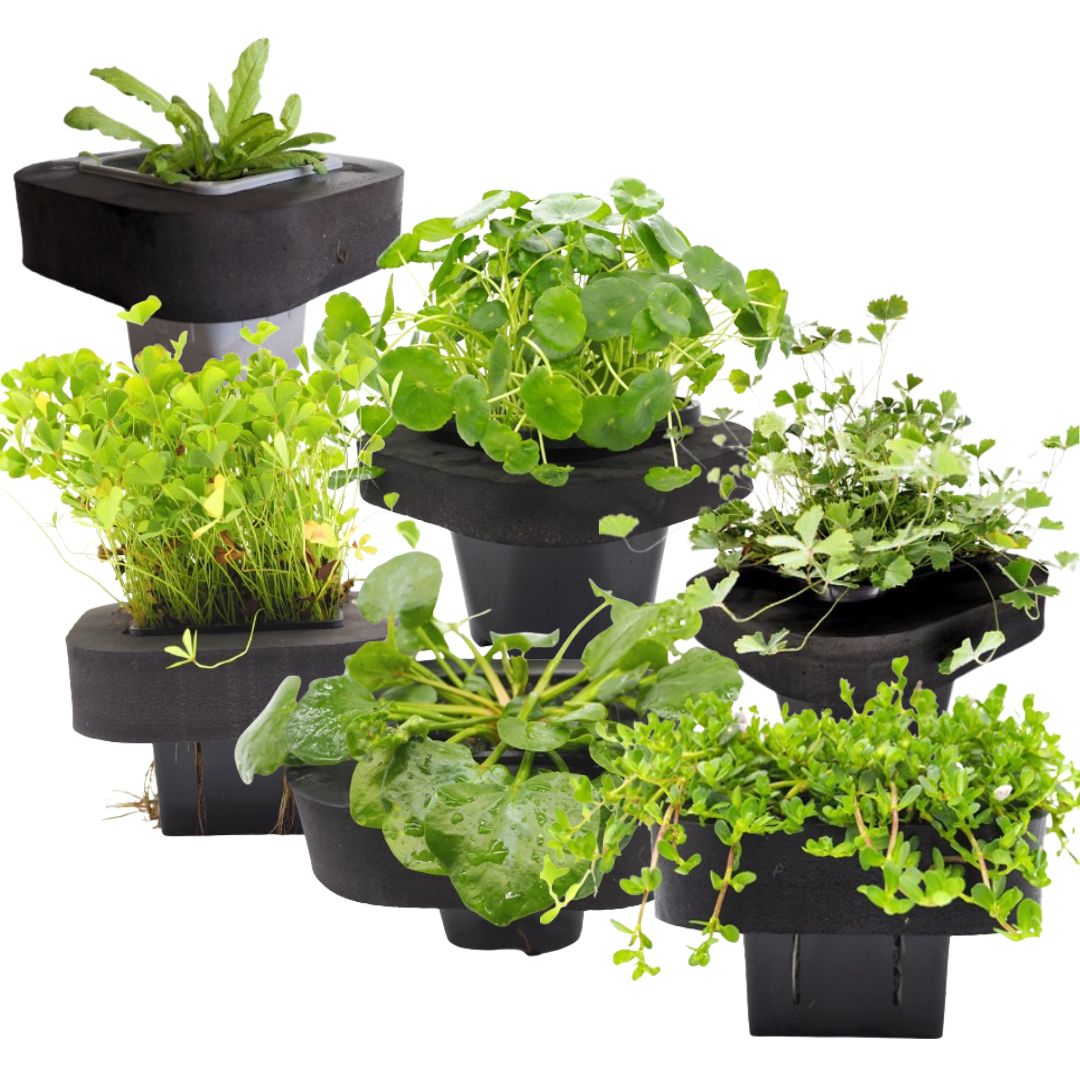
A great combination of 6 native plants
Bring a piece of Australia's unique flora to your pond with our Native Starter Plant Pack. This collection includes six different native aquatic plants, each with its unique beauty and benefits for your pond ecosystem. From the delicate yellow flowers of the Running Marsh Flower to the vibrant green leaves of the Shield Pennywort, these plants will add a touch of natural beauty to your pond while also providing important habitat for native wildlife.
Improve your pond ecosystem's health and attract native frogs and pollinators to your garden.
Features:
- Six different native aquatic plants are included.
- Each plant is grown in NSW, Australia and will provide important habitat for native aquatic wildlife.
- Easy to care for and maintain
- Each plant comes with our unique floating ring, there is no need to submerge the plants as you would do with traditional pond plants.
Swamp Mazus Mazus pumilio
Position - Grows well in any position. Full sun and will tolerate shade.
Flowers - Yes
Submersible - No, prefers shallow water and boggy soil. Performs best when planted into shallow margins of ponds or grown in the pot and floating pond plant ring.
Height - Will reach around 15cm when mature.
Cover – An excellent groundcover pond plant best suited to the margins of a pond
Shield Pennywort Hydrocotyle verticillata
Position - Full sun to part shade
Flowers - No
Submersible - To a depth of 10cm
Foliage - Produced above the water line
Grows - creeping ground cover
Cover – for frogs fish and fry when grown submersed
Brahmi Bacopa Monnieri
Position - Part shade (shade-tolerant) to full sun
Flowers - Small white flowers
Submersible - To a depth of 20cm
Foliage - Can produce foliage both above and below water level
Running Marsh Flower Villarsia reniformis
Position - Part shade (shade-tolerant) to full sun
Flowers - Yellow flowers on stems to 50cm
Submersible - to a depth of 40cm.
Foliage - Shiny bright green lily-type leaves
Hairy Nardoo Marsilea Drummondii
Perennial
Position - Full sun to part shade
Flowers - No
Edible - Yes, node or bulb
Submersible - Yes to a depth of 30cm
Foliage - Produces furry four-leaved foliage that floats on the surface of the water
Origin - Native to Australia
Cover - Great surface cover for fish
Oxygenator - No
Size - 30cm diameter
Nardoo Marsilea Angustifolia
Perennial
Position - Full sun to part shade
Flowers - No
Submersible - Yes to a depth of 30cm
Foliage - Produces foliage that floats on the surface of the water
Origin - Native to Australia
Cover - Great surface cover for fish
Oxygenator - No
Size - 30cm diameter
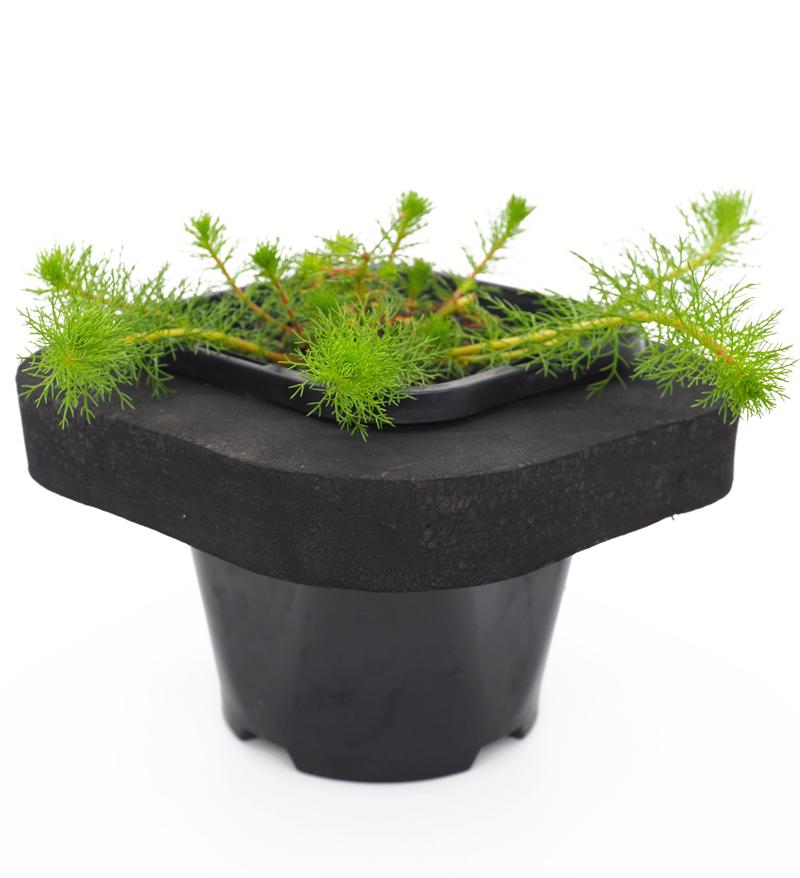

Upright Water Milfoil is an Australian native perennial pond plant that combines attractive growth with important benefits for a healthy water garden. Growing to approximately 5–20cm high and 15–60cm wide, it is well suited to shallow areas of the pond and can grow in both part shade and full sun.
This versatile aquatic plant can produce foliage above and below the water surface and acts as an oxygenating pond plant. Its dense growth provides valuable shelter and cover for frogs, newly hatched fish and tadpoles, while its nutrient uptake can help support a balanced pond ecosystem.
Why you'll love Upright Water Milfoil
- Australian native pond plant
- Easy-to-grow perennial
- Suitable for part shade through to full sun
- Produces attractive yellow flowers
- Can grow above and below the water surface
- Suitable for water up to approximately 20cm deep
- Acts as an oxygenating pond plant
- Provides shelter and cover for frogs, fish and tadpoles
- Helps absorb nutrients from pond water
- Excellent choice for wildlife-friendly ponds
- Ideal for shallow areas of the water garden
Where to grow Upright Water Milfoil
Upright Water Milfoil grows well in part shade through to full sun and can be planted in water up to approximately 20cm deep.
Its foliage can grow both below the water surface and above the water line, making it a versatile choice for shallow pond areas and water gardens where you want to provide both plant cover and habitat for pond life.
A great pond plant for wildlife
If you're creating a pond that encourages frogs and other aquatic wildlife, Upright Water Milfoil is an excellent choice.
Its growth provides shelter and cover for frogs, newly hatched fish and tadpoles, giving young pond inhabitants somewhere to hide and seek protection.
The dense foliage can also add structure and natural habitat to your pond while helping create a more established-looking water garden.
Upright Water Milfoil and pond water quality
Upright Water Milfoil is also useful for absorbing nutrients from pond water as it grows. Managing excess nutrients is an important part of maintaining a healthy pond, as high nutrient levels can encourage unwanted algae growth.
Combined with its ability to oxygenate the water and provide habitat, this makes Upright Water Milfoil a particularly useful multi-purpose pond plant.
Upright Water Milfoil Plant Information
Plant type: Perennial aquatic pond plant
Origin: Australia
Position: Part shade to full sun
Flowers: Yellow
Water depth: Up to approximately 20cm
Height: Approximately 5–20cm
Width: Approximately 15–60cm
Foliage: Can grow above and below the water line
Oxygenating: Yes
Best for: Wildlife ponds, shallow water, frog habitat, fish and tadpole cover and nutrient uptake
Add Upright Water Milfoil to your pond
Our pond plants are supplied ready to make adding aquatic plants to your water garden simple. Position Upright Water Milfoil in a suitable shallow area of your pond and allow it to establish and spread.
For a healthier, more wildlife-friendly pond, combine it with a selection of flowering, floating, oxygenating and habitat pond plants.
Looking for more pond plants? Explore our range of Pond Plants Online and create a diverse water garden that looks beautiful while providing habitat for pond life.
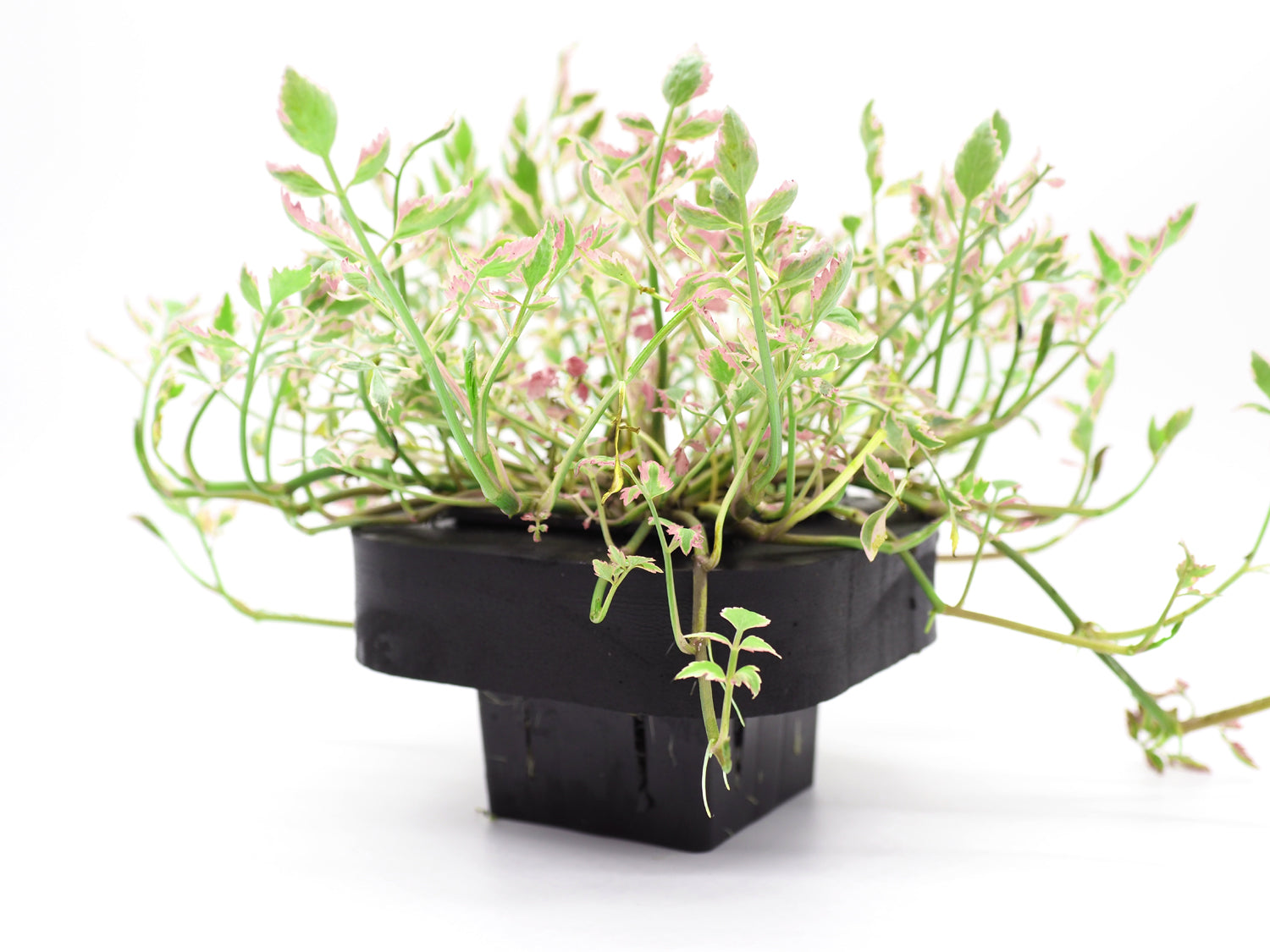
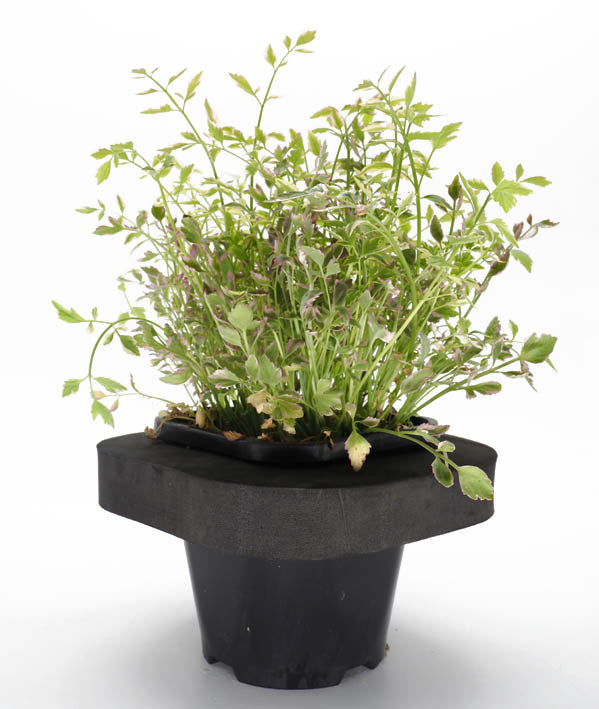
Rainbow Water Parsley (Oenanthe javanica ‘Flamingo’) is a striking perennial pond plant with beautifully variegated foliage in shades of green, cream and pink. Also known as Water Celery or Japanese Water Parsley, ‘Flamingo’ is an excellent choice for adding colour and texture to the edges of ponds and water gardens.
This versatile plant can be grown in shallow water between approximately 5–15cm deep and thrives in full sun to part shade. Its upright foliage can reach around 60cm high, creating useful structure and shelter around the pond while providing good cover for frogs.
An added bonus is that Rainbow Water Parsley is edible. Its fresh leaves can be used to add flavour and colour to salads and other dishes.
Why you'll love Rainbow Water Parsley
- Stunning pink, cream and green variegated foliage
- Australian-friendly pond plant for water gardens
- Perennial and easy to grow
- Suitable for full sun to part shade
- Can grow in shallow water approximately 5–15cm deep
- Grows to approximately 60cm high
- Produces small white flowers
- Provides good cover and shelter for frogs
- Edible foliage
- Adds colour, texture and height to pond margins
- Excellent choice for wildlife-friendly water gardens
Where to grow Rainbow Water Parsley
Rainbow Water Parsley grows well in full sun to part shade and is particularly suited to the shallow margins of ponds and water gardens.
Plant it where the base of the plant can sit in approximately 5–15cm of water, or position it in a consistently moist area around the edge of the pond.
With its upright growth and colourful foliage, it works particularly well when planted amongst lower-growing pond plants to create different layers of height and texture.
Stunning variegated foliage
The standout feature of Oenanthe javanica ‘Flamingo’ is its colourful foliage. New growth can display attractive shades of pink and cream alongside green, creating a vibrant splash of colour around the pond.
The foliage provides interest even when the plant isn't flowering, making Rainbow Water Parsley a great choice for a pond where you want colour and texture throughout the growing season.
Rainbow Water Parsley for frogs
The upright foliage creates cover and shelter for frogs, making this a useful plant for wildlife-friendly ponds.
Plant Rainbow Water Parsley alongside other marginal and floating plants to create a variety of sheltered areas for frogs, fish and other pond wildlife.
An edible pond plant
Rainbow Water Parsley is also an edible water plant. The fresh leaves can be used in salads and other dishes to add distinctive flavour and colour.
Only consume plants that have been grown specifically under suitable conditions for eating, and follow appropriate food-safety practices when harvesting from a pond or water garden.
Rainbow Water Parsley Plant Information
Plant type: Perennial pond plant
Botanical name: Oenanthe javanica ‘Flamingo’
Common name: Rainbow Water Parsley
Position: Full sun to part shade
Flowers: Small white flowers
Water depth: Approximately 5–15cm
Height: Up to approximately 60cm
Width: Up to approximately 30cm
Foliage: Variegated pink, cream and green foliage above the water
Origin: South East Asia
Oxygenating: No
Edible: Yes
Best for: Pond margins, shallow water, colourful foliage, frog habitat and edible water gardens
Grow Rainbow Water Parsley in your pond
If you're looking for a pond plant that combines colourful foliage, wildlife habitat and edible leaves, Rainbow Water Parsley is an excellent choice.
Plant it in the shallow margins of your pond or water garden and combine it with flowering, floating and native pond plants for a diverse and attractive display.
Looking for more colourful pond plants? Explore our range of Pond Plants Online and discover plants for pond margins, shallow water, wildlife habitat and water gardens.
Perennial | Edible | Low Growing | Spreading
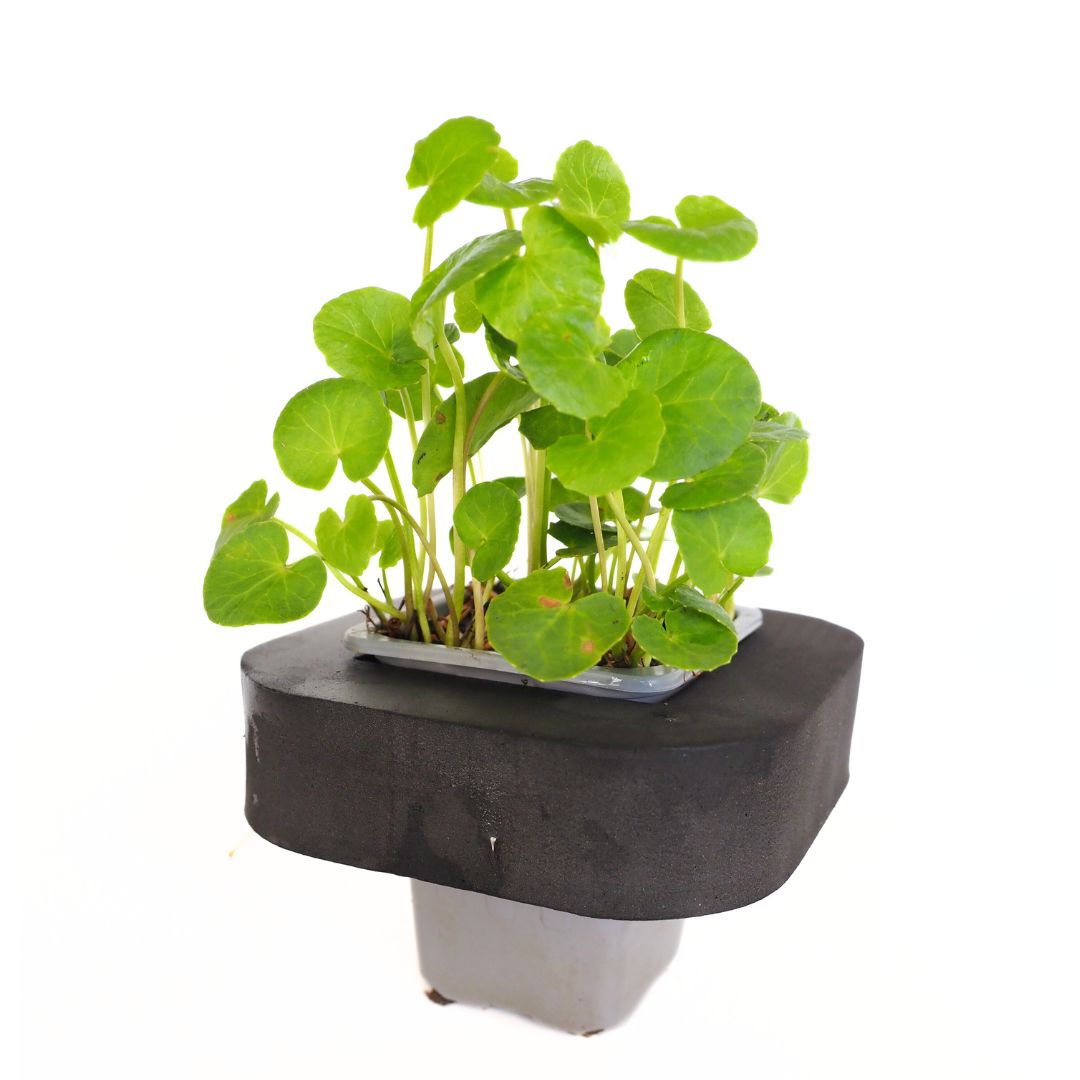
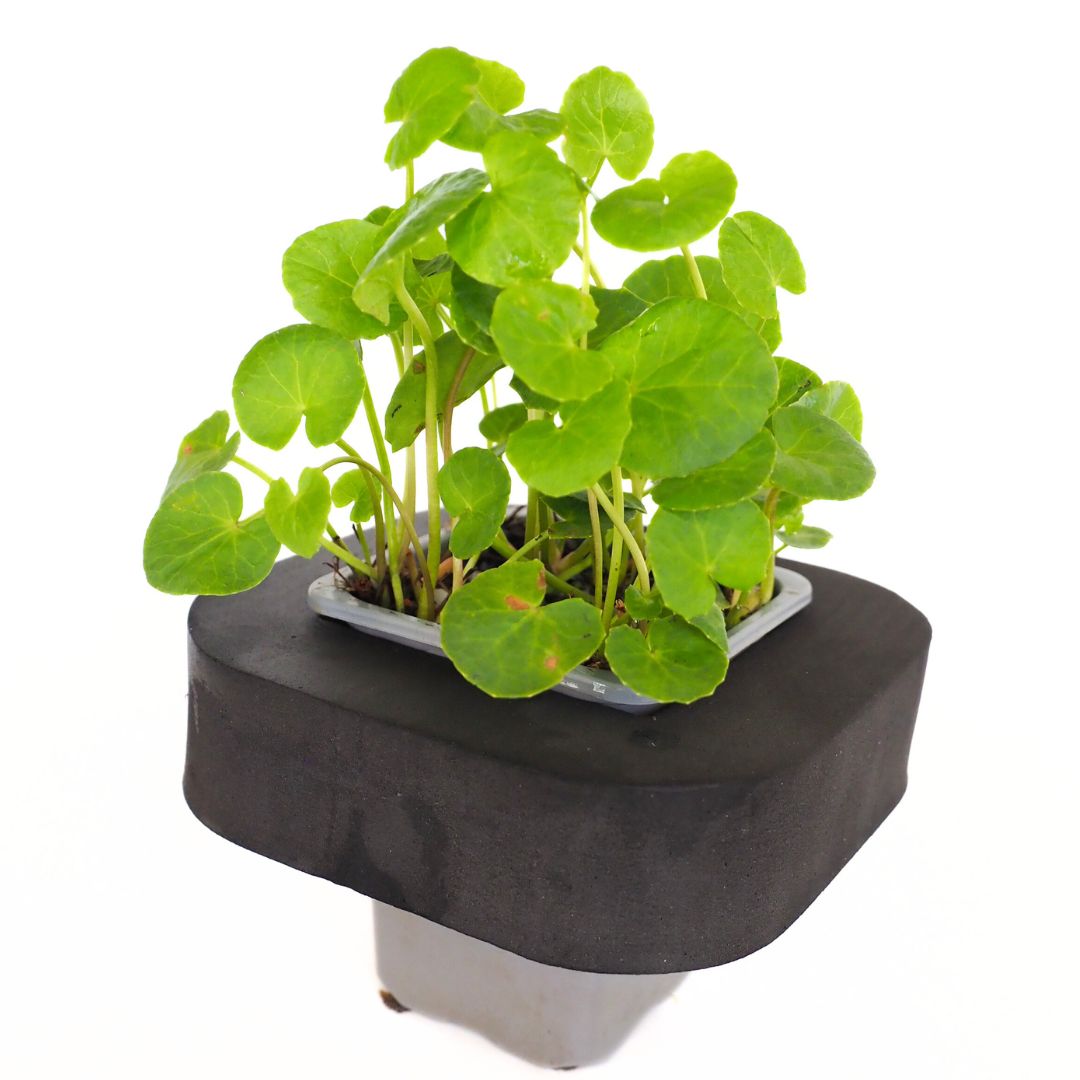
Gotu Kola (Centella asiatica) is a fascinating low-growing perennial herb that makes a beautiful addition to ponds, water bowls and boggy areas. Its distinctive round, kidney-shaped leaves and spreading growth habit create a lush green carpet around the water's edge or across the surface of your pond.
Best of all, Gotu Kola can be grown in our floating pond plant ring, where its stems spread out across the water and develop roots at the nodes. Over time, this creates a dense, natural-looking mat of foliage that provides cover around the pond.
Why Grow Gotu Kola in Your Pond?
Gotu Kola is an excellent choice when you're looking for a pond plant that provides low-growing cover and a lush, natural appearance.
Its trailing stems spread readily, with roots forming at the nodes as they come into contact with water. When grown in a floating pond plant ring, this allows the plant to gradually spread across the water's surface, creating an attractive green mat.
The rounded, fan or kidney-shaped leaves add a different texture to your water garden and work particularly well alongside taller marginal pond plants.
Gotu Kola is also an edible herb, making it an interesting addition to an edible water garden.
Gotu Kola Pond Plant Features
- Botanical name: Centella asiatica
- Common name: Gotu Kola
- Plant type: Perennial herbaceous plant
- Height: Approximately 15–30cm
- Position: Part shade to full sun
- Water depth: Up to approximately 3cm
- Growth habit: Low growing and spreading
- Edible: Yes
- Oxygenator: No
- Cover: Excellent low-growing cover when allowed to spread
- Best suited to: Pond margins, shallow water, boggy areas and floating pond plant rings
Growing Gotu Kola in Your Pond
Gotu Kola naturally enjoys moist and wet environments, making it well suited to life around your pond.
For the easiest way to add it to your water garden, place the plant into a floating pond plant ring. The ring keeps the plant positioned at the ideal level while allowing the stems to spread naturally across the water.
As it grows, Gotu Kola sends out runners and develops roots from the nodes along the stems. This spreading habit allows it to form a dense mat of foliage, providing attractive cover on and around the water.
It can also be planted in very shallow water up to approximately 3cm deep or in consistently moist, boggy areas around the pond.
Position
Gotu Kola will grow in part shade through to full sun.
A position with some protection from the hottest afternoon sun can help maintain lush foliage, particularly in warmer conditions, while plants grown in full sun should have consistent access to moisture.
Is Gotu Kola an Oxygenating Plant?
No. Gotu Kola is not an oxygenating pond plant.
Instead, its value comes from its attractive foliage, spreading growth habit and ability to provide low-growing cover around the pond.
For a balanced water garden, combine Gotu Kola with dedicated oxygenating plants as well as taller marginal and flowering pond plants.
An Edible Pond Plant
Gotu Kola has a long history of use as an edible herb and in traditional Asian cuisine. The leaves are sometimes eaten fresh in salads or used as a leafy green.
The flavour is generally mild with a slightly bitter taste.
While Gotu Kola has also been traditionally used for a variety of purposes, this product is supplied as an ornamental and edible pond plant. Anyone considering Gotu Kola for medicinal use should seek appropriate professional advice, particularly if taking medication or managing an existing health condition.
Create a Natural Pond Habitat
Allowing Gotu Kola to spread across the surface creates a dense layer of vegetation that can provide shelter and cover around your pond.
Its low-growing habit makes it particularly useful for softening the edges of water bowls and smaller ponds, while the trailing foliage creates a more natural transition between the water and surrounding garden.
It also makes a great contrast when planted alongside upright pond plants that provide height and structure.
Feeding Gotu Kola
Gotu Kola benefits from a nutrient-rich growing environment.
For healthy growth, consider adding a slow-release aquatic fertiliser tablet during the growing season. Always follow the manufacturer's instructions for application rate and frequency.
Gotu Kola for Water Bowls and Small Ponds
Gotu Kola is particularly well suited to small ponds, water bowls and container water gardens where its spreading habit can be appreciated up close.
Growing it in a floating pond plant ring makes it easy to position the plant at the water's surface and allows its trailing stems to spread naturally.
Pair it with taller plants for height and structure, flowering pond plants for colour and oxygenating plants to help create a balanced water garden.
Add Gotu Kola to your pond for lush green cover, distinctive foliage and a natural spreading habit.


Pink Rotala, also known as Pink Heather, is a beautiful perennial aquatic plant that brings delicate pink flowers and attractive foliage to the water garden. Native to South East Asia, this versatile pond plant can grow both above and below the water surface and is suitable for full sun through to part shade.
Pink Rotala is particularly useful when grown in a floating pond ring, where its foliage can spread across the water surface to create natural cover and shelter for fish and frogs. It is also an oxygenating pond plant, making it a beautiful and practical addition to a healthy pond ecosystem.
Why you'll love Pink Rotala
- Beautiful small pink flowers
- Also known as Pink Heather
- Perennial aquatic pond plant
- Suitable for full sun to part shade
- Can grow above and below the water
- Suitable for water depths from approximately 5cm to 60cm
- Grows to approximately 20cm high
- Excellent surface cover for fish and frogs
- Acts as an oxygenating pond plant
- Can be grown in a floating pond ring or submerged
- Attractive choice for ponds, water bowls and container water gardens
Where to grow Pink Rotala
Pink Rotala is adaptable and can be grown in full sun through to part shade.
It can be planted in shallow water from approximately 5cm deep and can also be grown submerged to depths of around 60cm. When grown in a floating pond ring, the plant can spread across the surface of the water, creating a beautiful natural layer of foliage and valuable cover for fish.
Pink Rotala for frogs and pond wildlife
The spreading growth of Pink Rotala makes it a useful addition to a wildlife-friendly pond. When grown in a floating pond ring, its foliage provides cover and shelter around the surface of the pond, giving frogs and fish places to seek shelter.
Combining Pink Rotala with other aquatic plants at different depths can help create a more diverse pond habitat for frogs, fish, tadpoles and other pond life.
Pink Rotala as an oxygenating pond plant
Pink Rotala can help contribute to oxygenation within the pond when grown submerged. Its ability to grow both above and below the water makes it a particularly versatile plant for establishing different layers of vegetation within your water garden.
For the best results, combine oxygenating plants with floating, flowering and marginal plants to create a balanced and attractive pond environment.
Pink Rotala flowers
The delicate pink flowers are one of Pink Rotala's most attractive features. When the plant is established in a sunny position, its small flowers provide a lovely splash of colour against the green foliage and water.
If you're looking for a pond plant that combines colour, wildlife habitat and water-garden benefits, Pink Rotala is an excellent choice.
Feeding Pink Rotala
Feed Pink Rotala monthly during the growing season from spring with a suitable aquatic plant fertiliser.
We recommend Pond Plantz Time Release Fertilizer. Insert the fertiliser tablet approximately 5–10cm below the surface of the soil.
Pink Rotala Plant Information
Plant type: Perennial aquatic pond plant
Common name: Pink Rotala, Pink Heather
Origin: South East Asia
Position: Full sun to part shade
Flowers: Small pink flowers
Water depth: Approximately 5–60cm
Height: Up to approximately 20cm
Foliage: Grows above and below water
Oxygenating: Yes
Edible: No
Best for: Floating cover, fish and frog habitat, flowering ponds and oxygenation
Grow Pink Rotala in a floating pond ring
Our floating pond rings make it easy to add Pink Rotala to your pond or water bowl. Simply place the plant into the ring and position it on the water surface.
As it grows, Pink Rotala can spread across the water, creating attractive surface cover while providing shelter for pond life.
Looking for more colourful pond plants? Explore our range of Pond Plants Online and discover flowering, floating, oxygenating and habitat plants for your water garden.
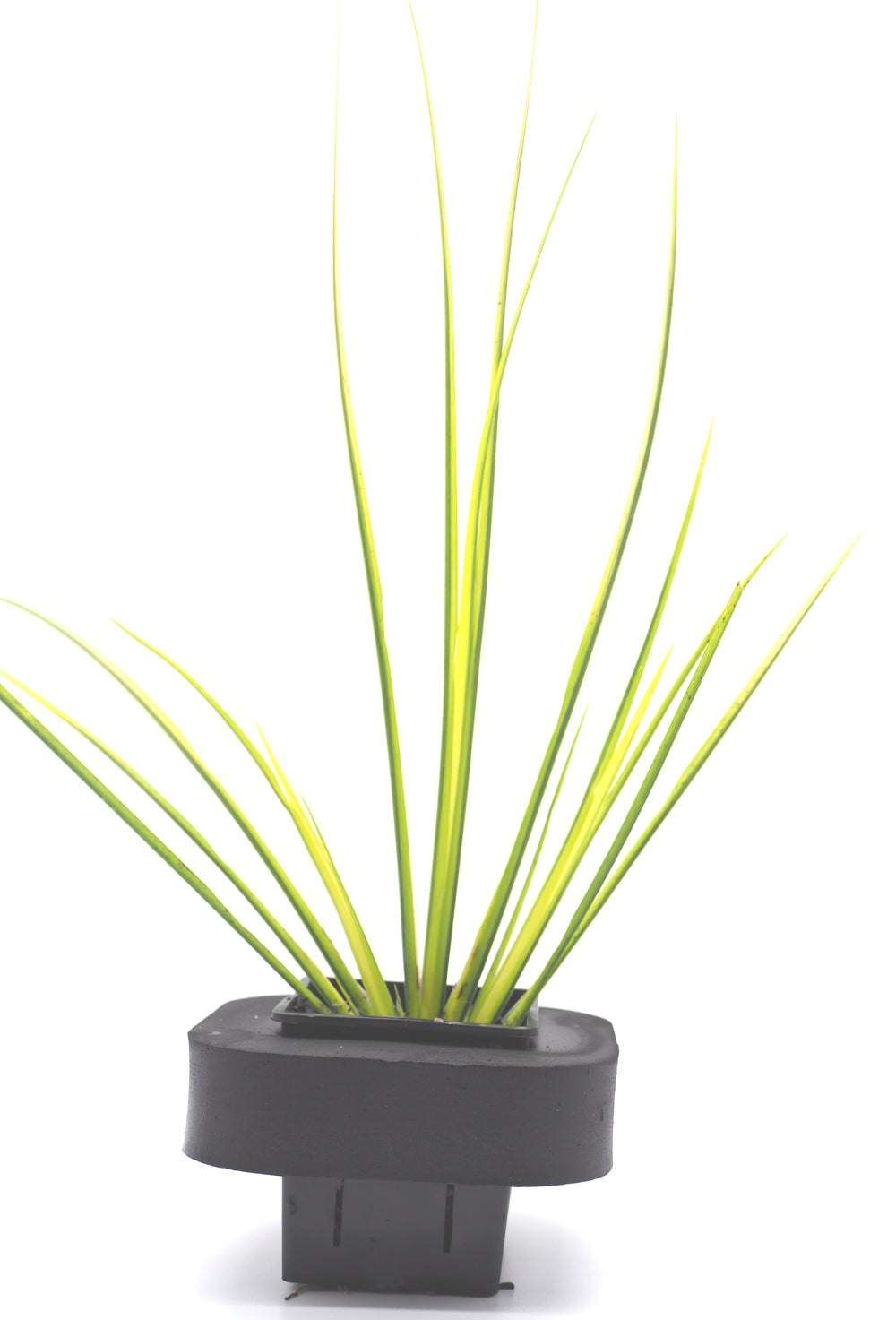
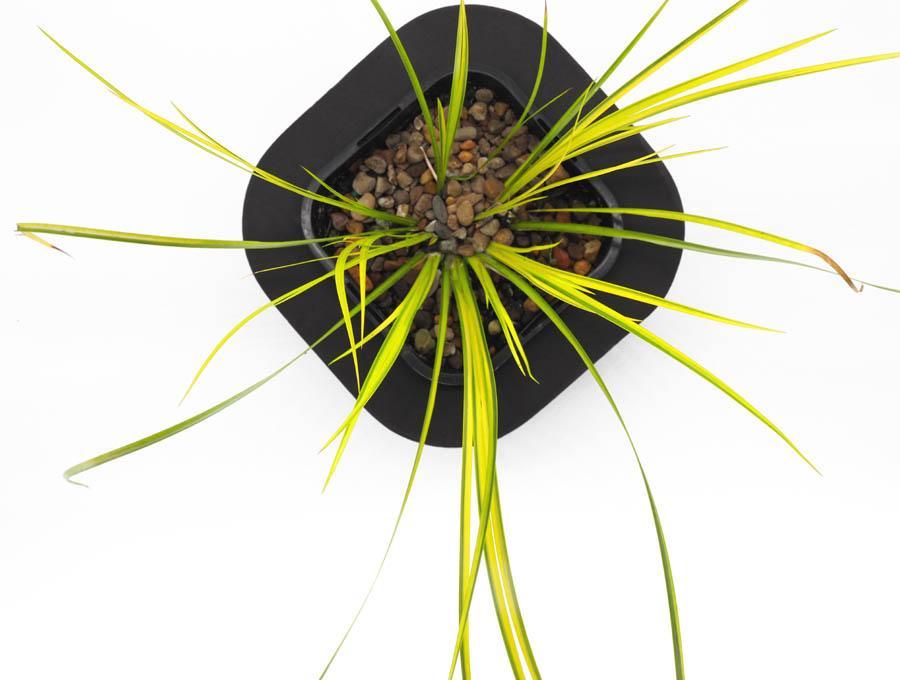
Golden Sweet Flag (Acorus gramineus ‘Ogon’) is a hardy, frost-tolerant perennial pond plant with attractive golden-yellow and green, grass-like foliage. Its upright growth adds colour, texture and structure to the shallow margins of ponds and water gardens.
One of its most interesting features is its sweet fragrance. Crush the leaves gently and you'll notice the distinctive sweet aroma that gives Sweet Flag its name.
Golden Sweet Flag is an excellent choice for creating a natural-looking pond edge. Its dense, upright foliage also provides shelter and habitat for frogs and other small pond wildlife.
Why you'll love Golden Sweet Flag
- Attractive golden and green foliage
- Hardy, frost-tolerant pond plant
- Perennial and easy to grow
- Suitable for part shade to full sun
- Can grow in shallow water approximately 1–5cm deep
- Produces upright, grass-like foliage
- Can grow up to approximately 60cm high
- Provides excellent cover for frogs
- Sweet fragrance released when the leaves are crushed
- Edible plant with traditional uses
- Looks particularly impressive when planted in groups
- Easy to propagate by dividing the rhizomes
Where to grow Golden Sweet Flag
Golden Sweet Flag is a versatile marginal pond plant that grows well in part shade through to full sun.
It can be planted in shallow water approximately 1–5cm deep, or positioned around the damp margins of your pond.
Although it is frost tolerant, the tips of the foliage can brown slightly when exposed to prolonged periods of strong full sun, particularly in hot conditions. A position with some afternoon shade can help maintain the best foliage colour in warmer climates.
Golden Sweet Flag for frogs
The dense, upright foliage of Golden Sweet Flag provides shelter and cover for frogs, making it a useful addition to a wildlife-friendly water garden.
For the best effect, plant several together to create a larger clump of foliage and provide a more substantial area of habitat around the pond.
A sweetly scented pond plant
Golden Sweet Flag gets its common name from the sweet fragrance released when the leaves are crushed.
This makes it an interesting sensory addition to the water garden. Position it somewhere you can easily reach the foliage and enjoy its distinctive fragrance.
Edible and traditionally used
Golden Sweet Flag has a history of traditional use, and parts of the plant have been used as a flavouring or herbal ingredient.
The rhizome has traditionally been used as a ginger substitute.
Because edible uses and preparation can vary, only consume plants that have been correctly identified and grown specifically for culinary use. Do not consume pond plants that have been exposed to pond treatments or other chemicals unsuitable for food crops.
Golden Sweet Flag Plant Information
Plant type: Perennial marginal pond plant
Botanical name: Acorus gramineus ‘Ogon’
Common name: Golden Sweet Flag
Origin: China and Japan
Position: Part shade to full sun
Frost tolerance: Frost tolerant
Flowers: No
Water depth: Approximately 1–5cm
Height: Up to approximately 60cm
Foliage: Upright, grass-like golden and green foliage
Oxygenating: No
Edible: Yes
Best for: Pond margins, shallow water, frog habitat, wildlife gardens and group planting
Propagating Golden Sweet Flag
Golden Sweet Flag is easy to propagate by dividing its rhizomes.
Dividing established plants approximately once a year can provide additional plants for your water garden while encouraging fresh new growth from the original plant.
Plant the divisions back into shallow water or moist pond margins and allow them to establish.
Grow Golden Sweet Flag in your water garden
Golden Sweet Flag is a great choice when you want a pond plant that combines hardiness, colour, wildlife habitat and interesting fragrance.
Its golden foliage looks particularly effective when planted in groups, creating a strong visual feature around the edge of the pond.
Learn more about growing this beautiful marginal pond plant in our guide: The Ultimate Guide: Growing and Caring for Golden Sweet Flag in Your Pond.
Looking for more pond plants? Explore our range of Pond Plants Online and discover marginal, native, flowering, floating and wildlife-friendly plants for your water garden.


Lebanese Cress, also known as Lebanese Water Cress, is a fast-growing perennial pond plant that combines attractive foliage with useful surface cover. It can be grown in shallow water between approximately 5–15cm deep and is particularly effective when planted in a floating pond ring, where it can spread across the surface of the water.
With a spreading growth habit reaching approximately 40cm wide and 20cm high, Lebanese Cress is an excellent choice for adding greenery to your pond while providing cover for pond life. Unlike oxygenating pond plants, its main benefits come from its surface growth, nutrient uptake and habitat value.
Why you'll love Lebanese Cress
- Fast-growing perennial pond plant
- Also known as Lebanese Water Cress
- Suitable for full sun to part shade
- Produces flowers
- Can grow in shallow water approximately 5–15cm deep
- Creates excellent surface cover when grown in a floating pond ring
- Can spread to approximately 40cm wide
- Grows to approximately 20cm high
- Edible foliage
- Useful for creating a lush, natural-looking water garden
- Helps absorb nutrients as it grows
Where to grow Lebanese Cress
Lebanese Cress grows well in full sun through to part shade and can tolerate shallow water approximately 5–15cm deep.
For an attractive spreading display, grow it in one of our floating pond rings. The plant can spread across the water surface, creating natural cover while adding texture and greenery to your pond.
It can also be used around shallow pond margins where the soil remains consistently moist.
Lebanese Cress as a surface cover plant
One of the standout features of Lebanese Cress is its ability to create surface cover when grown in a floating pond ring.
A well-planted water garden benefits from having plants at different levels — below the water, at the surface and around the pond margins. Lebanese Cress is particularly useful for filling the surface layer and providing cover and shelter for pond life.
Its rapid growth also means it can make a noticeable difference to the amount of plant cover in your water garden during the growing season. Regular trimming can be used to keep growth at the desired size.
Lebanese Cress and pond nutrients
Like other fast-growing aquatic plants, Lebanese Cress uses nutrients as it grows. Including vigorous plants in a pond can form part of a broader approach to managing nutrients and maintaining a healthy aquatic environment.
For the best results, combine Lebanese Cress with a variety of oxygenating, flowering, floating and marginal pond plants to create a diverse pond ecosystem.
An edible pond plant
Lebanese Cress is an unusual addition to the water garden because it is an edible pond plant. Its fresh leaves can be used in small amounts as a garnish or added to salads for a fresh, distinctive flavour.
Always ensure that plants intended for consumption are grown and fertilised appropriately for that purpose.
Lebanese Cress Plant Information
Plant type: Perennial aquatic pond plant
Common names: Lebanese Cress, Lebanese Water Cress
Botanical name: Aethionema [verify species spelling before publishing]
Origin: Mediterranean
Position: Full sun to part shade
Flowers: Yes
Water depth: Approximately 5–15cm
Height: Approximately 20cm
Width: Up to approximately 40cm
Foliage: Grows above the water
Oxygenating: No
Edible: Yes
Growth habit: Fast-growing and spreading
Best for: Surface cover, floating rings, shallow water, nutrient uptake and edible water gardens
Grow Lebanese Cress in a floating pond ring
Our floating pond rings make it easy to grow Lebanese Cress directly on the surface of your pond.
Place the plant into the ring and position it on the water. As it establishes, the foliage can spread outwards to create an attractive green surface cover.
Looking for more pond plants? Explore our range of Pond Plants Online and discover flowering, floating, oxygenating, marginal and edible plants for your water garden.
Blog

Mint Tea: Health benefits & Best varieties to grow
Blog

Chocolate Water Mint: A Delicious and Simple Addition to Your Pond Garden