Sign Up to a Healthy Pond
Search results
78 results
Search results
Perennial | Edible | Surface Cover | Pond Plant
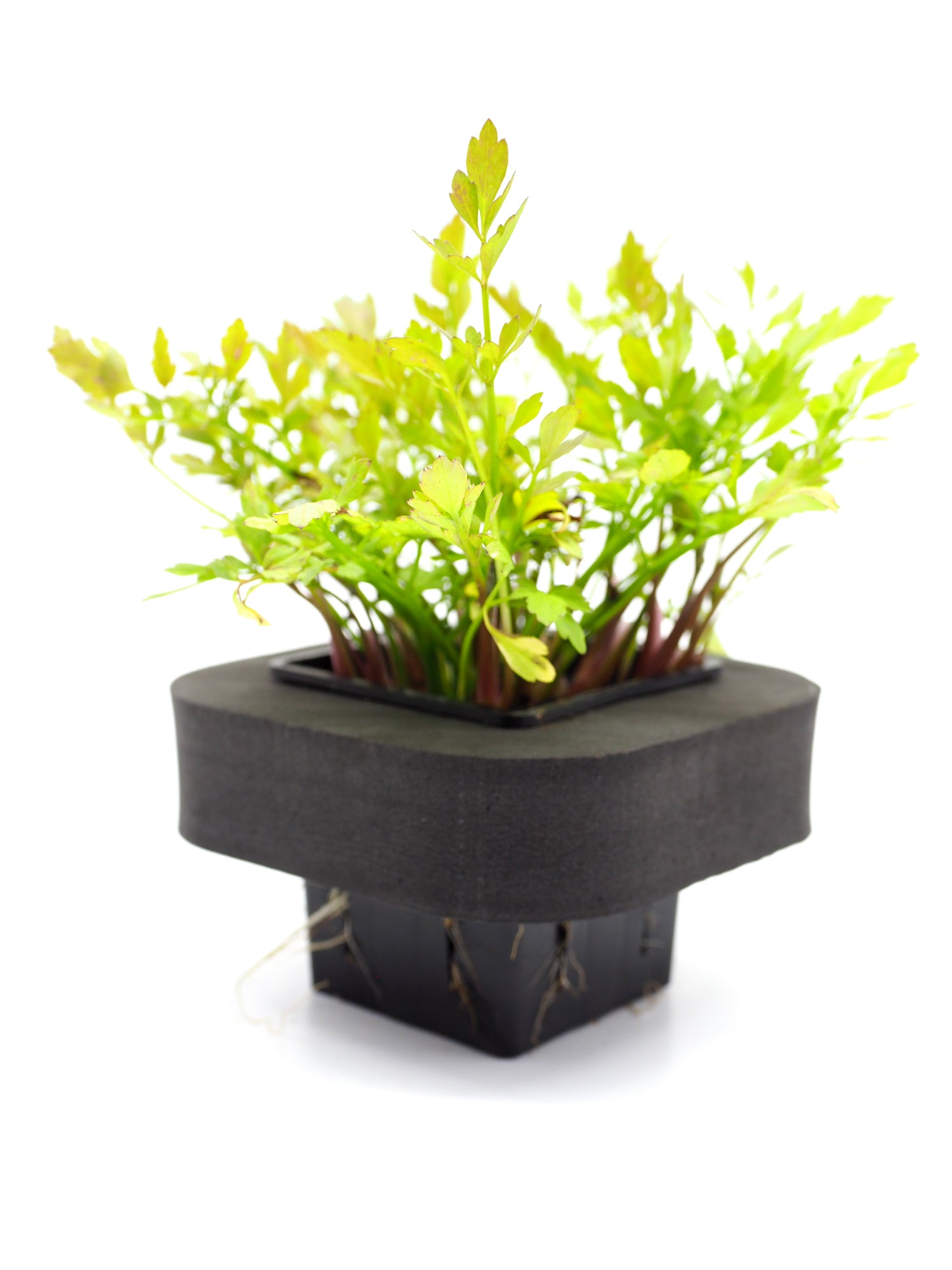
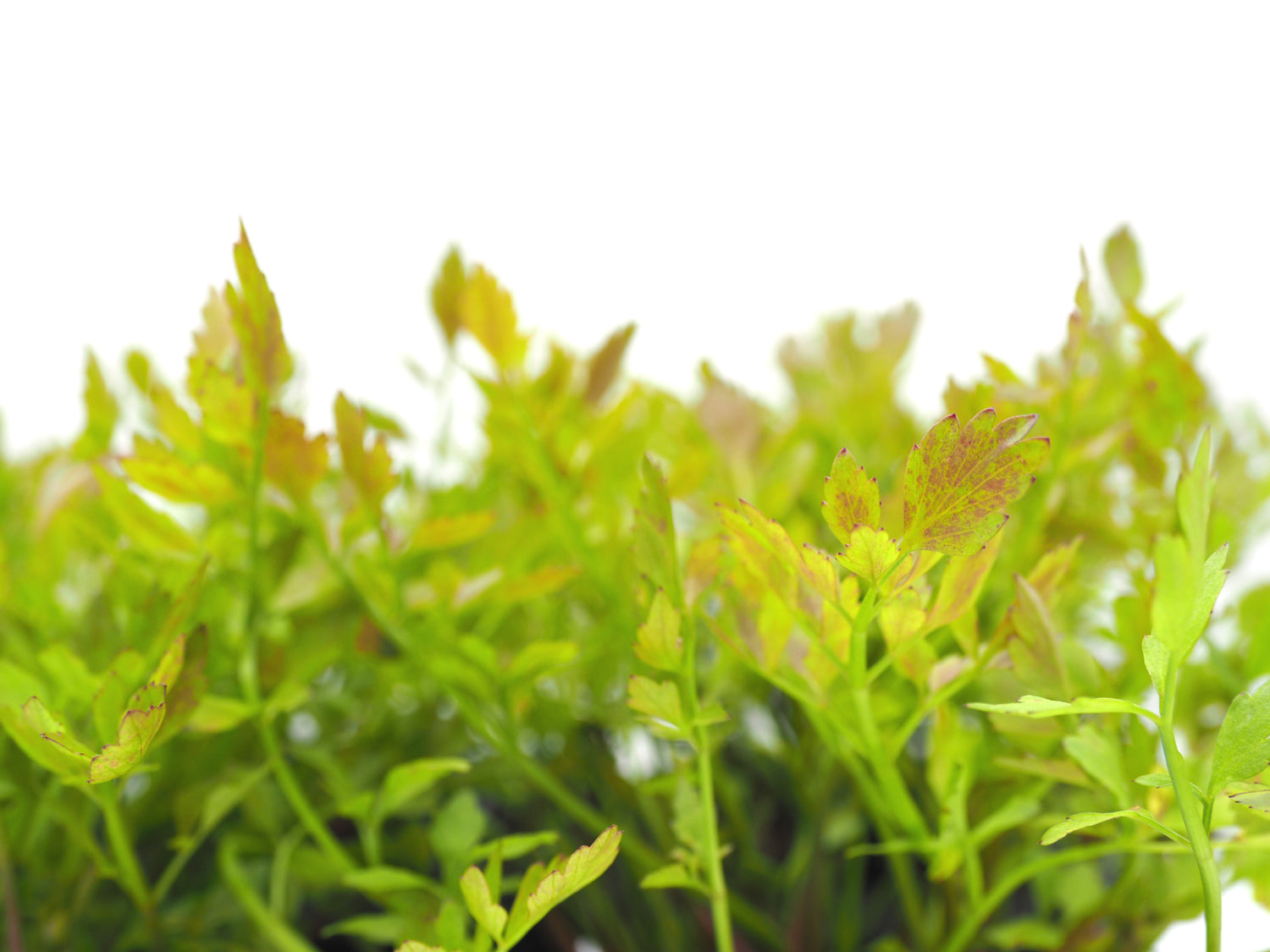
Water Parsley (Oenanthe sarmentosa) is a beautiful and useful edible pond plant with delicate foliage, small white flowers and a naturally spreading growth habit. It is an excellent choice for adding greenery and surface cover to ponds, water bowls and water gardens.
When grown in our floating pond plant ring, Water Parsley spreads across the water's surface, creating a lush green mat. This makes it particularly useful for providing cover and softening the appearance of open areas of water.
Water Parsley grows well in full sun to part shade and can tolerate shallow water between approximately 5–15cm deep. Its foliage grows above the water line, creating a lovely natural transition between the pond and surrounding garden.
Why Grow Water Parsley in Your Pond?
Water Parsley is a great choice for anyone wanting to combine edible plants with a beautiful water garden.
Its delicate foliage and small white flowers add texture and interest, while its spreading habit can provide excellent surface cover when grown in a floating pond plant ring.
The foliage can also be harvested for use in the kitchen. Water Parsley has a parsley-like flavour and can be used fresh in salads, as a garnish or to make herbal tea.
Water Parsley Pond Plant Features
• Botanical name: Oenanthe sarmentosa
• Common name: Water Parsley
• Plant type: Perennial
• Origin: California and Alaska
• Position: Full sun to part shade
• Flowers: Small white flowers
• Water depth: Approximately 5–15cm
• Foliage: Grows above the water line
• Height: Up to approximately 20cm
• Width: Up to approximately 40cm
• Edible: Yes
• Oxygenator: No
• Cover: Excellent surface cover when grown in a floating pond plant ring
• Best suited to: Ponds, water bowls, shallow water and edible water gardens
Growing Water Parsley
Water Parsley is a spreading pond plant that enjoys consistently moist conditions and can be grown in shallow water.
For an easy way to add it to your pond, place it into a floating pond plant ring. As it grows, the plant can spread out across the surface, creating an attractive mat of foliage.
This spreading growth habit makes Water Parsley particularly useful for covering sections of open water and creating a more natural-looking pond environment.
It can also be planted around the pond margin or in shallow water, where its foliage will grow above the surface.
Position
Water Parsley grows well in full sun to part shade.
A sunny position will encourage strong growth, while part shade is also suitable. When grown in a floating pond plant ring, make sure the plant has access to plenty of light so it can develop healthy, dense foliage.
Water Parsley as Surface Cover
One of the most useful features of Water Parsley is its ability to provide surface cover.
When grown in a floating pond plant ring, its stems spread across the water and create a lush layer of foliage. This is a great way to break up large areas of open water and add another layer of planting to your pond.
Surface-covering plants can also help create a more natural and sheltered environment for pond life.
For the best result, combine Water Parsley with taller marginal plants and flowering pond plants to create different levels of planting around your water garden.
An Edible Pond Plant
Water Parsley is an edible pond plant and can be used in the kitchen in a similar way to other leafy herbs.
The fresh leaves can be used in salads, as a garnish or added to dishes for extra flavour. The leaves can also be used fresh or dried to make a herbal tea.
Water Parsley contains naturally occurring vitamins, antioxidants and plant compounds, making it an interesting addition to an edible water garden.
As with any edible plant, only consume plants that have been grown in suitable conditions and have not been treated with products unsuitable for edible plants.
Water Parsley Flowers
Water Parsley produces small white flowers that add a delicate touch to the foliage.
The flowers are relatively subtle, allowing the attractive green foliage and spreading habit of the plant to remain the main feature.
For a more colourful display, combine Water Parsley with flowering pond plants to create contrast and additional seasonal interest.
Is Water Parsley an Oxygenating Plant?
No. Water Parsley is not an oxygenating pond plant.
It is primarily useful for its edible foliage, spreading growth habit and ability to provide surface cover.
For a balanced pond planting scheme, combine Water Parsley with dedicated oxygenating plants, marginal plants and flowering pond plants.
A simple way to plan your pond planting is to follow the 3-2-1 rule: 3 oxygenating plants, 2 marginal plants and 1 flowering plant per square metre.
Planting Water Parsley in Your Water Garden
Water Parsley is ideal for:
• Pond margins
• Shallow water
• Floating pond plant rings
• Water bowls
• Edible water gardens
• Natural-style ponds
• Small ponds and container water gardens
Its spreading habit makes it particularly useful where you want to add greenery across the surface of your pond without relying solely on floating plants.
Feeding Water Parsley
For healthy, vigorous growth, Water Parsley benefits from a nutrient-rich growing environment.
A suitable slow-release aquatic fertiliser tablet can be added during the growing season. Always follow the manufacturer's instructions for application rate and frequency.
Add Water Parsley to your pond for delicate foliage, edible leaves, small white flowers and beautiful natural surface cover.
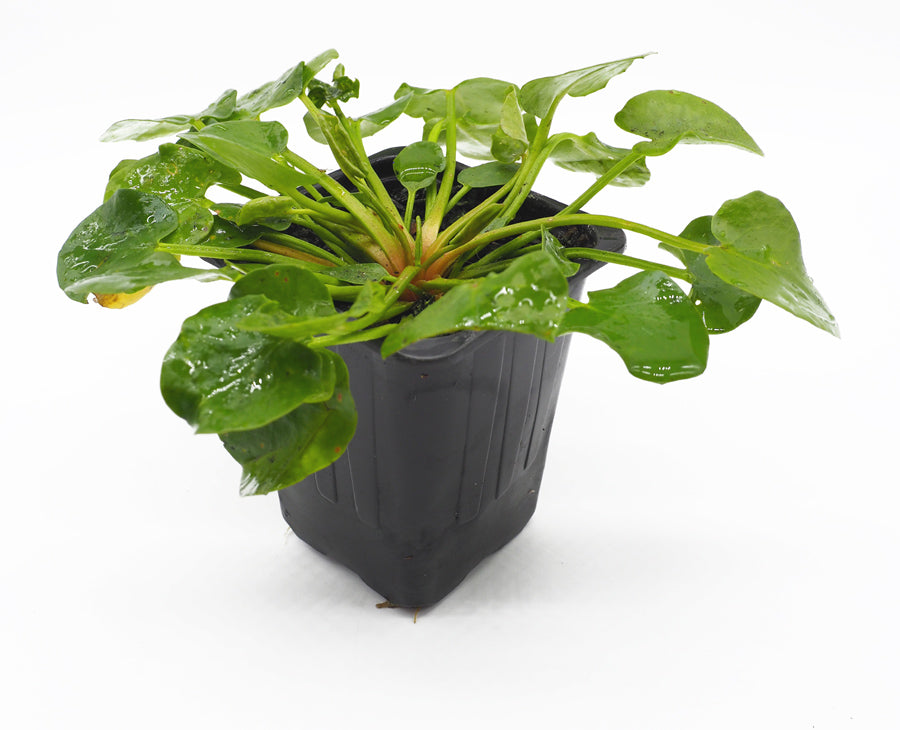
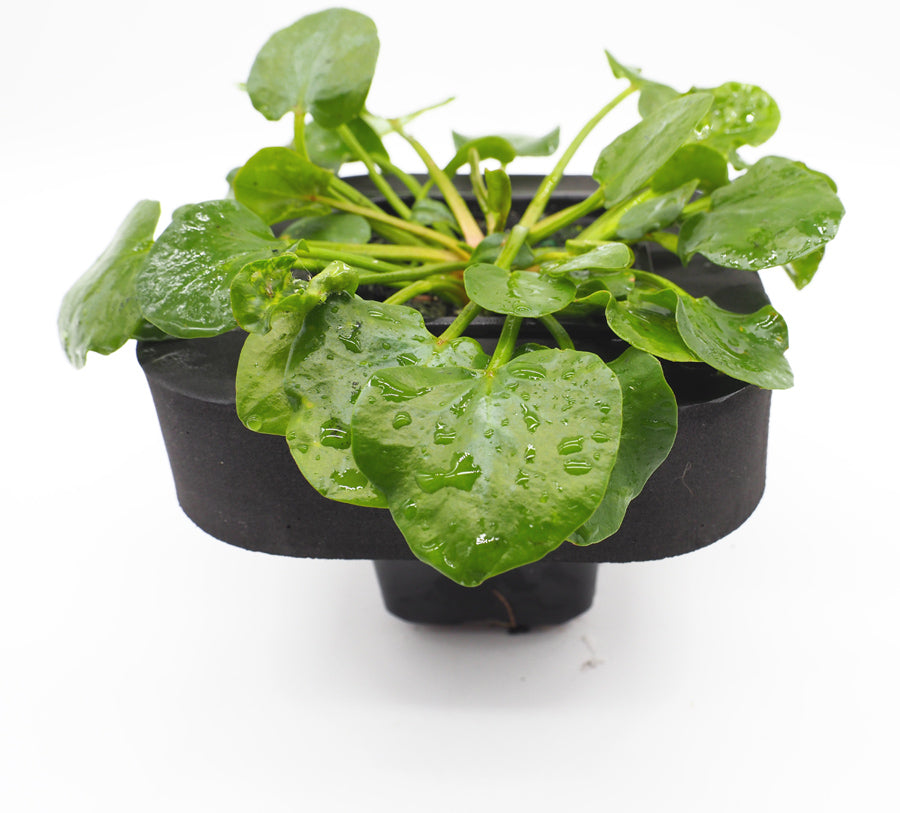
Running Marsh Flower (Villarsia reniformis), also known as Golden Marsh, is a beautiful Australian native pond plant with glossy green, lily-like leaves and cheerful yellow flowers. Its foliage gives it the appearance of a miniature water lily, making it an excellent choice when you want the look of a water lily without needing a large pond.
A versatile plant for both small and large water gardens, Running Marsh Flower can be planted in shallow water up to approximately 5cm deep, grown in a floating pond ring or planted around the boggy and marginal areas of your pond.
When grown in a floating ring, it can spread across the water surface to provide valuable cover and shelter for fish and tadpoles.
Why you'll love Running Marsh Flower
- Beautiful Australian native pond plant
- Also known as Golden Marsh
- Glossy, bright green lily-type leaves
- Produces attractive yellow flowers
- Flowers from approximately October to March
- Flower stems can reach approximately 50cm
- Suitable for part shade to full sun
- Can be grown in shallow water up to approximately 5cm deep
- Excellent plant for boggy and marginal pond areas
- Can be grown in a floating pond ring
- Provides cover and shelter for fish and tadpoles
- Suitable for both small and large water gardens
Where to grow Running Marsh Flower
Running Marsh Flower is a versatile plant that can be used in several areas of the water garden. It grows well in part shade through to full sun and can tolerate shallow water up to approximately 5cm deep.
It is particularly well suited to boggy areas and pond margins, where the soil remains consistently moist.
Alternatively, place it in one of our floating pond rings and allow the foliage to spread across the surface of the pond. This creates an attractive natural display while providing cover for fish and tadpoles.
Running Marsh Flower – a native alternative to a water lily
With its shiny bright green, lily-type leaves, Running Marsh Flower has the appearance of a small water lily, making it a great choice for smaller ponds, water bowls and container water gardens where a traditional water lily may be too large.
Its yellow flowers rise above the foliage on stems that can reach approximately 50cm, adding height and seasonal colour to the water garden.
Yellow flowers from spring through summer
Running Marsh Flower produces its distinctive yellow flowers from approximately October through to March, providing a long flowering period through the warmer months.
The combination of glossy green foliage and bright yellow flowers makes it an attractive feature plant for the edge or surface of your pond.
Running Marsh Flower for fish and tadpoles
When grown in a floating pond ring, Running Marsh Flower can spread across the water surface, creating natural cover and shelter for fish and tadpoles.
For a wildlife-friendly pond, combine it with a selection of plants that provide cover at different levels, including floating, submerged and marginal pond plants.
Running Marsh Flower Plant Information
Plant type: Perennial aquatic pond plant
Botanical name: Villarsia reniformis
Common names: Running Marsh Flower, Golden Marsh
Origin: Australia
Position: Part shade to full sun
Flowers: Yellow
Flowering period: Approximately October to March
Flower stems: Up to approximately 50cm
Water depth: Up to approximately 5cm
Foliage: Shiny, bright green lily-type leaves
Oxygenating: No
Edible: No
Best for: Pond margins, boggy areas, shallow water, floating rings and fish and tadpole cover
Grow Running Marsh Flower in a floating pond ring
Our floating pond rings make it easy to add Running Marsh Flower to your pond without complicated planting.
Simply place the plant into the floating ring and position it on the water surface. As it establishes, the foliage can spread outwards to create a natural green cover across the pond.
Looking for more Australian native pond plants? Explore our range of Pond Plants Online and discover native, flowering, floating, oxygenating and habitat plants for your water garden.
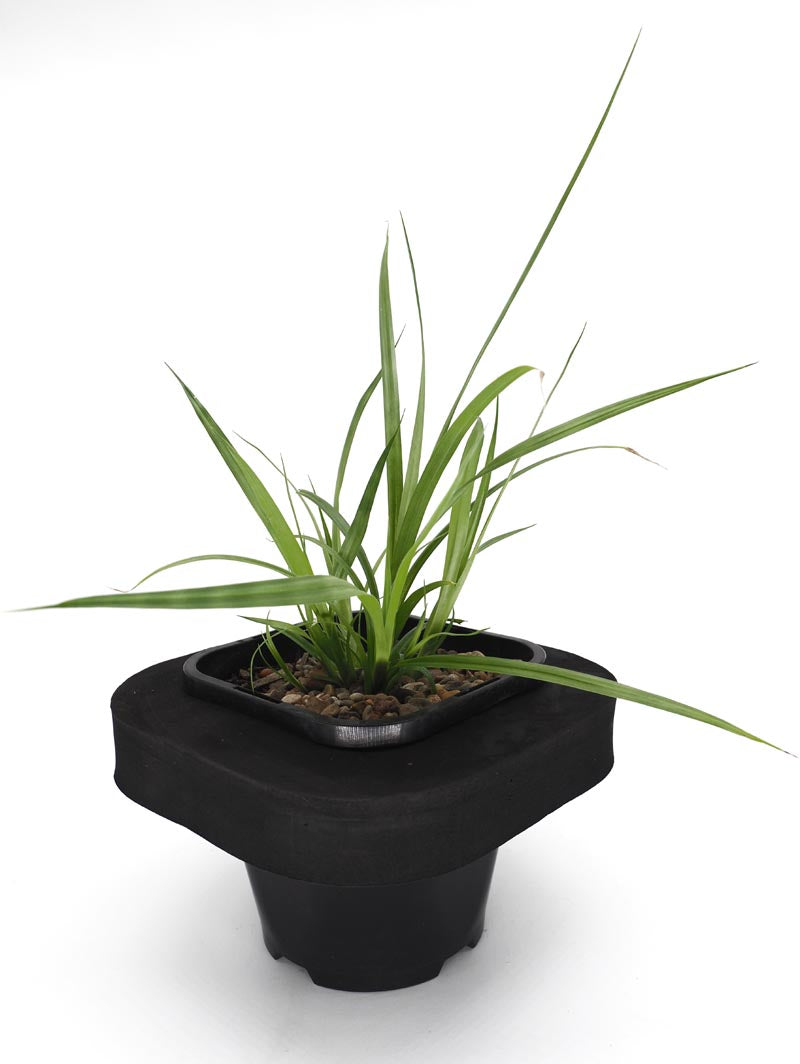
Frog Grass (Carex fascicularis) is a tough and versatile Australian native pond plant that brings height, structure and valuable wildlife habitat to ponds and water gardens. Also known as Tassel Sedge, this attractive native sedge grows to approximately 60–70cm high and is well suited to the marginal areas around your pond.
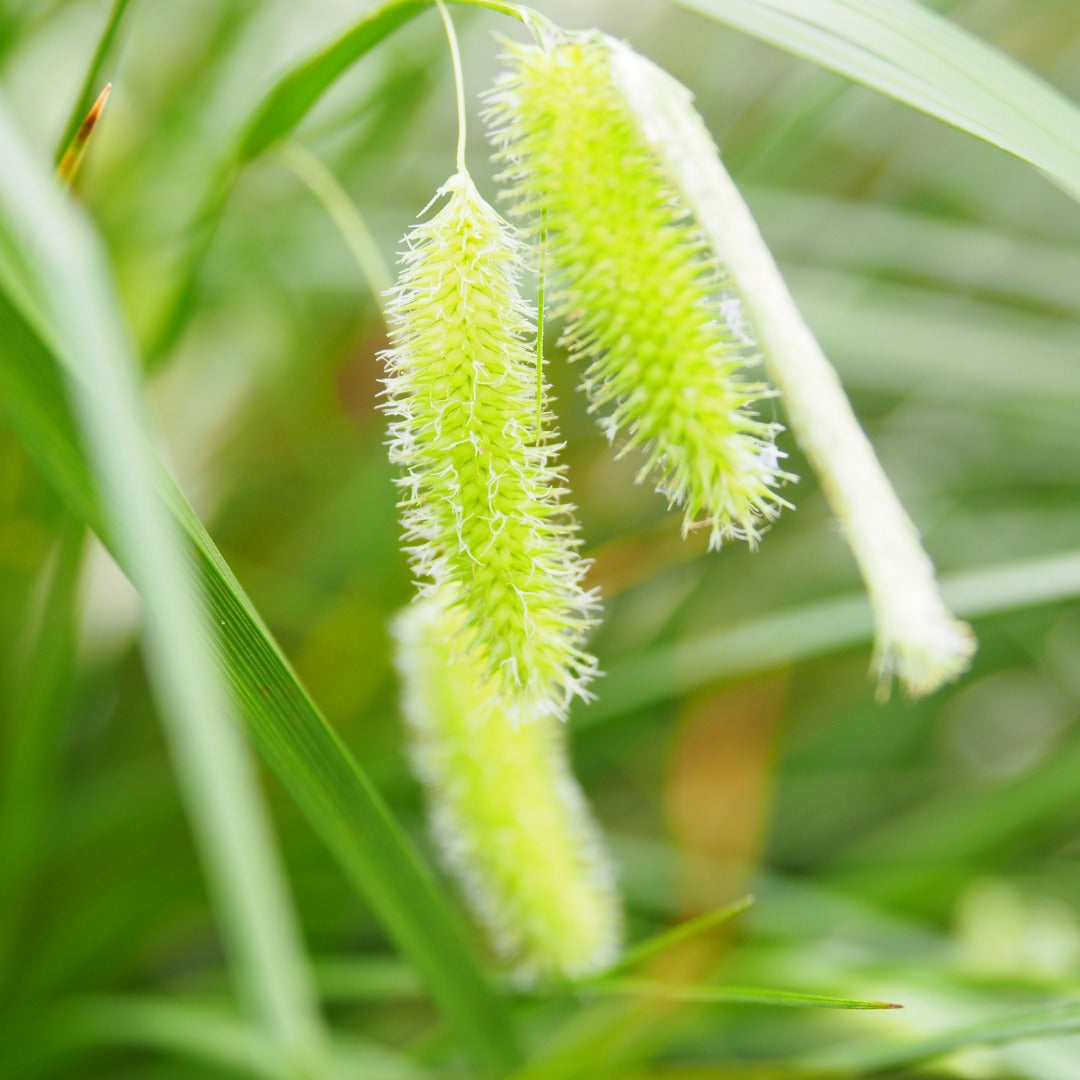
Frog Grass is particularly useful for creating a frog-friendly water garden. Its arching foliage provides shelter and habitat, while the plant's spring flowers produce distinctive soft catkins that elegantly drape among the leaves.
It is an excellent choice for planting in groups, creating a natural clump of foliage around the edge of your pond.
Why you'll love Frog Grass
- Australian native pond plant
- Also known as Tassel Sedge
- Excellent plant for frog habitat
- Provides height and structure around the pond
- Grows approximately 60–70cm high
- Suitable for full sun through to shade
- Ideal for marginal pond areas
- Attractive arching foliage
- Produces soft, hanging catkins in spring
- Provides habitat for frogs and other garden wildlife
- Can provide food and habitat for butterflies and other beneficial insects
- Cold tolerant
- May die back in colder areas during winter before re-emerging in spring
- Can be submerged 20-60cm
Where to grow Frog Grass
Frog Grass is particularly well suited to the margins of ponds and water gardens, where the soil remains moist but the plant does not need to be permanently submerged.
One of its great advantages is its adaptability to light conditions. It can grow happily in full sun through to shade, making it a useful choice for areas where many flowering pond plants may struggle.
Plant several together to create a natural clump and increase the amount of shelter and habitat available around the pond.
Frog Grass for wildlife
If you're designing a pond to encourage frogs and native wildlife, Frog Grass is an excellent plant to include.
Its dense, arching foliage provides shelter and cover around the pond margin, creating a more natural habitat for frogs. The plant can also contribute to a wildlife-friendly garden by providing habitat and food resources for butterflies and other beneficial insects.
For the best wildlife habitat, combine Frog Grass with a variety of floating, flowering, marginal and low-growing pond plants.
Spring catkins
In spring, Frog Grass produces distinctive soft catkins that hang elegantly from the arching foliage.
These delicate flower structures add texture and movement to the plant and provide an attractive seasonal feature before the warmer months bring renewed growth.
Frog Grass through winter
Carex fascicularis is cold tolerant, although it can die back during winter in some parts of Australia. This is not necessarily a sign that the plant has been lost.
In suitable conditions, it can re-emerge as temperatures rise in spring and produce fresh new growth.
Frog Grass Plant Information
Plant type: Perennial Australian native sedge
Botanical name: Carex fascicularis
Common names: Frog Grass, Tassel Sedge
Origin: Australia
Position: Full sun to shade
Height: Approximately 60–70cm
Flowers: Soft hanging catkins in spring
Growth habit: Clumping with arching foliage
Best for: Pond margins, frog habitat, wildlife gardens, adding height and structure
Plant Frog Grass around your pond
Frog Grass is an excellent choice when you want to create a pond that feels natural, established and welcoming to wildlife.
Plant it around the damp margins of your pond and combine it with other Australian native pond plants to create different layers of height, cover and habitat.
Looking for more Australian native pond plants? Explore our range of Pond Plants Online and discover native plants selected for Australian water gardens and wildlife-friendly ponds.
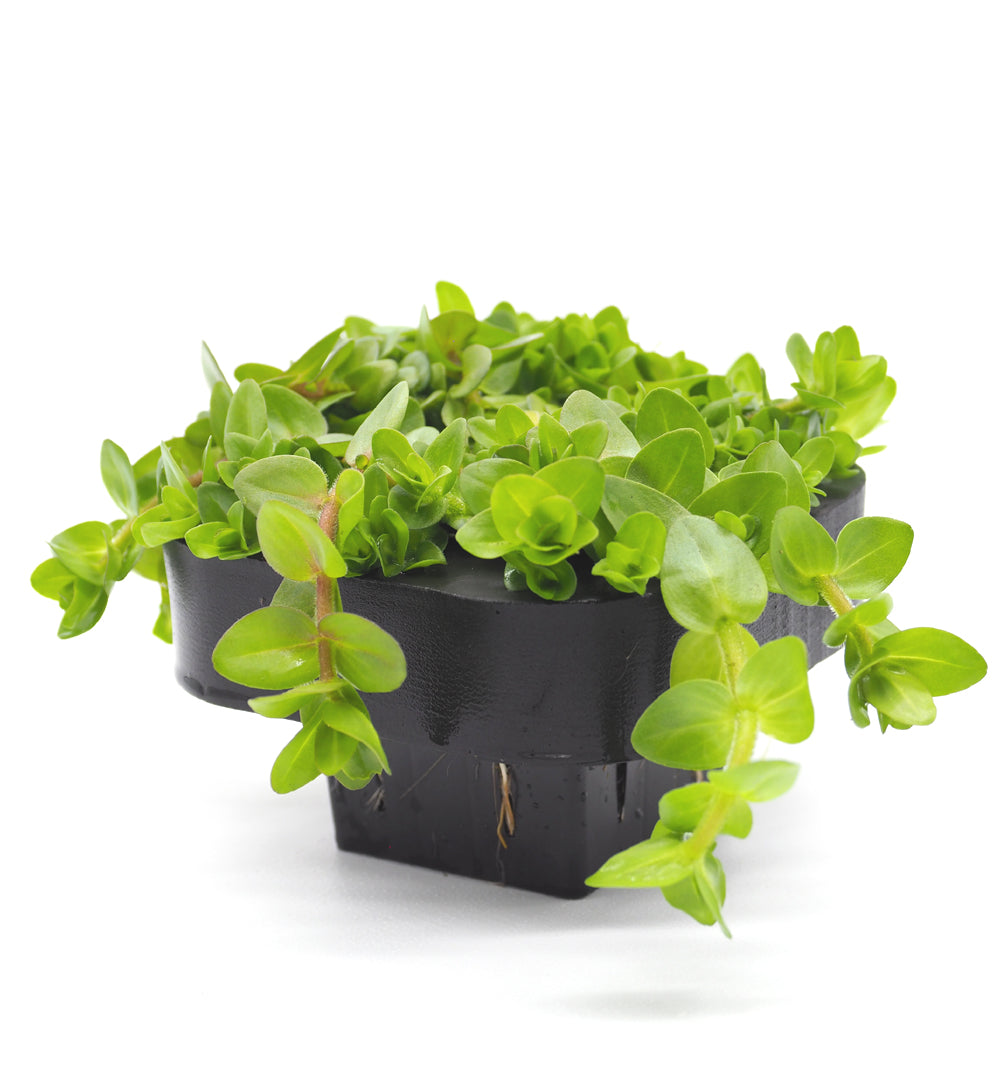
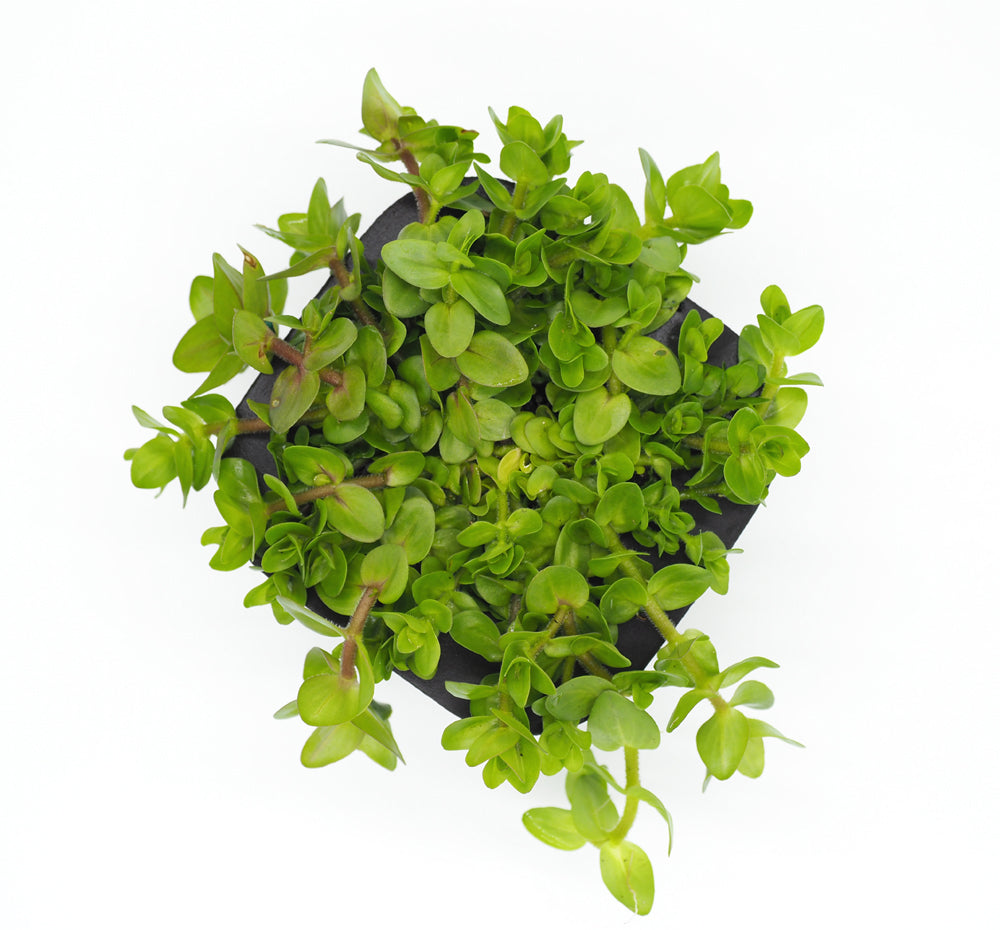
Water Hyssop (Bacopa caroliniana) Pond Plant
Water Hyssop (Bacopa caroliniana) is a versatile perennial pond plant that can grow in part shade through to full sun. Also known as Lemon Hyssop, it produces attractive green foliage and small blue flowers with a lemon-like scent when the leaves are crushed.
One of the reasons Water Hyssop is such a useful addition to a water garden is its ability to grow in different positions. It can be planted in shallow water, grown with its foliage above the surface or allowed to grow submerged, where it can act as an oxygenating pond plant.
When grown in a floating pond ring, Water Hyssop can trail its roots and foliage into the water, creating valuable cover and shelter for fish and tadpoles.
Why you'll love Water Hyssop
- Easy-to-grow perennial pond plant
- Also known as Lemon Hyssop
- Produces delicate small blue flowers
- Lemon-scented foliage when crushed
- Suitable for part shade through to full sun
- Can grow above and below the water surface
- Can be planted in water up to approximately 20cm deep
- Acts as an oxygenating plant when fully submerged
- Excellent for creating cover and habitat for fish and tadpoles
- Helps absorb nutrients from pond water
- Can be grown in a floating pond ring for an attractive trailing effect
Where to grow Water Hyssop
Water Hyssop is particularly versatile, making it suitable for several areas of the water garden. It can be grown in shallow water up to approximately 20cm deep, with foliage either above or below the water surface.
For a beautiful natural effect, grow Water Hyssop in a floating pond ring. The plant can trail across the surface while its roots and foliage extend into the water, providing shelter and cover for pond life.
Water Hyssop is also suitable for boggy areas and shallow pond margins.
Water Hyssop as an oxygenating pond plant
When Water Hyssop is grown completely submerged, it can contribute to oxygenation within the pond. Its ability to grow both submerged and above the water makes it a useful choice when you're looking for a versatile pond plant with multiple roles.
Water Hyssop and pond water quality
Water Hyssop can help absorb nutrients from pond water as it grows. Nutrients such as nitrates and phosphates are naturally produced within a pond and can contribute to excessive algae growth when present in high concentrations.
Adding a variety of healthy aquatic plants is one part of maintaining a balanced pond ecosystem. Water Hyssop can be particularly useful because it combines nutrient uptake with oxygenation, habitat and attractive foliage.
Water Hyssop flowers
The small blue flowers are one of the easiest ways to identify Water Hyssop. The foliage also has a distinctive lemon-like scent when crushed, which is why the plant is sometimes called Lemon Hyssop.
Water Hyssop Plant Information
Plant type: Perennial aquatic pond plant
Botanical name: Bacopa caroliniana
Common names: Water Hyssop, Lemon Hyssop
Origin: USA
Position: Part shade to full sun
Flowers: Small blue flowers
Water depth: Up to approximately 20cm
Foliage: Can grow above and below water
Oxygenating: Yes, when grown submerged
Growth habit: Spreading/trailing
Best for: Pond cover, fish and tadpole habitat, shallow water, boggy areas and oxygenation
Grow Water Hyssop in a floating pond ring
Our floating pond rings make it easy to add Water Hyssop to your pond without complicated planting. Simply place the plant into the ring and position it on the water surface.
As it grows, the foliage can spread and trail while the roots extend into the pond, creating a natural hiding place for fish and tadpoles.
Looking for more plants for your pond? Browse our full range of Pond Plants Online and find flowering, floating, oxygenating, native and habitat plants for your water garden.


Creeping Jenny Lime (Lysimachia nummularia) is a rare form of this popular spreading pond plant, featuring vibrant lime-green foliage that creates a beautiful contrast against darker green pond plants and the more familiar golden Creeping Jenny 'Aurea'.
This potted plant comes complete with a floating pond plant ring, making it incredibly easy to add to your pond. Simply place the plant into the ring and allow its trailing stems to spread naturally across the surface of the water.
As Creeping Jenny grows, it develops roots along its spreading stems, creating a dense mat of foliage that provides excellent cover and shelter for fish, frogs and tadpoles.
It can also be planted around the pond edge, where its trailing growth habit is ideal for softening pond edges and helping to conceal pond liners.
Why Grow Creeping Jenny Lime in Your Pond?
Creeping Jenny Lime is a fantastic choice when you want a pond plant that spreads, provides cover and adds vibrant colour.
Its bright lime-green foliage creates an eye-catching contrast against darker foliage and works particularly well when combined with flowering and upright pond plants.
When grown in the included floating pond plant ring, it can spread across the water's surface, creating shelter for fish and other pond life.
Its extensive growth also means the plant develops additional roots along its stems. These roots can take up nutrients from the water as the plant grows, helping to make use of excess nutrients within the pond.
Creeping Jenny Lime Pond Plant Features
• Botanical name: Lysimachia nummularia
• Common name: Creeping Jenny Lime
• Plant type: Perennial
• Form: Rare lime-green form
• Pot size: 7cm pot
• Includes: Floating pond plant ring
• Position: Full sun to part shade
• Flowers: Small yellow flowers
• Flowering period: Spring
• Water depth: Approximately 5–15cm
• Foliage: Grows above the water
• Height: Approximately 10cm
• Width: Up to approximately 40cm
• Origin: Europe and Asia
• Cover: Excellent cover for fish when grown in a floating pond ring
• Oxygenator: No
• Edible: Yes
• Best suited to: Pond surfaces, pond margins, water bowls and concealing pond edges
Growing Creeping Jenny Lime
Creeping Jenny is a naturally spreading and trailing pond plant. When grown in the floating pond plant ring, its stems can trail out across the surface of the pond.
As the stems spread, they can develop roots at various points along their length. This allows the plant to gradually form a dense mat of foliage.
The floating ring keeps the plant positioned at the ideal level while allowing its stems to spread naturally over the water.
Creeping Jenny can also be planted around the pond margin. Its trailing habit makes it particularly useful for softening hard pond edges and helping to conceal pond liners.
Position
Creeping Jenny Lime is adaptable and will grow in full sun to part shade.
For the best results, provide morning sunlight and some protection from intense afternoon sun, particularly during hot weather. This can help reduce the risk of the delicate lime foliage becoming scorched.
Its bright foliage makes it particularly effective in areas where you want to add contrast and brighten up a darker section of the pond.
Creeping Jenny Lime Flowers
During spring, Creeping Jenny produces small yellow flowers amongst its vibrant foliage.
The delicate yellow flowers provide a lovely contrast to the lime-green leaves and add seasonal interest to the pond.
For an even bigger display, combine Creeping Jenny Lime with other flowering pond plants and taller marginal plants.
Excellent Cover for Fish and Pond Life
When grown in a floating pond plant ring, Creeping Jenny Lime can spread across the surface and create excellent cover for fish.
The dense foliage provides shelter and shade close to the water's surface, while its trailing stems create additional structure within the pond.
This makes Creeping Jenny a useful addition to wildlife-friendly ponds and ponds containing fish, frogs and tadpoles.
Creeping Jenny and Pond Water
One of the useful characteristics of Creeping Jenny is its ability to develop roots along its spreading stems.
When grown across the surface of your pond, these roots can absorb nutrients from the surrounding water as the plant grows.
By incorporating plants that actively grow across the surface, you can create a more diverse and naturally planted water garden while making use of nutrients present in the pond.
Creeping Jenny is not an oxygenating plant, however, so it should be combined with dedicated oxygenating plants where additional underwater oxygenation is required.
Frost Resistant
Creeping Jenny is a hardy perennial and has good frost tolerance, making it suitable for cooler climates.
Its vibrant lime-green foliage provides a fresh look through the growing season and makes a particularly striking alternative to the more commonly seen golden form, Creeping Jenny 'Aurea'.
An Edible Pond Plant
Creeping Jenny is listed as edible, however, if you intend to consume any part of the plant, make sure it has been grown specifically for edible use and has not been treated with aquatic chemicals, pesticides or fertilisers unsuitable for edible plants.
Planting Creeping Jenny Lime in Your Water Garden
Creeping Jenny Lime is ideal for:
• Floating pond plant rings
• Pond surfaces
• Pond margins
• Water bowls
• Fish ponds
• Wildlife ponds
• Concealing pond liners
• Adding colour and contrast to pond planting
The included floating pond plant ring makes it easy to get started — simply position your 7cm potted Creeping Jenny in the ring and allow it to grow and spread across your pond.
Feeding Creeping Jenny Lime
For healthy, vigorous growth, Creeping Jenny benefits from a nutrient-rich growing environment.
A suitable slow-release aquatic fertiliser tablet can be added during the growing season. Always follow the manufacturer's instructions for application rate and frequency.
Add Creeping Jenny Lime to your pond for vibrant lime-green foliage, excellent fish cover and a beautiful spreading habit — complete with its own floating pond plant ring.


Sweet Flag Green Pond Plant (Acorus gramineus 'Green')
Perennial | Hardy Foliage Plant | Frog Habitat | Pond Margin Plant
Sweet Flag Green (Acorus gramineus 'Green') is an attractive, hardy pond margin plant that brings fresh green colour, upright structure and valuable habitat to your water garden.
With its neat, grass-like foliage growing to approximately 60cm, Sweet Flag creates a strong vertical element around the edge of ponds and water features. Its upright growth contrasts beautifully with spreading and floating pond plants, making it an excellent choice for creating different layers of planting.
Sweet Flag is adaptable and can be grown from part shade through to full sun, making it particularly useful for ponds where light conditions vary throughout the day.
It is happiest in consistently moist conditions and can tolerate shallow water of approximately 1–5cm, making it an excellent choice for pond margins and shallow planting areas.
Why Grow Sweet Flag Green in Your Pond?
Sweet Flag is a fantastic choice when you want to add height, structure and lush green foliage to your pond.
Its upright growth creates a natural-looking border around the water's edge while providing shelter and cover for frogs and other small wildlife.
The foliage remains attractive even when it is not flowering, making Sweet Flag particularly useful as a dependable structural plant in a water garden.
It also combines well with flowering pond plants, low-growing marginals and Australian native species to create a layered and natural-looking pond environment.
Sweet Flag Green Pond Plant Features
• Botanical name: Acorus gramineus 'Green'
• Common name: Sweet Flag Green
• Plant type: Perennial
• Origin: China and Japan
• Position: Part shade to full sun
• Flowers: No
• Edible: No
• Water depth: Approximately 1–5cm
• Foliage: Upright, grass-like green foliage
• Height: Up to approximately 60cm
• Cover: Provides cover and shelter for frogs
• Oxygenator: No
• Best suited to: Pond margins, shallow water, water features and wildlife ponds
Growing Sweet Flag Green
Sweet Flag is a relatively easy-care perennial that performs well in moist pond margins and shallow water.
Its upright clumps of foliage create structure without overwhelming the pond, making it suitable for both small and larger water gardens.
Sweet Flag can be planted directly into shallow water or into consistently moist soil around the pond edge. It can tolerate approximately 1–5cm of water over the planting area.
As it establishes, the plant develops a neat clumping habit, creating an attractive green border around the pond.
Position
Sweet Flag Green is adaptable and will grow in part shade through to full sun.
Its tolerance of lower light conditions makes it particularly useful for ponds surrounded by trees, buildings or taller plants where some areas receive less direct sunlight.
In full sun, ensure the plant has consistent moisture, particularly during hot and dry weather.
Upright Foliage for Pond Structure
One of Sweet Flag's greatest features is its upright, grass-like foliage.
Growing to approximately 60cm tall, it provides height and structure without producing large, sprawling leaves.
Use Sweet Flag behind or amongst lower-growing pond plants to create layers of height and texture.
Its clean green foliage also provides a wonderful backdrop for flowering plants, helping colourful blooms stand out around the pond.
Excellent Cover for Frogs
Sweet Flag provides useful cover and shelter for frogs around the pond edge.
The upright foliage creates protected spaces close to the water where frogs can shelter and move between the pond and surrounding garden.
For a wildlife-friendly pond, combine Sweet Flag with spreading marginal plants, floating plants and flowering species to create different types of habitat.
A diverse planting scheme provides more shelter and opportunities for frogs and other beneficial wildlife to use your pond.
Is Sweet Flag an Oxygenating Plant?
Sweet Flag Green is not an oxygenating pond plant.
Although it grows in shallow water and contributes to the overall planted pond environment, it should not be relied upon to provide underwater oxygenation.
For a healthy pond ecosystem, combine Sweet Flag with dedicated oxygenating plants where underwater oxygenation is required.
Planting Sweet Flag Green in Your Water Garden
Sweet Flag is ideal for:
• Pond margins
• Shallow water up to approximately 5cm
• Wildlife ponds
• Frog ponds
• Water features
• Damp garden areas
• Adding height and structure
• Creating a natural pond border
When planting directly into the pond, position Sweet Flag so that the base of the plant sits in shallow water while the foliage remains above the surface.
Avoid planting it too deeply, as Sweet Flag performs best when the crown remains above the water.
For a natural appearance, combine it with lower-growing plants at the front and flowering or taller plants behind it.
Feeding Sweet Flag Green
Sweet Flag is a hardy plant and generally requires little maintenance once established.
For healthy growth, particularly when planted in nutrient-poor aquatic soil, a suitable slow-release aquatic fertiliser tablet can be added during the growing season.
Always follow the manufacturer's instructions and avoid excessive fertilisation around ponds, as excess nutrients can contribute to unwanted algae growth.
Add Structure and Habitat to Your Pond
Sweet Flag Green is a dependable choice for gardeners wanting lush upright foliage, pond-edge structure and useful frog habitat.
Its adaptability to part shade and full sun, combined with its ability to grow in shallow water, makes it easy to incorporate into a wide range of ponds and water gardens.
Add Sweet Flag Green to your pond margin for fresh green foliage, attractive structure and valuable shelter for frogs and other pond life.

When you are unsure where to start or if you are new to the exciting world of pond plants, we have created a range of starter packs to help.
Growing reeds, rushes and grasses in garden ponds or dams is key to creating a balanced eco system, that will attract pollinators, birds and frogs to your garden. In addition to this, these special pond plants are known to have remarkable abilities at removing heavy metal pollutants from dams and ponds as well as acting as natural filters for pond water.
This starter pack of 3 pond plants includes:
- 1 x Golden Sweet Flag (Acorus gramineus ogon) 7cm pot
- 1 x Variegated Sweet Flag (Acorus calamus variegated) 7cm pot
- 1 x Gardeners Garters (Phalaris arundinacea) 7cm pot
To learn more about the benefits of reeds, rushes and grasses, read our article: Nature's Own Water Purifiers: Exploring the Numerous Benefits of Reeds, Grasses, and Rushes in Your Pond or Dam


Corkscrew Rush (Juncus effusus ‘Spiralis’) is a distinctive perennial pond plant prized for its unusual dark green, spiralling foliage. The twisted, corkscrew-like stems create texture and movement in the water garden, making this a great choice when you want something a little different from traditional pond plants.
This versatile rush can be grown in boggy conditions around the pond edge, in a floating pond ring or in shallow water up to approximately 2cm deep. Its combination of upright and trailing growth can reach approximately 60cm high and 50cm wide, providing structure and shelter for frogs.
Important: Corkscrew Rush is frost tender and is not suitable for areas that experience regular frost. Protect from frost during winter.
Why you'll love Corkscrew Rush
- Distinctive corkscrew-shaped foliage
- Dark green, architectural foliage
- Perennial pond plant
- Suitable for full sun to part shade
- Can grow to approximately 60cm high
- Can spread to approximately 50cm wide
- Excellent frog habitat plant
- Can be grown in boggy pond margins
- Suitable for a floating pond ring
- Can tolerate shallow water up to approximately 2cm deep
- Slow-growing and easy to maintain
- Can also be grown indoors in a bright, sunny position
Where to grow Corkscrew Rush
Corkscrew Rush is a remarkably versatile plant for the water garden. It can be planted in boggy soil around the edge of your pond, positioned in a floating pond ring or planted in very shallow water up to approximately 2cm deep.
It performs best in full sun to part shade and particularly enjoys warm conditions.
Its unusual growth habit makes it a great feature plant around ponds, water bowls and other water garden containers.
Corkscrew Rush growth habit
The unusual foliage is what makes Corkscrew Rush such a popular ornamental pond plant. Some stems grow upright to approximately 60cm high, while others naturally spill and spread outwards to approximately 50cm wide.
This combination of upright and trailing growth creates an attractive, informal shape that works particularly well when the plant is positioned where its foliage can spill towards the water.
Corkscrew Rush for frogs
The dense foliage provides shelter and cover for frogs, making Corkscrew Rush a useful addition to a wildlife-friendly water garden.
Plant it alongside other marginal and native pond plants to create different layers of vegetation and habitat around your pond.
Important: Corkscrew Rush and frost
Corkscrew Rush is frost tender and is not suitable for areas that experience regular frost.
If you live in a cold area, protect your plant during winter. Growing it in a pot or cover pot makes this easier, as the plant can be moved to a protected position when temperatures fall.
Corkscrew Rush can also grow well indoors in a bright, sunny position, making it possible to protect it from harsh winter conditions before returning it outdoors when the weather warms.
Corkscrew Rush Plant Information
Plant type: Perennial ornamental pond plant
Botanical name: Juncus effusus ‘Spiralis’
Common name: Corkscrew Rush
Origin: Japan
Position: Full sun to part shade
Flowers: No
Water depth: Up to approximately 2cm
Height: Up to approximately 60cm
Width: Up to approximately 50cm
Foliage: Grows above the water line
Oxygenating: No
Edible: No
Frost tolerance: Frost tender
Growth habit: Upright and trailing
Best for: Pond margins, floating rings, shallow water, frog habitat and adding texture and structure
Grow Corkscrew Rush in a floating pond ring
Corkscrew Rush is particularly well suited to our floating pond rings. Positioning the plant on the water surface allows its unusual foliage to spill naturally towards the pond while keeping the plant contained.
Alternatively, plant it in a pot or pond plant basket and position it in the shallow margins of your water garden.
Learn more about reeds, grasses and rushes
Rushes are an excellent way to add height, texture, habitat and structure to a water garden.
Learn more in our guide: Exploring the Numerous Benefits of Reeds, Grasses and Rushes in Your Pond or Dam.
Looking for more pond plants? Explore our range of Pond Plants Online and discover plants for pond margins, floating rings, shallow water, wildlife habitat and water gardens.

- grows vigorously under bright light
- easy, hardy stem plant. Requires regular trimming to prevent overgrowing the tank
- no CO2 required although growth will be slower
- great cover for fish and fry


Maintain clear, healthy water in your farm dam with Splosht. This powerful formula uses a combination of beneficial bacteria and enzymes to naturally reduce green water, sludge, nitrates, and phosphates – keeping your dam water safe and clean for fish, livestock, and plants.
Key Features
- Designed for small farm dams up to 80,000 litres
- Effective for 3 months per treatment
- Naturally controls algae and improves water clarity without chemicals
- Safe for fish, plants, and livestock
- Easy to apply: simply add 1 sachet per 13,000 litres every fortnight
Usage Notes
- Initial treatment may take one month to fully establish in the water system
- After this, maintain clarity with fortnightly applications
Not suitable for ponds with Ultra Violet (UV) clarifiers
| Product | Pond/Dam Size | Duration | Key Features | Notes |
|---|---|---|---|---|
| Splosht Small Fish Pond & Water Feature | 40 – 150 L | 3 months | Reduces nitrates, phosphates & sludge; creates crystal clear water | Safe for fish and plants; not for ponds with UV clarifiers |
| Splosht Large Fish Pond & Water Feature | 150 – 13,600 L | 3 months | Combines bacteria & enzymes to clear green water naturally | Safe for fish and plants; apply 1 sachet per fortnight; not for ponds with UV clarifiers |
| Splosht Small Farmers Dam | Up to 80,000 L | 3 months | Reduces green water, sludge & algae using bacteria & enzymes | Safe for fish, livestock & plants; apply 1 sachet per 13,000 L every fortnight; initial buildup takes ~1 month; not for ponds with UV clarifiers |

Australian Native | Water Clover | Shade Tolerant | Excellent Cover
Marsilea Mutica Nardoo, also known as Rainbow Nardoo or Water Clover, is a fascinating Australian native pond plant grown for its unusual clover-shaped foliage.
Unlike many pond plants, Nardoo doesn't produce flowers. Instead, its appeal comes from its distinctive foliage, which can grow above the water or float across the surface. The leaves can display attractive variegated colouring, adding texture and interest to your pond.
Nardoo is an excellent choice when you're looking for a native alternative to water lilies. Its spreading foliage provides valuable cover across the pond surface while creating shelter and protection for fish and frogs.
Why Grow Nardoo in Your Pond?
Nardoo is one of those plants that immediately adds something different to a water garden. Its four-leaf-clover-like foliage creates a unique appearance that is quite unlike traditional pond plants.
It is also a particularly useful plant for providing pond cover. Allow it to spread across the surface and it can create shaded areas and shelter for fish and frogs.
As an Australian native, Nardoo is a great choice for customers wanting to create a more natural, wildlife-friendly pond using plants suited to Australian conditions.
Marsilea Mutica Nardoo Pond Plant Features
• Botanical name: Marsilea mutica
• Common names: Nardoo, Rainbow Nardoo, Water Clover
• Plant type: Aquatic perennial
• Origin: Australia
• Position: Part shade to full sun
• Shade tolerance: Yes
• Flowers: No
• Water depth: Approximately 20–50cm
• Foliage: Grows above or floats on the water
• Foliage type: Distinctive clover-shaped leaves
• Colour: May display attractive variegated colouring
• Cover: Excellent surface cover for fish and frogs
• Oxygenator: No
• Best suited to: Ponds, water gardens and wildlife ponds
Growing Nardoo
Nardoo is a versatile aquatic plant that can grow with its foliage above the water or floating across the surface.
It can be planted at approximately 20–50cm deep and allowed to spread naturally. As it establishes, its unusual clover-shaped leaves can create excellent coverage across the pond.
Its spreading habit makes it particularly useful where you want to introduce more shade and shelter to the water without using a traditional water lily.
Position
Nardoo will grow in part shade through to full sun and is tolerant of shaded positions.
This makes it a useful option for ponds where other plants may struggle to receive full sunlight.
For stronger growth and more vigorous surface coverage, a position with good natural light is ideal, but Nardoo can also perform well in part shade.
Nardoo – A Native Alternative to Water Lilies
If you love the idea of having foliage floating across your pond but want something different from a traditional water lily, Nardoo is an excellent Australian native alternative.
Its clover-shaped leaves create a softer, more natural appearance across the water and can spread to provide cover without the large lily flowers.
Combine Nardoo with flowering marginal plants, upright native pond plants and oxygenators to create layers of planting throughout your water garden.
Great Cover for Fish and Frogs
One of the biggest benefits of Nardoo is its ability to provide cover and protection for pond life.
As the foliage spreads across the water, it creates shaded areas and shelter where fish and frogs can feel more protected.
For a wildlife-friendly pond, combine Nardoo with other plants that provide different types of habitat, including upright marginal plants and plants with foliage around the pond edge.
Nardoo in Winter
In cooler regions of Australia, Nardoo can die back during winter.
Don't be concerned if the plant appears to disappear during the colder months. It can emerge again as temperatures rise in spring.
This seasonal growth cycle is a natural part of the plant's behaviour and allows Nardoo to return when conditions become more favourable.
Feeding Nardoo
Feed Nardoo in spring as new growth begins to encourage healthy development throughout the growing season.
We recommend Pond Plantz Time Release Fertilizer Tablets. Insert the tablet approximately 5–10cm beneath the surface of the soil, taking care not to damage the plant's roots.
Always follow the manufacturer's instructions for application rate and frequency.
Is Nardoo an Oxygenating Plant?
No. Nardoo is not an oxygenating pond plant.
Its main benefits are its unusual foliage, spreading habit and ability to provide cover and shelter for fish and frogs.
For a balanced pond planting scheme, combine Nardoo with dedicated oxygenating plants, marginal plants and flowering pond plants.
A simple way to plan your pond planting is to follow the 3-2-1 rule: 3 oxygenating plants, 2 marginal plants and 1 flowering plant per square metre.
Planting Nardoo in Your Water Garden
Nardoo is ideal for:
• Wildlife ponds
• Native Australian ponds
• Pond margins and shallow areas
• Natural-style ponds
• Fish ponds
• Frog-friendly ponds
• Water gardens
• Ponds where surface cover is needed
Add Nardoo to your pond for distinctive clover-shaped foliage, natural surface cover and a beautiful Australian native alternative to traditional water lilies.

The Pond One Pondmaster 3600 Fountain Pump is a compact, quiet and versatile pond and water feature pump designed to provide reliable water movement and attractive fountain displays. With a maximum flow rate of 3500 litres per hour, it’s ideal for small ponds up to 2000 litres, fountains, wall fountains, decorative ornaments and other water features.
Fully submersible and designed for continuous underwater operation, the Pondmaster 3600 features adjustable flow control, three interchangeable fountain heads and a pre-filter sponge. This gives you the flexibility to customise your water display while helping keep debris from entering the pump.
With a 10 metre power cable and maximum head height of 3.4 metres, the Pondmaster 3600 provides plenty of flexibility when positioning your pump in a pond or water feature.
Pondmaster 3600 – Ideal For
-
Small ponds up to 2000 litres
-
Pond fountains
-
Decorative water features
-
Fountains and statues
-
Wall fountains and water features
-
Small pond ornaments
-
Hydroponic systems
-
Irrigation applications
-
Indoor and outdoor water features
Create Your Own Fountain Display
The Pondmaster 3600 includes three interchangeable fountain head sets, allowing you to create different decorative spray patterns and customise the look of your water feature.
The adjustable flow control lets you increase or reduce the water flow to suit your pond, fountain or ornament. This makes it easier to achieve the right spray height and water movement for your particular setup.
Pond Pump with Pre-Filter Sponge
A pre-filter sponge helps prevent leaves, dirt and other debris from entering the pump. It also helps protect the internal components and can be easily removed and cleaned as part of your regular pond maintenance.
Regularly cleaning the pump and filter sponge can help maintain good water flow and reliable performance.
Quiet, Efficient & Fully Submersible
The Pondmaster 3600 is a fully submersible pond pump designed for continuous underwater operation. Its quiet and efficient performance makes it suitable for a variety of indoor and outdoor pond and water feature applications.
With up to 3500 litres per hour of water flow, it provides strong circulation for smaller ponds while also offering the flexibility needed for decorative fountains and water features.
Pond One Pondmaster 3600 Specifications
-
Maximum flow rate: 3500 L/hr
-
Flow rate at 0.5m head: 3300 L/hr
-
Maximum head height: 3.4m
-
Voltage: 240V
-
Power: 71W
-
Cable length: 10m
-
Pump type: Fully submersible
-
Flow control: Adjustable
-
Fountain heads: 3 included
-
Pre-filter: Sponge included
Choosing the Right Pond Pump
When selecting a pond pump, it's important to consider the pump's maximum flow rate as well as the height the water needs to be lifted. The type of fountain or water feature and the amount of water movement you want will also influence which pump is right for your setup.
The Pond One Pondmaster 3600 delivers up to 3500 litres per hour, with approximately 3300 litres per hour at 0.5 metres of head, making it a versatile choice for small ponds and a wide range of decorative water features.
If you're unsure which pond pump or fountain pump you need, contact our team at We Know Water Gardens. We can help you choose a pump based on your pond size, desired water flow and water feature requirements.
Pond One Pondmaster 3600 – a versatile 3500L/hr pond and fountain pump for smaller ponds and water features.

Quickly and efficiently eliminate unsightly string algae from your pond with API Pond Algaefix 1.89L. This powerful algaecide delivers fast-acting results, helping to restore clean, clear water and improve the overall appearance of your pond.
Formulated to specifically target string algae, API Pond Algaefix effectively controls algae growth while being safe for fish and aquatic plants when used as directed. Its easy-to-use formula makes algae management simple and hassle-free, even for larger ponds.
Key Features
- Fast-acting algaecide for rapid algae control
- Specifically targets string algae for clearer pond water
- Safe for fish and plants when used according to instructions
- Suitable for larger ponds with a generous 1.89-litre bottle
- Helps maintain a balanced, healthy pond ecosystem
Application
Apply 5ml per 190ltrs of water every three days until the problem improves. Then dose weekly to keep algae under control. Best water clarity is achieved when used in conjunction with ecofix. Size 1.89L.
Directions for Use
To ensure accurate dosing, determine pond volume before use. Do not overdose. Add 1 teaspoon for each 50 gallons/0.25 cup for each 600 gallons of pond or fountain water. Thoroughly mix into pond water by adding near the pump outflow, waterfall, or aeration device. It can be mixed in a bucket and dispersed evenly around the pond. Repeat dose every 3 days until algae is controlled. Once algae growth is under control, add one dose per week.


The Pond One ClearTec 36W Ultra Violet Clarifier is engineered to effectively clear and eliminate green water in fish ponds and water gardens, helping maintain crystal-clear water and a healthy aquatic environment. Its powerful 36-watt UVC light neutralises algae spores and other harmful microorganisms to control algae blooms and keep your pond water pristine.
Features & Benefits
- Powerful green water control suitable for large ponds up to 30,000L
- UV-stabilised construction ensures durability for outdoor pond use
- Includes a 10m cable with remote ballast for flexible and convenient installation
- Rotatable outlet design adapts easily to various pond setups
- Fits multiple hose sizes (25-37mm / 1"–1.5") for easy plumbing connections
Technical Specifications
- Length: 62.5 cm
- Diameter: 8.1 cm
- Wattage: 36W
- Max Flow Rate: 15,000 L/hr
- Fittings (In & Out): 1" – 1.5" (25–37mm)
- Cable Length: 10m
Recommended Pond Sizes
- Low fish and plant load with limited sun exposure: up to 30,000L
- Average fish and plant load with moderate sun exposure: up to 22,500L
- High fish and plant load with extended sun exposure: up to 15,000L
The Pond One ClearTec 36W UVC Clarifier is a reliable, high-performance solution to keep your pond water clear and healthy, perfect for larger water gardens and koi ponds.


Creeping Jenny (Lysimachia aurea) Pond Plant
Creeping Jenny (Lysimachia aurea) is a bright, low-growing perennial pond plant that creates a beautiful golden carpet of foliage around the edges of your water garden. Also known for its trailing growth habit, Creeping Jenny can spread over rocks, logs and the surface of the water, adding a splash of cheerful colour to your pond.
With small yellow flowers and attractive golden-green foliage, it is an excellent choice for pond edges, shallow water and floating pond rings. When grown in a floating ring, its trailing growth can create cover and shelter for small fish and other pond life.
Why you'll love Creeping Jenny
- Beautiful golden-green trailing foliage
- Produces delicate small yellow flowers
- Perennial pond plant
- Suitable for full sun to part shade
- Ideal for shallow water between approximately 5–15cm deep
- Excellent cover for fish when grown in a floating pond ring
- Can spread across rocks, logs and the water's surface
- Low-growing, reaching approximately 10cm high
- Can spread to approximately 40cm wide
- Suitable for ponds, water bowls and container water gardens
- Edible
- Easy to grow and establish
Where to grow Creeping Jenny
Creeping Jenny is a versatile plant for the shallow edges of ponds and water gardens. It can be planted in water approximately 5–15cm deep and is equally happy growing with its foliage above the water.
It performs well in full sun through to part shade. Plant it around rocks and logs for a natural trailing effect, or grow it in a floating pond ring to allow the foliage to spread across the surface of your pond.
Creeping Jenny as a pond cover plant
One of the best features of Creeping Jenny is its spreading growth habit. When grown in a floating pond ring, the foliage can trail across the water surface to create natural cover and shelter for small fish and pond invertebrates.
It can also soften the edges of rocks, logs and pond containers, helping create a more natural-looking water garden.
Creeping Jenny and pond water
Like many healthy aquatic and marginal plants, Creeping Jenny uses nutrients as it grows. Including a variety of plants in your pond helps create a more diverse and balanced aquatic environment.
For the best results, combine Creeping Jenny with a selection of oxygenating, floating, flowering and marginal pond plants, giving your pond different layers of plant growth.
Creeping Jenny flowers
During its growing season, Creeping Jenny produces small yellow flowers that complement its bright foliage beautifully.
The combination of golden foliage and yellow flowers makes it a particularly attractive choice if you want to add colour to a pond without relying solely on large flowering plants.
Growing Creeping Jenny
Creeping Jenny is an easy-to-grow pond plant, but it can become vigorous in the right conditions. Regular trimming can help maintain the shape and prevent it from spreading further than you'd like.
Trim back excess growth as required to keep the plant looking neat and encourage fresh growth.
Creeping Jenny Plant Information
Plant type: Perennial pond plant
Botanical name: Lysimachia aurea
Origin: Europe
Position: Full sun to part shade
Flowers: Small yellow flowers
Water depth: Approximately 5–15cm
Height: Approximately 10cm
Width: Up to approximately 40cm
Foliage: Grows above the water
Oxygenating: No
Edible: Yes
Growth habit: Low-growing and spreading
Best for: Pond edges, shallow water, floating rings, fish cover and adding colour to the water garden
Grow Creeping Jenny in a floating pond ring
Our floating pond rings make it easy to position Creeping Jenny directly on the surface of your pond. As it grows, the trailing foliage can spread outwards, creating a beautiful natural display and providing cover for pond life.
Looking for more pond plants? Explore our range of Pond Plants Online and discover plants for pond edges, shallow water, floating cover, flowering displays and wildlife habitat.
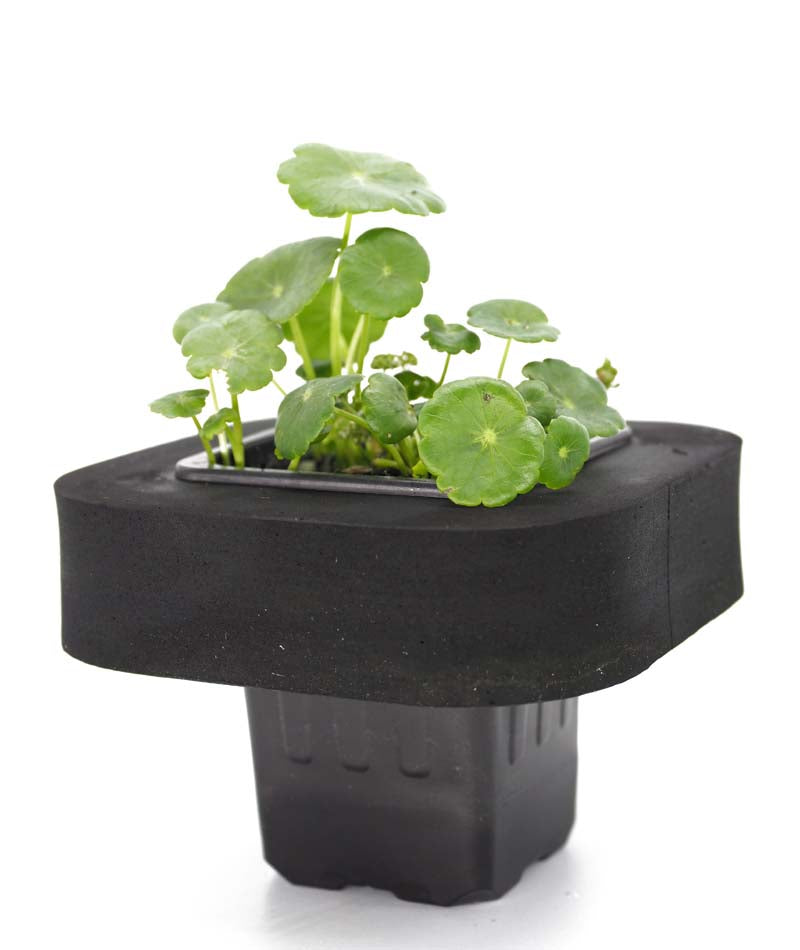
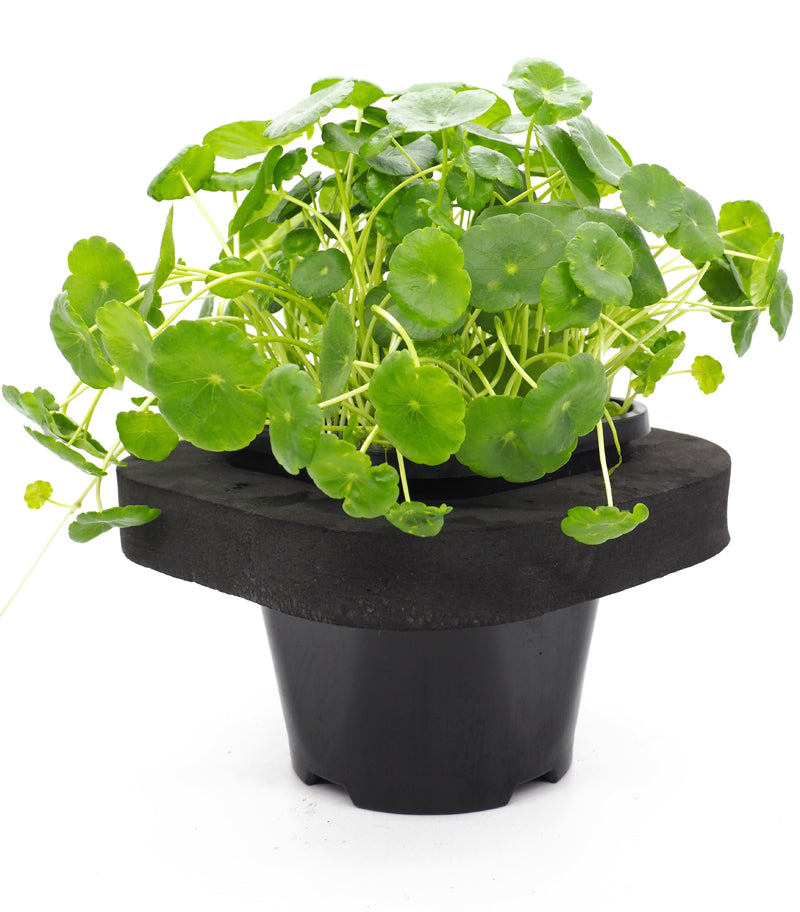
Shield Pennywort (Hydrocotyle sibthorpioides) is a versatile Australian pond plant that forms a dense, creeping mat of distinctive little umbrella-shaped leaves. Its shiny green foliage has a slightly ruffled edge, creating an attractive ground cover around the pond or across shallow areas of the water.
This perennial aquatic plant can grow submerged to approximately 10cm deep or spread through the damp and boggy margins of your pond. Its creeping growth habit makes it particularly useful for softening pond edges and creating natural habitat for frogs, fish and fry.
Shield Pennywort is relatively slow growing, so providing it with suitable aquatic fertiliser can help encourage healthy, vigorous growth.
Why you'll love Shield Pennywort
- Australian native pond plant
- Distinctive umbrella-shaped green leaves
- Forms attractive, dense creeping ground cover
- Can grow submerged or in damp, boggy soil
- Suitable for full sun to part shade
- Can be grown in water up to approximately 10cm deep
- Excellent cover for frogs, fish and fry
- Ideal for pond edges and bog gardens
- Produces small white flowers
- Continues spreading through runners
- Low-growing, reaching approximately 10cm high
- Perennial plant
- Suitable for both small and large water gardens
Where to grow Shield Pennywort
Shield Pennywort is particularly useful around the edge of the pond, where it can grow through damp or boggy soil and create a natural green carpet.
It can also be grown submerged to approximately 10cm deep, where its creeping foliage provides cover for frogs, fish and young fish (fry).
Shield Pennywort grows well in part shade, but can also tolerate full sun. Keeping the growing conditions consistently moist will help it establish and spread.
Shield Pennywort as a pond ground cover
One of the most appealing features of Shield Pennywort is its creeping growth habit. Rather than growing into a large upright plant, it sends out runners that gradually spread across the growing area.
Given suitable conditions, it can continue spreading to create dense ground cover around the pond. This makes it especially useful for softening hard pond edges and creating a more natural transition between the water and surrounding garden.
Shield Pennywort for frogs and fish
When grown submerged, Shield Pennywort can create a low layer of vegetation that provides cover and shelter for frogs, fish and fry.
For a wildlife-friendly water garden, combine it with taller marginal plants and floating plants to create several layers of habitat.
Feeding Shield Pennywort
Shield Pennywort can be relatively slow growing, particularly while it is establishing. Regular feeding with a suitable aquatic fertiliser can encourage healthy growth.
We recommend Pond Plantz Time Release Fertilizer. Follow the product directions when applying fertiliser to your pond plants.
Shield Pennywort Plant Information
Plant type: Perennial aquatic pond plant
Botanical name: Hydrocotyle sibthorpioides
Origin: Australia
Position: Full sun to part shade
Flowers: Small white flowers
Water depth: Up to approximately 10cm
Height: Approximately 10cm
Width: Spreading/continually expanding through runners
Foliage: Grows above the water line
Growth habit: Creeping ground cover
Oxygenating: No
Edible: No
Best for: Pond margins, boggy areas, shallow water, frog habitat and fish and fry cover
Learn more about Shield Pennywort
Want to know more about growing this unusual pond plant?
Read our guide: The Ultimate Guide to Growing Shield Pennywort Hydrocotyle sibthorpioides in Your Pond: Tips, Tricks, and Benefits.
Looking for more pond plants? Explore our range of Pond Plants Online and find plants for pond edges, bog gardens, shallow water, wildlife habitat and floating cover.


Lepironia articulata (Grey Rush)
Perennial
Position: Full sun
Flowers: Small cigar shaped brown flowers
Submersible: Once established, can be submerged to 30cm
Height: 2-3m
Origin: Australia
Cover: Ideal habitat for native frogs
Filter plant: Yes
Edible: Yes, the rhizomes can be eaten
Lepironia articulata, also known as Cigar Rush, is a versatile and tough pond plant. With its blueish grey foliage and cigar-like flowering pods, it adds a unique aesthetic to any pond. Its minimal maintenance requirement and ability to thrive in variable conditions make it a great choice for large plantings. Additionally, it serves as a beneficial habitat plant for aquatic creatures including native frogs. Thriving in any soil type, this native plant grows 2-3m in height and width. Makes an ideal plant for areas that need soil stabilising, dams and natural water inlets.
Learn more about growing rushes in Australia here: Exploring the Numerous Benefits of Reeds, Grasses, and Rushes in Your Pond or Dam


The Pond One Pondmaster 1800 Fountain Pump is a compact, quiet and versatile pond and water feature pump designed to provide reliable water movement for a wide range of applications. It’s ideal for small ponds, fountains, cascades, waterfalls, decorative ornaments and water features, as well as aquariums, hydroponic systems and irrigation applications.
Fully submersible and easy to install, the Pondmaster 1800 is suitable for both indoor and outdoor use. It comes with a generous 10 metre cable, giving you plenty of flexibility when positioning the pump, and includes three interchangeable fountain heads so you can create different decorative water effects.
Whether you're adding a fountain to a pond, creating a small waterfall or simply looking for reliable water circulation, the Pondmaster 1800 is a practical and versatile choice.
Pondmaster 1800 – Ideal For
- Small ponds
- Indoor and outdoor water features
- Fountains and decorative water features
- Cascades and small waterfalls
- Fountains and statues
- Wall fountains and small ornaments
- Freshwater aquariums
- Saltwater aquariums
- Hydroponic systems
- Irrigation applications
Create Different Fountain Effects
The Pondmaster 1800 includes three interchangeable fountain heads, giving you the flexibility to change the appearance of your water feature and create different decorative spray patterns.
Use the fountain heads to create an attractive display in your pond or water feature, or remove them when you need the pump for water circulation, a cascade or other application.
Compact & Fully Submersible
The Pondmaster 1800 is a fully submersible pump, making installation simple and convenient. Position the pump underwater and connect it to your chosen fountain head, tubing or water feature.
Its compact design makes it particularly useful for smaller water features, ponds, aquariums and other applications where space is limited.
Quiet & Efficient Water Feature Pump
Designed for dependable water movement, the Pondmaster 1800 provides quiet and efficient operation for indoor and outdoor applications.
Regularly checking your pump and keeping it free from debris will help maintain good water flow and reliable performance.
10 Metre Cable for Flexible Installation
The generous 10 metre cable makes it easier to position the Pondmaster 1800 where you need it, giving you greater flexibility when setting up your pond, fountain or water feature.
Pond One Pondmaster 1800 Features
- Pump type: Fully submersible
- Fountain heads: 3 interchangeable fountain heads included
- Cable length: 10m
- Use: Indoor and outdoor
- Applications: Ponds, fountains, waterfalls, aquariums, hydroponics and irrigation
- Design: Compact and efficient
- Operation: Quiet water movement
Choosing the Right Pond Pump
When choosing a pond pump, it's important to consider what you want the pump to do. A pump used to create a fountain may have different requirements to one powering a waterfall or simply circulating water around a pond.
You'll also need to consider the height the water needs to be lifted, the size and type of your water feature and the amount of water movement required.
If you're unsure which pond pump or fountain pump is right for your setup, contact our team at We Know Water Gardens. We can help you choose a pump based on your pond and water feature requirements. Whether you're setting up a new water garden or replacing an existing pump, we're here to help you get the water moving.
Pond One Pondmaster 1800 – a compact, fully submersible pond and fountain pump for small ponds, water features, waterfalls and water circulation.


Gardners Garters (Phalaris arundinacea) is an elegant perennial pond plant that brings height, structure and seasonal colour to your water garden. Its long, graceful foliage sways gently in the breeze, creating movement around the pond and a lush, natural feel.
One of its most striking features appears during the colder months, when the foliage can change to beautiful shades of soft pink and green. This seasonal colour is why it is sometimes known as ‘Strawberries and Cream’.
Gardners Garters is an excellent feature plant for pond margins and provides valuable shelter and cover for frogs and other pond wildlife.
Why you'll love Gardners Garters
- Elegant, graceful pond grass
- Adds height and structure to the water garden
- Attractive foliage that moves gently in the breeze
- Can develop beautiful pink and green winter colouring
- Sometimes known as ‘Strawberries and Cream’
- Excellent cover and habitat for frogs
- Suitable for full sun to part shade
- Can grow to approximately 1m high
- Ideal as a feature plant around larger ponds
- Perennial and easy to grow
- Can be planted in groups for a dramatic display
Where to grow Gardners Garters
Gardners Garters is a versatile marginal plant that grows well in full sun to part shade.
It can be planted in approximately 5–10cm of water, making it particularly well suited to the shallow margins of ponds and water gardens.
When growing Gardners Garters in a floating pond ring, we recommend removing some of the taller foliage so the plant remains balanced and sits comfortably in the ring.
Gardners Garters for frogs and pond wildlife
The tall, dense foliage provides excellent shelter and cover for frogs, while also creating habitat around the pond for other small wildlife.
Planting several Gardners Garters together can create a dense area of vegetation that helps make your pond feel more natural and established.
Combine it with lower-growing pond plants and floating plants to create different levels of habitat around your water garden.
Seasonal colour
One of the special features of Gardners Garters is the way its foliage can change colour as the weather cools.
During winter, the foliage can develop attractive soft pink and green tones, adding colour and interest to the pond when many other plants are slowing down.
This seasonal transformation gives the plant an extra dimension and makes it an excellent choice for a pond that you want to look interesting throughout the year.
Gardners Garters Plant Information
Plant type: Perennial pond grass
Botanical name: Phalaris arundinacea
Common name: Gardners Garters
Also known as: ‘Strawberries and Cream’
Position: Full sun to part shade
Flowers: Small seed spike
Water depth: Approximately 5–10cm
Height: Up to approximately 100cm
Width: Up to approximately 60cm
Foliage: Grows above the water
Oxygenating: No
Edible: No
Best for: Pond margins, feature planting, frog habitat, wildlife ponds and adding height and structure
How to grow Gardners Garters
For the strongest visual impact, plant several plants together to create a natural clump.
Gardners Garters can be trimmed to control its height and maintain the shape you want. It performs well in both full sun and part shade and is particularly effective when used as a taller background plant behind lower-growing pond plants.
Looking for more pond plants to add height and structure? Explore our range of Pond Plants Online and discover Australian native plants, grasses, rushes, flowering plants and wildlife-friendly pond plants.

The Pond One ClearTec 18W Ultra Violet Clarifier is designed to effectively clear and eliminate green water in ponds and water gardens, providing crystal-clear water for a healthy aquatic environment. This powerful UVC clarifier uses ultraviolet light to neutralise algae spores, helping to control algae blooms and maintain water clarity throughout the year.
Features & Benefits
- Efficient green water control for ponds of various sizes
- UV-stabilised housing ensures durability for outdoor use
- Includes a generous 10m cable with remote ballast for flexible installation
- Rotatable outlet adapts to different pond setups
- Compatible with multiple hose sizes (25-37mm / 1"–1.5") for easy connection
Technical Specifications
- Length: 44 cm
- Diameter: 8.1 cm
- Wattage: 18W
- Max Flow Rate: 6000 L/hr
- Fittings (In & Out): 1" – 1.5" (25–37mm)
- Cable Length: 10m
Recommended Pond Sizes
- Low fish and plant load with limited sun exposure: up to 12,000L
- Average fish and plant load with moderate sun exposure: up to 9,000L
- High fish and plant load with extended sun exposure: up to 6,000L
Built for reliability and efficiency, the Pond One ClearTec 18W UVC Clarifier is an ideal choice for maintaining clear, healthy water in your pond or water garden.