Sign Up to a Healthy Pond
Search results
78 results
Search results
Australian Native | Perennial | Filter Plant | Frog Habitat
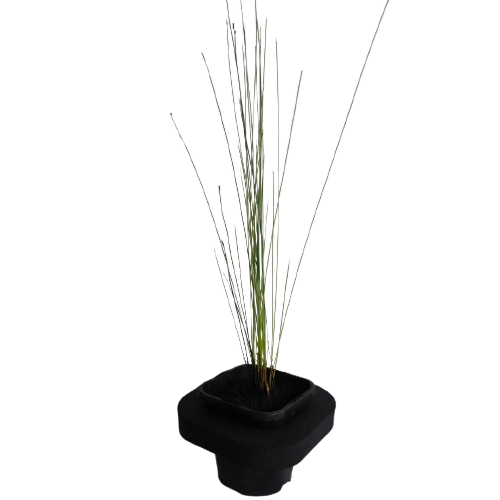
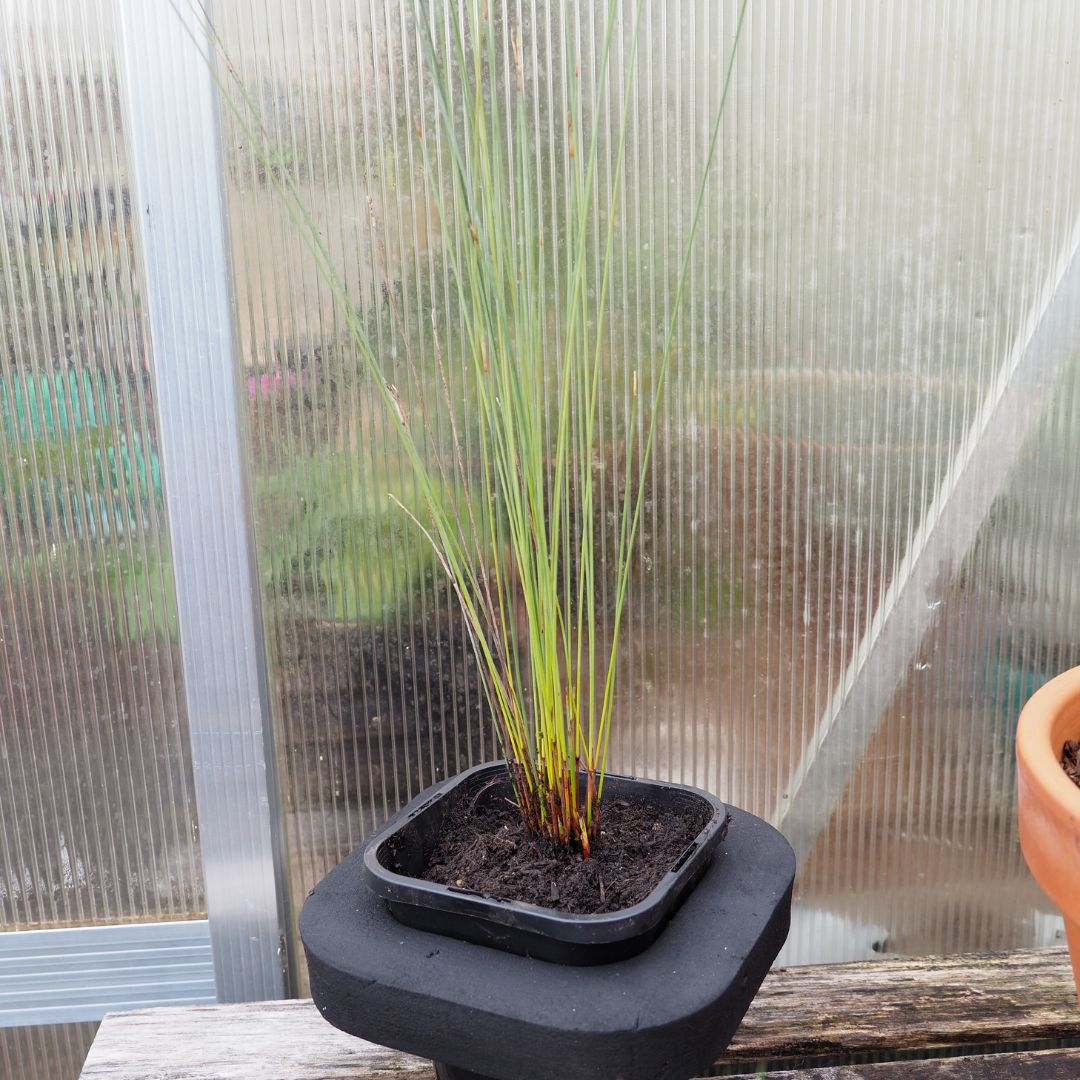
Bare Twig Rush (Baumea juncea) is a beautiful Australian native wetland plant with a distinctive upright and narrow growth habit. Its slender bluish-grey foliage adds texture and structure to the pond, while its reddish-brown flower spikelets provide seasonal interest from late spring into summer.
Growing to approximately 60cm–1m tall, Bare Twig Rush is an excellent choice for larger pond margins, dams, natural water areas and water inlets. Its strong, upright form works particularly well when planted in groups, creating a natural wetland effect while providing valuable habitat for native frogs.
As a filter plant, Bare Twig Rush is also a useful addition to ponds and wetland-style water gardens where plants can play an important role in taking up nutrients and helping support a healthy aquatic environment.
Why Grow Bare Twig Rush in Your Pond?
Bare Twig Rush combines form, habitat and function, making it a particularly useful Australian native pond plant.
Its upright, narrow foliage provides structure around the pond margin without creating a dense wall of vegetation. When planted in groups, the plants create a natural-looking wetland effect and provide excellent habitat for native frogs.
Bare Twig Rush is also well suited to areas where water moves into your pond, such as natural water inlets and drainage areas. Its strong root system and wetland growth habit make it useful for areas where soil stabilisation is required.
Bare Twig Rush Pond Plant Features
• Botanical name: Baumea juncea
• Common name: Bare Twig Rush
• Plant type: Perennial wetland plant
• Origin: Australia
• Position: Full sun to part shade
• Flowers: Reddish-brown spikelets
• Flowering period: Late spring into summer
• Water depth: Up to approximately 10cm when established
• Height: Approximately 60cm–1m
• Growth habit: Upright and narrow, with a mat-forming habit
• Foliage: Slender bluish-grey foliage
• Cover: Ideal habitat for native frogs
• Filter plant: Yes
• Edible: No
• Best suited to: Pond margins, dams, natural water areas and water inlets
Growing Bare Twig Rush
Bare Twig Rush is a hardy Australian native wetland plant that thrives in moist conditions.
Once established, it can tolerate being submerged to approximately 10cm deep, making it well suited to shallow pond margins and areas where water levels can fluctuate.
It can grow in a range of soil types and is particularly useful in natural water gardens, dams and wetland-style plantings.
With a mature height of approximately 60cm–1m, Bare Twig Rush is a good choice when you want to introduce height and structure around the edge of your pond.
Position
Bare Twig Rush grows well in full sun to part shade.
A sunny position will encourage strong, healthy growth, while part shade is also suitable.
When planting around a pond, consider its mature height and allow enough space for the plants to develop without overcrowding nearby pond plants.
Bare Twig Rush Flowers
From late spring into summer, Bare Twig Rush produces attractive reddish-brown spikelets amongst its slender foliage.
The flower spikelets provide subtle seasonal colour and contrast beautifully with the plant's bluish-grey foliage.
For the strongest visual impact, plant several Bare Twig Rush plants together to create a natural mass of upright foliage around the pond margin.
A Great Native Plant for Frogs
Bare Twig Rush is an excellent choice for creating frog-friendly pond habitat.
Its upright foliage provides shelter and structure around the water's edge, giving native frogs places to hide and move between the water and surrounding garden.
For an even more wildlife-friendly pond, combine Bare Twig Rush with lower-growing marginal plants and spreading plants that provide cover at different heights.
Bare Twig Rush as a Filter Plant
One of the most useful features of Bare Twig Rush is its role as a wetland filter plant.
Plants growing in and around water can take up nutrients as they grow, making them an important part of natural wetland systems.
Bare Twig Rush is particularly well suited to areas such as pond margins, dams and natural water inlets where its growth can contribute to a planted filtration zone.
For ponds where water quality is a priority, combine filter plants with oxygenating plants and other aquatic vegetation to create a diverse planting system.
Bare Twig Rush for Dams and Water Inlets
Bare Twig Rush isn't just suited to ornamental ponds.
Its natural wetland growth habit makes it an excellent choice for:
• Dams
• Natural water features
• Pond margins
• Water inlets
• Wetland gardens
• Boggy areas
• Soil stabilisation areas
• Wildlife ponds
Its upright growth and ability to tolerate wet conditions make it particularly useful for areas where you want to establish a more natural Australian wetland environment.
An Australian Native Pond Plant
Choosing Australian native plants is a great way to create a water garden that feels naturally suited to the local environment.
Bare Twig Rush provides habitat, structure and filtration, making it a valuable addition to a native pond planting scheme.
Combine it with other Australian native rushes, grasses and flowering pond plants to create layers of vegetation and increase the variety of habitat available around your pond.
Planting Bare Twig Rush in Your Water Garden
Bare Twig Rush is ideal for:
• Pond margins
• Shallow water
• Dams
• Natural ponds
• Wildlife ponds
• Water inlets
• Wetland gardens
• Boggy areas
• Areas requiring soil stabilisation
Plant it in groups for a stronger visual effect and to create a more substantial habitat zone for native frogs.
Add Bare Twig Rush to your pond for Australian native habitat, natural filtration, strong upright structure and beautiful reddish-brown seasonal flowers.

The Pond One Algae Block is an effective solution for controlling and preventing algae growth in ponds. Ideal for use as a preventative measure, when algae first appears, or immediately after cleaning an algae-infested pond, this treatment helps keep your water clear and your pond healthy.
It is most effective on new ponds or ponds that have been cleaned of existing algae loads. Algae can also be controlled by minimising the amount of feed given to fish, increasing the number of pond plants to a ratio of 3 plants per square metre of pond surface and increasing circulation in the water using a pond pump.
Treatment rate: 1 full block treats 800 litres for up to 2 weeks. The block can be quartered, and each quarter will treat 200 litres.
Features & Benefits
- Algae prevention & control – Best used before algae becomes established or after pond cleaning.
- Easy to use – Simply place the block in your pond for slow-release treatment.
- Maintains pond health – Helps keep water clear and free from unsightly green growth.
- Safe for fish – When used according to instructions.
- Versatile use – Suitable for ornamental ponds and water features.
Available Sizes
- Pond Algae Block 20g (95006)
- Pond Algae Block 20g – Bulk 50 Pack (95009)
- Pond Algae Block 4 Pack – 20g each (95011)
Maintain crystal clear pond water with Pond One Algae Block – the simple, effective way to prevent algae growth.

The Fabiola Hardy Water Lily (Nymphaea 'Fabiola') is a stunning hardy water lily prized for its elegant pink blooms and reliable flowering performance. Producing beautiful soft pink flowers that float gracefully above the water, Fabiola adds a romantic and timeless look to backyard ponds and water gardens.
Its attractive green lily pads provide valuable shade across the pond surface, helping create shelter for fish while contributing to a healthier pond ecosystem. With its classic colouring and dependable growth habit, Fabiola is a popular choice for gardeners wanting a traditional flowering water lily that performs well year after year.
Fabiola is well suited to small to medium-sized ponds, making it a versatile choice for many backyard water gardens. Like all hardy water lilies, it becomes dormant during the cooler months before returning in spring with fresh foliage and beautiful blooms throughout the warmer growing season.
For the best flowering display, plant Fabiola in a sunny position and feed regularly with aquatic fertiliser tablets during the growing season. With the right care, this hardy water lily will reward you with months of beautiful pink flowers.
Please Note: Water Lily Corms Supplied Only
This water lily is supplied as a dormant corm only, not as a potted plant.
Your water lily will arrive ready to plant into an aquatic basket using quality aquatic potting mix. Once planted and placed at the correct depth in your pond, it will establish roots and produce fresh leaves and flowers during the growing season.
Supplying water lilies as dormant corms allows us to send healthy plants safely and helps them establish naturally in their new environment. With the right planting depth, sunlight and fertiliser, your water lily will reward you with beautiful blooms season after season.
Quick Facts
Botanical Name: Nymphaea 'Fabiola'
Flower Colour: Soft pink
Flower Size: Medium
Suitable for: Small to medium ponds, backyard ponds and water gardens
Plant Spread: Approximately 90–120 cm
Planting Depth: Submerge 30–60 cm below the water surface
Sun Requirements: Flowers best in full sun (minimum 4–6 hours of direct sunlight daily)
Climate: Suitable for cold climates and returns each spring after winter dormancy
Flowering Season: Spring to autumn
Why We Recommend Fabiola
-
Beautiful soft pink flowers that complement any pond design.
-
Reliable flowering hardy water lily variety.
-
Ideal size for small to medium backyard ponds.
-
Provides shade and shelter for fish.
-
Easy to grow and suitable for beginner pond keepers.
-
Returns each year after winter dormancy.
Growing Tips
Plant Fabiola into a wide aquatic planting basket using heavy aquatic potting mix. Position the corm so the growing tip sits just above the soil surface and gradually lower the basket until it reaches a depth of 30–60 cm below the water surface.
For the best growth and flowering, place Fabiola in a sunny position where it receives at least 4–6 hours of direct sunlight daily. Regular feeding with aquatic fertiliser tablets during spring and summer will encourage strong foliage and continuous flowering.
Remove older leaves and spent flowers throughout the growing season to keep your water lily looking its best and encourage new growth.
During winter, Fabiola will naturally become dormant. Leave the corm in the pond and new growth will appear as water temperatures rise in spring.
Perfect For
-
Small backyard ponds
-
Medium-sized garden ponds
-
Courtyard water features
-
Fish ponds
-
Formal water gardens
-
Beginner pond keepers
Frequently Asked Questions
Is Fabiola a hardy water lily?
Yes. Fabiola is a hardy water lily that can tolerate cooler temperatures and naturally goes dormant during winter before returning in spring.
How much sunlight does Fabiola need?
Fabiola flowers best when planted in full sun with at least 4–6 hours of direct sunlight each day.
Can Fabiola be grown in a container pond?
Yes. Its moderate growth habit makes it suitable for smaller water gardens and container ponds, provided it has enough depth and sunlight.
When will my Fabiola water lily flower?
Flowering generally occurs from spring through autumn when the plant is actively growing and receives adequate sunlight and nutrients.
How is my Fabiola water lily supplied?
Fabiola is supplied as a dormant corm only. It is not supplied as a potted plant and will need to be planted into an aquatic basket before being placed in your pond.
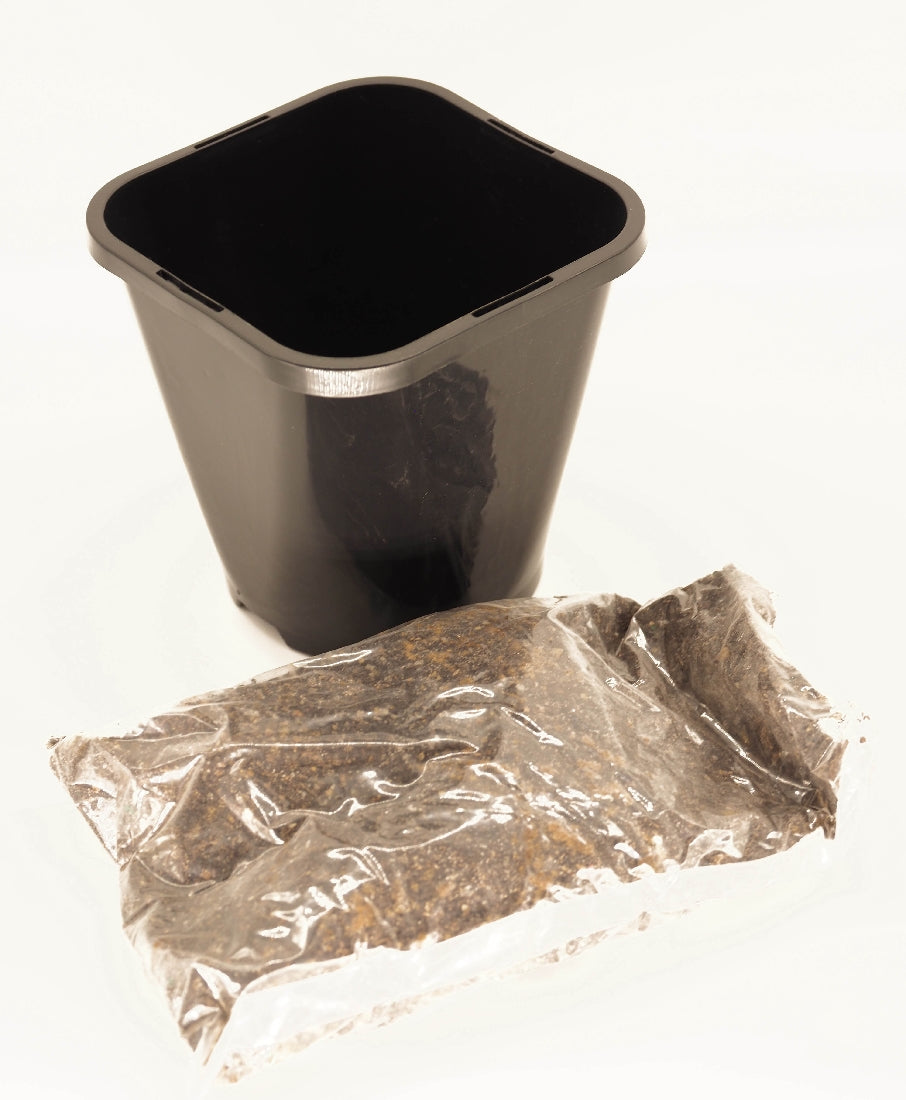
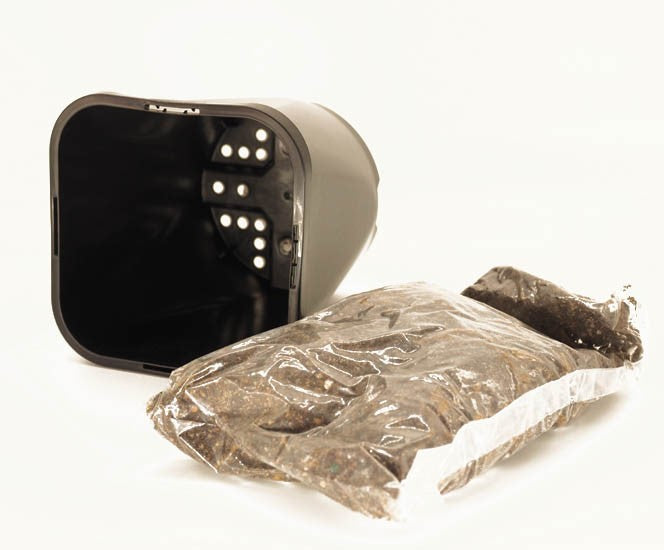
Ready to give your pond plants a little more room to grow? Our Pond Plant Repotting Kit includes everything you need to move a 7cm potted aquatic plant into a larger 12cm pot and give it fresh, nutrient-rich growing media.
As pond plants establish and grow, they can eventually outgrow their original pot. Repotting into a larger container gives the roots more space and provides fresh nutrients to support healthy new growth.
What's Included?
-
1 x 12cm aquatic plant pot
-
Premium aquatic plant potting mix
The potting mix has been specifically selected for growing aquatic and pond plants and contains a combination of peat, sand and fertiliser to provide a suitable growing environment for your plant's roots.
Ideal for Repotting Pond Plants
This kit is ideal for most of our potted pond plants, particularly when a plant originally supplied in a 7cm pot has become established and needs more room.
A 12cm pot provides additional growing space while remaining a manageable size for placing in your pond or water garden.
How to Repot Your Pond Plant
-
Carefully remove the established plant from its original pot.
-
Place some of the aquatic plant potting mix into the 12cm pot.
-
Position the plant in the centre of the new pot.
-
Fill around the roots with the remaining potting mix and gently firm it into place.
-
Give the newly potted plant a thorough soak before placing it back into the pond.
-
Position the plant at the appropriate depth for its particular species.
Soaking the newly repotted plant before placing it into your pond helps settle the soil around the roots and reduces loose potting mix entering your pond.
When Should You Repot a Pond Plant?
Repotting is generally useful when a plant has become crowded in its existing pot, roots are filling the container or the plant has outgrown its original 7cm pot.
Moving an established plant into a 12cm pot gives it more room for root development and fresh growing media to support continued growth.
Please note: Different aquatic plants have different planting depths and growing requirements. Always check the individual plant's care instructions before placing your newly repotted plant into the pond.
Give your established pond plants room to grow with our Pond Plant Repotting Kit, conveniently supplied with a 12cm aquatic plant pot and premium pond plant potting mix.

Hardy Water Lily | Pink Flowers | Corm Only | Suitable for Cold Climates
Bring beautiful pink water lily flowers to your pond with our generic Pink Hardy Water Lily corms. These hardy water lilies are a great choice for pond owners who want the beauty of a flowering water lily without needing a specific named variety.
Hardy water lilies are a classic choice for water gardens, producing attractive flowers that are held above the water line, creating a beautiful feature across the surface of your pond.
Our generic pink water lilies are suitable for small to medium-sized ponds and perform best when grown in full sun. They are also well suited to colder climates, making them an excellent choice for Australian ponds where winter temperatures can drop significantly.
Please note that these are generic pink water lilies, so the exact shade, flower shape, size and characteristics may vary. The product image is a guide only.
Why Grow a Pink Hardy Water Lily?
Water lilies are one of the most popular flowering pond plants for good reason. Their large floating leaves and beautiful flowers instantly transform the appearance of a pond.
A pink hardy water lily can provide:
• Beautiful pink flowers above the water
• Attractive floating foliage
• Shade across the surface of the pond
• A natural focal point for your water garden
• Shelter and cover for fish and other pond life
• Seasonal colour throughout the warmer months
Because this is a generic pink variety, it is also an affordable way to add a flowering water lily to your pond when a particular named cultivar isn't important.
Pink Hardy Water Lily Features
• Plant type: Hardy perennial water lily
• Flower colour: Pink
• Product supplied: Dormant corm only
• Position: Full sun
• Flowering: Flowers held above the water line
• Planting depth: Approximately 30–60cm
• Suitable pond size: Small to medium ponds
• Climate: Suitable for cold climates
• Foliage: Floating water lily leaves
• Variety: Generic pink water lily
• Important: Exact flower colour, form and size may vary
• Image: Product image is a guide only
Growing Pink Hardy Water Lilies
Hardy water lilies are perennial aquatic plants that spend much of their growing season producing leaves and flowers across the surface of the pond.
For the best flowering performance, position your water lily where it will receive plenty of direct sunlight.
As the plant establishes, its foliage will spread across the surface of the water, while flowers rise above the water line to create an eye-catching display.
A water lily also adds another layer of habitat to your pond. The leaves provide shade and shelter for fish and other aquatic life beneath the surface.
Position
For the best results, plant your Pink Hardy Water Lily in full sun.
Water lilies need good sunlight to produce strong growth and flowers, so avoid heavily shaded areas if flowering is a priority.
A position receiving several hours of direct sunlight each day will give your water lily the best opportunity to thrive and produce flowers throughout the warmer growing season.
Planting Depth
Pink Hardy Water Lilies are best positioned at approximately 30–60cm below the water surface.
When planting a dormant corm, take care to position it correctly in an aquatic planting basket using suitable aquatic soil.
As the plant establishes, it will develop foliage that reaches the surface and produces flowers above the water.
If your pond is deeper than the recommended planting depth, you can initially position the basket at a shallower level and gradually lower it as the plant develops.
Pink Flowers Above the Water
One of the defining features of a hardy water lily is its beautiful flowers, which are held above the surface of the water.
Our Pink Hardy Water Lily is supplied as a generic pink corm, so the exact shade and flower characteristics can vary from plant to plant.
This makes each plant a little different, and is ideal for customers who simply want a beautiful pink flowering water lily rather than a specific named cultivar.
Please note: Our pink hardy water lilies are generic and may differ in flower colour, shape and appearance. The product image is a guide only.
Suitable for Cold Climates
Hardy water lilies are an excellent choice for ponds in colder climates.
Unlike tropical water lilies, hardy varieties are suited to seasonal changes and can remain dormant during colder periods before returning to active growth as temperatures rise.
This makes them particularly suitable for Australian gardens that experience cool winters and frost.
Planting Your Pink Hardy Water Lily Corm
For best results:
• Plant the dormant corm in a suitable aquatic planting basket
• Use aquatic soil designed for water plants
• Position the growing point correctly when planting
• Place the basket approximately 30–60cm below the water surface
• Position the plant in full sun for the best flowering
• Allow space for the leaves to spread across the pond surface
• Keep the water lily well watered during establishment
Once established, your water lily will gradually produce leaves and flowers across the surface of the pond.
Feeding Your Hardy Water Lily
Water lilies are heavy-growing flowering plants and benefit from regular feeding during the growing season.
Use a slow-release aquatic fertiliser tablet designed specifically for water lilies and aquatic plants. Push the tablet into the aquatic soil around the plant's root zone, following the manufacturer's recommended application rate.
Avoid adding fertiliser directly to the pond water, as excess nutrients can encourage unwanted algae growth.
A Beautiful Pink Addition to Your Pond
A Pink Hardy Water Lily is a wonderful way to create a classic water garden look, with attractive floating foliage and beautiful flowers rising above the water.
Our generic pink corms are an excellent choice for small to medium-sized ponds, particularly when you want a beautiful flowering water lily without needing a specific named variety.
Add a Pink Hardy Water Lily to your pond and enjoy beautiful seasonal flowers, floating foliage and a classic water garden feature — all from a dormant corm.
Important Variety Information
Our Pink Hardy Water Lilies are generic pink water lilies and are not supplied as a specific named cultivar.
Individual plants may vary in:
• Shade of pink
• Flower size
• Flower shape
• Leaf size
• Overall growth characteristics
The product image is a guide only and does not represent an exact flowering specimen.


Keep your pond water looking clean, clear and healthy with PondMAX 3 in 1 Solutions. This convenient pond water treatment is designed to help maintain water quality and make regular pond care simple.
The 500ml bottle is ideal for routine pond maintenance and can be used as part of a regular water-care program to help create a healthy environment for pond plants, fish and other aquatic life.
Why use PondMAX 3 in 1 Solutions?
- Convenient 3-in-1 pond water treatment
- Helps maintain healthy pond water
- Easy to add to your regular pond maintenance routine
- Suitable for home ponds and water features
- Helps support a clean and healthy aquatic environment
- Convenient 500ml bottle
Pond Water Treatment
Maintaining good water quality is an important part of keeping a healthy pond. Regular water care, together with appropriate filtration, aeration, water movement and a good selection of pond plants, can help create a balanced environment for fish and aquatic life.
PondMAX 3 in 1 Solutions can be incorporated into your regular pond maintenance routine alongside your pond filtration system and other water-care products.
How to Use
Always follow the dosing instructions and precautions on the product label for your particular pond size and application.
For best results, ensure your pond has adequate filtration and water circulation and regularly monitor water quality.
Product Information
Brand: PondMAX
Product: 3 in 1 Solutions
Size: 500ml
Use: Pond water treatment and maintenance
Suitable for: Ponds and water features

Limnophila sessiliflora exhibits soft, fluffy, bright green foliage.
- Easy to grow and undemanding
- Grows well in low light with no CO2 injection
- Height: 40cm
- Dose liquid fertiliser for best growth, as the plant obtains most of its nutrients from the water column
Can also be used in ponds in climates where the temperature does not fall below 15 degrees.

Add a hardy, fast-growing floating plant to your pond or aquarium with our live Duckweed (Lemnoideae), supplied in a generous 50ml portion. Duckweed forms a lush green carpet across the water's surface and is a favourite among Australian water gardeners for its low-maintenance nature and impressive benefits.
Duckweed is a natural workhorse for any water feature. It absorbs excess nutrients such as nitrates and phosphates directly from the water, helping to starve out unwanted algae and keep your pond clear and balanced. Its dense surface cover also provides valuable shade, reducing water temperature and offering shelter for fish, frogs and other pond life.
Rich in protein, duckweed doubles as a nutritious, natural food source for goldfish, koi, native fish, ducks and turtles. It multiplies rapidly in warm, sunny conditions, so a small starter portion quickly establishes into a thriving colony.
Good to know! Duckweed (Lemnoideae) is native to Australia and is classified as a native aquatic plant rather than an invasive weed.
Why choose our Duckweed (Lemnoideae)
- Natural pond filtration that reduces nitrates and phosphates
- Helps control and suppress algae growth
- Provides shade, shelter and cooler water for fish and wildlife
- A protein-rich, natural food for fish, ducks and turtles
- Fast-growing, hardy and extremely easy to care for
- Ideal for ponds, water gardens, aquariums and aquaponics setups
Care tips: Simply float the duckweed on the surface of still or slow-moving water in a sunny to partly shaded position. It requires no planting or substrate and will spread naturally. Thin it out periodically to maintain your desired coverage.
Backed by the team at We Know Water Gardens, your live duckweed is carefully packaged and delivered across Australia.

The soil contains a combination of peat, sand, and fertiliser to ensure your newly potted plant grows and thrives quickly.
After repotting, a fine layer of gravel should be use to cover the soil and to prevent the mix washing out of the pot, the plant should be soaked prior to placing it into the pond to allow any air from the mix to escape. The kit also includes a floating ring so you can get your new plant at the right height until it roots into the soil. Using the floating ring with your pond plants allows the roots from the water plant to trail into the water allowing them to attract small micro particles and absorb nutrient from the water.


Swamp Goodenia (Goodenia humilis) is a beautiful Australian native pond plant that forms a low-growing, spreading mat across moist and boggy areas of the water garden. Its soft, slightly hairy green foliage creates attractive ground cover, while clusters of bright yellow flowers add a splash of colour during the warmer months.
The species name humilis means low-growing, which perfectly describes this carpeting plant. When grown in a floating pond ring, Swamp Goodenia can spread across the water surface, creating natural cover and shelter for fish, tadpoles and frogs.
Why you'll love Swamp Goodenia
- Australian native pond plant
- Low-growing, carpeting growth habit
- Produces beautiful bright yellow flowers
- Thrives in moist and boggy conditions
- Suitable for part shade to full sun
- Can be grown in water up to approximately 10cm deep
- Excellent surface cover when grown in a floating pond ring
- Provides shelter for fish, tadpoles and frogs
- Soft, slightly hairy green foliage
- Ideal for pond edges, bog gardens and water bowls
- Great for adding colour without adding excessive height
Where to grow Swamp Goodenia
Swamp Goodenia naturally thrives in continuously moist or boggy conditions, making it particularly well suited to the margins of ponds and water gardens.
It can grow in part shade through to full sun and can tolerate water up to approximately 10cm deep.
For an attractive spreading display, Swamp Goodenia can also be grown in a floating pond ring, where its mat-forming growth spreads across the surface of the water.
Bright yellow flowers
One of the best features of Swamp Goodenia is its cheerful bright yellow flowers.
During the warmer periods of the year, clusters of yellow flowers appear along the plant's distinctive zig-zagging stems, creating a striking contrast against the soft green foliage.
The flowers make Swamp Goodenia an excellent choice if you want to add colour to the surface or margins of your pond while maintaining a natural, low-growing appearance.
Swamp Goodenia for frogs, fish and tadpoles
The dense, carpeting growth of Swamp Goodenia provides valuable cover and protection for pond wildlife.
When grown across the surface in a floating ring, the mat of foliage creates sheltered areas where fish, tadpoles and frogs can hide.
For an even more wildlife-friendly pond, combine Swamp Goodenia with taller marginal plants and other floating and submerged plants to create different layers of habitat.
Swamp Goodenia Plant Information
Plant type: Perennial aquatic pond plant
Botanical name: Goodenia humilis
Common name: Swamp Goodenia
Origin: Australia
Position: Part shade to full sun
Flowers: Bright yellow
Water depth: Up to approximately 10cm
Foliage: Soft, slightly hairy green leaves
Growth habit: Low-growing, spreading mat
Oxygenating: No
Best for: Pond margins, bog gardens, floating rings, surface cover, frog habitat and wildlife ponds
Grow Swamp Goodenia in a floating pond ring
Swamp Goodenia is particularly well suited to our floating pond rings. As it grows, its stems and foliage spread naturally across the surface of the pond, creating an attractive green mat.
The floating ring also makes it easy to position the plant where you want it and contain its spreading growth.
Looking for more Australian native pond plants? Explore our range of Pond Plants Online and discover native, flowering, floating, oxygenating and habitat plants for your water garden.
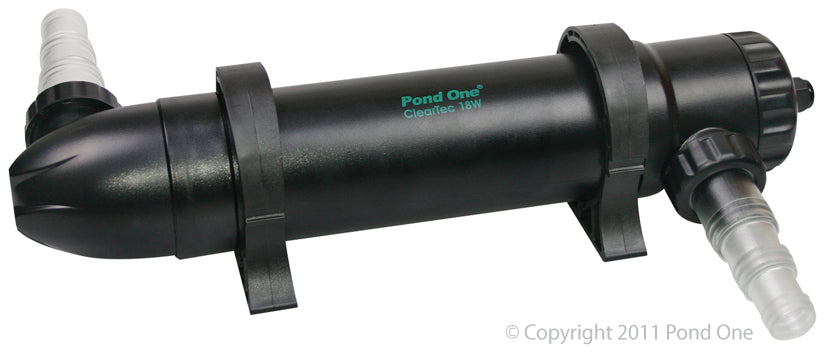
Effectively clear and eliminate green water in small fish ponds with the Pond One ClearTec 5W Ultra Violet Clarifier. Designed for outdoor use, this compact UVC clarifier uses powerful UV sterilization to control algae growth and improve pond water clarity.
Features & Benefits
- UV-stabilised for long-lasting outdoor durability
- Includes a generous 10-metre cable with remote ballast for flexible installation
- Suitable for a variety of hose sizes (13-32mm / 1/2"–1 1/4")
- Rotatable outlet for easy setup and adjustment to your pond’s layout
Technical Specifications
- Length: 35.5 cm
- Diameter: 8.1 cm
- Wattage: 5W
- Max Flow Rate: 1,000 L/hr
- Fittings (In & Out): 1/2" – 1 1/4" (13–32mm)
- Cable Length: 10 m
Recommended Pond Sizes
- Low fish and plant load, limited sun exposure: up to 2,000L
- Average fish and plant load, moderate sun exposure: up to 1,500L
- High fish and plant load, extended sun exposure: up to 1,000L
The Pond One ClearTec 5W UVC Clarifier is an ideal choice for smaller ponds, water gardens, and aquariums to maintain clear, healthy water year-round.


Australian Native | Perennial | White Flowers | Excellent Cover Plant
Selliera (Selliera radicans) is a beautiful Australian native water plant with small fleshy leaves and delicate white flowers. Its dense, mat-forming growth makes it an excellent choice for adding lush greenery and natural habitat to ponds, water bowls and wet areas.
Unlike many traditional pond plants, Selliera is best grown moist rather than permanently submerged. When placed in a floating pond plant ring, it can spread naturally across the water's surface while keeping its foliage above the water.
It is also particularly well suited to wet and flood-prone areas, making it a useful plant for gardens where the soil stays consistently damp.
Why Grow Selliera in Your Pond?
Selliera is a versatile native plant that combines attractive foliage with useful habitat value.
Its low-growing, mat-forming habit makes it ideal for creating a dense carpet of greenery, while its delicate white flowers add seasonal interest.
When grown in a floating pond plant ring, Selliera provides excellent cover close to the water's surface. Its dense foliage can create shelter for small fish, frogs and other pond life.
It can also be used around the edges of a pond or in naturally damp areas of the garden, where its spreading habit helps soften the transition between the pond and surrounding landscape.
Selliera Pond Plant Features
• Botanical name: Selliera radicans
• Common name: Selliera
• Plant type: Perennial water plant
• Origin: Australia
• Position: Part shade to full sun
• Flowers: Small white flowers
• Foliage: Small, fleshy leaves with upright growth
• Growth habit: Dense and mat forming
• Water requirements: Best kept moist rather than permanently submerged
• Cover: Excellent cover when grown in a floating pond plant ring
• Oxygenator: No
• Best suited to: Floating pond plant rings, pond margins, wet areas and flood-prone areas
Growing Selliera
Selliera is naturally suited to moist and wet environments, making it an excellent choice for water gardens and areas where other garden plants may struggle with consistently damp conditions.
For pond use, Selliera performs particularly well when grown in a floating pond plant ring. The ring keeps the plant at the water's surface while allowing its roots to remain moist and its foliage to grow above the water.
As it grows, Selliera can spread to form a dense mat, creating an attractive layer of low-growing vegetation around the pond.
Position
Selliera is adaptable and can be grown in part shade through to full sun.
It is a particularly useful choice for ponds and gardens where conditions change throughout the day.
In hotter climates, some afternoon shade can help prevent the foliage from drying out, while a sunny position can encourage strong growth and flowering.
The key to growing Selliera successfully is keeping the plant consistently moist, particularly when it is grown outside the pond environment.
Selliera's White Flowers
One of the most attractive features of Selliera is its delicate white flowers.
The small flowers stand out against the green foliage and provide a subtle splash of colour around the pond.
For a naturalistic water garden, combine Selliera with other Australian native pond plants, grasses, rushes and flowering marginals to create different layers of foliage and habitat.
Excellent Cover for Fish & Pond Life
Selliera's dense, mat-forming growth makes it an excellent cover plant for ponds.
When grown in a floating pond plant ring, the foliage spreads around the water's surface, creating shelter close to the top of the pond.
This can be particularly beneficial in wildlife ponds and ponds containing small fish, frogs and other aquatic creatures.
The dense foliage also adds structure to the pond environment, helping to create a more natural-looking habitat rather than leaving large areas of open water.
Selliera for Wet & Flood-Prone Areas
Selliera is especially useful for gardens with wet, boggy or flood-prone conditions.
Its natural preference for consistently moist environments makes it a great choice for areas where water collects or where the soil remains damp for extended periods.
Use it around ponds, bog gardens, drainage areas and other naturally wet parts of the garden where a low-growing native plant is needed.
Its spreading growth can also help soften the appearance of pond edges and create a more natural transition between water and garden.
Is Selliera an Oxygenating Plant?
Selliera is not an oxygenating pond plant.
Although it grows in association with water and contributes to the overall planted pond environment, it should not be relied upon to provide underwater oxygenation.
For a healthy, balanced pond, combine Selliera with dedicated oxygenating plants if you need additional underwater oxygen production.
Planting Selliera in Your Water Garden
Selliera is particularly well suited to:
• Floating pond plant rings
• Pond margins
• Wet garden areas
• Boggy areas
• Flood-prone areas
• Wildlife ponds
• Frog ponds
• Water bowls
• Creating low-growing pond cover
When using a floating pond plant ring, position the Selliera so that it remains moist with its foliage above the water. Allow the plant room to spread naturally as it establishes.
For a more diverse pond ecosystem, combine Selliera with taller marginal plants and dedicated oxygenators to create different levels of habitat.
Feeding Selliera
For healthy growth, Selliera benefits from nutrients available within its growing medium.
During the active growing season, a suitable slow-release aquatic fertiliser tablet can be used according to the manufacturer's instructions.
Avoid excessive fertilisation, particularly in smaller ponds, as excess nutrients can contribute to unwanted algae growth.
Add an Australian Native to Your Pond
Selliera is a fantastic choice if you're looking for an Australian native pond plant with attractive foliage, delicate white flowers and excellent cover value.
Its ability to thrive in moist conditions and its dense, mat-forming growth make it particularly useful for floating pond plant rings, pond margins, frog ponds and wet areas of the garden.
Add Selliera to your water garden for beautiful native greenery, delicate white flowers and valuable cover for pond life.


Perennial | Edible Corms | Aquatic Sedge | Full Sun | Container Friendly
Grow your own Water Chestnuts at home with this fascinating edible aquatic plant. Eleocharis dulcis is a tropical member of the sedge family that naturally grows in shallow water and wet margins.
Unlike many edible water plants where the leaves or stems are harvested, Water Chestnuts are grown for their underground edible corms. These can grow to around 4cm in diameter and develop a crisp, crunchy texture with a delicate, subtly sweet flavour often described as nutty or coconut-like.
Water Chestnut can be grown in a traditional pond or in a sealed container, making it an interesting addition to an edible water garden. Under suitable growing conditions, it can be a productive crop, with harvest generally taking around 6–8 months, depending on climate and growing conditions.
Important: Water Chestnuts must be planted into the substrate of the pond or a sealed pot and grown submerged. The floating pond plant ring is not included with this plant.
Why Grow Water Chestnut in Your Pond?
Water Chestnut is an unusual and rewarding pond plant for anyone who wants to combine water gardening with growing edible produce.
• Produces edible underground corms
• Attractive tall, grass-like aquatic foliage
• Can grow up to 1 metre tall
• Suitable for ponds or sealed containers
• Can be a productive cropping plant under suitable conditions
• Ideal for full-sun water gardens
• Can be harvested as the foliage dies back
• A fascinating addition to an edible pond or water garden
Water Chestnut Pond Plant Features
• Botanical name: Eleocharis dulcis
• Common name: Water Chestnut
• Plant type: Perennial aquatic sedge
• Position: Full sun
• Planting: Directly into pond substrate or a sealed pot
• Water depth: Approximately 2.5–10cm above the crown of the plant
• Height: Up to 1m
• Edible: Yes – underground corms
• Harvest: Approximately 6–8 months, depending on climatic conditions
• Feeding: Monthly during the growing season
• Floating pond plant ring: Not included
• Best suited to: Shallow ponds, edible water gardens and sealed aquatic containers
Growing Water Chestnut
Water Chestnut is a warm-season aquatic plant that grows best when planted directly into a suitable substrate and kept consistently wet.
Plant into the substrate of your pond or use a sealed pot or container that can hold water. The crown of the plant should remain at the appropriate shallow depth, with approximately 2.5–10cm of water above the crown.
Choose a position with plenty of sunlight. Water Chestnut is a vigorous grower when provided with warm conditions, adequate water and regular feeding.
Because the plant needs to be planted into the substrate and remain submerged, it is not suitable for growing in a floating pond plant ring.
Position
Water Chestnut performs best in full sun.
A sunny position is important for strong growth and successful corm development. Choose a location that receives plenty of direct sunlight throughout the growing season.
It is particularly well suited to shallow areas of ponds, purpose-built edible water gardens and sealed containers where its growing conditions can be controlled.
Water Chestnut Foliage
Water Chestnut produces tall, slender, upright foliage typical of an aquatic sedge.
The foliage can reach up to 1 metre in height, creating an attractive vertical element in the pond. It can also provide structure and shelter for small pond inhabitants while the plant is actively growing.
As the growing season comes to an end, the foliage will naturally begin to die back. This is an important stage in the Water Chestnut growing cycle and signals that the underground corms may be ready for harvesting.
Growing Water Chestnuts for Food
The edible part of the Water Chestnut is the underground corm, rather than the foliage.
Corms can reach approximately 4cm in diameter under suitable growing conditions. Once harvested and peeled, they have a crisp, crunchy texture and a delicate sweet flavour.
Fresh Water Chestnuts can be:
• Peeled and sliced for stir-fries
• Added fresh to salads
• Used in a variety of Asian-inspired dishes
• Cooked as part of vegetable dishes
• Enjoyed for their distinctive crunchy texture
Always ensure the corms are thoroughly cleaned and prepared appropriately before eating.
Harvesting Water Chestnuts
Water Chestnuts typically take around 6–8 months to mature, although harvesting time will vary according to climate, growing conditions and the length of the growing season.
The easiest time to harvest is as the foliage begins to die down at the end of the growing season.
Carefully remove the plant from its growing container or pond substrate and harvest the mature underground corms. Peel and wash the corms before preparing them for eating.
Water Chestnut Nutrition
Water Chestnuts are naturally low in fat and provide dietary fibre, potassium and vitamin C. Their crisp texture and mild flavour make them a versatile addition to a balanced diet.
As with any edible plant, harvest and prepare the corms correctly before consumption.
Feeding Water Chestnut
Water Chestnut is a hungry grower and benefits from regular feeding during its active growing period.
Feed monthly throughout the growing season with a suitable aquatic plant fertiliser, following the fertiliser manufacturer's instructions.
Regular feeding, combined with plenty of sunlight and suitable growing conditions, helps support vigorous foliage and corm development.
Water Chestnut in Containers
You don't need a large pond to grow Water Chestnut.
A sealed pot or watertight container can provide an excellent growing environment, provided it is large enough for the plant to develop and can maintain the required shallow water depth.
Growing Water Chestnut in a container can also make harvesting easier, as the corms can be accessed when the foliage dies back.
Important Planting Information
Water Chestnut differs from many of our pond plants because it needs to be planted into the substrate and grown submerged.
The floating pond plant ring is therefore not included.
For best results:
• Plant directly into pond substrate or a sealed aquatic pot
• Maintain approximately 2.5–10cm of water above the crown
• Position in full sun
• Keep the growing area consistently wet
• Feed monthly during the growing season
• Allow the foliage to die back naturally before harvesting
Add an Edible Crop to Your Water Garden
Water Chestnut is a fascinating choice for gardeners who want something different from traditional ornamental pond plants. With tall aquatic foliage above the water and edible corms developing below the surface, it brings both ornamental and edible interest to your water garden.
Whether you're growing it in a pond or a sealed container, Water Chestnut is a rewarding project for the edible gardener and an unusual addition to a productive water garden.


Australia Pet Supplies have been producing high-quality fish food for decades, providing a complete and balanced diet for koi and goldfish. Formulated to support optimal health and growth, this premium food is designed to be fed at the correct rate without clouding or polluting pond water, keeping your aquatic environment clean and healthy.
Choosing a pellet size
Feedwell pellets come in 1kg bags in five pellet sizes, so you can match the food to the size of your fish:
- Baby and Mini: young fry and small goldfish
- Small: juvenile goldfish and small koi
- Medium: adult goldfish and growing koi
- Large: adult koi and large pond fish
If your pond has a mix of fish sizes, choose a pellet the smallest fish can comfortably eat.
Guaranteed Analysis
- Crude Protein: min 32%
- Crude Fat: min 7%
- Crude Fibre: max 6%
- Moisture: max 8%
Ingredients
Wheat flour, Soya bean meal, Fish meal, Spirulina, Kelp flour, Ascorbic acid, Nicotinic Acid, Menadione, Folic Acid, Pyridoxine B6, Thiamin B1, Riboflavin B2, Vitamin B12, Chlorine, Chloride, Iodine, Antioxidant, Vitamin E, Vitamin B2, Total Vitamin D3, Vitamin K3, Vitamin A, Vitamin B6
Key Features & Benefits
- High-quality ingredients for strong, healthy koi and goldfish
- Supports growth, colouration, and vitality
- Easy to digest with minimal impact on water clarity
- Balanced nutrition with essential vitamins and minerals
- Five pellet sizes to suit fish from fry to adult koi
Australia Pet Supplies Koi & Goldfish Food is the perfect choice for pond owners seeking nutritionally complete, high-quality fish food that promotes healthy, vibrant fish while maintaining a clean pond environment.
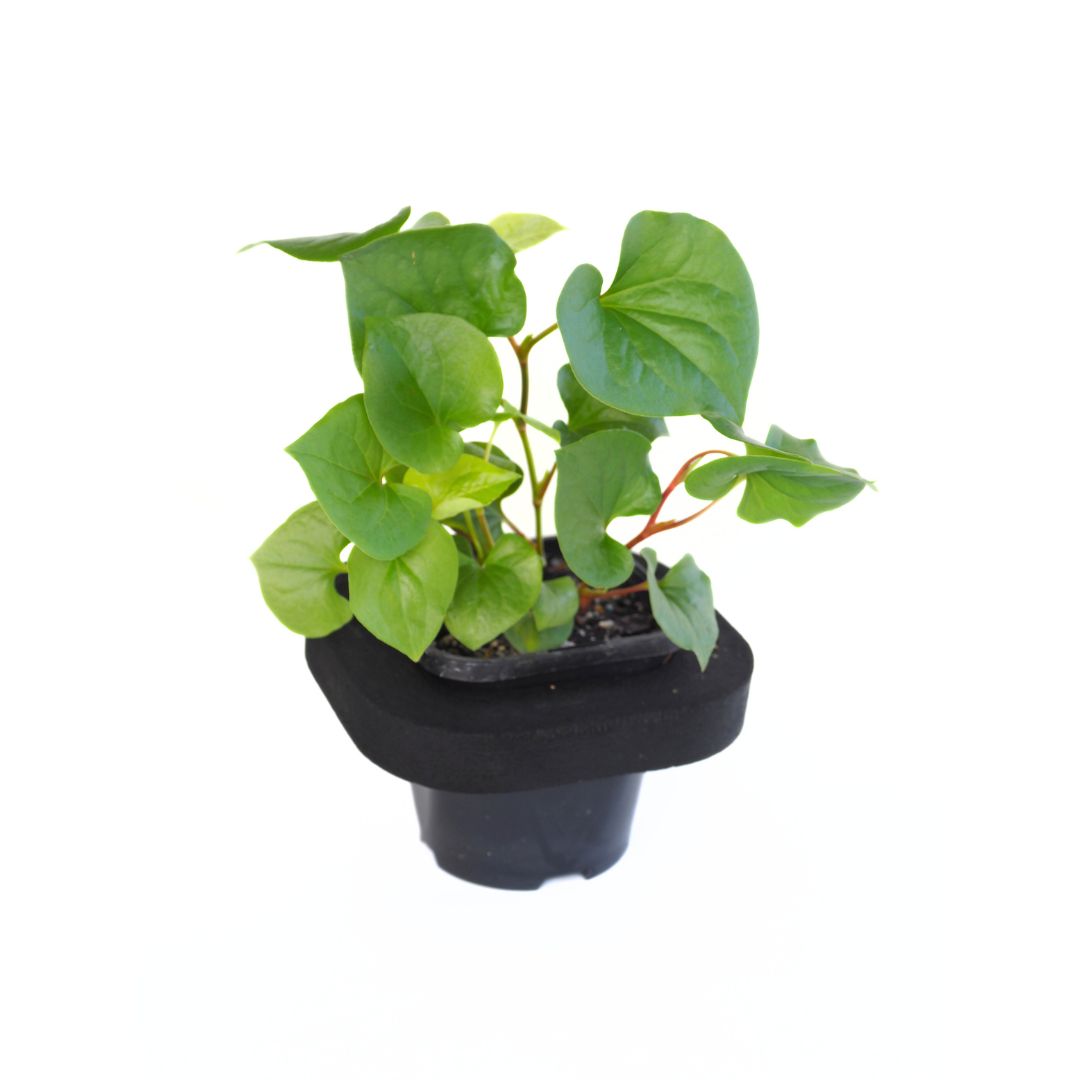
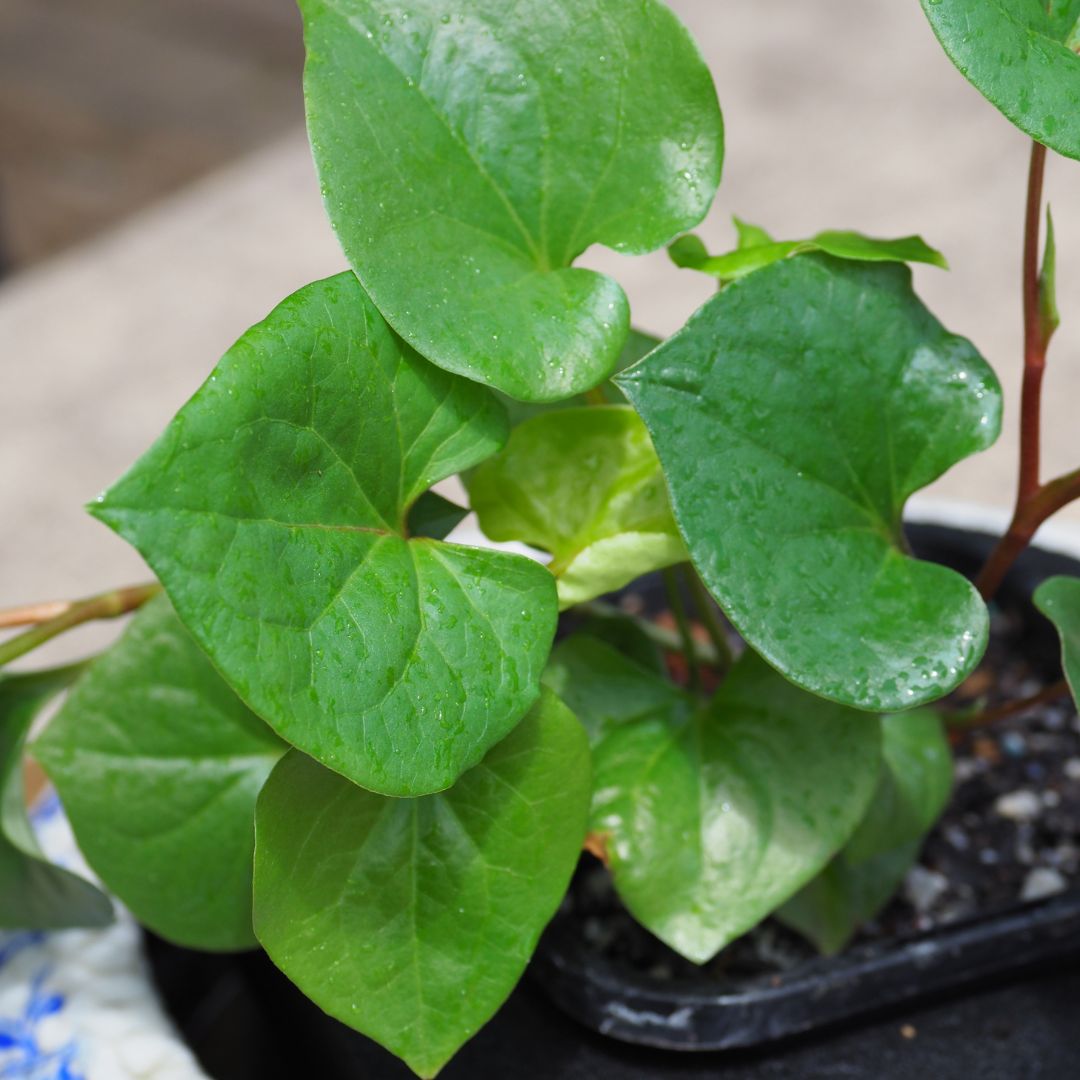
Houttuynia cordata
Grows: Full Sun
Height: 30cm
Flower: Yes, white
Edible: Yes
This striking plant, also known as Frog mint or water pepper, it is a popular choice for ponds of all sizes. Its heart-shaped leaves, adorned with lush green foliage contrasting with a burgundy stem.
Over summer this pond plant produces a fragrant small white flowers on short spikes with a yellow centre.
The roots, stems, and leaves of the Houttuynia plant are edible. The roots can be cooked as a vegetable, the stems can be eaten raw, and the leaves can be enjoyed in salads or brewed into tea.
Swamp Pepper is ideal for use with our floating rings, the Houttuynia's foliage prefers to be above the water's surface rather than submerged.
In cool regions, Swamp pepper can die back in winter and reimerge in spring. Our fertiliser tablets can help encourage growth as the weather warms.


.Perennial: Edible
Position: Part shade
Flowers: Yellow
Edible: Yes
Submersible: To a depth of 1cm-5cm
Foliage: Produces: Upright foliage
Origin: Malaysia
Cover: Provides cover for frogs
Oxygenator: No
Size: Up to 1mtr -1.5 mtrs
One of the most highly sort after pond plants is Taro Illustris (Colocasia Esculenta) It comes in several different leaf colourations including a variegated variety, but Black Magic with its dark burgundy to black colouration is the most striking form of it.
Taro Illustris reaches between 1mtr to 1.5 mtrs in size and occasionally produces a yellow flower. However, it is its large dark coloured arrow shaped leaves that make it a stunning feature plant in any water garden.
Given its maximum size, Taro Illustris does best when kept in a larger pot and its large leaves are frost tender so it should be grown in a protected frost-free environment. Given its size, it is a gross feeder so ensure you fertilize monthly throughout the growing season from September through to April.
Taro Illustris sends out runners and can be easily propagated from these daughter plants. It is well suited as an Indoor pond plant where it thrives in an area that receives plenty of natural sunlight and being a water plant if you keep the water level at the base of the plant there is no chance of over-watering.
Interesting to know is like other Taro's the root of the plant can be baked or boiled and has a slightly sweet nutty flavour
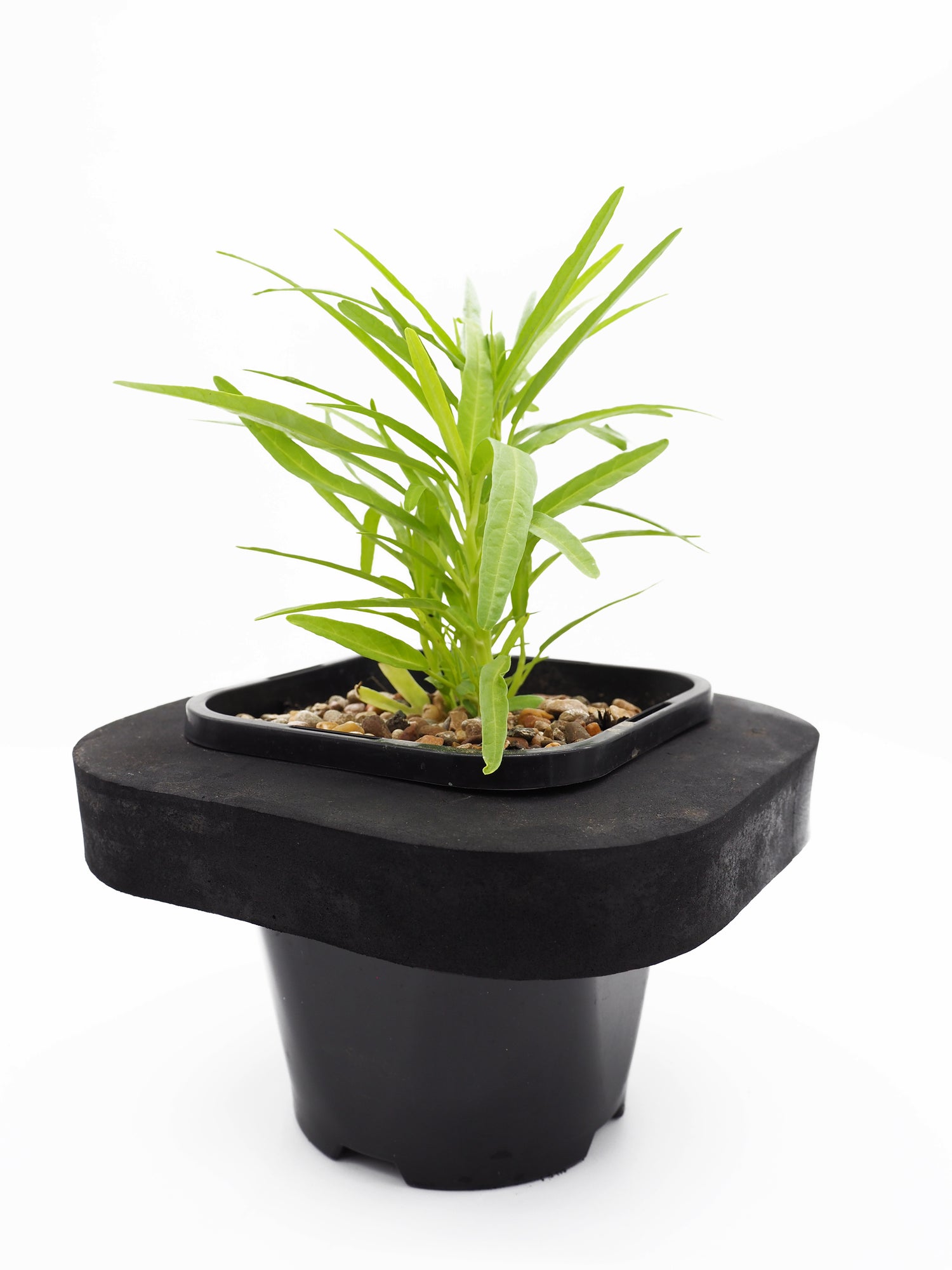
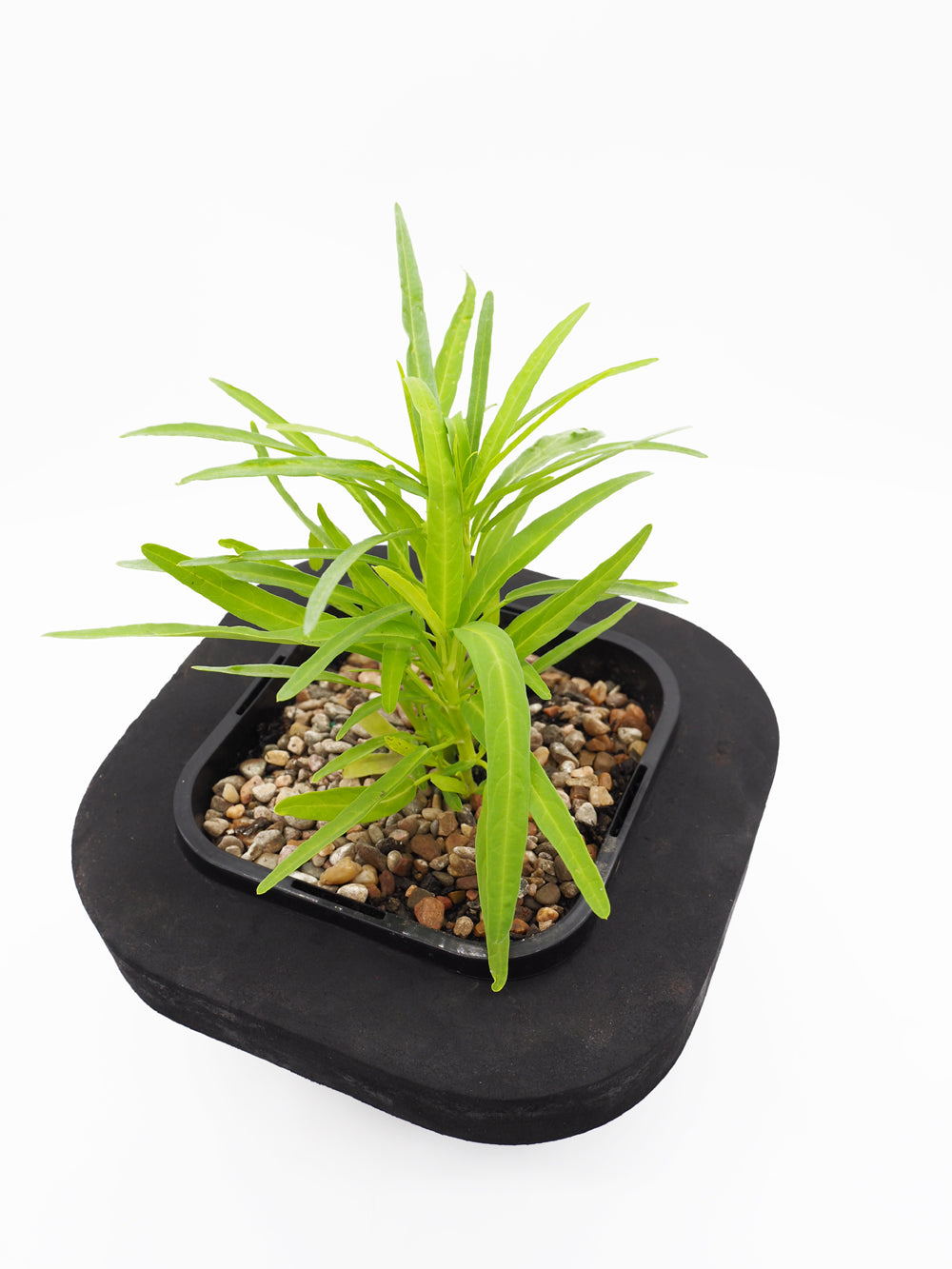
Edible | Perennial | Trailing Pond Plant | Frog Habitat | White to Pink Flowers
Bring an edible Asian water plant into your pond or water garden with Kang Kong (Ipomoea aquatica), also commonly known as Water Spinach.
This fast-growing, trailing aquatic plant produces lush green foliage above the water and can spread several metres wide when given room to grow. Its vigorous growth makes it an excellent choice for creating natural cover around the pond, particularly for frogs.
Kang Kong is also a popular edible vegetable used throughout Asian cooking. The tender shoots and leaves are commonly harvested for use in a variety of dishes, making it a great choice for gardeners who enjoy combining productive plants with their ornamental water garden.
Why Grow Kang Kong in Your Pond?
Kang Kong is a versatile pond plant that combines edible foliage, attractive flowers and excellent habitat value.
• Edible aquatic vegetable commonly known as Water Spinach
• Nutrient-dense vegetable widely used in Asian cooking
• Fast-growing trailing habit
• Can spread several metres wide
• Produces lush foliage above the water
• Excellent cover and shelter for frogs
• Produces attractive white to pink flowers
• Can be pruned to maintain a lower, more compact height
• Suitable for ponds and water gardens
• Can be grown in a floating pond plant ring
Kang Kong Pond Plant Features
• Botanical name: Ipomoea aquatica
• Common name: Kang Kong
• Also known as: Water Spinach
• Plant type: Perennial
• Origin: Asia
• Position: Full sun to part shade
• Flowers: White to pink flowers
• Water depth: Up to 2cm
• Foliage: Grows above the water
• Height: Up to approximately 30cm
• Width: Can spread several metres
• Growth habit: Trailing
• Cover: Excellent cover for frogs
• Oxygenator: No
• Edible: Yes
• Best suited to: Pond margins, shallow water and water gardens
Growing Kang Kong
Kang Kong is a vigorous trailing plant that thrives in warm, moist conditions.
It can be grown in very shallow water, with the plant positioned at a depth of approximately 2cm. Its stems and foliage grow out across the water surface and surrounding pond margins, creating a lush green effect.
Because Kang Kong can spread several metres, give it plenty of room to trail or prune it regularly to keep it within your desired area.
Growing Kang Kong in a Floating Pond Plant Ring
Kang Kong can be grown in a floating pond plant ring, allowing its stems to trail naturally across the pond surface.
When growing Kang Kong in a floating ring, it is important to remove excess tall foliage so the plant remains balanced and the ring sits correctly on the water.
The trailing stems can then spread across the surface, creating attractive foliage and valuable cover for frogs.
Position
Kang Kong performs best in full sun to part shade.
A sunny position encourages vigorous growth and is particularly useful if you are growing Kang Kong as an edible vegetable. It will also tolerate part shade, making it suitable for ponds where sunlight varies throughout the day.
Trailing Growth Habit
One of Kang Kong's most useful features is its vigorous trailing growth.
Given suitable conditions, the stems can spread several metres wide, creating a lush carpet of foliage around the pond surface.
The plant can reach approximately 30cm in height, although regular pruning can be used to maintain a lower and more compact appearance.
Pruning also provides an opportunity to harvest young shoots and keep the plant from spreading into areas where you don't want it.
Kang Kong Flowers
Kang Kong produces attractive white to pink flowers.
The flowers provide seasonal interest above the lush green foliage and add another dimension to this otherwise foliage-focused edible plant.
Excellent Frog Cover
The dense, trailing growth of Kang Kong makes it an excellent cover plant for frogs.
Its foliage and stems create sheltered areas around the pond where frogs can hide and move through the vegetation.
For a wildlife-friendly pond, combine Kang Kong with other plants of different heights and growth habits to create a variety of shelter and habitat.
Kang Kong as an Edible Water Plant
Kang Kong is widely known as Water Spinach and is a popular vegetable in Asian cooking.
It is a nutrient-dense leafy vegetable commonly used in a range of dishes. The tender young shoots and leaves are particularly popular and can be harvested as the plant grows.
If growing Kang Kong for food, ensure it is cultivated in clean water and suitable growing media, particularly if the pond contains fish, treatments or other products that are not intended for edible crops.
Harvest only correctly identified plant material and prepare it appropriately before eating.
Pruning Kang Kong
Kang Kong responds well to regular pruning.
Pruning can help:
• Maintain a lower growing height
• Control its vigorous trailing growth
• Keep pathways and pond edges clear
• Encourage fresh, leafy growth
• Provide edible shoots for harvesting
If growing Kang Kong in a floating pond ring, regular trimming is particularly useful for keeping the plant balanced and preventing excessive foliage from weighing down the ring.
Planting Kang Kong in Your Water Garden
Kang Kong is best suited to shallow water and moist pond margins.
• Position in full sun to part shade
• Grow in water to approximately 2cm deep
• Alternatively, grow in very moist pond margins
• Allow trailing stems to spread across the water surface
• Prune regularly to control growth
• When using a floating pond ring, remove excess tall foliage
• Combine with other pond plants to create a diverse habitat
Is Kang Kong an Oxygenating Plant?
No. Kang Kong is not classified as an oxygenating pond plant.
Its main benefits are its lush surface foliage, edible qualities, vigorous trailing growth and habitat value.
For pond oxygenation, combine Kang Kong with dedicated submerged oxygenating plants.
Feeding Kang Kong
Kang Kong is a vigorous grower and benefits from regular feeding during active growth.
Feed with a suitable aquatic plant fertiliser according to the manufacturer's instructions. If you are growing Kang Kong specifically for eating, only use fertilisers and pond treatments that are appropriate for edible plants.
Grow Your Own Water Spinach
Kang Kong is a fantastic choice for gardeners looking for a pond plant that does more than simply look good.
Its edible foliage, vigorous trailing growth, attractive flowers and excellent frog cover make it a versatile addition to the water garden.
Grow it in shallow water, allow it to trail across the pond surface, or use a floating pond plant ring to create a lush floating feature. With regular pruning, you can keep Kang Kong looking tidy while harvesting fresh growth for the kitchen.


Needle Leaf Ludwigia (Ludwigia arcuata) is a fast-growing aquatic plant with distinctive narrow, needle-like leaves and attractive red stems. Its contrasting green foliage and red stems create a striking display in the pond, while its dense growth provides valuable cover for small fish, fry and tadpoles.
This versatile perennial can grow both above and below the water surface, making it suitable for a range of water depths from approximately 2cm to 30cm. It also acts as an oxygenating pond plant when grown submerged.
Needle Leaf Ludwigia is an excellent choice for planted ponds where you want to combine attractive foliage with practical benefits such as nutrient uptake, oxygenation and natural habitat.
Why you'll love Needle Leaf Ludwigia
- Fast-growing aquatic pond plant
- Distinctive needle-like leaves
- Attractive contrast between green foliage and red stems
- Can grow above and below the water
- Suitable for water depths of approximately 2–30cm
- Oxygenating plant when grown submerged
- Excellent cover for fish, fry and tadpoles
- Helps compete with algae for nutrients
- Suitable for full sun to part shade
- Can be trimmed to maintain its shape and encourage bushier growth
- Great planted in groups for a fuller display
Where to grow Needle Leaf Ludwigia
Needle Leaf Ludwigia is adaptable and grows well in full sun to part shade.
It can be planted in shallow water or grown deeper in the pond, with the plant capable of growing from approximately 2cm to 30cm below the water surface.
When grown submerged, its stems and fine foliage provide excellent underwater habitat for baby fish, fry and tadpoles.
Needle Leaf Ludwigia for fish and tadpoles
One of the biggest advantages of Needle Leaf Ludwigia is the cover it provides.
Its fine, dense growth creates sheltered areas where small fish, fry and tadpoles can hide from larger fish and predators. Planting several stems together increases the amount of habitat and creates a more natural-looking underwater environment.
It can also be particularly useful in ponds where you're encouraging fish to breed and want to provide additional cover for young fish.
Helps compete with algae
Fast-growing aquatic plants such as Needle Leaf Ludwigia can help maintain a healthier pond ecosystem by using nutrients from the water that algae also require for growth.
Rather than relying on a single plant, combine Needle Leaf Ludwigia with a variety of oxygenators, floating plants and marginal pond plants to create a balanced planting scheme.
Needle Leaf Ludwigia Plant Information
Plant type: Perennial aquatic plant
Botanical name: Ludwigia arcuata
Common name: Needle Leaf Ludwigia
Origin: South Eastern USA
Position: Full sun to part shade
Flowers: Small yellow flowers
Water depth: Approximately 2–30cm
Height: Up to approximately 20cm
Width: Approximately 5cm
Foliage: Produced above and below the water
Oxygenating: Yes
Edible: No
Growth habit: Fast-growing stem plant
Best for: Fish cover, tadpole habitat, oxygenation, planted ponds and nutrient competition
How to grow Needle Leaf Ludwigia
For the best visual effect, plant several stems together to create a fuller group of foliage.
As Needle Leaf Ludwigia is a fast grower, regular trimming can be used to maintain the desired size and shape. Pruning also encourages the plant to produce additional side shoots and become bushier.
It can be grown in both full sun and part shade, although good light will help encourage strong, healthy growth and attractive colour.
Looking for more oxygenating pond plants? Explore our range of Pond Plants Online and discover oxygenators, floating plants, native pond plants and marginal plants for your water garden.