Sign Up to a Healthy Pond
Search results
78 results
Search results


Add delicate texture and natural beauty to your pond with Water Wisteria (Hygrophila difformis), a versatile aquatic plant that can be grown submerged or allowed to gently float across your pond's surface. Using the included floating pond ring, you can add this beautiful oxygenating plant to your pond instantly, creating natural shade, shelter and movement.
Botanical Name: Hygrophila difformis
Common Name: Water Wisteria
Plant Type: Oxygenating aquatic plant
Position: Full sun to part shade
Planting Depth: Submerged to just above the pot rim
Growth Habit: Creeping, spreading stems with fine divided foliage
Stem Length: Approximately 40–80cm
Flowers: Small purplish-blue flowers
Suitable For: Ponds, water gardens and aquatic habitats
While Water Wisteria is widely recognised as a popular aquarium plant, when grown as a pond plant it develops a different form, producing soft, spreading stems with finely divided leaves that create attractive rosettes across the water's surface. Under the right conditions, it can produce delicate purplish-blue flowers from the leaf axils, adding extra seasonal interest.
Growing as an oxygenating aquatic plant, Water Wisteria helps contribute to a healthy pond ecosystem while providing valuable cover and shelter for fish and aquatic wildlife. Its graceful growth makes it an excellent choice for ponds where you want a softer, more natural look.
Why You'll Love Water Wisteria
-
Attractive oxygenating pond plant.
- Fine, fern-like divided leaves create beautiful texture.
- Can develop a creeping, spreading growth habit.
- Produces delicate purplish-blue flowers when grown in pond conditions.
- Provides shelter and cover for fish.
- Helps support a balanced pond environment.
- Fast-growing and easy to propagate.
- Adds a natural, meadow-like feel to ponds and water gardens.
Growth & Planting Information
Water Wisteria can be planted submerged with water levels just above the rim of the pot. As it establishes, stems can spread and creep, with growth reaching approximately 40–80cm in length.
In pond conditions, it may produce floating or trailing stems with finely divided foliage that forms attractive rosette-like clusters.
For best growth:
- Position in full sun to part shade.
- Keep consistently submerged.
- Allow room for spreading growth.
- Trim regularly if required to maintain shape.
Perfect for Instant Pond Transformation
Water Wisteria is one of the easiest ways to quickly add greenery and movement to your pond.
This versatile aquatic plant loves to grow floating in the pond using the floating pond plant ring included with all We Know Water Gardens pond plant orders. Simply place the plant ring on the surface of your pond, add your Water Wisteria, and enjoy an instant floating garden feature.
Growing freely across the water's surface, the fine divided foliage creates a beautiful natural display while providing valuable shade and shelter for fish and aquatic wildlife.
The floating pond ring allows you to:
- Add plants to your pond instantly without planting into pots or soil.
- Create floating habitat for fish and frogs.
- Add natural shade to help keep water cooler.
- Easily move plants around your pond to find the perfect position.
- Create a more balanced and natural-looking water garden.
Water Wisteria in Ponds vs Aquariums
Water Wisteria is often sold as an aquarium plant, but its appearance can vary significantly depending on where it is grown.
In aquariums:
- Usually grows as an upright submerged stem plant.
- Leaves often appear larger and more structured.
In ponds:
- Can develop softer creeping growth.
- Produces fine divided leaves and floating rosettes.
- May produce small purplish-blue flowers.
This makes pond-grown Water Wisteria a unique addition for customers looking for something a little different.
Perfect For
- Wildlife ponds
- Natural ponds
- Fish ponds
- Water gardens
- Aquatic plant collections
- Pond edges and shallow areas
Frequently Asked Questions
Is Water Wisteria an oxygenating pond plant?
Yes. Water Wisteria is considered an oxygenating aquatic plant because its submerged foliage helps contribute oxygen to the water and provides habitat for aquatic life.
Can Water Wisteria float in a pond?
Yes. In pond conditions, Water Wisteria can develop creeping stems and may grow towards the surface, creating attractive floating foliage.
How big does Water Wisteria grow?
Stems can grow approximately 40–80cm long, depending on growing conditions, sunlight and available nutrients.
Does Water Wisteria flower?
Yes. When grown as a pond plant, Water Wisteria can produce small purplish-blue flowers from the leaf axils.
Is Water Wisteria the same as the aquarium plant?
Yes, it is the same species (Hygrophila difformis), however the growth form can differ between aquarium and pond environments.


For a truly vibrant splash of colour, Yuh Ling is hard to beat. This beautiful hardy water lily produces intensely bright fuchsia-pink flowers that stand out beautifully against the water and surrounding greenery.
The young foliage emerges in attractive brownish tones before gradually maturing to deep green. Yuh Ling is a highly sought-after variety and a wonderful choice for gardeners looking for a bold pink water lily.
Why You'll Love Yuh Ling
- Stunning bright fuchsia-pink flowers
- Exceptionally vibrant flower colour
- Attractive brownish young foliage
- Leaves mature to deep green
- Highly sought-after cultivar
- Hardy perennial water lily
- Excellent feature plant
- Suitable for medium to large ponds
Plant Details
Botanical name: Nymphaea 'Yuh Ling'
Type: Hardy water lily
Flower colour: Bright fuchsia pink
Foliage: Brownish when young, maturing to dark green
Position: Full sun
Best suited to: Medium to large ponds
What You'll Receive
Our water lilies are supplied as a dormant water lily corm, ready for you to plant into your pond.
The corm may arrive with little or no foliage, particularly during cooler months. This is completely normal. Once planted in warm water and provided with plenty of sunlight, it will begin producing new roots and leaves.
Please note: Corm size and appearance naturally vary. Flowering and growth will depend on water temperature, sunlight, feeding and general growing conditions.
Perennial | Yellow Flowers | Pond Margin Plant | South American Native
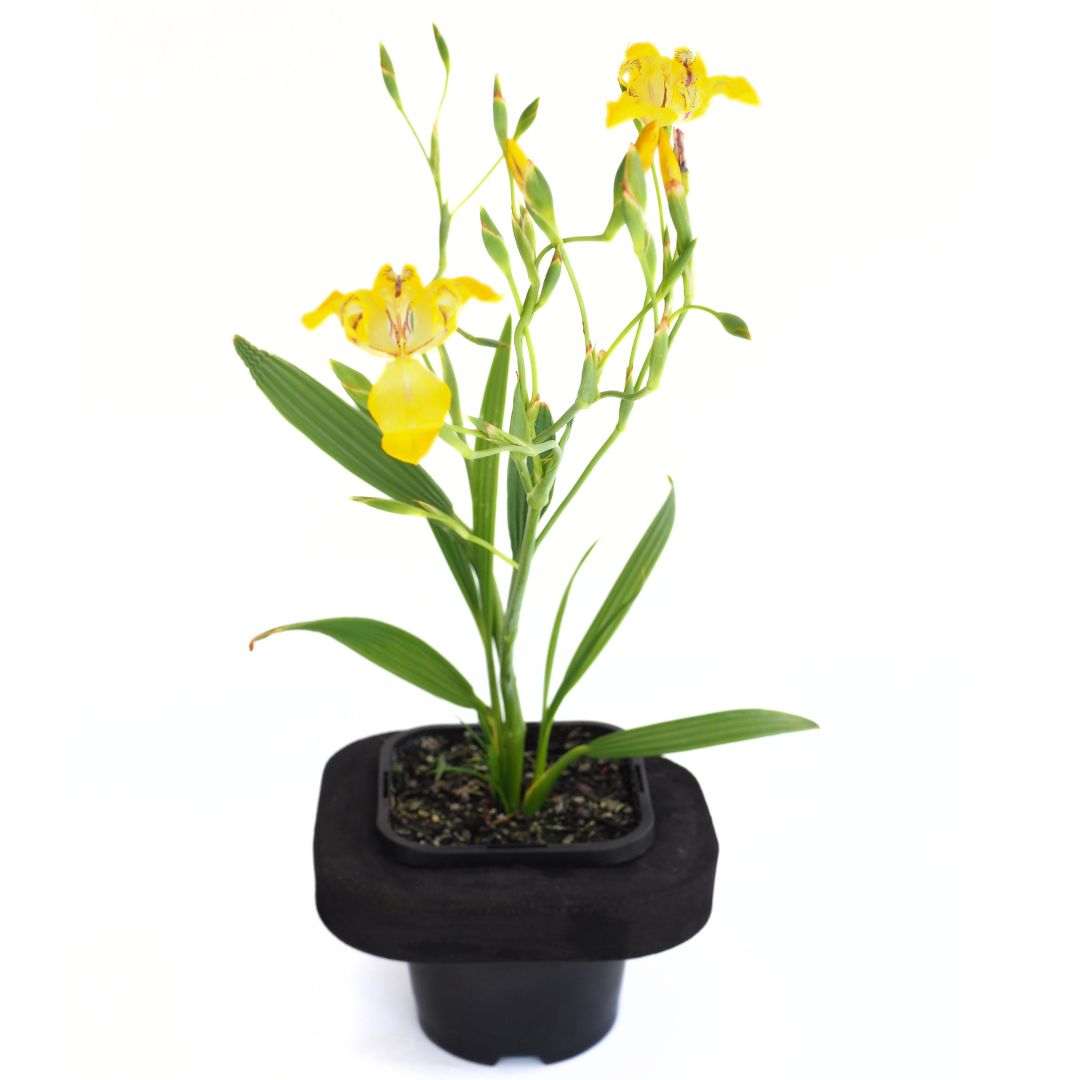
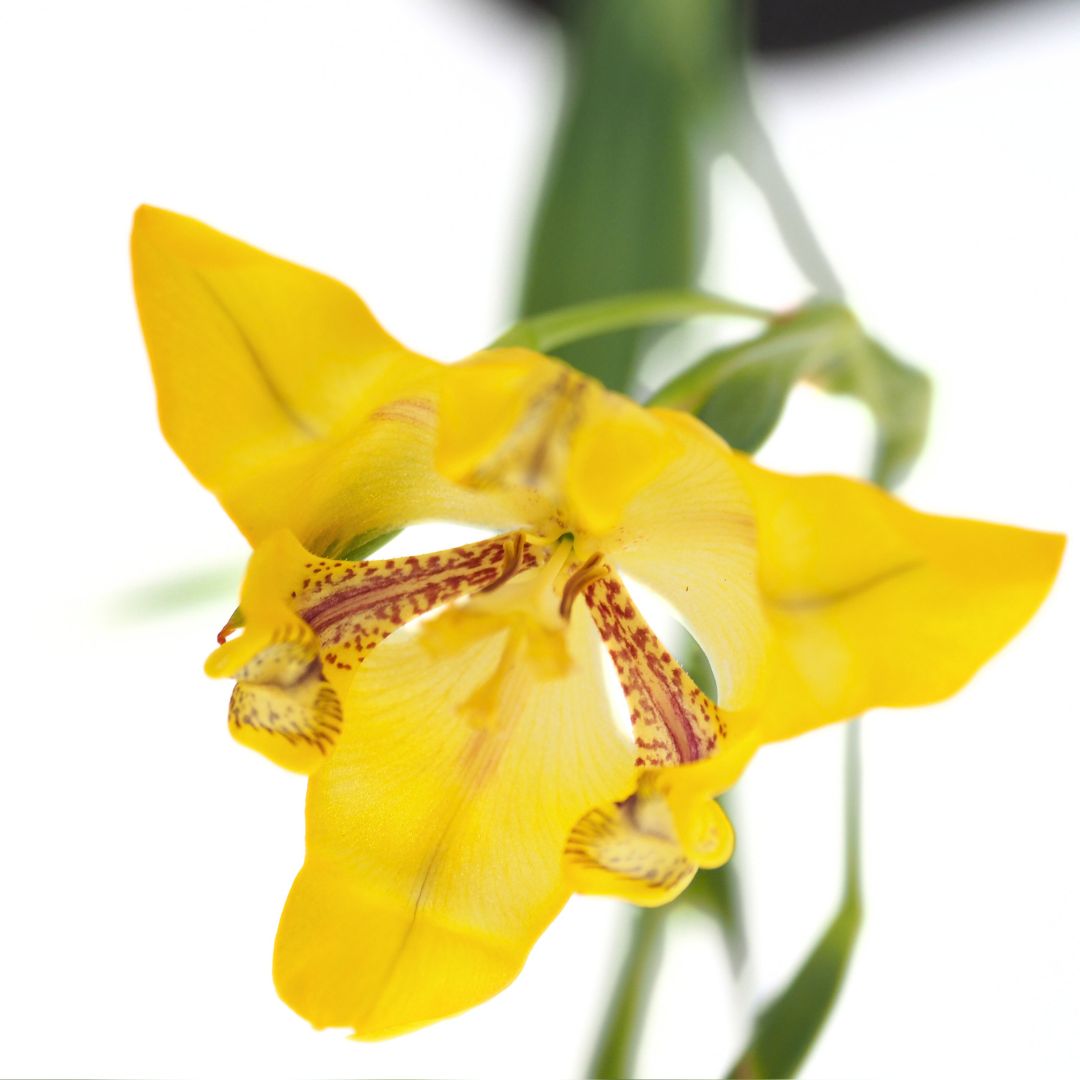
Water Orchid (Cypella aquatilis) is a rare and beautiful pond plant that brings an exotic touch to the water garden. Also sometimes known as Water Tulip, this petite member of the iris family produces delicate strap-like foliage and stunning yellow, orchid-like flowers during spring and summer.
Growing from a small bulb, Water Orchid is a slow-growing plant that stays relatively compact, making it an excellent choice for smaller ponds, water bowls and pond margins. Its fine green foliage rises above the water, while its striking flowers provide a beautiful seasonal display.
For the best flowering, position Water Orchid where it receives plenty of sunshine. It will tolerate part shade, but a sunny position will generally encourage more flowers.
Why Grow Water Orchid in Your Pond?
Water Orchid is a great choice if you're looking for something a little different for your pond.
Its stunning yellow flowers stand out beautifully against the surrounding greenery, while its fine, upright foliage adds texture without overwhelming the pond.
Water Orchid looks particularly impressive when planted en masse along the pond margin, creating a natural swathe of foliage and bright yellow flowers.
It also provides valuable shelter and cover for frogs, making it a beautiful plant that contributes to the habitat around your water garden.
Water Orchid Pond Plant Features
- Botanical name: Cypella aquatilis
- Common name: Water Orchid
- Also known as: Water Tulip
- Plant type: Perennial
- Origin: South America
- Position: Part shade to full sun
- Flowers: Stunning yellow orchid-like flowers
- Flowering period: Spring and summer
- Height: Approximately 15cm
- Width: Approximately 30cm
- Water depth: Up to 5cm
- Best suited to: Pond margins, shallow water and boggy areas
- Foliage: Thin, strap-like foliage growing above the water line
- Growth habit: Slow growing from a small bulb
- Cover: Provides shelter and cover for frogs
Growing Water Orchid
Water Orchid is best planted around the margins of your pond, where it can enjoy consistently moist conditions without being completely submerged.
It can tolerate shallow water to approximately 5cm deep, but prefers pond margins and boggy areas where its foliage can grow above the water line.
The plant develops from a small bulb and grows slowly, making it a good choice for adding long-term structure and interest to the pond without becoming overly vigorous.
When planting, give Water Orchid enough room to spread to approximately 30cm wide. Planting several together can create a particularly impressive display once they establish.
Position
Water Orchid will grow in part shade to full sun.
Although it is tolerant of semi-shaded positions, choose a sunny location if flowers are your priority. Good sunlight will help encourage the best flowering during spring and summer.
Its slender foliage also makes it a useful plant for adding vertical interest around the pond without creating too much shade over the water.
Water Orchid Flowers
The highlight of this unusual pond plant is undoubtedly its yellow, orchid-like flowers.
Flowers appear during spring and summer, providing a beautiful splash of colour around the pond margin. The delicate flowers are particularly effective when combined with lush green foliage and other flowering pond plants.
For the biggest visual impact, try planting Water Orchid in groups or drifts along the pond edge.
Water Orchid for Frog Habitat
A well-planted pond provides much more than just visual appeal.
Water Orchid's foliage creates shelter and cover for frogs, helping to make the pond margin a more welcoming habitat.
Combine it with other marginal and bog plants at different heights to create layers of vegetation around your pond. This provides a more natural environment while also giving your pond plenty of form and structure.
Feeding Water Orchid
For healthy growth and flowering, feed Water Orchid monthly from spring with a suitable aquatic fertiliser.
We recommend Pond Plantz Time Release Fertilizer Tablets. Insert the tablet approximately 5–10cm beneath the surface of the soil, following the manufacturer's instructions for application.
Regular feeding during the growing season can help support strong foliage and flowering.
Planting Water Orchid in Your Water Garden
Water Orchid is particularly well suited to:
- Pond margins
- Boggy garden areas
- Shallow water
- Water bowls
- Small ponds
- Natural-style ponds
- Mass plantings along pond edges
Its compact size makes it an excellent option when you want to add colour and interest without a large plant taking over the pond.
Add Water Orchid to your pond for delicate foliage, stunning yellow flowers and valuable frog habitat.


Perennial
Position Full sun still water
Frost Hardy Yes
Flowering Yes
Origin Europe
When you think of pond plants, most people think of water lilies and really no water garden is complete without at least one. Hardy Water Lilies are a tuber-type water plant that originates in Europe.
The leaves can come in various sizes, some are classic green whilst others are patterned. Hardy-type water lilies are ideal for all climates growing rapidly in the warmer months before dying down over winter.
They flower from late spring and into summer and grow rapidly during this period, so they require regular monthly fertilising. To flower water lilies require at least 5 hours of sunlight per day.
Water lilies require still water around them to thrive and splashing water may even bruise and damage the leaves of the plant. They should be potted in a loamy mix of soil and this soil type is present in many older home gardens. Loamy soil should hold its shape when wet and they will even grow in clay-type soils as well. They are best planted into a pot with a fine layer of gravel over the top to prevent the soil from washing out until the plant is established. To get continued flowering from water lilies on your pond, they should be divided and repotted on an annual basis.
*This water lily starter kit provides a mix of water lily corms (not potted) that could include, pink, white, yellow, and apricot.

Quickly and efficiently eliminate unsightly string algae from your pond with API Pond Algaefix. This powerful algaecide delivers fast-acting results, helping to restore clean, clear water and improve the overall appearance of your pond.
Formulated to specifically target string algae, API Pond Algaefix effectively controls algae growth while being safe for fish and aquatic plants when used as directed. Its easy-to-use formula makes algae management simple and hassle-free, even for larger ponds.
Key Features
- Fast-acting algaecide for rapid algae control
- Specifically targets string algae for clearer pond water
- Safe for fish and plants when used according to instructions
- Helps maintain a balanced, healthy pond ecosystem
Application
Apply 5ml per 190ltrs of water every three days until the problem improves. Then dose weekly to keep algae under control. Best water clarity is achieved when used in conjunction with ecofix.
Directions for Use
To ensure accurate dosing, determine pond volume before use. Do not overdose. Add 1 teaspoon for each 50 gallons/0.25 cup for each 600 gallons of pond or fountain water. Thoroughly mix into pond water by adding near the pump outflow, waterfall, or aeration device. It can be mixed in a bucket and dispersed evenly around the pond. Repeat dose every 3 days until algae is controlled. Once algae growth is under control, add one dose per week.
Perennial | Edible | Mauve Flowers | Shallow Water Plant
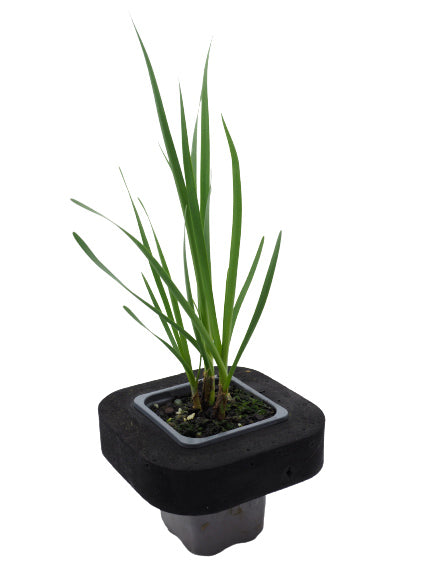
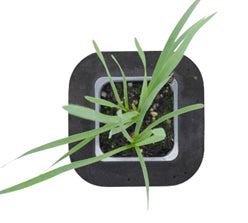
Water Garlic (Tulbaghia violacea) is a distinctive South African native that has become a popular addition to the world of pond plants. With its attractive light green to grey, strappy foliage and delicate mauve flowers, it brings a unique combination of ornamental appeal and edible qualities to the water garden.
Growing to approximately 30cm tall, Water Garlic is ideally suited to shallow water, where the water level reaches around the base of the plant without covering the crown.
It can also be grown in the floating pond plant ring included with our pond plants, making it an easy way to introduce this unusual edible plant to your pond.
Why Grow Water Garlic in Your Pond?
Water Garlic is a great choice when you want to add something a little different to your pond planting.
Its upright, strappy foliage provides a contrasting texture to broad-leaved and spreading pond plants, while its small mauve flowers add a subtle splash of colour.
Being edible makes Water Garlic particularly interesting for gardeners who enjoy combining ornamental and edible plants in the same garden.
Its compact size also makes it suitable for smaller ponds, water bowls and shallow pond margins.
Water Garlic Pond Plant Features
• Botanical name: Tulbaghia violacea
• Common name: Water Garlic
• Plant type: Perennial
• Origin: South Africa
• Position: Full sun
• Flowers: Small mauve flowers
• Flowering period: Summer
• Height: Approximately 30cm
• Water depth: Approximately 1cm
• Foliage: Light green to grey, strappy foliage
• Oxygenator: No
• Edible: Yes
• Growing method: Shallow water or floating pond plant ring
• Propagation: Division
• Best suited to: Shallow pond margins, water bowls and floating pond plant rings
Growing Water Garlic
Water Garlic is a relatively easy-care perennial when grown in the right conditions.
It prefers full sun and shallow water, with the water level kept around the base of the plant rather than covering the crown.
This makes it particularly useful for shallow pond margins and water gardens where the plant can sit with its roots and lower growing area consistently moist.
The floating pond plant ring is another excellent way to grow Water Garlic. It allows the plant to sit at the surface of the pond while keeping its foliage above the water.
Position
Water Garlic performs best in full sun.
Plenty of sunlight encourages healthy foliage growth and helps promote flowering during the warmer months.
When planting directly into your pond, choose a shallow position where the water reaches approximately 1cm around the plant without covering the crown.
Water Garlic Flowers
Water Garlic produces attractive small mauve to purple flowers above its strappy foliage.
The delicate flowers provide a lovely contrast to the light green to grey leaves and add colour to the pond during the warmer growing season.
The flowers can also be used as an edible garnish or infused into vinegar or oils to add a subtle garlic flavour.
An Edible Pond Plant
One of the most interesting features of Water Garlic is that it is edible.
The leaves can be chopped and used in:
• Salads
• Soups
• Other dishes where a mild garlic flavour is desired
The flowers can also be used in the kitchen. Try them:
• As an edible garnish
• Added to salads
• Infused into vinegar
• Infused into oils to create a subtle garlic flavour
Important: If you intend to eat any part of the plant, make sure it has been grown specifically for edible use and has not been treated with aquatic chemicals, pesticides or fertilisers unsuitable for edible plants.
Propagating Water Garlic
Water Garlic can be easily propagated through division.
Established clumps can be divided annually to encourage vigorous growth and maintain healthy plants.
Division is best carried out when the plant is actively growing. Separate the established clump into smaller sections, ensuring each division has healthy roots and growing points before replanting.
Regular division can also help encourage strong flowering through the summer months.
Is Water Garlic an Oxygenating Plant?
Water Garlic is not an oxygenating pond plant.
Although it grows in association with water, it should not be relied upon to provide underwater oxygenation.
For a healthy and balanced pond ecosystem, combine Water Garlic with dedicated oxygenating plants, along with flowering, marginal and habitat plants.
Planting Water Garlic in Your Water Garden
Water Garlic is ideal for:
• Shallow pond margins
• Very shallow water
• Water bowls
• Floating pond plant rings
• Full-sun water gardens
• Edible water gardens
• Adding height and texture to pond planting
When planting directly into the pond, position the plant so that the water reaches approximately 1cm around the base without covering the crown.
Alternatively, use the floating pond plant ring to allow Water Garlic to grow naturally at the water's surface.
Its strappy foliage looks particularly effective when combined with softer, spreading pond plants and broader-leaved aquatic plants.
Feeding Water Garlic
For healthy growth and flowering, Water Garlic benefits from nutrients during its active growing period.
A suitable slow-release aquatic fertiliser tablet can be added to the growing medium according to the manufacturer's instructions.
If you plan to harvest the leaves or flowers for eating, only use fertilisers that are suitable for plants intended for consumption and always follow the recommended application rate.
Add an Edible Twist to Your Pond
Water Garlic is a wonderful choice for gardeners looking for an unusual pond plant that combines attractive foliage, delicate mauve flowers and edible qualities.
Its compact 30cm growth habit and preference for shallow water make it easy to incorporate into smaller ponds, water bowls and pond margins, while the included floating pond plant ring provides another simple growing option.
Add Water Garlic to your pond for attractive strappy foliage, delicate mauve flowers and an edible garlic flavour you can enjoy in the kitchen.

Keep your pond water cleaner, clearer and healthier with the Bioscape All-in-One Submersible Pond Filter with UV. With a powerful 2000 litres per hour flow rate, this compact pond filtration system combines mechanical filtration, biological filtration and UV clarification in one convenient submersible unit.
Designed to sit directly inside the pond, the Bioscape All-in-One Filter is an excellent solution for garden ponds and water features where you want effective filtration without a large external filter box or complicated plumbing.
All-in-One Pond Filtration
One of the biggest advantages of an all-in-one pond filter is convenience. The Bioscape unit combines the key components needed to improve pond water quality in a single compact system.
Mechanical Filtration
The filter media captures suspended particles and debris from the pond water, helping reduce visible dirt and keeping the water looking cleaner.
Biological Filtration
The filter also provides an environment for beneficial bacteria to colonise. These bacteria play an important role in the natural biological filtration process by helping break down waste produced by fish and other organic matter in the pond.
Built-In UV Clarifier
The integrated UV clarifier helps control free-floating algae and is particularly useful when your pond water has developed a green, cloudy appearance.
The UV light works by exposing passing water to UV radiation, helping control suspended algae as the water circulates through the unit.
2000Lph Pond Pump
The integrated pump provides water flow of up to 2000 litres per hour, circulating pond water through the filtration system and returning it to the pond.
This water movement can also be used to create a small fountain or water feature where appropriate, adding movement and sound to your pond.
Why Choose an All-in-One Pond Filter?
An all-in-one filter is ideal if you want to improve your pond water quality without installing a separate pump, external filter and UV clarifier.
The Bioscape system is:
- All-in-one filtration and pumping
- 2000Lph water flow
- Built-in UV clarification
- Submersible design
- Compact and convenient
- Easy to install
- Suitable for garden ponds and water features
- Helps improve water clarity
- Provides mechanical and biological filtration
How to Use the Bioscape Pond Filter
Position the filter securely on the base of the pond, ensuring the pump and intake remain fully submerged. Connect any fountain or water feature components according to the manufacturer's instructions.
For best results, regularly inspect and clean the filter media and pump intake. Removing accumulated debris helps maintain good water flow and filtration performance.
The UV clarifier is designed to help control suspended algae, but it does not replace good pond management. Adequate filtration, sensible fish stocking, regular maintenance and appropriate pond plants all contribute to a healthy pond ecosystem.
Is a UV Pond Filter Right for Your Pond?
If your pond water is green or cloudy because of suspended algae, a filter with an integrated UV clarifier can be an effective solution.
UV clarification works particularly well alongside good biological filtration and a healthy balance of pond plants. It is important to remember that UV clarification treats the symptoms of suspended algae; maintaining good water quality and reducing excess nutrients is also important for long-term pond health.
Ideal For
The Bioscape All-in-One Submersible Pond Filter is suitable for:
- Garden ponds
- Ornamental ponds
- Small to medium water features
- Fish ponds where additional filtration is required
- Ponds experiencing green water
- Pond owners wanting an easy all-in-one filtration solution
- Installations where an external filter isn't practical
Frequently Asked Questions
What does a UV pond filter do?
A UV clarifier helps control free-floating algae that can make pond water appear green and cloudy. Water passes the UV light as it circulates through the filter.
Is 2000Lph enough for my pond?
The suitability of a 2000Lph filter depends on your pond's volume, fish load, water feature and desired turnover rate. For ponds containing fish, filtration requirements can be higher than for a lightly stocked ornamental pond.
Does a UV filter replace biological filtration?
No. UV clarification and biological filtration perform different jobs. The UV component helps control suspended algae, while biological filtration provides a home for beneficial bacteria that help process waste.
How often should a pond filter be cleaned?
This depends on the amount of debris, algae and fish waste entering your pond. Check the filter regularly and clean the media when water flow begins to reduce.
Can I use this filter with pond plants?
Yes. Pond plants and filtration work well together as part of a balanced pond ecosystem. Plants can help absorb nutrients from the water while filtration provides mechanical and biological support.
Give your pond the benefits of mechanical filtration, biological filtration and UV clarification in one convenient unit with the Bioscape All-in-One Submersible Pond Filter with UV 2000Lph.


Australian Pond Plant | Variegated Foliage | Perennial | Frog Habitat | Cold Hardy
Add year-round structure and striking foliage to your water garden with Variegated Sweet Flag. This attractive perennial features distinctive variegated leaves that bring light and contrast to pond margins, shallow water and water pots.
A particularly useful plant for cooler Australian regions, Variegated Sweet Flag is cold hardy and tolerant of harsh winter conditions. Its dense growth provides valuable habitat and shelter around the pond, making it a great choice for frog-friendly water gardens.
It can also be grown as a bog plant, where its roots help make use of excess nutrients and filter impurities from the water.
Why Grow Variegated Sweet Flag in Your Pond?
Variegated Sweet Flag is a versatile pond plant that combines attractive foliage with practical benefits for your water garden.
Its upright, clumping growth provides structure around the pond while creating sheltered spaces for frogs and other small pond inhabitants. It is particularly well suited to Australian gardens where winters can be cold.
• Striking variegated foliage adds colour and contrast
• Excellent plant for frog habitat and shelter
• Cold hardy and suitable for regions with harsh winters
• Ideal for shallow pond margins and boggy areas
• Can be grown in a floating pond plant ring
• Helps filter impurities from pond water
• Compact growth makes it suitable for smaller ponds and water pots
• Easy to propagate by division
Variegated Sweet Flag Pond Plant Features
• Botanical name: Acorus calamus variegated
• Common name: Variegated Sweet Flag
• Plant type: Perennial
• Origin: East Asia
• Position: Full sun to part shade
• Height: Up to 30cm
• Width: Up to 30cm
• Water depth: Prefers shallow water to 5cm
• Propagation: Division
• Flowers: Grown primarily for its attractive foliage
• Best suited to: Pond margins, shallow water, bog gardens and water pots
• Frog habitat: Excellent
• Cold hardy: Yes
Growing Variegated Sweet Flag
Variegated Sweet Flag is an easy-care perennial that performs well in consistently moist conditions. It can be planted around the edge of your pond, positioned in shallow water or grown in a floating pond plant ring.
For the best results, keep the plant's growing medium consistently moist and avoid allowing it to dry out completely.
Its compact size makes it an excellent choice for smaller water features, container ponds and water pots where you want to introduce attractive foliage without an overly large plant.
Position
Variegated Sweet Flag grows well in full sun to part shade.
A sunny position encourages strong, attractive growth, while it will also tolerate some shade, making it useful for ponds where surrounding plants or structures create periods of dappled shade.
It prefers shallow water and can be grown submerged to approximately 5cm.
An Excellent Frog Habitat Plant
One of the great reasons to grow Variegated Sweet Flag is the habitat it creates around your pond.
Its dense, upright foliage provides sheltered spaces where frogs can hide and move around the pond edge. Adding a variety of plants with different heights and growth habits helps create a more natural pond environment and gives frogs places to shelter throughout the year.
This is particularly valuable during Australia's cooler months, when frogs can benefit from sheltered habitat and protection from harsh winter conditions.
For a frog-friendly pond, combine Variegated Sweet Flag with other native marginal plants, grasses and groundcovers to create layers of vegetation around the water.
Cold Hardy Pond Plant
Variegated Sweet Flag is a great choice for gardens that experience cold winters.
Its cold-hardiness means it can provide reliable structure and habitat around the pond even when temperatures drop. This makes it particularly useful for water gardens in cooler parts of Australia.
A Natural Pond Filter Plant
Variegated Sweet Flag can also be grown as a bog plant. Its roots grow through moist planting media, helping to make use of excess nutrients and filter impurities from pond water.
Growing a mixture of marginal and bog plants around your pond is a simple way to create a more natural-looking water garden while supporting a healthy pond ecosystem.
Planting Variegated Sweet Flag in Your Water Garden
Variegated Sweet Flag is particularly versatile and can be planted in several ways.
In shallow pond water:
Position the plant so the growing medium is submerged to no more than approximately 5cm.
In a floating pond plant ring:
Place the plant into the floating ring and position it on your pond surface. This allows the foliage to grow above the water while the roots remain in contact with the water below.
Around the pond margin:
Plant into consistently moist soil at the edge of your pond for a natural transition between the garden and water.
As a bog plant:
Plant into a permanently moist boggy area where the roots can remain damp without being deeply submerged.
Propagating Variegated Sweet Flag
Variegated Sweet Flag can be propagated by division.
As established plants develop into larger clumps, they can be carefully divided and replanted to create additional plants for other areas of your water garden.
Feeding Variegated Sweet Flag
For strong growth, feed during the active growing season with a suitable slow-release aquatic plant fertiliser.
Insert the fertiliser tablet into the planting medium beneath the surface, following the instructions on the fertiliser packaging.
Create a More Natural Water Garden
Variegated Sweet Flag is a fantastic addition to a wildlife-friendly pond, combining attractive variegated foliage with practical habitat and water-filtering benefits.
Use it alongside flowering marginals, grasses, rushes and groundcovers to create different layers of vegetation around your pond. The result is not only visually appealing but also provides more opportunities for frogs and other pond life to shelter and thrive.
Add Variegated Sweet Flag to your pond and bring year-round structure, habitat and beautiful variegated foliage to your water garden.
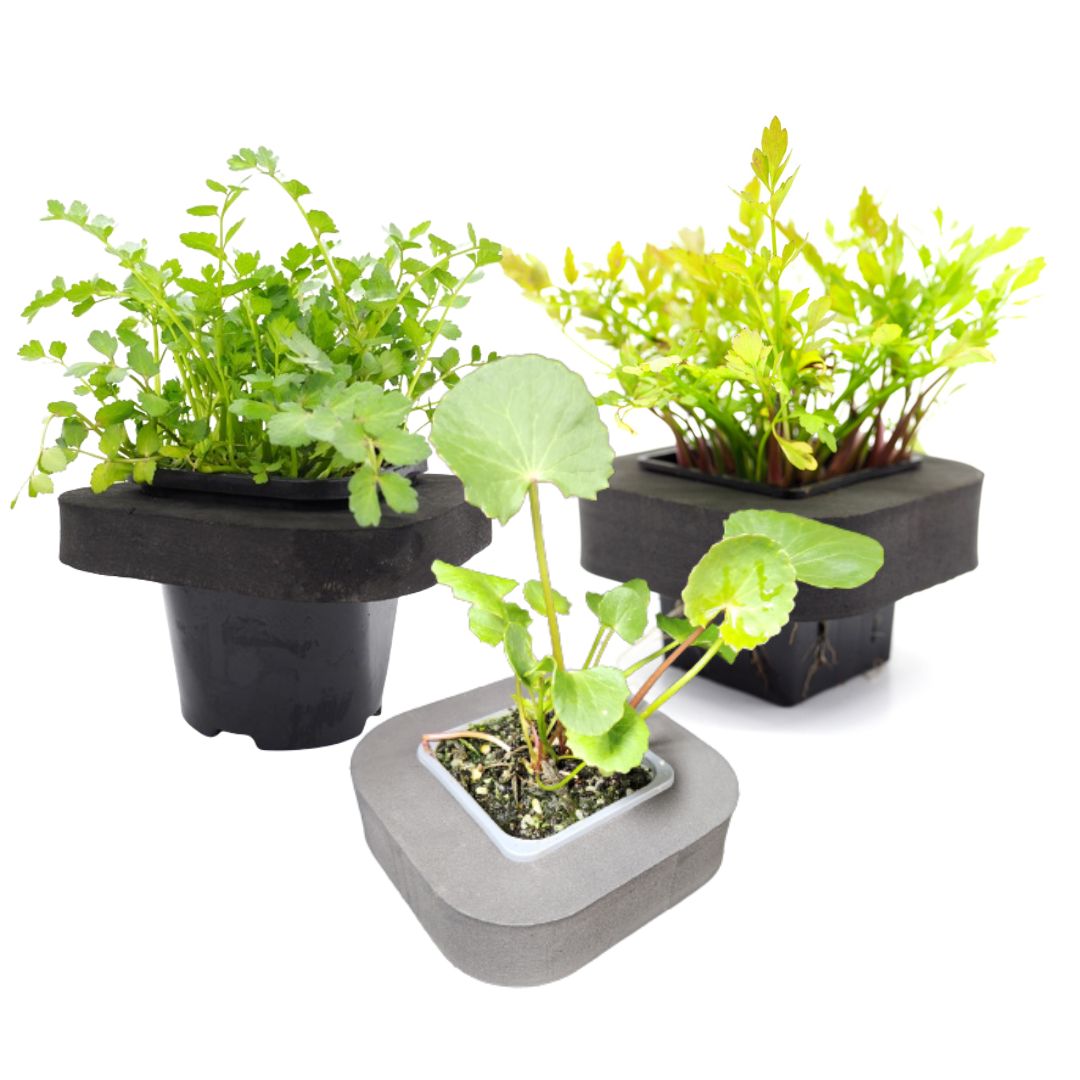
When you are unsure where to start or if you are new to the exciting world of pond plants, we have created a range of starter packs to help.
Growing edible herbs in garden ponds or even small water containers is the easiest way to grow fresh herbs and produce. This pack of 3 edible pond plants has been selected so that you can have fresh herbs to garnish meals with as well as a pond plant with a strong tradition in traditional medicine.
This starter pack of 3 pond plants includes:
- 1 x Gotu Kola (Centella asiatica) 7cm pot
- 1 x Lebanese Cress (Aethionema Cordifolium) 7cm pot
- 1 x Water parsley (Oenanthe sarmentosa) 7cm pot
To learn more about the benefits of growing and eating edible pond plants, read our article: Creating an Edible Water Garden: Tips and Tricks


Dwarf Papyrus (Cyperus papyrus nana) Pond Plant
Dwarf Papyrus (Cyperus papyrus nana) is a classic pond plant that brings height, structure and a natural look to the water garden. This perennial plant forms attractive clumps of upright foliage and can grow to approximately 60cm high, making it an excellent choice for adding vertical interest around the edge of a pond.
Dwarf Papyrus grows particularly well in sunny, damp conditions and can tolerate shallow water up to approximately 5cm deep over the base of the plant. Its clumping growth also provides valuable shelter and cover for frogs, making it a useful addition to wildlife-friendly ponds.
Why you'll love Dwarf Papyrus
- Classic, easy-to-grow pond plant
- Attractive upright, clumping growth
- Can grow to approximately 60cm high
- Produces distinctive green seed spikes
- Excellent for adding height and structure to the pond
- Provides shelter and cover for frogs
- Suitable for part shade to full sun
- Can tolerate shallow water up to approximately 5cm deep
- Grows well in damp or boggy areas
- Ideal for planting in a pot or pond plant basket
- Perennial plant that can be divided to create new plants
Where to grow Dwarf Papyrus
Dwarf Papyrus grows best in sunny, damp conditions, although it will tolerate part shade.
It can be planted around the margins of the pond or in shallow water, with approximately 5cm of water over the base of the plant. It is also well suited to boggy areas where the soil remains consistently moist.
For easier management, we recommend growing Dwarf Papyrus in a pot or pond plant basket rather than planting it directly into the pond.
Why plant Dwarf Papyrus in a pot?
Dwarf Papyrus gradually forms clumps through rhizomes that spread through the growing medium. While this makes it an attractive plant for filling a damp area, it can become difficult to remove once it has become well established in a pond.
Growing it in a pot or pond plant basket keeps the plant contained and makes it much easier to reposition, divide or remove when required.
Dwarf Papyrus and frogs
The upright stems and dense clumping growth of Dwarf Papyrus provide valuable shelter and cover for frogs.
If you're creating a wildlife-friendly pond, combine Dwarf Papyrus with lower-growing marginal plants, floating plants and other habitat plants to create different layers of cover around the water.
Dwarf Papyrus seed heads
Dwarf Papyrus produces distinctive green, star-shaped seed heads above the foliage. These give the plant its characteristic papyrus appearance and add further visual interest to the pond margin.
The plant can be propagated from seed or by dividing established clumps, making it possible to create additional plants as it grows.
Dwarf Papyrus Plant Information
Plant type: Perennial marginal pond plant
Botanical name: Cyperus papyrus nana
Origin: Africa
Position: Part shade to full sun
Seed heads: Green, star-shaped seed spikes
Water depth: Up to approximately 5cm
Height: Up to approximately 60cm
Foliage: Grows above the water line
Oxygenating: No
Growth habit: Upright, clumping
Best for: Pond margins, shallow water, boggy areas, frog habitat and adding height to the water garden
Plant Dwarf Papyrus in your pond
Dwarf Papyrus is an excellent choice when you want to add height, structure and wildlife habitat to your pond.
Plant it into a suitable pot or pond plant basket and position it in shallow water or on the damp margins of your pond. Keep the growing medium consistently moist and allow the plant to establish into a healthy clump.
Looking for more pond plants? Explore our range of Pond Plants Online to find flowering, floating, oxygenating and marginal plants for your water garden.


Quickly and efficiently eliminate unsightly string algae from your pond with API Pond Algaefix. This powerful algaecide delivers fast-acting results, helping to restore clean, clear water and improve the overall appearance of your pond.
Formulated to specifically target string algae, API Pond Algaefix effectively controls algae growth while being safe for fish and aquatic plants when used as directed. Its easy-to-use formula makes algae management simple and hassle-free, even for larger ponds.
Key Features
- Fast-acting algaecide for rapid algae control
- Specifically targets string algae for clearer pond water
- Safe for fish and plants when used according to instructions
- Helps maintain a balanced, healthy pond ecosystem
Application
Apply 5ml per 190ltrs of water every three days until the problem improves. Then dose weekly to keep algae under control. Best water clarity is achieved when used in conjunction with ecofix.
Directions for Use
To ensure accurate dosing, determine pond volume before use. Do not overdose. Add 1 teaspoon for each 50 gallons/0.25 cup for each 600 gallons of pond or fountain water. Thoroughly mix into pond water by adding near the pump outflow, waterfall, or aeration device. It can be mixed in a bucket and dispersed evenly around the pond.
Repeat dose every 3 days until algae is controlled. Once algae growth is under control, add one dose per week.


Nardoo (Marsilea angustifolia) is a classic Australian native water plant and a wonderful choice for a native water garden. Its distinctive green, four-leaf clover-shaped foliage creates an attractive natural display and can either float across the surface of the pond or grow upright when planted in wet or boggy soil.
This versatile perennial plant can grow in full sun to part shade, making it an excellent all-rounder for ponds, water bowls and bog gardens. When grown submerged, its leaves rise to the surface of the water, creating natural cover and shelter for fish.
When grown around the edge of the pond in wet or boggy soil, the foliage stands upright, giving Nardoo a completely different appearance.
Why you'll love Nardoo
- Australian native water plant
- Distinctive four-leaf clover-shaped foliage
- Excellent plant for a native water garden
- Can grow floating on the pond surface
- Can also grow upright in wet or boggy soil
- Suitable for full sun to part shade
- Can tolerate water depths of up to approximately 30cm
- Provides excellent surface cover for fish
- Suitable for pond margins and bog gardens
- Grows to approximately 30cm diameter
- An interesting plant with traditional uses
Where to grow Nardoo
Nardoo is a versatile plant that can be grown in several areas of the water garden.
When planted in water up to approximately 30cm deep, its four-leaf foliage can float across the surface, creating attractive natural cover.
Alternatively, plant Nardoo around the edge of your pond in wet or boggy soil, where the leaves can grow upright.
It is tolerant of both full sun and part shade, making it a particularly adaptable native pond plant.
Nardoo's distinctive four-leaf foliage
The most recognisable feature of Nardoo is its unusual four-leaf clover appearance.
When submerged, the foliage rises to the surface and spreads across the water. In wet soil around the pond margin, the leaves can stand upright, giving you two quite different looks from the same plant.
This makes Nardoo an excellent choice for adding natural texture and interest to an Australian native water garden.
Nardoo for fish and wildlife
When grown submerged, Nardoo creates surface cover for fish, giving them sheltered areas within the pond.
Surface-covering plants can also help create a more natural pond environment when combined with marginal, flowering and other aquatic plants.
For a wildlife-friendly water garden, plant Nardoo alongside other Australian natives to create different levels of vegetation and habitat.
Traditional uses of Nardoo
Nardoo has a long history of traditional use by Aboriginal Australians. The plant produces sporocarps, small seed-like structures containing spores, which have traditionally been processed and used as food.
Traditional preparation is important when consuming Nardoo, and it should not be eaten without appropriate preparation.
Nardoo Plant Information
Plant type: Perennial native water plant
Botanical name: Marsilea angustifolia
Common name: Nardoo
Origin: Australia
Position: Full sun to part shade
Flowers: No
Water depth: Up to approximately 30cm
Foliage: Four-leaf clover-like foliage that can float on the water surface
Growth: Approximately 30cm diameter
Oxygenating: No
Best for: Native water gardens, pond surface cover, fish habitat, shallow water, pond margins and bog gardens
Grow Nardoo in your water garden
Nardoo is a great choice if you're creating an Australian native water garden or simply want an unusual pond plant with distinctive foliage.
Grow it submerged to create floating surface cover, or plant it into the damp margins of your pond where its leaves can stand upright.
Looking for more Australian native pond plants? Explore our range of Pond Plants Online and discover native, flowering, floating, oxygenating and habitat plants for your water garden.

Effortlessly clear and eliminate green water in your fish pond with the Pond One ClearTec 9W Ultra Violet Clarifier. Engineered for outdoor use, this powerful UVC clarifier uses ultraviolet sterilization to combat algae and maintain crystal-clear water.
Features & Benefits
- UV-stabilised for durable outdoor performance
- Includes a generous 10-metre cable with remote ballast for flexible installation
- Compatible with various hose sizes (13–32mm / 1/2"–1 1/4")
- Rotatable outlet for easy adjustment to your pond setup
Technical Specifications
- Length: 35.5 cm
- Diameter: 8.1 cm
- Wattage: 9W
- Maximum Flow Rate: 3,000 L/hr
- Fittings (In & Out): 1/2" – 1 1/4" (13–32mm)
- Cable Length: 10 m
Recommended Pond Sizes
- Low fish and plant load with limited sun exposure: up to 6,000L
- Average fish and plant load with moderate sun exposure: up to 4,500L
- High fish and plant load with extended sun exposure: up to 3,000L
Ideal for small to medium ponds and water gardens, the Pond One ClearTec 9W UVC Clarifier keeps your pond water healthy and clear by effectively controlling algae growth.


Maintain crystal-clear pond water with the Genuine 20ppi Green Sponge (210s) for Pond One ClariTec filters. This medium-grade sponge effectively captures fine debris while supporting beneficial bacteria growth for healthy biological filtration.
Compatible With
- Pond One ClariTec 3000 & 3000UV Pressurised Filter
- Pond One ClariTec 5000 & 5000UV Pressurised Filter
- Pond One ClariTec 10000 & 10000UV Pressurised Filter
- Pond One ClariTec 15000 & 15000UV Pressurised Filter
Includes
- 1 x Round Green Sponge – 20ppi
- Pond One Spare Part Number: 25210S
Features & Benefits
- Genuine Pond One replacement part – perfect fit and performance
- Medium 20ppi sponge traps smaller particles for cleaner water
- Supports biological filtration by providing surface area for beneficial bacteria
- Easy to install and replace
For best results, replace sponges regularly to ensure your ClariTec filter runs at peak efficiency and keeps your pond water fresh and healthy.

Keep your pond water clear and healthy with API Pond Accu Clear, a powerful liquid clarifier designed to eliminate green or cloudy water caused by suspended particles. This treatment works by binding tiny floating particles together to form larger clumps, which then settle at the bottom of your pond or are easily removed by your pond filter.
API Pond Accu Clear quickly clears murky water within hours of application. If cloudiness persists, a second dose can be applied after 24 hours. Regular dosing as part of your pond maintenance routine helps maintain crystal-clear water and improves the efficiency of your pond filtration system.
Key Benefits
- Rapidly clears cloudy or green pond water caused by floating debris
- Clumps fine particles into larger clusters for easy removal or settling
- Enhances pond filter performance for better water quality
- Suitable for routine weekly use to maintain clear, healthy pond water
- Safe and effective solution for natural pond ecosystems
Use API Pond Accu Clear 473ml to maintain beautiful, clear water in your pond and support a healthy aquatic environment all year round.


Keep your small pond or water feature sparkling clean the natural way with Splosht. This safe and effective formula uses a unique blend of beneficial bacteria and enzymes to reduce nitrates, phosphates, and sludge – helping to prevent green water and maintain crystal-clear conditions.
Key Features
- Specially designed for small ponds, fountains, and water features
- Treats water volumes from 40L up to 150L for 3 months
- Naturally cleans and maintains water clarity without chemicals
- Safe for fish, plants, pets, and wildlife
- Easy to use – simply drop in the sachet and let it work
Choosing the Right Pack
- Small Pack: For ponds and features 40–150 litres
- Large Pack: For ponds and features 150–13,600 litres
| Product | Pond/Dam Size | Duration | Key Features | Notes |
|---|---|---|---|---|
| Splosht Small Fish Pond & Water Feature | 40 – 150 L | 3 months | Reduces nitrates, phosphates & sludge; creates crystal clear water | Safe for fish and plants; not for ponds with UV clarifiers |
| Splosht Large Fish Pond & Water Feature | 150 – 13,600 L | 3 months | Combines bacteria & enzymes to clear green water naturally | Safe for fish and plants; apply 1 sachet per fortnight; not for ponds with UV clarifiers |
| Splosht Small Farmers Dam | Up to 80,000 L | 3 months | Reduces green water, sludge & algae using bacteria & enzymes | Safe for fish, livestock & plants; apply 1 sachet per 13,000 L every fortnight; initial buildup takes ~1 month; not for ponds with UV clarifiers |


Water Iris ‘Sextet’, also known as Louisiana Iris, is a stunning perennial pond plant that brings height, structure and beautiful light purple flowers to the water garden. Growing from approximately 30cm to 1 metre tall, it is an excellent choice for adding vertical interest around the edge of a pond.
Louisiana Iris originate from the swamps and wetlands of the southern United States and are well adapted to growing in damp conditions and shallow water. Their upright foliage creates valuable shelter and habitat for frogs, while their striking flowers provide a beautiful seasonal display.
Why you'll love Water Iris ‘Sextet’
-
Beautiful light purple flowers
-
Perennial pond plant
-
Also known as Louisiana Iris
-
Adds height and definition to the pond
-
Can grow from approximately 30cm to 1 metre tall
-
Suitable for full sun to part shade
-
Flowers best when grown in full sun
-
Can tolerate water up to approximately 10cm deep
-
Provides excellent habitat and shelter for frogs
-
Attractive upright foliage above the water
-
Ideal for pond margins and shallow water
-
Can be propagated by dividing established plants
Where to grow Water Iris
Water Iris ‘Sextet’ is best planted around the margins of your pond or in shallow water, where it can tolerate approximately 10cm of water over the base of the plant.
It will grow in full sun to part shade, although full sun is recommended if you want to encourage the best flowering display.
Its upright foliage makes Water Iris particularly useful for creating height and definition around the pond edge, helping to give your water garden a more established and natural appearance.
Water Iris for frogs and pond wildlife
Water Iris is an excellent choice for a wildlife-friendly pond. The upright foliage and dense growth provide frogs with valuable shelter and places to hide from predators.
Combine Water Iris with lower-growing marginal plants, floating plants and other habitat plants to create different layers of shelter throughout your pond.
Beautiful seasonal flowers
One of the best reasons to grow Water Iris is its spectacular flowering display. ‘Sextet’ produces light purple flowers, adding colour and interest to the pond when it comes into bloom.
Water Iris generally flowers for a relatively short period each year, but the flowers are well worth waiting for. The attractive foliage continues to provide structure and habitat even when the plant isn't flowering.
Louisiana Iris – an American wetland plant
Louisiana Iris refers to a group of iris species native to the wetlands and swamps of the southern United States, particularly Louisiana. Species associated with Louisiana Iris include Iris hexagona, Iris nelsonii, Iris giganticaerulea, Iris brevicaulis and Iris fulva.
Modern Louisiana Iris varieties have been developed through selective breeding, resulting in a wide range of flower colours and forms.
Dividing Water Iris
Established Water Iris plants can be propagated by division. As the plant increases in size, dividing the clump can help keep it healthy and provide additional plants for other areas of your pond.
Depending on the size of the pot and growing conditions, Water Iris may benefit from being divided approximately once a year.
Water Iris ‘Sextet’ Plant Information
Plant type: Perennial marginal pond plant
Common name: Water Iris, Louisiana Iris
Variety: ‘Sextet’
Origin: United States
Position: Full sun to part shade
Flowers: Light purple
Water depth: Up to approximately 10cm
Height: Approximately 30cm–1m
Foliage: Grows above the water
Oxygenating: No
Best for: Pond margins, shallow water, frog habitat, flowering displays and adding height to the water garden
Plant Water Iris in your pond
Water Iris ‘Sextet’ is an excellent choice if you're looking for a flowering pond plant that adds height and provides habitat for frogs.
Plant it in a pot or pond plant basket and position it around the edge of your pond or in shallow water. Give it plenty of sunlight for the best flowering results and allow the foliage to create a natural backdrop around your water garden.
Looking for more flowering pond plants? Explore our range of Pond Plants Online and find plants to add colour, height, habitat and structure to your pond.


Position - Part shade
Flowers - White Trumpet Flower with green tips
Submersible - To a depth of 2cm (remove tall foliage when using with a ring)
Foliage - Produced above water
Origin - South Africa
Grows - to 30cm (width) and up to 150cm (high) Can be pruned to maintain a lower height
Cover - Excellent cover for frogs around the pond
Oxygenator - No
Edible - No (toxic if eaten)
Makes an ideal feature pond plant that features spotted green leaves and striking white flowers with green tips from late winter through to early summer. Best suited to a warmer climate or grow in a sheltered position.
Our stunning Goddess Lily Sparkles (Zantedeschia), is a realtively hardy water plant, originating in South Africa. It can be grown in part shade and has the most unusual foliage of thick deep green with a sprinkling of white sparkles. It has a white trumpet like flower from late winter through to early summer.
Maintain the plant by removing spent leaves, keeping water toppped up and fertilise. Feed monthly from spring using the Pond Plantz time release fertilizer tablet by inserting the tablet 5-10cm under the surface of the soil.
Best suited to a warmer climate, or grown in a protected pond.
Can be pruned to maintain size by removing larger leaves and trimming the roots back.
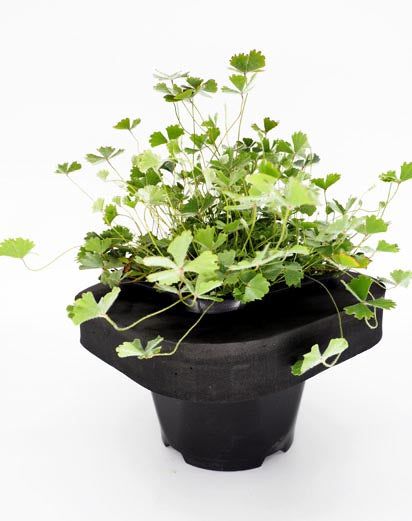
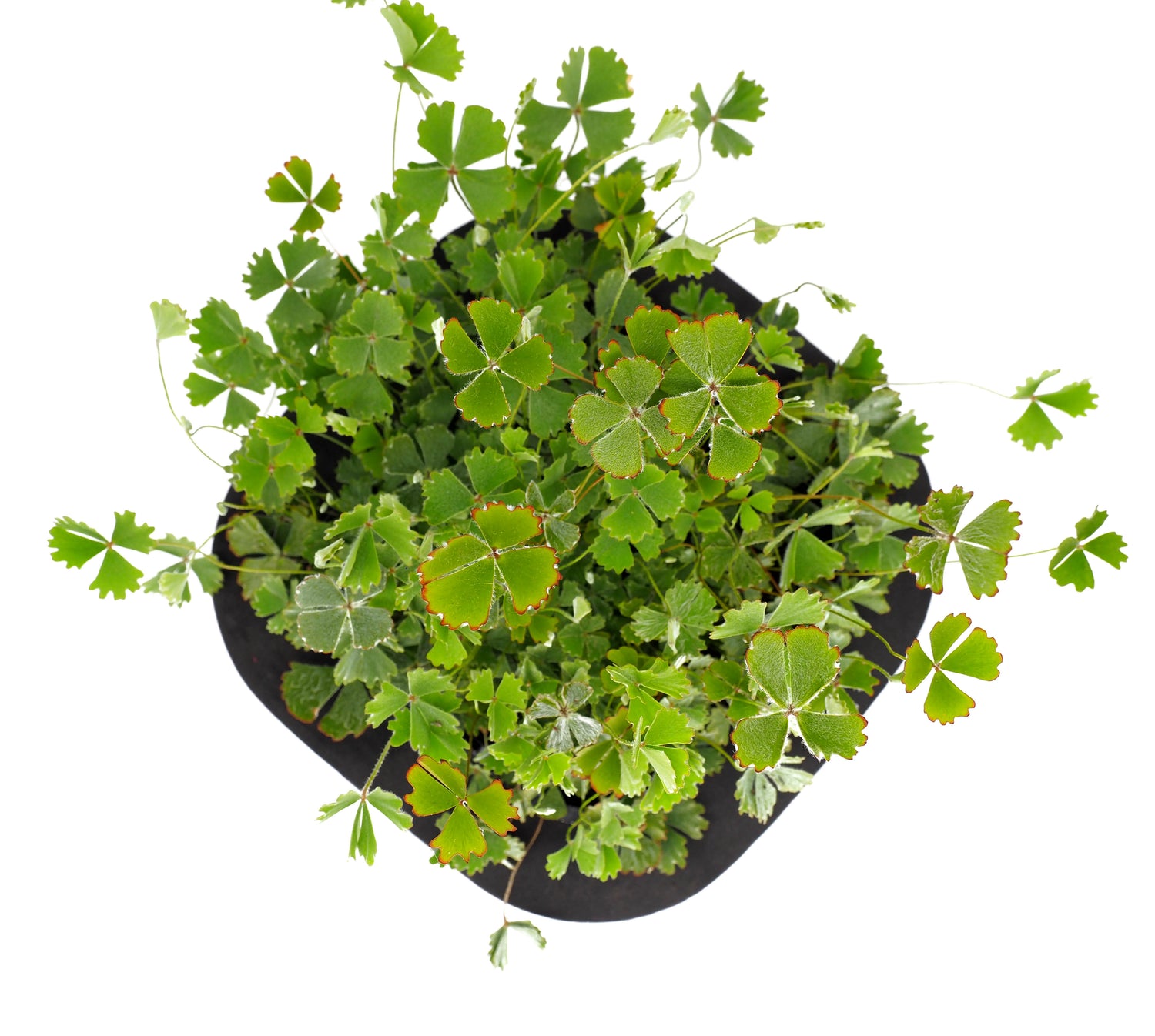
Hairy Nardoo (Marsilea drummondii) is a fascinating Australian native water plant with distinctive four-leaf clover-like foliage covered in fine, soft hairs. Also known as Nardoo, this unusual aquatic plant is a wonderful choice for adding native character and natural surface cover to your pond.
When grown fully submerged, Hairy Nardoo produces floating leaves that spread across the surface of the water. In shallower water, it can produce firmer upright stems, giving the plant a completely different appearance.
The four-leaf foliage has another interesting characteristic — it can close at night and during overcast weather, then open again when conditions brighten.
Why you'll love Hairy Nardoo
- Australian native water plant
- Distinctive four-leaf, clover-like foliage
- Soft, furry texture
- Foliage can float across the surface of the pond
- Can also grow upright in shallow water
- Suitable for water depths of up to approximately 30cm
- Provides excellent surface cover for fish
- Suitable for full sun to part shade
- Perennial plant
- Can grow to approximately 30cm diameter
- Edible node produced near the base of the stem
- A fascinating native plant for wildlife-friendly water gardens
Where to grow Hairy Nardoo
Hairy Nardoo is a versatile water plant that can be grown in different areas of your pond.
When grown fully submerged, the leaves rise to the surface and float on the water, creating attractive natural cover. When grown in shallower water, the plant can produce more upright stems and foliage.
It can tolerate water depths of up to approximately 30cm and grows well in full sun to part shade.
Hairy Nardoo's unusual four-leaf foliage
The most distinctive feature of Hairy Nardoo is its unusual four-leaf clover-like foliage. The leaves have a soft, furry texture and create a beautiful natural surface cover when the plant is growing submerged.
The foliage also has an interesting response to changing light conditions. The leaves can close at night and on overcast days, reopening when brighter conditions return.
This makes Hairy Nardoo a particularly interesting plant to watch as it changes throughout the day.
Hairy Nardoo for fish and pond habitat
When grown submerged, Hairy Nardoo produces foliage that spreads across the water surface, providing cover and shelter for fish.
Surface plants are an important part of a balanced water garden, creating shade and habitat while adding another layer of vegetation to the pond.
Combine Hairy Nardoo with marginal, flowering and oxygenating plants to create a diverse pond environment.
An edible Australian native plant
Hairy Nardoo is also an interesting addition to the garden because it produces a small edible node or bulb-like structure near the base of the stem.
While Nardoo has a long history of traditional use by Aboriginal Australians, care is important when preparing wild or cultivated native plants for consumption. Do not eat the plant raw; traditional preparation methods are important for safe consumption.
Hairy Nardoo Plant Information
Plant type: Perennial aquatic plant
Botanical name: Marsilea drummondii
Common name: Hairy Nardoo
Origin: Australia
Position: Full sun to part shade
Flowers: No
Water depth: Up to approximately 30cm
Foliage: Four-leaf, furry foliage that can float on the water surface
Growth: Approximately 30cm diameter
Oxygenating: No
Edible: Yes, edible node with appropriate preparation
Best for: Australian native water gardens, surface cover, fish habitat, shallow water and wildlife ponds
Grow Hairy Nardoo in your water garden
Hairy Nardoo is an excellent choice if you're looking for something different from conventional pond plants. Its unusual clover-like leaves, changing appearance and ability to grow both floating and upright make it a fascinating Australian native for ponds and water gardens.
Looking for more Australian native pond plants? Explore our range of Pond Plants Online and discover native, flowering, floating, oxygenating and habitat plants for your water garden.
Learn more
If you're interested in Australian native water plants and creating a wildlife-friendly pond, explore our range of native pond plants and habitat plants.

Australian Native | Perennial | Edible Bush Food | Frog Habitat | Shallow Water Plant
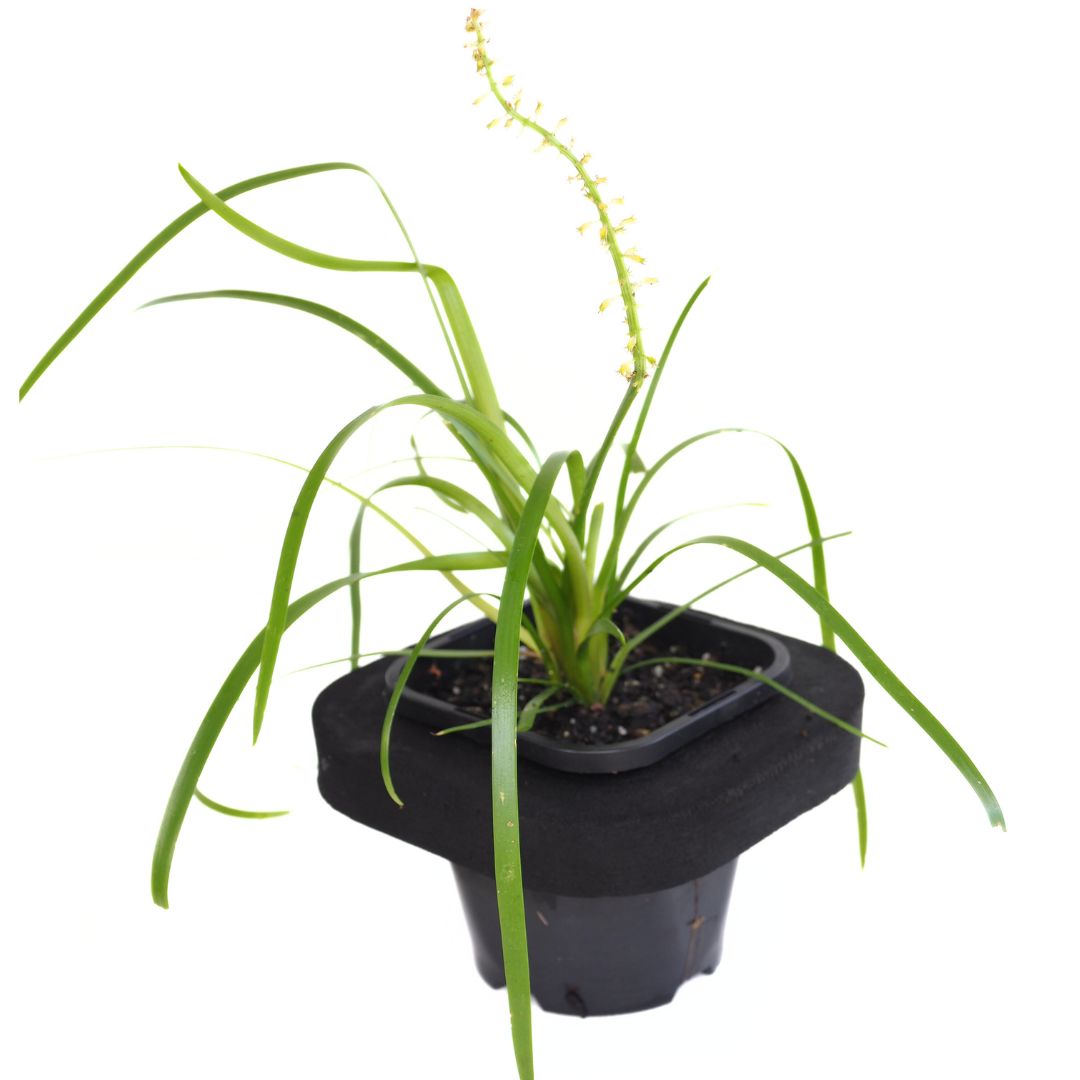
Bring a beautiful Australian native to your water garden with Water Ribbon, also known as Arrow Grass. With its long, strappy leaves and spreading growth habit, this hardy aquatic plant is an excellent choice for shallow pond margins, boggy areas and mass planting.
Water Ribbon provides valuable habitat and shelter for native frogs while its flowers can help attract beneficial insects to your pond. It is also an edible Australian bush food, with the tubers, lower parts of the stems and fruit traditionally used as food.
Whether you're creating a wildlife-friendly frog pond, establishing a natural-looking pond margin or looking for an Australian native to plant en masse, Water Ribbon is a versatile addition to the water garden.
Why Grow Water Ribbon in Your Pond?
Water Ribbon combines attractive foliage with valuable habitat benefits, making it an excellent choice for a natural Australian water garden.
• Australian native aquatic plant
• Provides shelter and cover for frogs
• Attracts beneficial insects to the pond
• Long, strappy foliage creates a natural spreading effect
• Excellent for mass planting
• Suited to boggy areas and shallow pond margins
• Can grow submerged to approximately 20cm
• Produces tall flower spikes with small creamy white flowers
• Edible Australian bush food
Water Ribbon Pond Plant Features
• Botanical name: Triglochin procera
• Common name: Water Ribbon
• Also known as: Arrow Grass
• Plant type: Aquatic perennial
• Origin: Australia
• Position: Part shade to full sun
• Flowers: Tall spikes with small creamy white flowers
• Water depth: Up to 20cm
• Height: Approximately 30–60cm
• Foliage: Long, strappy leaves with a spreading habit
• Cover: Excellent shelter and cover for frogs
• Edible: Yes
• Best suited to: Shallow pond margins, boggy areas and mass planting
Growing Water Ribbon
Water Ribbon is a hardy Australian native that naturally suits wet environments. It can be planted into shallow water or into consistently moist, boggy soil around the pond.
It can tolerate being submerged to approximately 20cm, making it suitable for a range of shallow pond locations.
Allow enough room for the plant to develop its spreading habit. Water Ribbon is particularly effective when planted in groups, where the long foliage creates a lush, natural appearance around the water's edge.
Position
Water Ribbon grows well in part shade to full sun.
A sunny position will encourage strong growth and flowering, while part shade is also suitable. Its adaptability makes it useful for ponds with varying levels of sunlight throughout the day.
Water Ribbon Foliage
One of the most attractive features of Water Ribbon is its long, strappy foliage.
The leaves have a spreading habit and can reach approximately 30–60cm in height, creating movement and texture around the pond margin.
Plant several together to create a natural mass of foliage, or combine Water Ribbon with other Australian native grasses, rushes and marginal plants for a layered wildlife habitat.
Water Ribbon Flowers
Water Ribbon produces tall flower spikes carrying small creamy white flowers.
The delicate flowers add another layer of interest above the foliage and can attract beneficial insects to the pond environment.
For the best flowering performance, position the plant where it receives plenty of sunlight.
A Great Plant for Frog Habitat
Water Ribbon is an excellent choice for a frog-friendly pond.
Its spreading foliage provides shelter and cover around the water's edge, giving frogs places to hide and move through the vegetation.
Creating a mixture of plants with different heights, textures and growth habits is a great way to provide a more diverse habitat. Combine Water Ribbon with native rushes, grasses, groundcovers and other marginal plants to create a natural transition from water to garden.
An Australian Native Bush Food
Water Ribbon is also an edible Australian native plant.
The tubers, lower parts of the stem and fruit have been used as bush foods. If growing Water Ribbon specifically as an edible plant, ensure you are confident in the correct identification and appropriate preparation before consuming any part of the plant.
Mass Planting in Boggy Areas
Water Ribbon is particularly effective when planted en masse.
Its spreading foliage can create a lush, natural effect across larger pond margins, bog gardens and other consistently wet areas. Mass planting also increases the amount of habitat available to frogs and other small wildlife.
For a natural Australian water garden, combine Water Ribbon with a selection of native rushes, sedges and flowering marginal plants.
Planting Water Ribbon in Your Water Garden
Choose a position in shallow water or a permanently moist area around the pond.
• Plant in shallow water up to approximately 20cm deep
• Alternatively, plant into boggy, consistently moist soil
• Position in part shade to full sun
• Allow room for the foliage to spread
• Mass plant for the best natural effect
• Combine with other native pond plants to increase habitat diversity
Feeding Water Ribbon
For vigorous growth, feed during the active growing season with a suitable slow-release aquatic plant fertiliser.
Insert the fertiliser into the planting medium according to the manufacturer's instructions, avoiding direct contact with the plant's crown.
Create a Native Wildlife Pond
Water Ribbon is a fantastic choice if you're looking to create a more natural, wildlife-friendly Australian pond.
Its combination of native habitat, spreading foliage, delicate flowers and edible bush-food qualities makes it much more than just an attractive marginal plant.
Plant Water Ribbon around your pond margin or through a boggy area and create a lush habitat that provides shelter for frogs while adding authentic Australian character to your water garden.