Search results
47 results
Search results


For a truly vibrant splash of colour, Yuh Ling is hard to beat. This beautiful hardy water lily produces intensely bright fuchsia-pink flowers that stand out beautifully against the water and surrounding greenery.
The young foliage emerges in attractive brownish tones before gradually maturing to deep green. Yuh Ling is a highly sought-after variety and a wonderful choice for gardeners looking for a bold pink water lily.
Why You'll Love Yuh Ling
- Stunning bright fuchsia-pink flowers
- Exceptionally vibrant flower colour
- Attractive brownish young foliage
- Leaves mature to deep green
- Highly sought-after cultivar
- Hardy perennial water lily
- Excellent feature plant
- Suitable for medium to large ponds
Plant Details
Botanical name: Nymphaea 'Yuh Ling'
Type: Hardy water lily
Flower colour: Bright fuchsia pink
Foliage: Brownish when young, maturing to dark green
Position: Full sun
Best suited to: Medium to large ponds
What You'll Receive
Our water lilies are supplied as a dormant water lily corm, ready for you to plant into your pond.
The corm may arrive with little or no foliage, particularly during cooler months. This is completely normal. Once planted in warm water and provided with plenty of sunlight, it will begin producing new roots and leaves.
Please note: Corm size and appearance naturally vary. Flowering and growth will depend on water temperature, sunlight, feeding and general growing conditions.

Hardy Water Lily | Pink Flowers | Corm Only | Suitable for Cold Climates
Bring beautiful pink water lily flowers to your pond with our generic Pink Hardy Water Lily corms. These hardy water lilies are a great choice for pond owners who want the beauty of a flowering water lily without needing a specific named variety.
Hardy water lilies are a classic choice for water gardens, producing attractive flowers that are held above the water line, creating a beautiful feature across the surface of your pond.
Our generic pink water lilies are suitable for small to medium-sized ponds and perform best when grown in full sun. They are also well suited to colder climates, making them an excellent choice for Australian ponds where winter temperatures can drop significantly.
Please note that these are generic pink water lilies, so the exact shade, flower shape, size and characteristics may vary. The product image is a guide only.
Why Grow a Pink Hardy Water Lily?
Water lilies are one of the most popular flowering pond plants for good reason. Their large floating leaves and beautiful flowers instantly transform the appearance of a pond.
A pink hardy water lily can provide:
• Beautiful pink flowers above the water
• Attractive floating foliage
• Shade across the surface of the pond
• A natural focal point for your water garden
• Shelter and cover for fish and other pond life
• Seasonal colour throughout the warmer months
Because this is a generic pink variety, it is also an affordable way to add a flowering water lily to your pond when a particular named cultivar isn't important.
Pink Hardy Water Lily Features
• Plant type: Hardy perennial water lily
• Flower colour: Pink
• Product supplied: Dormant corm only
• Position: Full sun
• Flowering: Flowers held above the water line
• Planting depth: Approximately 30–60cm
• Suitable pond size: Small to medium ponds
• Climate: Suitable for cold climates
• Foliage: Floating water lily leaves
• Variety: Generic pink water lily
• Important: Exact flower colour, form and size may vary
• Image: Product image is a guide only
Growing Pink Hardy Water Lilies
Hardy water lilies are perennial aquatic plants that spend much of their growing season producing leaves and flowers across the surface of the pond.
For the best flowering performance, position your water lily where it will receive plenty of direct sunlight.
As the plant establishes, its foliage will spread across the surface of the water, while flowers rise above the water line to create an eye-catching display.
A water lily also adds another layer of habitat to your pond. The leaves provide shade and shelter for fish and other aquatic life beneath the surface.
Position
For the best results, plant your Pink Hardy Water Lily in full sun.
Water lilies need good sunlight to produce strong growth and flowers, so avoid heavily shaded areas if flowering is a priority.
A position receiving several hours of direct sunlight each day will give your water lily the best opportunity to thrive and produce flowers throughout the warmer growing season.
Planting Depth
Pink Hardy Water Lilies are best positioned at approximately 30–60cm below the water surface.
When planting a dormant corm, take care to position it correctly in an aquatic planting basket using suitable aquatic soil.
As the plant establishes, it will develop foliage that reaches the surface and produces flowers above the water.
If your pond is deeper than the recommended planting depth, you can initially position the basket at a shallower level and gradually lower it as the plant develops.
Pink Flowers Above the Water
One of the defining features of a hardy water lily is its beautiful flowers, which are held above the surface of the water.
Our Pink Hardy Water Lily is supplied as a generic pink corm, so the exact shade and flower characteristics can vary from plant to plant.
This makes each plant a little different, and is ideal for customers who simply want a beautiful pink flowering water lily rather than a specific named cultivar.
Please note: Our pink hardy water lilies are generic and may differ in flower colour, shape and appearance. The product image is a guide only.
Suitable for Cold Climates
Hardy water lilies are an excellent choice for ponds in colder climates.
Unlike tropical water lilies, hardy varieties are suited to seasonal changes and can remain dormant during colder periods before returning to active growth as temperatures rise.
This makes them particularly suitable for Australian gardens that experience cool winters and frost.
Planting Your Pink Hardy Water Lily Corm
For best results:
• Plant the dormant corm in a suitable aquatic planting basket
• Use aquatic soil designed for water plants
• Position the growing point correctly when planting
• Place the basket approximately 30–60cm below the water surface
• Position the plant in full sun for the best flowering
• Allow space for the leaves to spread across the pond surface
• Keep the water lily well watered during establishment
Once established, your water lily will gradually produce leaves and flowers across the surface of the pond.
Feeding Your Hardy Water Lily
Water lilies are heavy-growing flowering plants and benefit from regular feeding during the growing season.
Use a slow-release aquatic fertiliser tablet designed specifically for water lilies and aquatic plants. Push the tablet into the aquatic soil around the plant's root zone, following the manufacturer's recommended application rate.
Avoid adding fertiliser directly to the pond water, as excess nutrients can encourage unwanted algae growth.
A Beautiful Pink Addition to Your Pond
A Pink Hardy Water Lily is a wonderful way to create a classic water garden look, with attractive floating foliage and beautiful flowers rising above the water.
Our generic pink corms are an excellent choice for small to medium-sized ponds, particularly when you want a beautiful flowering water lily without needing a specific named variety.
Add a Pink Hardy Water Lily to your pond and enjoy beautiful seasonal flowers, floating foliage and a classic water garden feature — all from a dormant corm.
Important Variety Information
Our Pink Hardy Water Lilies are generic pink water lilies and are not supplied as a specific named cultivar.
Individual plants may vary in:
• Shade of pink
• Flower size
• Flower shape
• Leaf size
• Overall growth characteristics
The product image is a guide only and does not represent an exact flowering specimen.


Perennial
Position Full sun still water
Frost Hardy Yes
Flowering Yes
Origin Europe
When you think of pond plants, most people think of water lilies and really no water garden is complete without at least one. Hardy Water Lilies are a tuber-type water plant that originates in Europe.
The leaves can come in various sizes, some are classic green whilst others are patterned. Hardy-type water lilies are ideal for all climates growing rapidly in the warmer months before dying down over winter.
They flower from late spring and into summer and grow rapidly during this period, so they require regular monthly fertilising. To flower water lilies require at least 5 hours of sunlight per day.
Water lilies require still water around them to thrive and splashing water may even bruise and damage the leaves of the plant. They should be potted in a loamy mix of soil and this soil type is present in many older home gardens. Loamy soil should hold its shape when wet and they will even grow in clay-type soils as well. They are best planted into a pot with a fine layer of gravel over the top to prevent the soil from washing out until the plant is established. To get continued flowering from water lilies on your pond, they should be divided and repotted on an annual basis.
*This water lily starter kit provides a mix of water lily corms (not potted) that could include, pink, white, yellow, and apricot.
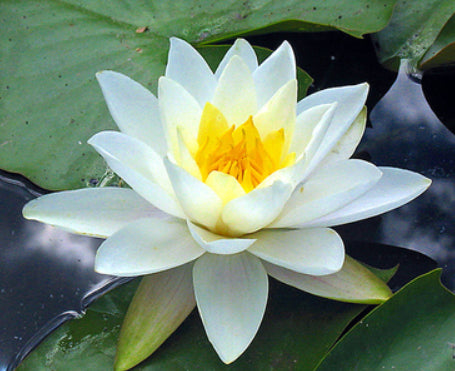
A hardy water lily that elegantly flowers above the water line. Our generic white water lily is a great choice for any pond or water garden where a specific variety is not important.
Suitable for small - medium size ponds.
Flowers best in full sun.Suitable for cold climates.
Submerge 30-60cm.
Our white hardy water lilies are generic and may differ, image is a guide only.
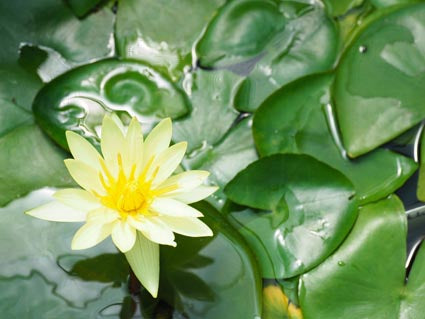
Hardy Water Lily | Yellow Flowers | Corm Only | Full Sun
Bring the classic beauty of a water lily to your pond with our Yellow Hardy Water Lily Corm.
This is a dormant water lily corm only, supplied ready for you to plant and grow in your pond or water garden. Once established, the corm will develop into a beautiful hardy water lily with round floating leaves and yellow flowers held proudly above the water line.
Our generic yellow hardy water lily is a great choice when you want the beauty of a yellow water lily but don't require a specific named variety.
Suitable for small to medium-sized ponds, hardy water lilies are also well suited to colder climates.
Why Grow a Hardy Water Lily?
Water lilies are one of the most recognisable and rewarding pond plants. Their large, rounded leaves spread across the surface of the water while their flowers rise above the lily pads to create a beautiful focal point.
The yellow flowers provide a bright splash of colour during the warmer months, while the floating leaves add shade and cover to the pond surface.
Growing your water lily from a corm also gives you the satisfaction of watching it establish and develop into a beautiful flowering aquatic plant.
Yellow Hardy Water Lily Corm Features
• Plant type: Hardy perennial water lily
• Product supplied: Dormant corm only
• Flower colour: Yellow
• Flowers: Held above the water line
• Position: Full sun
• Growing depth: Approximately 30–60cm
• Suitable for: Small to medium-sized ponds
• Climate: Suitable for cold climates
• Growth habit: Floating lily pads with flowers held above the water
• Best suited to: Ponds and water gardens
What You Will Receive
This product is supplied as a hardy water lily corm only.
The corm is not supplied as an established potted plant. You will need to plant the corm in a suitable aquatic planting container and place it into your pond at the recommended depth.
As the corm establishes, it will produce new growth, lily pads and eventually flowers.
Planting Your Water Lily Corm
Plant the corm into a suitable aquatic planting basket using quality aquatic planting media.
Position the corm in the basket according to its growing direction, ensuring the growing point is positioned correctly so new shoots can emerge.
Once planted, gradually position the basket in the pond so the growing depth is approximately 30–60cm.
The exact depth can depend on the size and stage of growth of the plant. Starting slightly shallower can be beneficial while a newly planted corm is establishing, before moving it to its final depth as the plant develops.
Avoid covering the growing point of the corm too deeply.
Position
Hardy water lilies flower best in full sun.
Choose a position where your water lily will receive plenty of direct sunlight throughout the day. Good sunlight is important for encouraging healthy growth and flowering.
Hardy water lilies are suitable for cold climates, making them a great choice for ponds where winter temperatures can be low.
Growing Your Water Lily
After planting, be patient while your corm establishes.
The corm will first develop roots and new shoots before producing floating lily pads. Once established, the lily pads will gradually spread across the surface of the water and flowers will emerge above the water line.
Give your water lily plenty of room to develop and avoid overcrowding it with other vigorous plants.
Feeding Your Hardy Water Lily
Water lilies benefit from regular feeding during their growing season.
Use a suitable aquatic fertiliser tablet, inserting it into the planting media around the corm while taking care not to damage the plant. Always follow the manufacturer's instructions for application rate and frequency.
Regular feeding will help support healthy foliage and flowering once the plant is actively growing.
Important Information About Our Generic Yellow Water Lilies
Our yellow hardy water lilies are generic varieties and are supplied based on availability.
The exact flower shape, shade of yellow, size and appearance may vary between corms.
The image shown is a guide only. The water lily that grows from your corm may differ from the pictured flower.
This listing is for a Corm Only – it is not a potted or established water lily.
If you are looking for a particular named water lily variety, please contact us before purchasing and we can advise what varieties may be available.
Yellow Hardy Water Lily Corms Are Ideal For
• Small ponds
• Medium-sized ponds
• Water gardens
• Formal ponds
• Natural-style ponds
• Cold-climate ponds
• Customers wanting to grow their own water lily from a corm
Plant a Yellow Hardy Water Lily Corm and watch it develop into a beautiful flowering water lily for your pond or water garden.

The Attraction Hardy Water Lily (Nymphaea 'Attraction') is one of the most famous and reliable red hardy water lilies in the world. Producing large, richly coloured crimson-red flowers that sit proudly above the water's surface, this stunning variety creates a striking focal point in any pond.
This water lily is supplied as a dormant corm only, not as a potted plant.
Its vibrant blooms contrast beautifully with its glossy green lily pads, while the generous foliage provides valuable shade for fish and helps create a naturally balanced pond ecosystem. Flowering continuously from spring through to autumn, Attraction is a vigorous grower that quickly establishes into a spectacular display.
Best suited to medium and large ponds, Attraction has a broader spread than compact water lilies, making it ideal where you want bold colour and impressive coverage. Once established, this hardy variety returns year after year, producing an abundance of flowers with very little maintenance.
For the best flowering performance, plant Attraction in a sunny position using quality aquatic potting mix and feed regularly with aquatic fertiliser tablets throughout the growing season.
Quick Facts
Botanical Name: Nymphaea 'Attraction'
Flower Colour: Deep crimson-red
Flower Size: Large
Suitable for: Medium to large ponds
Plant Spread: Approximately 120–180 cm
Planting Depth: Submerge 40–90 cm below the water surface
Sun Requirements: Flowers best in full sun (minimum 4–6 hours of direct sunlight daily)
Climate: Suitable for cold climates and returns each spring after winter dormancy
Flowering Season: Spring to autumn
Why We Recommend Attraction
-
Spectacular deep crimson-red flowers that make a bold statement.
-
One of the most reliable and widely grown hardy water lilies.
-
Long flowering season from spring through autumn.
-
Large floating foliage provides shade and shelter for fish.
-
Excellent choice for creating a feature in medium to large ponds.
-
Hardy and easy to grow throughout Australia's temperate and cooler climates.
Growing Tips
Plant Attraction in a wide aquatic planting basket using heavy aquatic potting mix. Position the rhizome with the growing tip just above the soil surface before slowly lowering the basket until the crown sits 40–90 cm below the water surface.
Feed regularly with aquatic fertiliser tablets during spring and summer to encourage strong growth and prolific flowering. Remove spent flowers and older leaves to keep the plant healthy and encourage fresh blooms throughout the season.
Like all hardy water lilies, Attraction becomes dormant during winter before producing fresh foliage and flowers again as temperatures rise in spring.
Perfect For
-
Medium backyard ponds
-
Large ornamental ponds
-
Fish ponds
-
Feature water gardens
-
Formal landscapes
-
Gardeners wanting a bold flowering display
Frequently Asked Questions
Is Attraction a good water lily for beginners?
Yes. Attraction is a hardy, reliable variety that is easy to grow and rewards gardeners with spectacular flowers year after year.
How much sunlight does Attraction need?
For the best flowering display, plant Attraction where it receives at least 4–6 hours of direct sunlight each day.
Can Attraction be grown in a small pond?
Because of its vigorous growth and larger spread, Attraction is best suited to medium and large ponds. For smaller ponds or container water gardens, a more compact variety such as Hermine may be a better choice.
When does Attraction flower?
Attraction flowers from spring through to autumn, producing repeated flushes of large crimson-red blooms when grown in full sun and fed regularly.

Brighten your pond with the cheerful Yellow Princess Water Lily, a beautiful hardy variety producing elegant star-shaped flowers with bright yellow inner petals surrounded by creamy-yellow outer petals.
Unlike some yellow water lilies, Yellow Princess is particularly appealing for its clean, pure yellow colouring without pink or peach blushes. Its green leaves emerge with attractive purplish-brown speckling around the margins before maturing.
Why You'll Love Yellow Princess
- Beautiful star-shaped yellow flowers
- Bright yellow inner petals
- Creamy-yellow outer petals
- Clean yellow colouring with no pink blush
- Attractive purplish-brown leaf markings when young
- Hardy perennial
- Excellent flowering variety
- Suitable for medium to large ponds
Plant Details
Botanical name: Nymphaea 'Yellow Princess'
Type: Hardy water lily
Flower colour: Bright yellow and creamy yellow
Flower type: Star-shaped
Foliage: Green with purplish-brown markings when young
Position: Full sun
Best suited to: Medium to large ponds
What You'll Receive
Our water lilies are supplied as a dormant water lily corm, ready for planting.

Make a dramatic statement with Regal Red, a spectacular hardy water lily producing intensely dark crimson-red flowers that deepen towards almost black at the centre.
The flowers are complemented by attractive oval leaves that emerge in purplish-red tones before fading to olive green. Although harder to come by, Regal Red is a free-flowering variety and its relatively compact growth makes it suitable for both small and medium-sized ponds.
This water lily is supplied as a dormant corm only, not as a potted plant.
Why You'll Love Regal Red
- Intense crimson-red flowers
- Flowers deepen to a dramatic very dark crimson
- Attractive purplish-red young foliage
- Free-flowering
- Small to medium-growing variety
- Suitable for small and medium ponds
- Rare and highly sought-after cultivar
- Beautiful feature plant
Plant Details
Botanical name: Nymphaea 'Regal Red'
Type: Hardy water lily
Flower colour: Dark crimson-red
Foliage: Purplish-red when young, maturing to olive green
Position: Full sun
Best suited to: Small to medium ponds
What You'll Receive
Our water lilies are supplied as a dormant water lily corm, ready for planting.

Australian Native | Water Clover | Shade Tolerant | Excellent Cover
Marsilea Mutica Nardoo, also known as Rainbow Nardoo or Water Clover, is a fascinating Australian native pond plant grown for its unusual clover-shaped foliage.
Unlike many pond plants, Nardoo doesn't produce flowers. Instead, its appeal comes from its distinctive foliage, which can grow above the water or float across the surface. The leaves can display attractive variegated colouring, adding texture and interest to your pond.
Nardoo is an excellent choice when you're looking for a native alternative to water lilies. Its spreading foliage provides valuable cover across the pond surface while creating shelter and protection for fish and frogs.
Why Grow Nardoo in Your Pond?
Nardoo is one of those plants that immediately adds something different to a water garden. Its four-leaf-clover-like foliage creates a unique appearance that is quite unlike traditional pond plants.
It is also a particularly useful plant for providing pond cover. Allow it to spread across the surface and it can create shaded areas and shelter for fish and frogs.
As an Australian native, Nardoo is a great choice for customers wanting to create a more natural, wildlife-friendly pond using plants suited to Australian conditions.
Marsilea Mutica Nardoo Pond Plant Features
• Botanical name: Marsilea mutica
• Common names: Nardoo, Rainbow Nardoo, Water Clover
• Plant type: Aquatic perennial
• Origin: Australia
• Position: Part shade to full sun
• Shade tolerance: Yes
• Flowers: No
• Water depth: Approximately 20–50cm
• Foliage: Grows above or floats on the water
• Foliage type: Distinctive clover-shaped leaves
• Colour: May display attractive variegated colouring
• Cover: Excellent surface cover for fish and frogs
• Oxygenator: No
• Best suited to: Ponds, water gardens and wildlife ponds
Growing Nardoo
Nardoo is a versatile aquatic plant that can grow with its foliage above the water or floating across the surface.
It can be planted at approximately 20–50cm deep and allowed to spread naturally. As it establishes, its unusual clover-shaped leaves can create excellent coverage across the pond.
Its spreading habit makes it particularly useful where you want to introduce more shade and shelter to the water without using a traditional water lily.
Position
Nardoo will grow in part shade through to full sun and is tolerant of shaded positions.
This makes it a useful option for ponds where other plants may struggle to receive full sunlight.
For stronger growth and more vigorous surface coverage, a position with good natural light is ideal, but Nardoo can also perform well in part shade.
Nardoo – A Native Alternative to Water Lilies
If you love the idea of having foliage floating across your pond but want something different from a traditional water lily, Nardoo is an excellent Australian native alternative.
Its clover-shaped leaves create a softer, more natural appearance across the water and can spread to provide cover without the large lily flowers.
Combine Nardoo with flowering marginal plants, upright native pond plants and oxygenators to create layers of planting throughout your water garden.
Great Cover for Fish and Frogs
One of the biggest benefits of Nardoo is its ability to provide cover and protection for pond life.
As the foliage spreads across the water, it creates shaded areas and shelter where fish and frogs can feel more protected.
For a wildlife-friendly pond, combine Nardoo with other plants that provide different types of habitat, including upright marginal plants and plants with foliage around the pond edge.
Nardoo in Winter
In cooler regions of Australia, Nardoo can die back during winter.
Don't be concerned if the plant appears to disappear during the colder months. It can emerge again as temperatures rise in spring.
This seasonal growth cycle is a natural part of the plant's behaviour and allows Nardoo to return when conditions become more favourable.
Feeding Nardoo
Feed Nardoo in spring as new growth begins to encourage healthy development throughout the growing season.
We recommend Pond Plantz Time Release Fertilizer Tablets. Insert the tablet approximately 5–10cm beneath the surface of the soil, taking care not to damage the plant's roots.
Always follow the manufacturer's instructions for application rate and frequency.
Is Nardoo an Oxygenating Plant?
No. Nardoo is not an oxygenating pond plant.
Its main benefits are its unusual foliage, spreading habit and ability to provide cover and shelter for fish and frogs.
For a balanced pond planting scheme, combine Nardoo with dedicated oxygenating plants, marginal plants and flowering pond plants.
A simple way to plan your pond planting is to follow the 3-2-1 rule: 3 oxygenating plants, 2 marginal plants and 1 flowering plant per square metre.
Planting Nardoo in Your Water Garden
Nardoo is ideal for:
• Wildlife ponds
• Native Australian ponds
• Pond margins and shallow areas
• Natural-style ponds
• Fish ponds
• Frog-friendly ponds
• Water gardens
• Ponds where surface cover is needed
Add Nardoo to your pond for distinctive clover-shaped foliage, natural surface cover and a beautiful Australian native alternative to traditional water lilies.
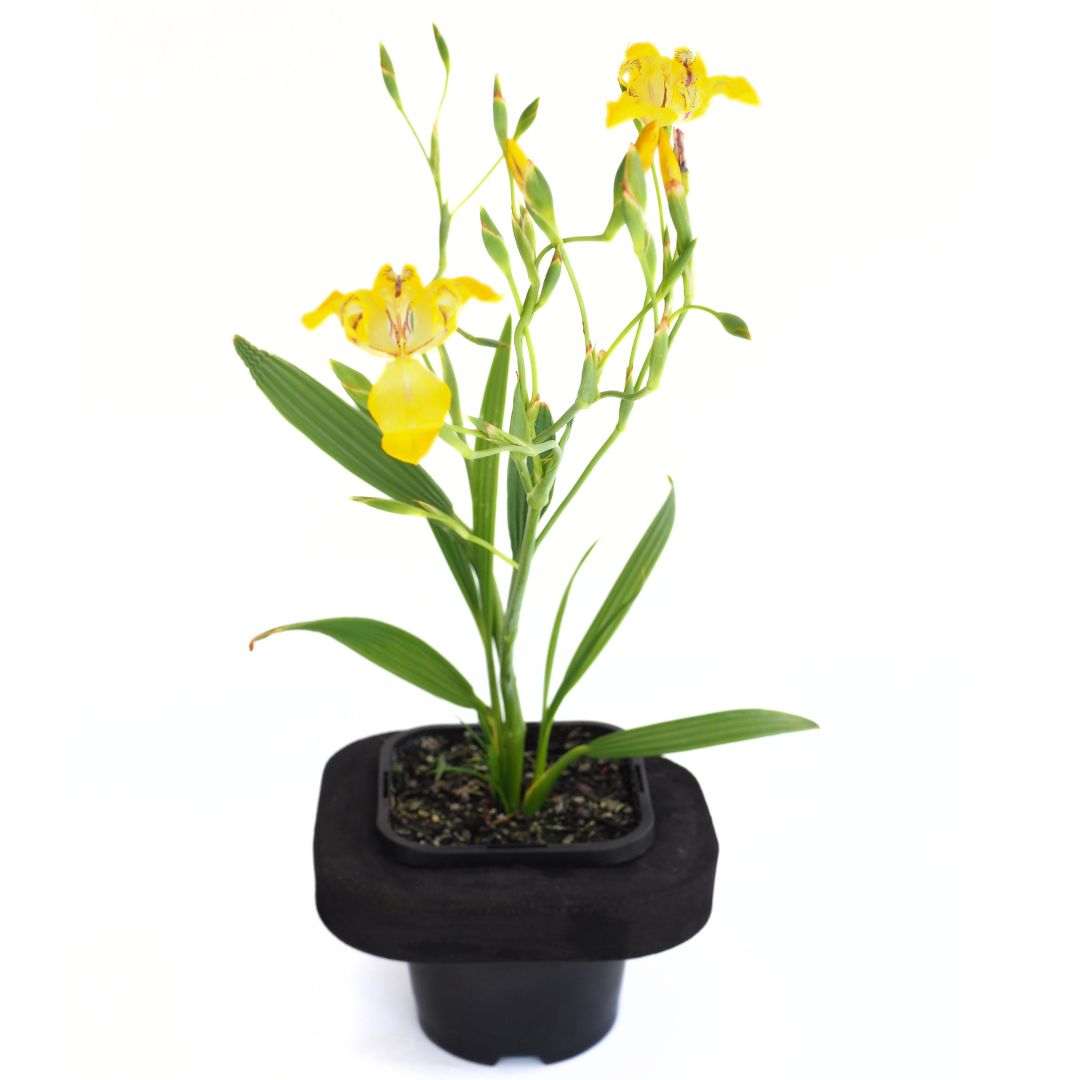
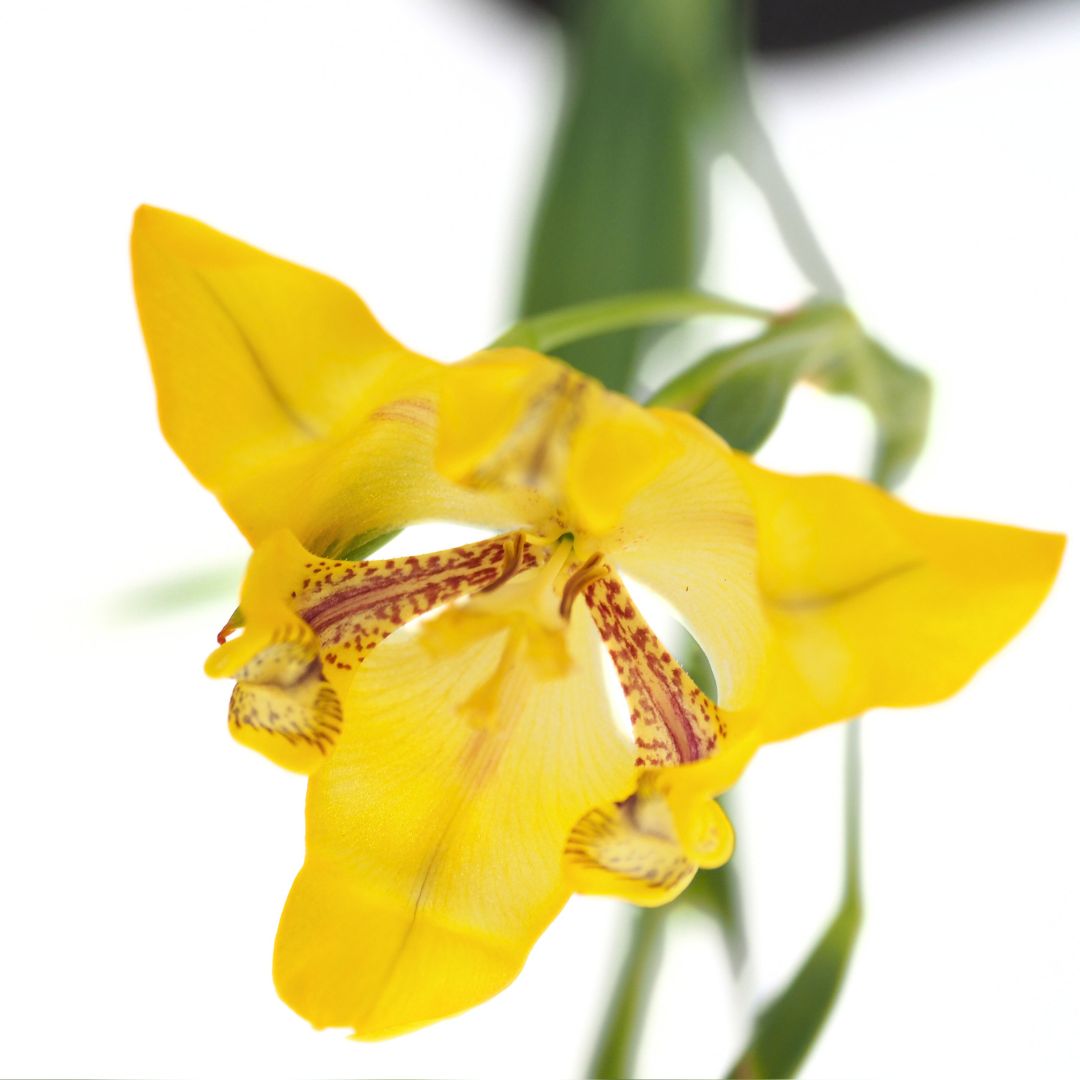
Perennial | Yellow Flowers | Pond Margin Plant | South American Native
Water Orchid (Cypella aquatilis) is a rare and beautiful pond plant that brings an exotic touch to the water garden. Also sometimes known as Water Tulip, this petite member of the iris family produces delicate strap-like foliage and stunning yellow, orchid-like flowers during spring and summer.
Growing from a small bulb, Water Orchid is a slow-growing plant that stays relatively compact, making it an excellent choice for smaller ponds, water bowls and pond margins. Its fine green foliage rises above the water, while its striking flowers provide a beautiful seasonal display.
For the best flowering, position Water Orchid where it receives plenty of sunshine. It will tolerate part shade, but a sunny position will generally encourage more flowers.
Why Grow Water Orchid in Your Pond?
Water Orchid is a great choice if you're looking for something a little different for your pond.
Its stunning yellow flowers stand out beautifully against the surrounding greenery, while its fine, upright foliage adds texture without overwhelming the pond.
Water Orchid looks particularly impressive when planted en masse along the pond margin, creating a natural swathe of foliage and bright yellow flowers.
It also provides valuable shelter and cover for frogs, making it a beautiful plant that contributes to the habitat around your water garden.
Water Orchid Pond Plant Features
- Botanical name: Cypella aquatilis
- Common name: Water Orchid
- Also known as: Water Tulip
- Plant type: Perennial
- Origin: South America
- Position: Part shade to full sun
- Flowers: Stunning yellow orchid-like flowers
- Flowering period: Spring and summer
- Height: Approximately 15cm
- Width: Approximately 30cm
- Water depth: Up to 5cm
- Best suited to: Pond margins, shallow water and boggy areas
- Foliage: Thin, strap-like foliage growing above the water line
- Growth habit: Slow growing from a small bulb
- Cover: Provides shelter and cover for frogs
Growing Water Orchid
Water Orchid is best planted around the margins of your pond, where it can enjoy consistently moist conditions without being completely submerged.
It can tolerate shallow water to approximately 5cm deep, but prefers pond margins and boggy areas where its foliage can grow above the water line.
The plant develops from a small bulb and grows slowly, making it a good choice for adding long-term structure and interest to the pond without becoming overly vigorous.
When planting, give Water Orchid enough room to spread to approximately 30cm wide. Planting several together can create a particularly impressive display once they establish.
Position
Water Orchid will grow in part shade to full sun.
Although it is tolerant of semi-shaded positions, choose a sunny location if flowers are your priority. Good sunlight will help encourage the best flowering during spring and summer.
Its slender foliage also makes it a useful plant for adding vertical interest around the pond without creating too much shade over the water.
Water Orchid Flowers
The highlight of this unusual pond plant is undoubtedly its yellow, orchid-like flowers.
Flowers appear during spring and summer, providing a beautiful splash of colour around the pond margin. The delicate flowers are particularly effective when combined with lush green foliage and other flowering pond plants.
For the biggest visual impact, try planting Water Orchid in groups or drifts along the pond edge.
Water Orchid for Frog Habitat
A well-planted pond provides much more than just visual appeal.
Water Orchid's foliage creates shelter and cover for frogs, helping to make the pond margin a more welcoming habitat.
Combine it with other marginal and bog plants at different heights to create layers of vegetation around your pond. This provides a more natural environment while also giving your pond plenty of form and structure.
Feeding Water Orchid
For healthy growth and flowering, feed Water Orchid monthly from spring with a suitable aquatic fertiliser.
We recommend Pond Plantz Time Release Fertilizer Tablets. Insert the tablet approximately 5–10cm beneath the surface of the soil, following the manufacturer's instructions for application.
Regular feeding during the growing season can help support strong foliage and flowering.
Planting Water Orchid in Your Water Garden
Water Orchid is particularly well suited to:
- Pond margins
- Boggy garden areas
- Shallow water
- Water bowls
- Small ponds
- Natural-style ponds
- Mass plantings along pond edges
Its compact size makes it an excellent option when you want to add colour and interest without a large plant taking over the pond.
Add Water Orchid to your pond for delicate foliage, stunning yellow flowers and valuable frog habitat.

The Darwin Hardy Water Lily (Nymphaea 'Darwin') is a magnificent deep pink hardy water lily admired for its large, beautifully formed blooms and dependable flowering. Its vibrant flowers rise proudly above the water, creating a stunning feature throughout the warmer months.
A vigorous yet manageable variety, Darwin is ideal for medium to large ponds, where its attractive floating foliage provides shade for fish while helping maintain a naturally balanced pond ecosystem.
Darwin flowers prolifically from spring through autumn and returns reliably each year after winter dormancy, making it one of the easiest hardy water lilies to grow.
Please Note: Water Lily Corms Supplied Only
This water lily is supplied as a dormant corm only, not as a potted plant.
Your water lily will arrive ready to plant into an aquatic basket using quality aquatic potting mix before placing it into your pond.
Quick Facts
Botanical Name: Nymphaea 'Darwin'
Flower Colour: Deep pink
Flower Size: Large
Suitable for: Medium to large ponds
Plant Spread: Approximately 120–180 cm
Planting Depth: Submerge 30-60 cm
Sun Requirements: Flowers best in full sun
Climate: Suitable for cold climates
Flowering Season: Spring to autumn
Why We Recommend Darwin
- Large deep pink blooms.
- Excellent flowering performance.
- Ideal feature plant for larger ponds.
- Provides shade and shelter for fish.
- Reliable and easy to grow.
Growing Tips
Plant Darwin into a large aquatic basket using heavy aquatic potting mix. Feed regularly throughout spring and summer using aquatic fertiliser tablets to encourage strong flowering.
Position in full sun for the best display and remove spent blooms to encourage repeat flowering.
Perfect For
- Medium ponds
- Large ponds
- Ornamental ponds
- Fish ponds
- Feature water gardens
Frequently Asked Questions
Is Darwin easy to grow?
Yes. Darwin is a hardy, vigorous variety that flowers reliably each season.
How is Darwin supplied?
Darwin is supplied as a dormant corm only and is not supplied as a potted plant.


For classic elegance, it's hard to beat Gonnere Water Lily. This beautiful hardy variety produces spectacular pure white, double flowers with a rounded, almost snowball-like appearance and a contrasting cluster of golden-yellow stamens. It is sometimes referred to as 'Snowball Crystal White'.
The flowers can reach around 15cm across and are lightly scented, making Gonnere a beautiful focal point for a water garden. Its rounded green foliage provides the perfect backdrop for the brilliant white blooms.
Why You'll Love Gonnere
- Spectacular double white flowers
- Beautiful rounded snowball-shaped blooms
- Lightly fragrant
- Golden-yellow stamens create a beautiful contrast
- Attractive round green leaves
- Hardy and reliable
- Excellent flowering variety
- Suitable for medium to large ponds
Growing Gonnere
Gonnere prefers full sun and still water. Plant the corm so the growing tip sits below the water surface and gradually lower the plant as it establishes.
Regular aquatic fertiliser during the growing season will encourage healthy foliage and flowering.
Plant Details
Botanical name: Nymphaea 'Gonnere'
Type: Hardy water lily / aquatic perennial
Flower colour: Pure white
Flower type: Double
Flower size: Up to approximately 15cm
Foliage: Round green leaves
Position: Full sun
Best suited to: Medium to large ponds
What You'll Receive
Our water lilies are supplied as a dormant water lily corm, ready for planting.
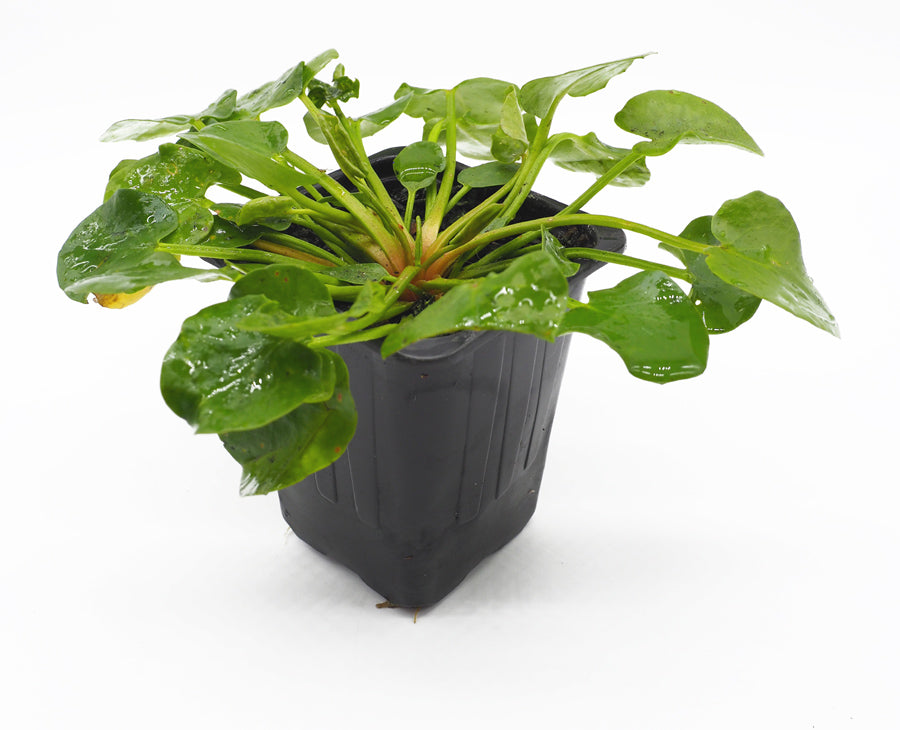
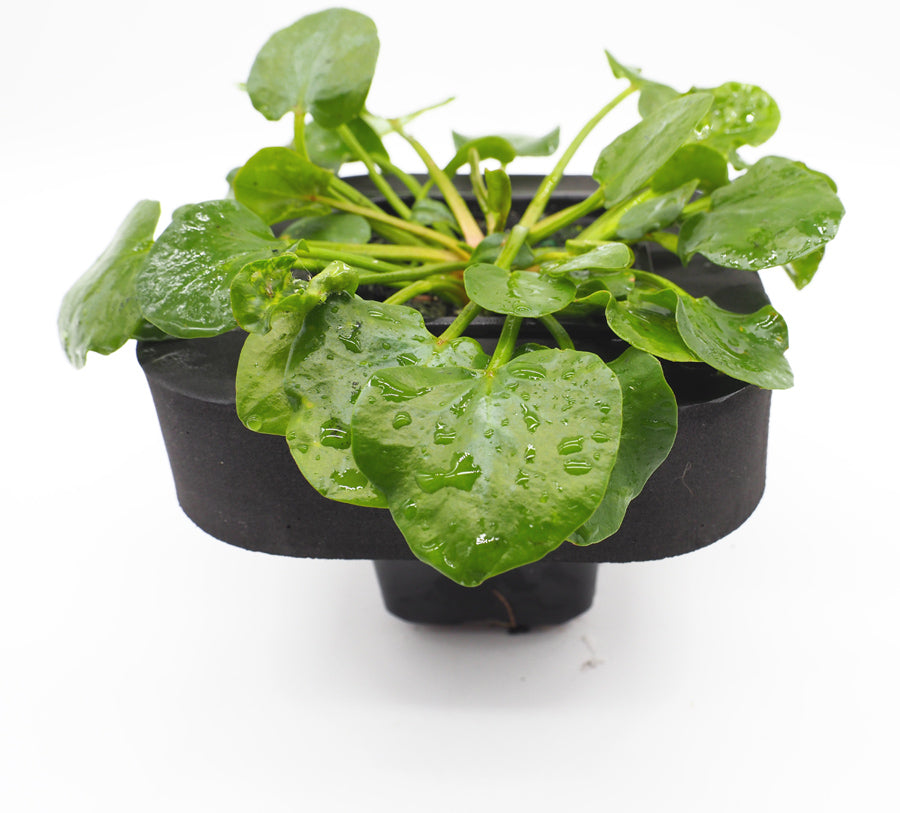
Running Marsh Flower (Villarsia reniformis), also known as Golden Marsh, is a beautiful Australian native pond plant with glossy green, lily-like leaves and cheerful yellow flowers. Its foliage gives it the appearance of a miniature water lily, making it an excellent choice when you want the look of a water lily without needing a large pond.
A versatile plant for both small and large water gardens, Running Marsh Flower can be planted in shallow water up to approximately 5cm deep, grown in a floating pond ring or planted around the boggy and marginal areas of your pond.
When grown in a floating ring, it can spread across the water surface to provide valuable cover and shelter for fish and tadpoles.
Why you'll love Running Marsh Flower
- Beautiful Australian native pond plant
- Also known as Golden Marsh
- Glossy, bright green lily-type leaves
- Produces attractive yellow flowers
- Flowers from approximately October to March
- Flower stems can reach approximately 50cm
- Suitable for part shade to full sun
- Can be grown in shallow water up to approximately 5cm deep
- Excellent plant for boggy and marginal pond areas
- Can be grown in a floating pond ring
- Provides cover and shelter for fish and tadpoles
- Suitable for both small and large water gardens
Where to grow Running Marsh Flower
Running Marsh Flower is a versatile plant that can be used in several areas of the water garden. It grows well in part shade through to full sun and can tolerate shallow water up to approximately 5cm deep.
It is particularly well suited to boggy areas and pond margins, where the soil remains consistently moist.
Alternatively, place it in one of our floating pond rings and allow the foliage to spread across the surface of the pond. This creates an attractive natural display while providing cover for fish and tadpoles.
Running Marsh Flower – a native alternative to a water lily
With its shiny bright green, lily-type leaves, Running Marsh Flower has the appearance of a small water lily, making it a great choice for smaller ponds, water bowls and container water gardens where a traditional water lily may be too large.
Its yellow flowers rise above the foliage on stems that can reach approximately 50cm, adding height and seasonal colour to the water garden.
Yellow flowers from spring through summer
Running Marsh Flower produces its distinctive yellow flowers from approximately October through to March, providing a long flowering period through the warmer months.
The combination of glossy green foliage and bright yellow flowers makes it an attractive feature plant for the edge or surface of your pond.
Running Marsh Flower for fish and tadpoles
When grown in a floating pond ring, Running Marsh Flower can spread across the water surface, creating natural cover and shelter for fish and tadpoles.
For a wildlife-friendly pond, combine it with a selection of plants that provide cover at different levels, including floating, submerged and marginal pond plants.
Running Marsh Flower Plant Information
Plant type: Perennial aquatic pond plant
Botanical name: Villarsia reniformis
Common names: Running Marsh Flower, Golden Marsh
Origin: Australia
Position: Part shade to full sun
Flowers: Yellow
Flowering period: Approximately October to March
Flower stems: Up to approximately 50cm
Water depth: Up to approximately 5cm
Foliage: Shiny, bright green lily-type leaves
Oxygenating: No
Edible: No
Best for: Pond margins, boggy areas, shallow water, floating rings and fish and tadpole cover
Grow Running Marsh Flower in a floating pond ring
Our floating pond rings make it easy to add Running Marsh Flower to your pond without complicated planting.
Simply place the plant into the floating ring and position it on the water surface. As it establishes, the foliage can spread outwards to create a natural green cover across the pond.
Looking for more Australian native pond plants? Explore our range of Pond Plants Online and discover native, flowering, floating, oxygenating and habitat plants for your water garden.

The Fabiola Hardy Water Lily (Nymphaea 'Fabiola') is a stunning hardy water lily prized for its elegant pink blooms and reliable flowering performance. Producing beautiful soft pink flowers that float gracefully above the water, Fabiola adds a romantic and timeless look to backyard ponds and water gardens.
Its attractive green lily pads provide valuable shade across the pond surface, helping create shelter for fish while contributing to a healthier pond ecosystem. With its classic colouring and dependable growth habit, Fabiola is a popular choice for gardeners wanting a traditional flowering water lily that performs well year after year.
Fabiola is well suited to small to medium-sized ponds, making it a versatile choice for many backyard water gardens. Like all hardy water lilies, it becomes dormant during the cooler months before returning in spring with fresh foliage and beautiful blooms throughout the warmer growing season.
For the best flowering display, plant Fabiola in a sunny position and feed regularly with aquatic fertiliser tablets during the growing season. With the right care, this hardy water lily will reward you with months of beautiful pink flowers.
Please Note: Water Lily Corms Supplied Only
This water lily is supplied as a dormant corm only, not as a potted plant.
Your water lily will arrive ready to plant into an aquatic basket using quality aquatic potting mix. Once planted and placed at the correct depth in your pond, it will establish roots and produce fresh leaves and flowers during the growing season.
Supplying water lilies as dormant corms allows us to send healthy plants safely and helps them establish naturally in their new environment. With the right planting depth, sunlight and fertiliser, your water lily will reward you with beautiful blooms season after season.
Quick Facts
Botanical Name: Nymphaea 'Fabiola'
Flower Colour: Soft pink
Flower Size: Medium
Suitable for: Small to medium ponds, backyard ponds and water gardens
Plant Spread: Approximately 90–120 cm
Planting Depth: Submerge 30–60 cm below the water surface
Sun Requirements: Flowers best in full sun (minimum 4–6 hours of direct sunlight daily)
Climate: Suitable for cold climates and returns each spring after winter dormancy
Flowering Season: Spring to autumn
Why We Recommend Fabiola
-
Beautiful soft pink flowers that complement any pond design.
-
Reliable flowering hardy water lily variety.
-
Ideal size for small to medium backyard ponds.
-
Provides shade and shelter for fish.
-
Easy to grow and suitable for beginner pond keepers.
-
Returns each year after winter dormancy.
Growing Tips
Plant Fabiola into a wide aquatic planting basket using heavy aquatic potting mix. Position the corm so the growing tip sits just above the soil surface and gradually lower the basket until it reaches a depth of 30–60 cm below the water surface.
For the best growth and flowering, place Fabiola in a sunny position where it receives at least 4–6 hours of direct sunlight daily. Regular feeding with aquatic fertiliser tablets during spring and summer will encourage strong foliage and continuous flowering.
Remove older leaves and spent flowers throughout the growing season to keep your water lily looking its best and encourage new growth.
During winter, Fabiola will naturally become dormant. Leave the corm in the pond and new growth will appear as water temperatures rise in spring.
Perfect For
-
Small backyard ponds
-
Medium-sized garden ponds
-
Courtyard water features
-
Fish ponds
-
Formal water gardens
-
Beginner pond keepers
Frequently Asked Questions
Is Fabiola a hardy water lily?
Yes. Fabiola is a hardy water lily that can tolerate cooler temperatures and naturally goes dormant during winter before returning in spring.
How much sunlight does Fabiola need?
Fabiola flowers best when planted in full sun with at least 4–6 hours of direct sunlight each day.
Can Fabiola be grown in a container pond?
Yes. Its moderate growth habit makes it suitable for smaller water gardens and container ponds, provided it has enough depth and sunlight.
When will my Fabiola water lily flower?
Flowering generally occurs from spring through autumn when the plant is actively growing and receives adequate sunlight and nutrients.
How is my Fabiola water lily supplied?
Fabiola is supplied as a dormant corm only. It is not supplied as a potted plant and will need to be planted into an aquatic basket before being placed in your pond.
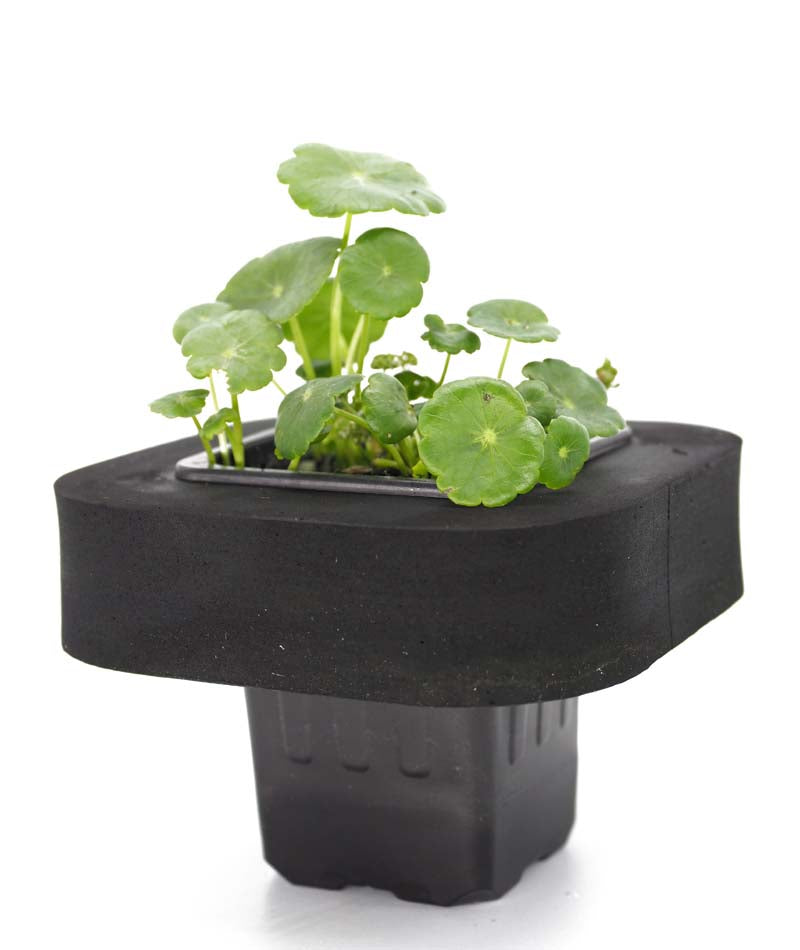
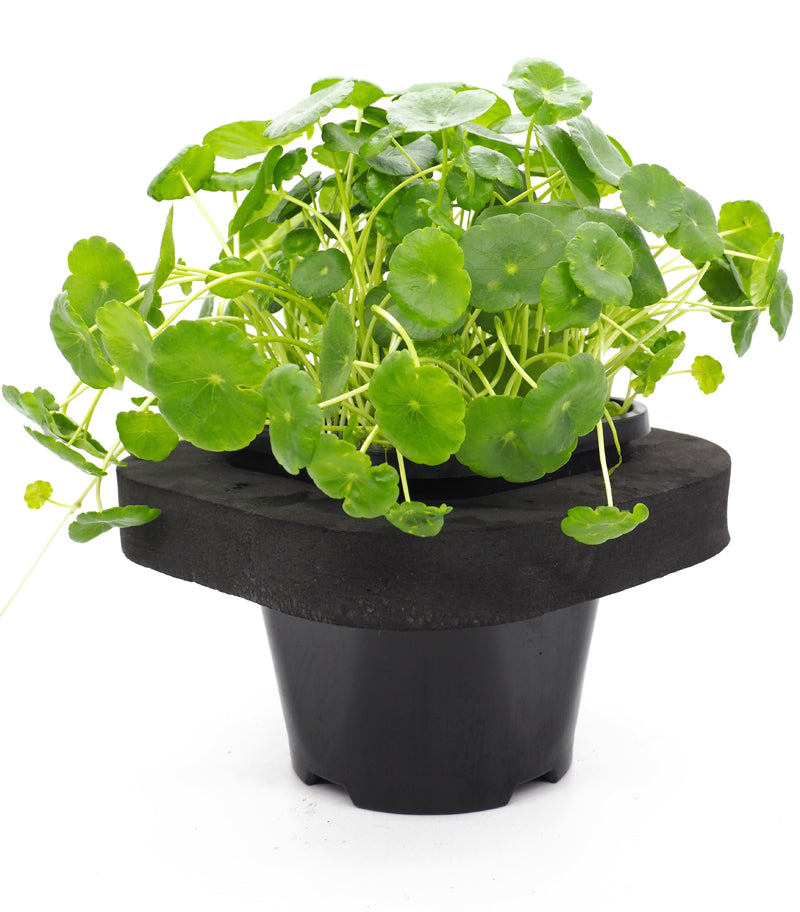
Shield Pennywort (Hydrocotyle sibthorpioides) is a versatile Australian pond plant that forms a dense, creeping mat of distinctive little umbrella-shaped leaves. Its shiny green foliage has a slightly ruffled edge, creating an attractive ground cover around the pond or across shallow areas of the water.
This perennial aquatic plant can grow submerged to approximately 10cm deep or spread through the damp and boggy margins of your pond. Its creeping growth habit makes it particularly useful for softening pond edges and creating natural habitat for frogs, fish and fry.
Shield Pennywort is relatively slow growing, so providing it with suitable aquatic fertiliser can help encourage healthy, vigorous growth.
Why you'll love Shield Pennywort
- Australian native pond plant
- Distinctive umbrella-shaped green leaves
- Forms attractive, dense creeping ground cover
- Can grow submerged or in damp, boggy soil
- Suitable for full sun to part shade
- Can be grown in water up to approximately 10cm deep
- Excellent cover for frogs, fish and fry
- Ideal for pond edges and bog gardens
- Produces small white flowers
- Continues spreading through runners
- Low-growing, reaching approximately 10cm high
- Perennial plant
- Suitable for both small and large water gardens
Where to grow Shield Pennywort
Shield Pennywort is particularly useful around the edge of the pond, where it can grow through damp or boggy soil and create a natural green carpet.
It can also be grown submerged to approximately 10cm deep, where its creeping foliage provides cover for frogs, fish and young fish (fry).
Shield Pennywort grows well in part shade, but can also tolerate full sun. Keeping the growing conditions consistently moist will help it establish and spread.
Shield Pennywort as a pond ground cover
One of the most appealing features of Shield Pennywort is its creeping growth habit. Rather than growing into a large upright plant, it sends out runners that gradually spread across the growing area.
Given suitable conditions, it can continue spreading to create dense ground cover around the pond. This makes it especially useful for softening hard pond edges and creating a more natural transition between the water and surrounding garden.
Shield Pennywort for frogs and fish
When grown submerged, Shield Pennywort can create a low layer of vegetation that provides cover and shelter for frogs, fish and fry.
For a wildlife-friendly water garden, combine it with taller marginal plants and floating plants to create several layers of habitat.
Feeding Shield Pennywort
Shield Pennywort can be relatively slow growing, particularly while it is establishing. Regular feeding with a suitable aquatic fertiliser can encourage healthy growth.
We recommend Pond Plantz Time Release Fertilizer. Follow the product directions when applying fertiliser to your pond plants.
Shield Pennywort Plant Information
Plant type: Perennial aquatic pond plant
Botanical name: Hydrocotyle sibthorpioides
Origin: Australia
Position: Full sun to part shade
Flowers: Small white flowers
Water depth: Up to approximately 10cm
Height: Approximately 10cm
Width: Spreading/continually expanding through runners
Foliage: Grows above the water line
Growth habit: Creeping ground cover
Oxygenating: No
Edible: No
Best for: Pond margins, boggy areas, shallow water, frog habitat and fish and fry cover
Learn more about Shield Pennywort
Want to know more about growing this unusual pond plant?
Read our guide: The Ultimate Guide to Growing Shield Pennywort Hydrocotyle sibthorpioides in Your Pond: Tips, Tricks, and Benefits.
Looking for more pond plants? Explore our range of Pond Plants Online and find plants for pond edges, bog gardens, shallow water, wildlife habitat and floating cover.

Bring rich, classic colour to your pond with Sirius, an old and much-loved hardy water lily dating back to 1913.
Sirius produces attractive dark crimson-red, star-shaped flowers, complemented by deep green rounded leaves decorated with distinctive dark purple splashes. It is a free-flowering variety and a beautiful choice for medium to larger water gardens.
This water lily is supplied as a dormant corm only, not as a potted plant.
Why You'll Love Sirius
- Beautiful dark crimson-red flowers
- Distinctive cactus cup shaped blooms
- Deep green leaves with dark purple splashes
- Free-flowering
- Classic heritage variety
- Hardy perennial
- Suitable for medium to large ponds
- Excellent feature plant
Plant Details
Botanical name: Nymphaea 'Sirius'
Type: Hardy water lily
Flower colour: Dark crimson-red
Flower type: Star-shaped
Foliage: Green with dark purple markings
Position: Full sun
Best suited to: Medium to large ponds
Submerge: 30-75cm
What You'll Receive
Our water lilies are supplied as a dormant water lily corm, ready for planting.
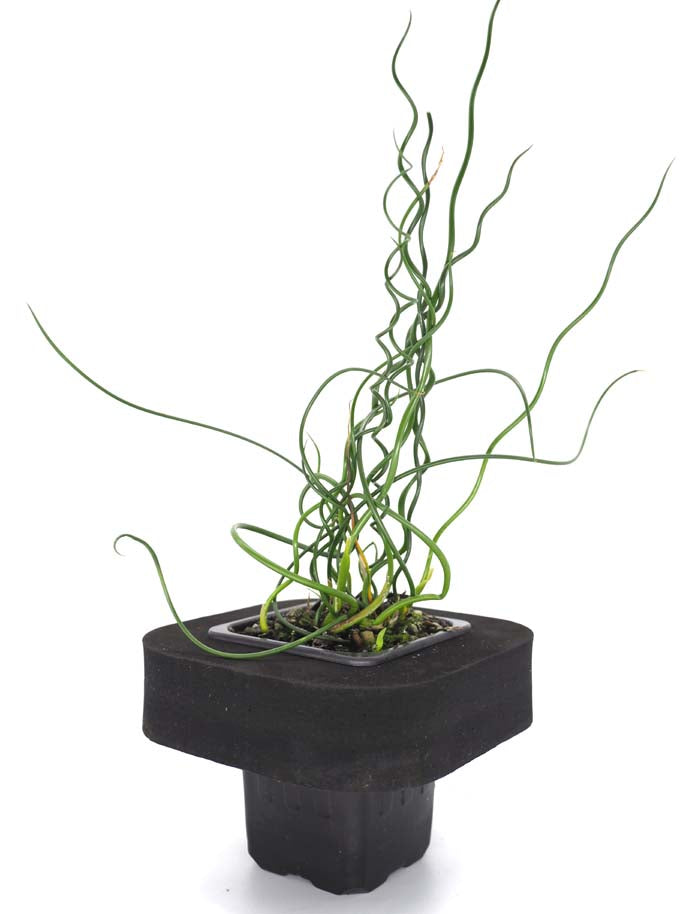
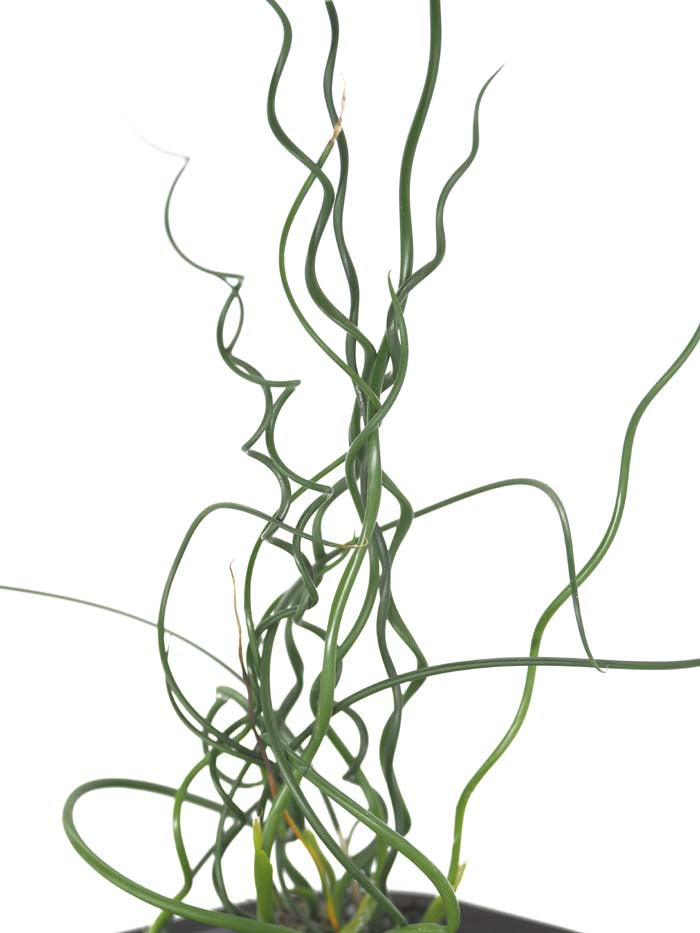
Corkscrew Rush (Juncus effusus ‘Spiralis’) is a distinctive perennial pond plant prized for its unusual dark green, spiralling foliage. The twisted, corkscrew-like stems create texture and movement in the water garden, making this a great choice when you want something a little different from traditional pond plants.
This versatile rush can be grown in boggy conditions around the pond edge, in a floating pond ring or in shallow water up to approximately 2cm deep. Its combination of upright and trailing growth can reach approximately 60cm high and 50cm wide, providing structure and shelter for frogs.
Important: Corkscrew Rush is frost tender and is not suitable for areas that experience regular frost. Protect from frost during winter.
Why you'll love Corkscrew Rush
- Distinctive corkscrew-shaped foliage
- Dark green, architectural foliage
- Perennial pond plant
- Suitable for full sun to part shade
- Can grow to approximately 60cm high
- Can spread to approximately 50cm wide
- Excellent frog habitat plant
- Can be grown in boggy pond margins
- Suitable for a floating pond ring
- Can tolerate shallow water up to approximately 2cm deep
- Slow-growing and easy to maintain
- Can also be grown indoors in a bright, sunny position
Where to grow Corkscrew Rush
Corkscrew Rush is a remarkably versatile plant for the water garden. It can be planted in boggy soil around the edge of your pond, positioned in a floating pond ring or planted in very shallow water up to approximately 2cm deep.
It performs best in full sun to part shade and particularly enjoys warm conditions.
Its unusual growth habit makes it a great feature plant around ponds, water bowls and other water garden containers.
Corkscrew Rush growth habit
The unusual foliage is what makes Corkscrew Rush such a popular ornamental pond plant. Some stems grow upright to approximately 60cm high, while others naturally spill and spread outwards to approximately 50cm wide.
This combination of upright and trailing growth creates an attractive, informal shape that works particularly well when the plant is positioned where its foliage can spill towards the water.
Corkscrew Rush for frogs
The dense foliage provides shelter and cover for frogs, making Corkscrew Rush a useful addition to a wildlife-friendly water garden.
Plant it alongside other marginal and native pond plants to create different layers of vegetation and habitat around your pond.
Important: Corkscrew Rush and frost
Corkscrew Rush is frost tender and is not suitable for areas that experience regular frost.
If you live in a cold area, protect your plant during winter. Growing it in a pot or cover pot makes this easier, as the plant can be moved to a protected position when temperatures fall.
Corkscrew Rush can also grow well indoors in a bright, sunny position, making it possible to protect it from harsh winter conditions before returning it outdoors when the weather warms.
Corkscrew Rush Plant Information
Plant type: Perennial ornamental pond plant
Botanical name: Juncus effusus ‘Spiralis’
Common name: Corkscrew Rush
Origin: Japan
Position: Full sun to part shade
Flowers: No
Water depth: Up to approximately 2cm
Height: Up to approximately 60cm
Width: Up to approximately 50cm
Foliage: Grows above the water line
Oxygenating: No
Edible: No
Frost tolerance: Frost tender
Growth habit: Upright and trailing
Best for: Pond margins, floating rings, shallow water, frog habitat and adding texture and structure
Grow Corkscrew Rush in a floating pond ring
Corkscrew Rush is particularly well suited to our floating pond rings. Positioning the plant on the water surface allows its unusual foliage to spill naturally towards the pond while keeping the plant contained.
Alternatively, plant it in a pot or pond plant basket and position it in the shallow margins of your water garden.
Learn more about reeds, grasses and rushes
Rushes are an excellent way to add height, texture, habitat and structure to a water garden.
Learn more in our guide: Exploring the Numerous Benefits of Reeds, Grasses and Rushes in Your Pond or Dam.
Looking for more pond plants? Explore our range of Pond Plants Online and discover plants for pond margins, floating rings, shallow water, wildlife habitat and water gardens.
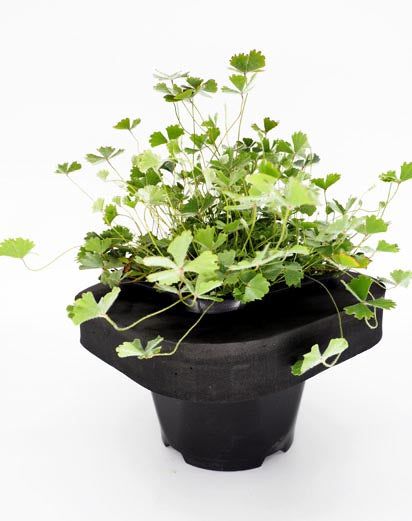
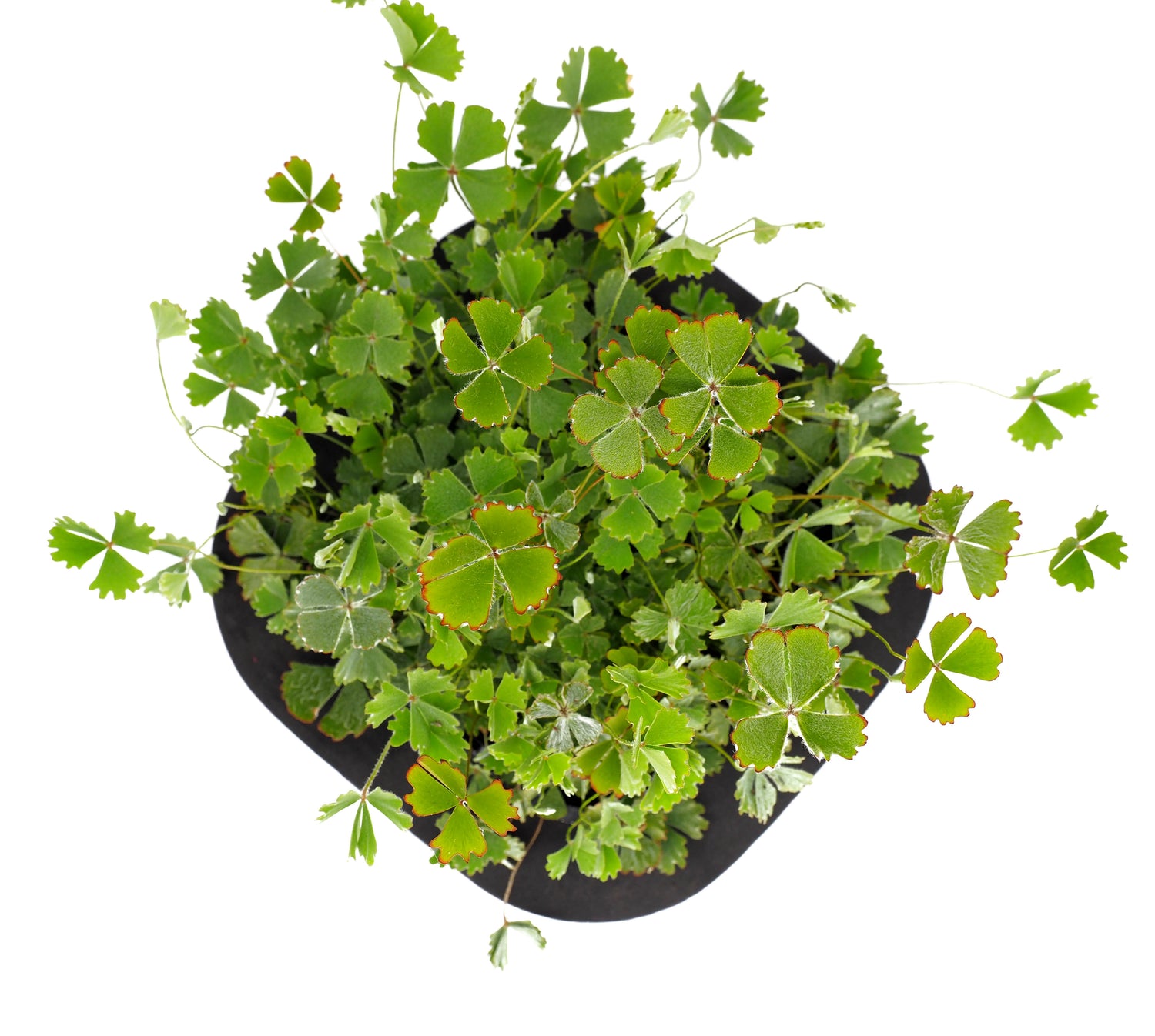
Hairy Nardoo (Marsilea drummondii) is a fascinating Australian native water plant with distinctive four-leaf clover-like foliage covered in fine, soft hairs. Also known as Nardoo, this unusual aquatic plant is a wonderful choice for adding native character and natural surface cover to your pond.
When grown fully submerged, Hairy Nardoo produces floating leaves that spread across the surface of the water. In shallower water, it can produce firmer upright stems, giving the plant a completely different appearance.
The four-leaf foliage has another interesting characteristic — it can close at night and during overcast weather, then open again when conditions brighten.
Why you'll love Hairy Nardoo
- Australian native water plant
- Distinctive four-leaf, clover-like foliage
- Soft, furry texture
- Foliage can float across the surface of the pond
- Can also grow upright in shallow water
- Suitable for water depths of up to approximately 30cm
- Provides excellent surface cover for fish
- Suitable for full sun to part shade
- Perennial plant
- Can grow to approximately 30cm diameter
- Edible node produced near the base of the stem
- A fascinating native plant for wildlife-friendly water gardens
Where to grow Hairy Nardoo
Hairy Nardoo is a versatile water plant that can be grown in different areas of your pond.
When grown fully submerged, the leaves rise to the surface and float on the water, creating attractive natural cover. When grown in shallower water, the plant can produce more upright stems and foliage.
It can tolerate water depths of up to approximately 30cm and grows well in full sun to part shade.
Hairy Nardoo's unusual four-leaf foliage
The most distinctive feature of Hairy Nardoo is its unusual four-leaf clover-like foliage. The leaves have a soft, furry texture and create a beautiful natural surface cover when the plant is growing submerged.
The foliage also has an interesting response to changing light conditions. The leaves can close at night and on overcast days, reopening when brighter conditions return.
This makes Hairy Nardoo a particularly interesting plant to watch as it changes throughout the day.
Hairy Nardoo for fish and pond habitat
When grown submerged, Hairy Nardoo produces foliage that spreads across the water surface, providing cover and shelter for fish.
Surface plants are an important part of a balanced water garden, creating shade and habitat while adding another layer of vegetation to the pond.
Combine Hairy Nardoo with marginal, flowering and oxygenating plants to create a diverse pond environment.
An edible Australian native plant
Hairy Nardoo is also an interesting addition to the garden because it produces a small edible node or bulb-like structure near the base of the stem.
While Nardoo has a long history of traditional use by Aboriginal Australians, care is important when preparing wild or cultivated native plants for consumption. Do not eat the plant raw; traditional preparation methods are important for safe consumption.
Hairy Nardoo Plant Information
Plant type: Perennial aquatic plant
Botanical name: Marsilea drummondii
Common name: Hairy Nardoo
Origin: Australia
Position: Full sun to part shade
Flowers: No
Water depth: Up to approximately 30cm
Foliage: Four-leaf, furry foliage that can float on the water surface
Growth: Approximately 30cm diameter
Oxygenating: No
Edible: Yes, edible node with appropriate preparation
Best for: Australian native water gardens, surface cover, fish habitat, shallow water and wildlife ponds
Grow Hairy Nardoo in your water garden
Hairy Nardoo is an excellent choice if you're looking for something different from conventional pond plants. Its unusual clover-like leaves, changing appearance and ability to grow both floating and upright make it a fascinating Australian native for ponds and water gardens.
Looking for more Australian native pond plants? Explore our range of Pond Plants Online and discover native, flowering, floating, oxygenating and habitat plants for your water garden.
Learn more
If you're interested in Australian native water plants and creating a wildlife-friendly pond, explore our range of native pond plants and habitat plants.
Blog

The Ultimate Guide to Growing Native Nymphoides in Australia: Tips and Tricks for Success
Blog

Creating a Sustainable Australian Native Garden Pond: What You Need to Know