Search results
Search results

Add a beautiful and unusual hardy water lily to your pond with Karleen Harder. Sometimes mis spelled as Kaylene Harder, this special cultivar is valued for its attractive flowering performance and distinctive foliage, making it an excellent choice for water gardeners looking to grow something a little less common. The lily flowers are an array of colour-changing copper, apricot, yellow, and soft pink.
Its elegant blooms rise amongst the floating lily pads to create a beautiful seasonal display.
Why You'll Love Karleen Harder
- Beautiful hardy water lily
- An uncommon and interesting cultivar
- Attractive flowers and foliage
- Excellent choice for collectors
- Returns year after year
- Provides shade and shelter for pond life
- A beautiful feature for the water garden
- Frost hardy
Growing Karleen Harder
Plant in full sun or a position receiving several hours of direct sunlight each day. Water lilies flower best when they receive plenty of light and are grown in relatively still water.
Plant the corm shallowly to begin with and lower it as the plant establishes.
Plant Details
Botanical name: Nymphaea 'Karleen Harder'
Type: Hardy water lily / aquatic perennial
Position: Full sun
Best suited to: Pond and water garden planting
Submerge: 30-100cm
What You'll Receive
Our water lilies are supplied as a dormant water lily corm, ready for planting. Corms may have little or no foliage when supplied, particularly during cooler periods.
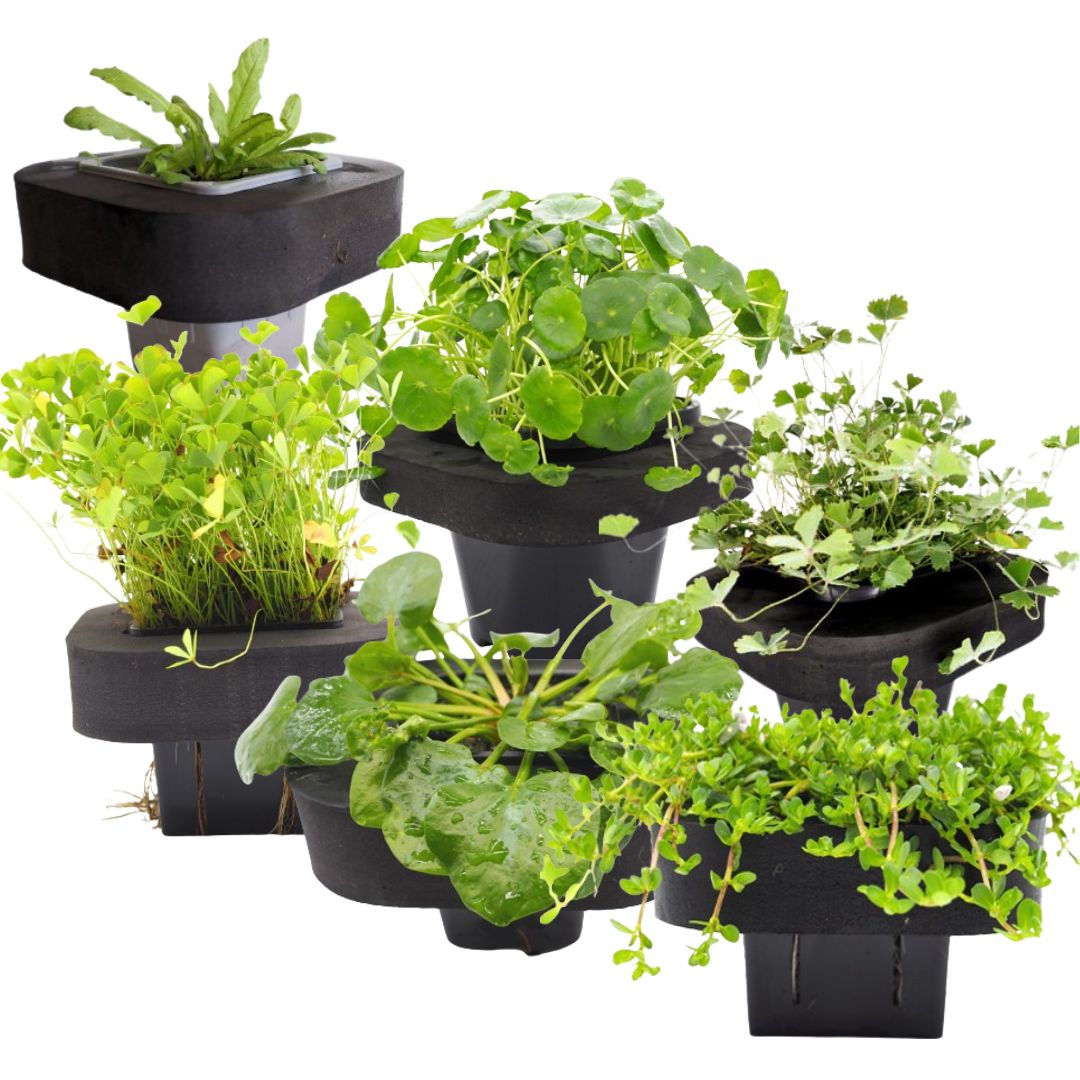
A great combination of 6 native plants
Bring a piece of Australia's unique flora to your pond with our Native Starter Plant Pack. This collection includes six different native aquatic plants, each with its unique beauty and benefits for your pond ecosystem. From the delicate yellow flowers of the Running Marsh Flower to the vibrant green leaves of the Shield Pennywort, these plants will add a touch of natural beauty to your pond while also providing important habitat for native wildlife.
Improve your pond ecosystem's health and attract native frogs and pollinators to your garden.
Features:
- Six different native aquatic plants are included.
- Each plant is grown in NSW, Australia and will provide important habitat for native aquatic wildlife.
- Easy to care for and maintain
- Each plant comes with our unique floating ring, there is no need to submerge the plants as you would do with traditional pond plants.
Swamp Mazus Mazus pumilio
Position - Grows well in any position. Full sun and will tolerate shade.
Flowers - Yes
Submersible - No, prefers shallow water and boggy soil. Performs best when planted into shallow margins of ponds or grown in the pot and floating pond plant ring.
Height - Will reach around 15cm when mature.
Cover – An excellent groundcover pond plant best suited to the margins of a pond
Shield Pennywort Hydrocotyle verticillata
Position - Full sun to part shade
Flowers - No
Submersible - To a depth of 10cm
Foliage - Produced above the water line
Grows - creeping ground cover
Cover – for frogs fish and fry when grown submersed
Brahmi Bacopa Monnieri
Position - Part shade (shade-tolerant) to full sun
Flowers - Small white flowers
Submersible - To a depth of 20cm
Foliage - Can produce foliage both above and below water level
Running Marsh Flower Villarsia reniformis
Position - Part shade (shade-tolerant) to full sun
Flowers - Yellow flowers on stems to 50cm
Submersible - to a depth of 40cm.
Foliage - Shiny bright green lily-type leaves
Hairy Nardoo Marsilea Drummondii
Perennial
Position - Full sun to part shade
Flowers - No
Edible - Yes, node or bulb
Submersible - Yes to a depth of 30cm
Foliage - Produces furry four-leaved foliage that floats on the surface of the water
Origin - Native to Australia
Cover - Great surface cover for fish
Oxygenator - No
Size - 30cm diameter
Nardoo Marsilea Angustifolia
Perennial
Position - Full sun to part shade
Flowers - No
Submersible - Yes to a depth of 30cm
Foliage - Produces foliage that floats on the surface of the water
Origin - Native to Australia
Cover - Great surface cover for fish
Oxygenator - No
Size - 30cm diameter

Bring rich, classic colour to your pond with Sirius, an old and much-loved hardy water lily dating back to 1913.
Sirius produces attractive dark crimson-red, star-shaped flowers, complemented by deep green rounded leaves decorated with distinctive dark purple splashes. It is a free-flowering variety and a beautiful choice for medium to larger water gardens.
This water lily is supplied as a dormant corm only, not as a potted plant.
Why You'll Love Sirius
- Beautiful dark crimson-red flowers
- Distinctive cactus cup shaped blooms
- Deep green leaves with dark purple splashes
- Free-flowering
- Classic heritage variety
- Hardy perennial
- Suitable for medium to large ponds
- Excellent feature plant
Plant Details
Botanical name: Nymphaea 'Sirius'
Type: Hardy water lily
Flower colour: Dark crimson-red
Flower type: Star-shaped
Foliage: Green with dark purple markings
Position: Full sun
Best suited to: Medium to large ponds
Submerge: 30-75cm
What You'll Receive
Our water lilies are supplied as a dormant water lily corm, ready for planting.


Nardoo (Marsilea angustifolia) is a classic Australian native water plant and a wonderful choice for a native water garden. Its distinctive green, four-leaf clover-shaped foliage creates an attractive natural display and can either float across the surface of the pond or grow upright when planted in wet or boggy soil.
This versatile perennial plant can grow in full sun to part shade, making it an excellent all-rounder for ponds, water bowls and bog gardens. When grown submerged, its leaves rise to the surface of the water, creating natural cover and shelter for fish.
When grown around the edge of the pond in wet or boggy soil, the foliage stands upright, giving Nardoo a completely different appearance.
Why you'll love Nardoo
- Australian native water plant
- Distinctive four-leaf clover-shaped foliage
- Excellent plant for a native water garden
- Can grow floating on the pond surface
- Can also grow upright in wet or boggy soil
- Suitable for full sun to part shade
- Can tolerate water depths of up to approximately 30cm
- Provides excellent surface cover for fish
- Suitable for pond margins and bog gardens
- Grows to approximately 30cm diameter
- An interesting plant with traditional uses
Where to grow Nardoo
Nardoo is a versatile plant that can be grown in several areas of the water garden.
When planted in water up to approximately 30cm deep, its four-leaf foliage can float across the surface, creating attractive natural cover.
Alternatively, plant Nardoo around the edge of your pond in wet or boggy soil, where the leaves can grow upright.
It is tolerant of both full sun and part shade, making it a particularly adaptable native pond plant.
Nardoo's distinctive four-leaf foliage
The most recognisable feature of Nardoo is its unusual four-leaf clover appearance.
When submerged, the foliage rises to the surface and spreads across the water. In wet soil around the pond margin, the leaves can stand upright, giving you two quite different looks from the same plant.
This makes Nardoo an excellent choice for adding natural texture and interest to an Australian native water garden.
Nardoo for fish and wildlife
When grown submerged, Nardoo creates surface cover for fish, giving them sheltered areas within the pond.
Surface-covering plants can also help create a more natural pond environment when combined with marginal, flowering and other aquatic plants.
For a wildlife-friendly water garden, plant Nardoo alongside other Australian natives to create different levels of vegetation and habitat.
Traditional uses of Nardoo
Nardoo has a long history of traditional use by Aboriginal Australians. The plant produces sporocarps, small seed-like structures containing spores, which have traditionally been processed and used as food.
Traditional preparation is important when consuming Nardoo, and it should not be eaten without appropriate preparation.
Nardoo Plant Information
Plant type: Perennial native water plant
Botanical name: Marsilea angustifolia
Common name: Nardoo
Origin: Australia
Position: Full sun to part shade
Flowers: No
Water depth: Up to approximately 30cm
Foliage: Four-leaf clover-like foliage that can float on the water surface
Growth: Approximately 30cm diameter
Oxygenating: No
Best for: Native water gardens, pond surface cover, fish habitat, shallow water, pond margins and bog gardens
Grow Nardoo in your water garden
Nardoo is a great choice if you're creating an Australian native water garden or simply want an unusual pond plant with distinctive foliage.
Grow it submerged to create floating surface cover, or plant it into the damp margins of your pond where its leaves can stand upright.
Looking for more Australian native pond plants? Explore our range of Pond Plants Online and discover native, flowering, floating, oxygenating and habitat plants for your water garden.
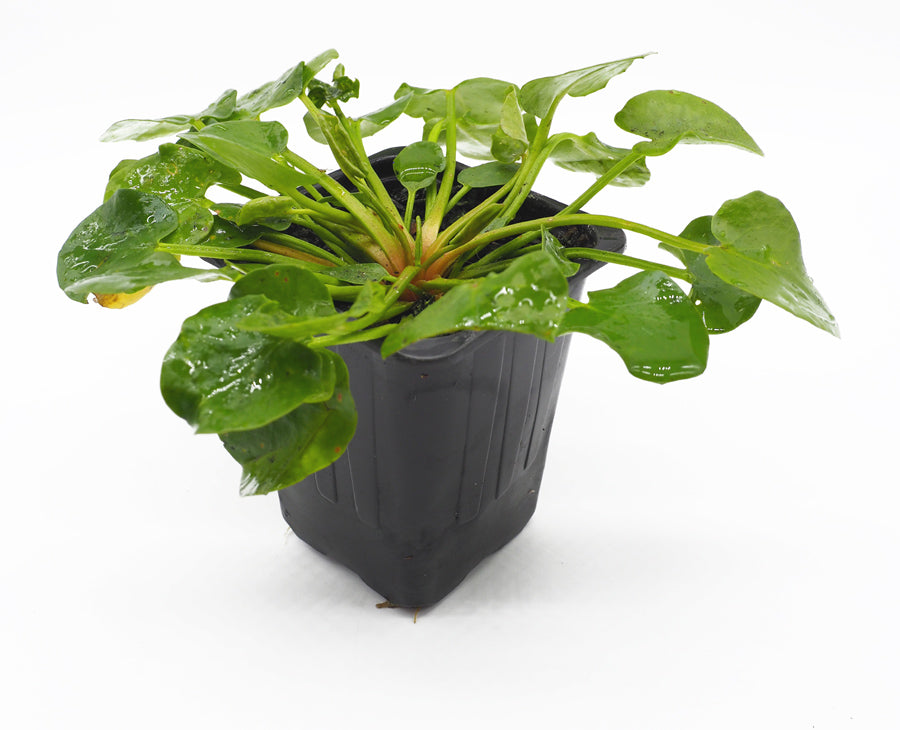
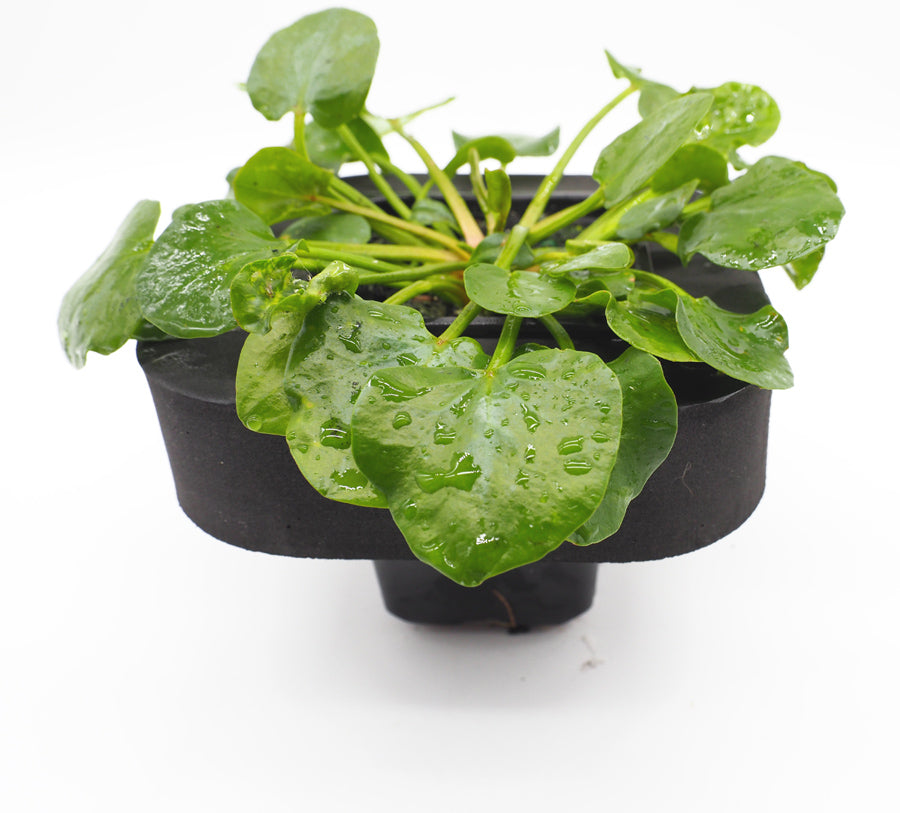
Running Marsh Flower (Villarsia reniformis), also known as Golden Marsh, is a beautiful Australian native pond plant with glossy green, lily-like leaves and cheerful yellow flowers. Its foliage gives it the appearance of a miniature water lily, making it an excellent choice when you want the look of a water lily without needing a large pond.
A versatile plant for both small and large water gardens, Running Marsh Flower can be planted in shallow water up to approximately 5cm deep, grown in a floating pond ring or planted around the boggy and marginal areas of your pond.
When grown in a floating ring, it can spread across the water surface to provide valuable cover and shelter for fish and tadpoles.
Why you'll love Running Marsh Flower
- Beautiful Australian native pond plant
- Also known as Golden Marsh
- Glossy, bright green lily-type leaves
- Produces attractive yellow flowers
- Flowers from approximately October to March
- Flower stems can reach approximately 50cm
- Suitable for part shade to full sun
- Can be grown in shallow water up to approximately 5cm deep
- Excellent plant for boggy and marginal pond areas
- Can be grown in a floating pond ring
- Provides cover and shelter for fish and tadpoles
- Suitable for both small and large water gardens
Where to grow Running Marsh Flower
Running Marsh Flower is a versatile plant that can be used in several areas of the water garden. It grows well in part shade through to full sun and can tolerate shallow water up to approximately 5cm deep.
It is particularly well suited to boggy areas and pond margins, where the soil remains consistently moist.
Alternatively, place it in one of our floating pond rings and allow the foliage to spread across the surface of the pond. This creates an attractive natural display while providing cover for fish and tadpoles.
Running Marsh Flower – a native alternative to a water lily
With its shiny bright green, lily-type leaves, Running Marsh Flower has the appearance of a small water lily, making it a great choice for smaller ponds, water bowls and container water gardens where a traditional water lily may be too large.
Its yellow flowers rise above the foliage on stems that can reach approximately 50cm, adding height and seasonal colour to the water garden.
Yellow flowers from spring through summer
Running Marsh Flower produces its distinctive yellow flowers from approximately October through to March, providing a long flowering period through the warmer months.
The combination of glossy green foliage and bright yellow flowers makes it an attractive feature plant for the edge or surface of your pond.
Running Marsh Flower for fish and tadpoles
When grown in a floating pond ring, Running Marsh Flower can spread across the water surface, creating natural cover and shelter for fish and tadpoles.
For a wildlife-friendly pond, combine it with a selection of plants that provide cover at different levels, including floating, submerged and marginal pond plants.
Running Marsh Flower Plant Information
Plant type: Perennial aquatic pond plant
Botanical name: Villarsia reniformis
Common names: Running Marsh Flower, Golden Marsh
Origin: Australia
Position: Part shade to full sun
Flowers: Yellow
Flowering period: Approximately October to March
Flower stems: Up to approximately 50cm
Water depth: Up to approximately 5cm
Foliage: Shiny, bright green lily-type leaves
Oxygenating: No
Edible: No
Best for: Pond margins, boggy areas, shallow water, floating rings and fish and tadpole cover
Grow Running Marsh Flower in a floating pond ring
Our floating pond rings make it easy to add Running Marsh Flower to your pond without complicated planting.
Simply place the plant into the floating ring and position it on the water surface. As it establishes, the foliage can spread outwards to create a natural green cover across the pond.
Looking for more Australian native pond plants? Explore our range of Pond Plants Online and discover native, flowering, floating, oxygenating and habitat plants for your water garden.


Add delicate texture and natural beauty to your pond with Water Wisteria (Hygrophila difformis), a versatile aquatic plant that can be grown submerged or allowed to gently float across your pond's surface. Using the included floating pond ring, you can add this beautiful oxygenating plant to your pond instantly, creating natural shade, shelter and movement.
Botanical Name: Hygrophila difformis
Common Name: Water Wisteria
Plant Type: Oxygenating aquatic plant
Position: Full sun to part shade
Planting Depth: Submerged to just above the pot rim
Growth Habit: Creeping, spreading stems with fine divided foliage
Stem Length: Approximately 40–80cm
Flowers: Small purplish-blue flowers
Suitable For: Ponds, water gardens and aquatic habitats
While Water Wisteria is widely recognised as a popular aquarium plant, when grown as a pond plant it develops a different form, producing soft, spreading stems with finely divided leaves that create attractive rosettes across the water's surface. Under the right conditions, it can produce delicate purplish-blue flowers from the leaf axils, adding extra seasonal interest.
Growing as an oxygenating aquatic plant, Water Wisteria helps contribute to a healthy pond ecosystem while providing valuable cover and shelter for fish and aquatic wildlife. Its graceful growth makes it an excellent choice for ponds where you want a softer, more natural look.
Why You'll Love Water Wisteria
-
Attractive oxygenating pond plant.
- Fine, fern-like divided leaves create beautiful texture.
- Can develop a creeping, spreading growth habit.
- Produces delicate purplish-blue flowers when grown in pond conditions.
- Provides shelter and cover for fish.
- Helps support a balanced pond environment.
- Fast-growing and easy to propagate.
- Adds a natural, meadow-like feel to ponds and water gardens.
Growth & Planting Information
Water Wisteria can be planted submerged with water levels just above the rim of the pot. As it establishes, stems can spread and creep, with growth reaching approximately 40–80cm in length.
In pond conditions, it may produce floating or trailing stems with finely divided foliage that forms attractive rosette-like clusters.
For best growth:
- Position in full sun to part shade.
- Keep consistently submerged.
- Allow room for spreading growth.
- Trim regularly if required to maintain shape.
Perfect for Instant Pond Transformation
Water Wisteria is one of the easiest ways to quickly add greenery and movement to your pond.
This versatile aquatic plant loves to grow floating in the pond using the floating pond plant ring included with all We Know Water Gardens pond plant orders. Simply place the plant ring on the surface of your pond, add your Water Wisteria, and enjoy an instant floating garden feature.
Growing freely across the water's surface, the fine divided foliage creates a beautiful natural display while providing valuable shade and shelter for fish and aquatic wildlife.
The floating pond ring allows you to:
- Add plants to your pond instantly without planting into pots or soil.
- Create floating habitat for fish and frogs.
- Add natural shade to help keep water cooler.
- Easily move plants around your pond to find the perfect position.
- Create a more balanced and natural-looking water garden.
Water Wisteria in Ponds vs Aquariums
Water Wisteria is often sold as an aquarium plant, but its appearance can vary significantly depending on where it is grown.
In aquariums:
- Usually grows as an upright submerged stem plant.
- Leaves often appear larger and more structured.
In ponds:
- Can develop softer creeping growth.
- Produces fine divided leaves and floating rosettes.
- May produce small purplish-blue flowers.
This makes pond-grown Water Wisteria a unique addition for customers looking for something a little different.
Perfect For
- Wildlife ponds
- Natural ponds
- Fish ponds
- Water gardens
- Aquatic plant collections
- Pond edges and shallow areas
Frequently Asked Questions
Is Water Wisteria an oxygenating pond plant?
Yes. Water Wisteria is considered an oxygenating aquatic plant because its submerged foliage helps contribute oxygen to the water and provides habitat for aquatic life.
Can Water Wisteria float in a pond?
Yes. In pond conditions, Water Wisteria can develop creeping stems and may grow towards the surface, creating attractive floating foliage.
How big does Water Wisteria grow?
Stems can grow approximately 40–80cm long, depending on growing conditions, sunlight and available nutrients.
Does Water Wisteria flower?
Yes. When grown as a pond plant, Water Wisteria can produce small purplish-blue flowers from the leaf axils.
Is Water Wisteria the same as the aquarium plant?
Yes, it is the same species (Hygrophila difformis), however the growth form can differ between aquarium and pond environments.
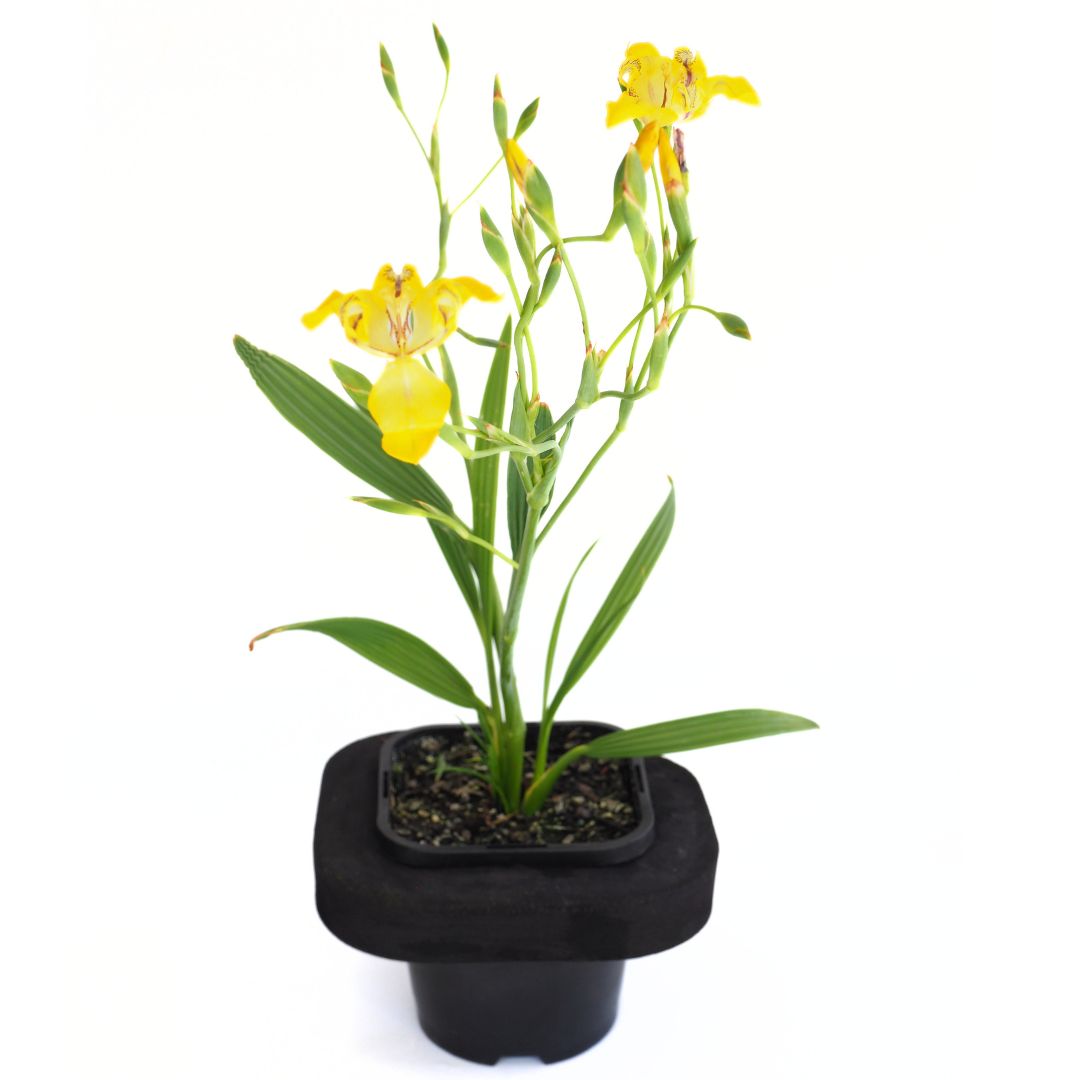
Perennial | Yellow Flowers | Pond Margin Plant | South American Native
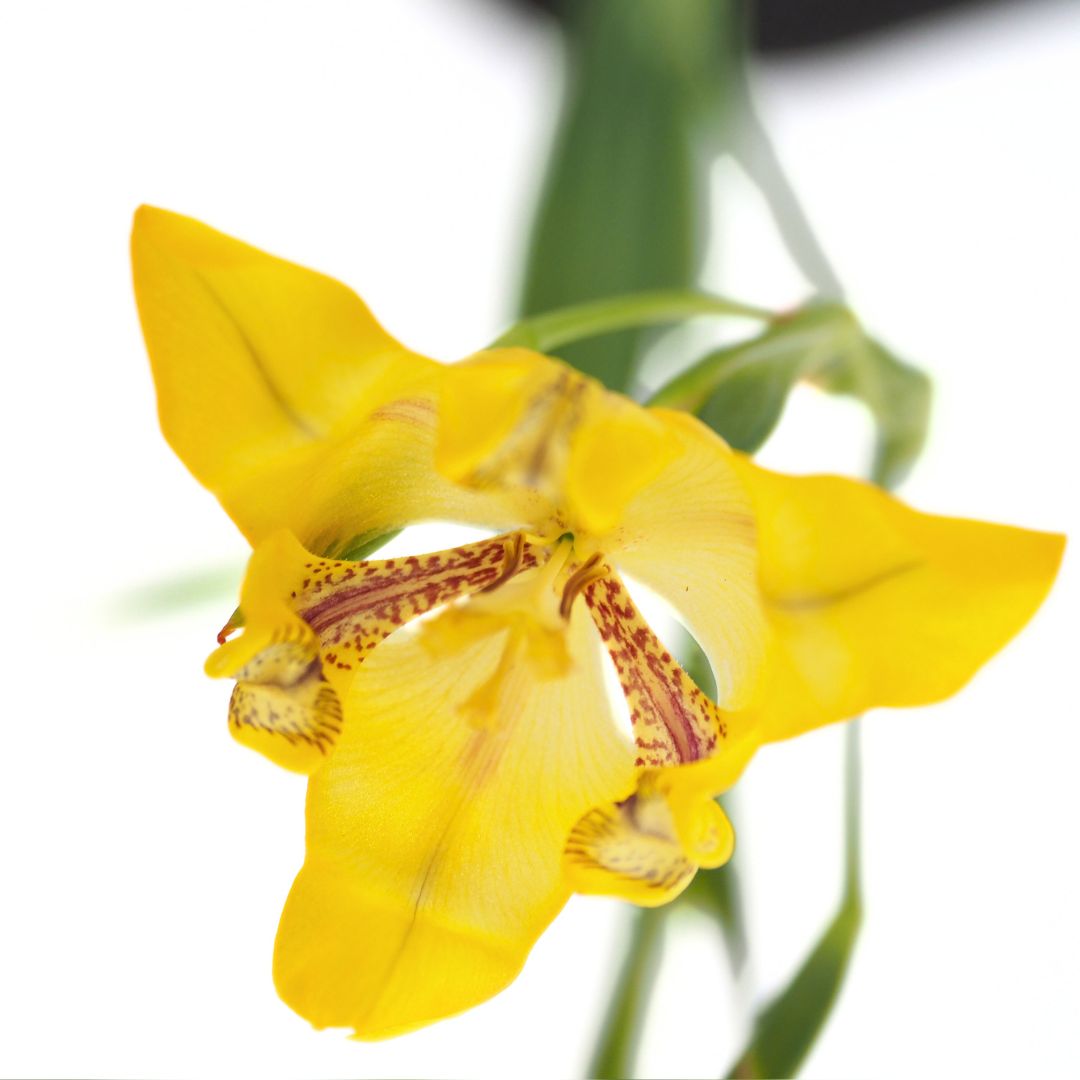
Water Orchid (Cypella aquatilis) is a rare and beautiful pond plant that brings an exotic touch to the water garden. Also sometimes known as Water Tulip, this petite member of the iris family produces delicate strap-like foliage and stunning yellow, orchid-like flowers during spring and summer.
Growing from a small bulb, Water Orchid is a slow-growing plant that stays relatively compact, making it an excellent choice for smaller ponds, water bowls and pond margins. Its fine green foliage rises above the water, while its striking flowers provide a beautiful seasonal display.
For the best flowering, position Water Orchid where it receives plenty of sunshine. It will tolerate part shade, but a sunny position will generally encourage more flowers.
Why Grow Water Orchid in Your Pond?
Water Orchid is a great choice if you're looking for something a little different for your pond.
Its stunning yellow flowers stand out beautifully against the surrounding greenery, while its fine, upright foliage adds texture without overwhelming the pond.
Water Orchid looks particularly impressive when planted en masse along the pond margin, creating a natural swathe of foliage and bright yellow flowers.
It also provides valuable shelter and cover for frogs, making it a beautiful plant that contributes to the habitat around your water garden.
Water Orchid Pond Plant Features
- Botanical name: Cypella aquatilis
- Common name: Water Orchid
- Also known as: Water Tulip
- Plant type: Perennial
- Origin: South America
- Position: Part shade to full sun
- Flowers: Stunning yellow orchid-like flowers
- Flowering period: Spring and summer
- Height: Approximately 15cm
- Width: Approximately 30cm
- Water depth: Up to 5cm
- Best suited to: Pond margins, shallow water and boggy areas
- Foliage: Thin, strap-like foliage growing above the water line
- Growth habit: Slow growing from a small bulb
- Cover: Provides shelter and cover for frogs
Growing Water Orchid
Water Orchid is best planted around the margins of your pond, where it can enjoy consistently moist conditions without being completely submerged.
It can tolerate shallow water to approximately 5cm deep, but prefers pond margins and boggy areas where its foliage can grow above the water line.
The plant develops from a small bulb and grows slowly, making it a good choice for adding long-term structure and interest to the pond without becoming overly vigorous.
When planting, give Water Orchid enough room to spread to approximately 30cm wide. Planting several together can create a particularly impressive display once they establish.
Position
Water Orchid will grow in part shade to full sun.
Although it is tolerant of semi-shaded positions, choose a sunny location if flowers are your priority. Good sunlight will help encourage the best flowering during spring and summer.
Its slender foliage also makes it a useful plant for adding vertical interest around the pond without creating too much shade over the water.
Water Orchid Flowers
The highlight of this unusual pond plant is undoubtedly its yellow, orchid-like flowers.
Flowers appear during spring and summer, providing a beautiful splash of colour around the pond margin. The delicate flowers are particularly effective when combined with lush green foliage and other flowering pond plants.
For the biggest visual impact, try planting Water Orchid in groups or drifts along the pond edge.
Water Orchid for Frog Habitat
A well-planted pond provides much more than just visual appeal.
Water Orchid's foliage creates shelter and cover for frogs, helping to make the pond margin a more welcoming habitat.
Combine it with other marginal and bog plants at different heights to create layers of vegetation around your pond. This provides a more natural environment while also giving your pond plenty of form and structure.
Feeding Water Orchid
For healthy growth and flowering, feed Water Orchid monthly from spring with a suitable aquatic fertiliser.
We recommend Pond Plantz Time Release Fertilizer Tablets. Insert the tablet approximately 5–10cm beneath the surface of the soil, following the manufacturer's instructions for application.
Regular feeding during the growing season can help support strong foliage and flowering.
Planting Water Orchid in Your Water Garden
Water Orchid is particularly well suited to:
-
Pond margins
-
Boggy garden areas
-
Shallow water
-
Water bowls
-
Small ponds
-
Natural-style ponds
-
Mass plantings along pond edges
Its compact size makes it an excellent option when you want to add colour and interest without a large plant taking over the pond.
Add Water Orchid to your pond for delicate foliage, stunning yellow flowers and valuable frog habitat.
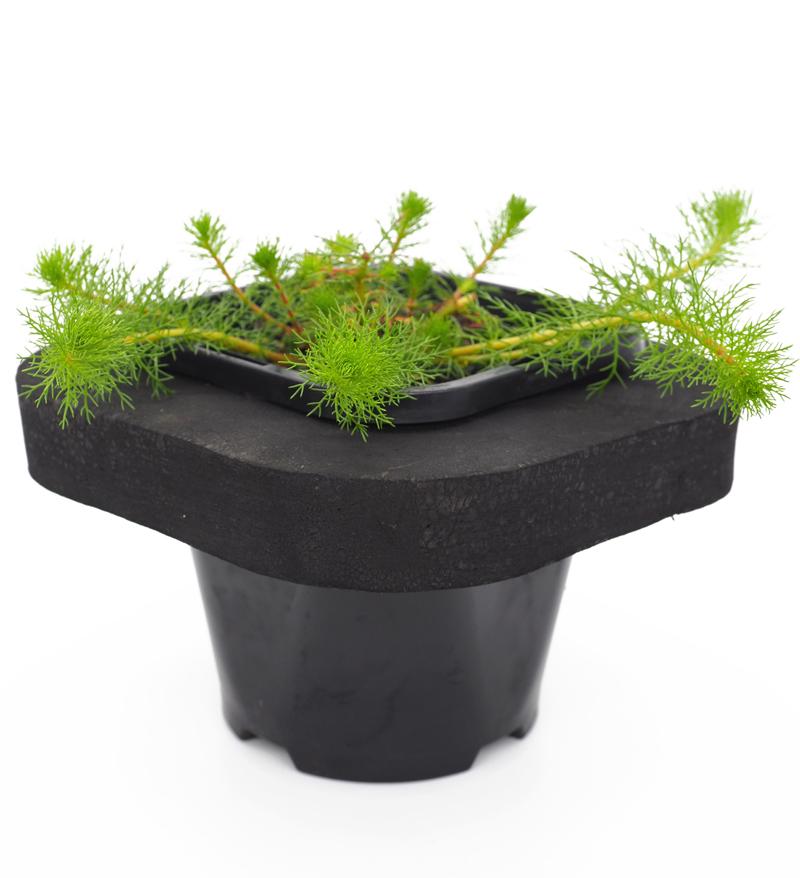

Upright Water Milfoil is an Australian native perennial pond plant that combines attractive growth with important benefits for a healthy water garden. Growing to approximately 5–20cm high and 15–60cm wide, it is well suited to shallow areas of the pond and can grow in both part shade and full sun.
This versatile aquatic plant can produce foliage above and below the water surface and acts as an oxygenating pond plant. Its dense growth provides valuable shelter and cover for frogs, newly hatched fish and tadpoles, while its nutrient uptake can help support a balanced pond ecosystem.
Why you'll love Upright Water Milfoil
- Australian native pond plant
- Easy-to-grow perennial
- Suitable for part shade through to full sun
- Produces attractive yellow flowers
- Can grow above and below the water surface
- Suitable for water up to approximately 20cm deep
- Acts as an oxygenating pond plant
- Provides shelter and cover for frogs, fish and tadpoles
- Helps absorb nutrients from pond water
- Excellent choice for wildlife-friendly ponds
- Ideal for shallow areas of the water garden
Where to grow Upright Water Milfoil
Upright Water Milfoil grows well in part shade through to full sun and can be planted in water up to approximately 20cm deep.
Its foliage can grow both below the water surface and above the water line, making it a versatile choice for shallow pond areas and water gardens where you want to provide both plant cover and habitat for pond life.
A great pond plant for wildlife
If you're creating a pond that encourages frogs and other aquatic wildlife, Upright Water Milfoil is an excellent choice.
Its growth provides shelter and cover for frogs, newly hatched fish and tadpoles, giving young pond inhabitants somewhere to hide and seek protection.
The dense foliage can also add structure and natural habitat to your pond while helping create a more established-looking water garden.
Upright Water Milfoil and pond water quality
Upright Water Milfoil is also useful for absorbing nutrients from pond water as it grows. Managing excess nutrients is an important part of maintaining a healthy pond, as high nutrient levels can encourage unwanted algae growth.
Combined with its ability to oxygenate the water and provide habitat, this makes Upright Water Milfoil a particularly useful multi-purpose pond plant.
Upright Water Milfoil Plant Information
Plant type: Perennial aquatic pond plant
Origin: Australia
Position: Part shade to full sun
Flowers: Yellow
Water depth: Up to approximately 20cm
Height: Approximately 5–20cm
Width: Approximately 15–60cm
Foliage: Can grow above and below the water line
Oxygenating: Yes
Best for: Wildlife ponds, shallow water, frog habitat, fish and tadpole cover and nutrient uptake
Add Upright Water Milfoil to your pond
Our pond plants are supplied ready to make adding aquatic plants to your water garden simple. Position Upright Water Milfoil in a suitable shallow area of your pond and allow it to establish and spread.
For a healthier, more wildlife-friendly pond, combine it with a selection of flowering, floating, oxygenating and habitat pond plants.
Looking for more pond plants? Explore our range of Pond Plants Online and create a diverse water garden that looks beautiful while providing habitat for pond life.
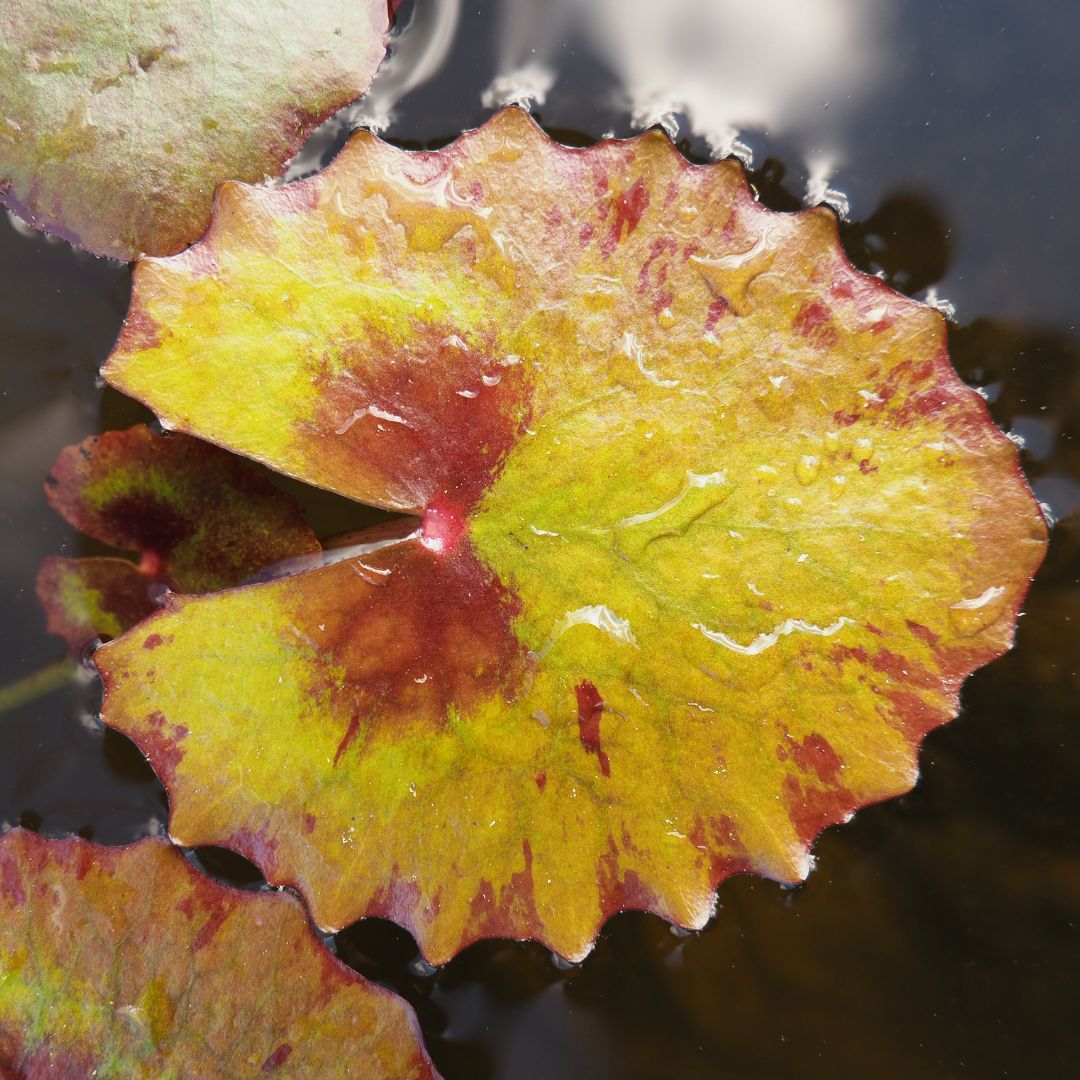
Australian Native | Fringe Lily | Yellow Flowers | Excellent Fish & Frog Cover
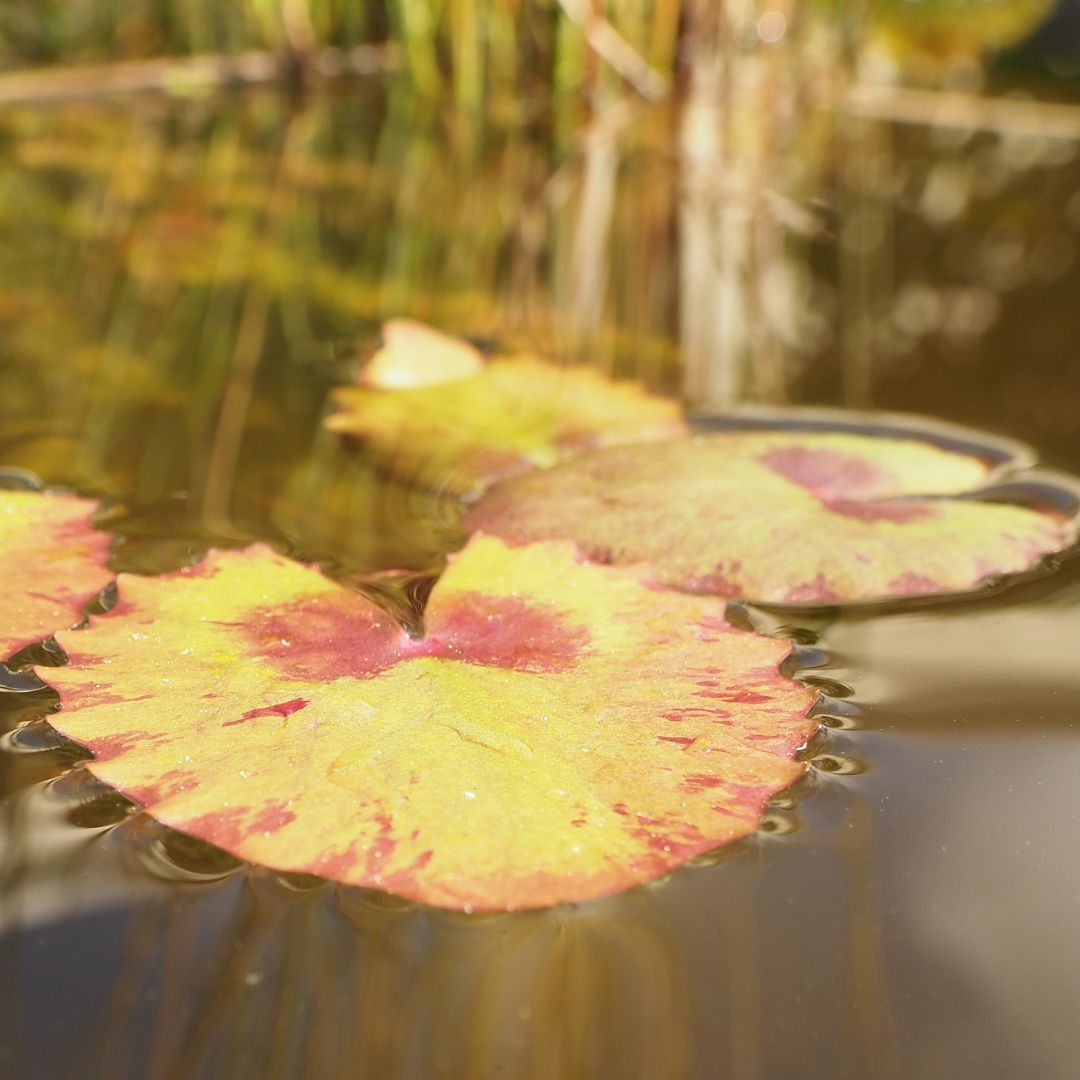
Add a touch of Australian native beauty to your pond with Goondiwindi Fringe Lily (Nymphoides goondiwindi). This beautiful native aquatic plant features ornamental, water-lily-shaped leaves with a distinctive burgundy-red centre, making it an eye-catching alternative to traditional water lilies.
In spring and summer, the foliage is complemented by unusual yellow, fringed star-shaped flowers that rise above the water. With its attractive foliage and spreading habit, Goondiwindi Fringe Lily is also an excellent habitat plant, providing valuable cover and protection for fish and frogs.
Growing at depths of approximately 25–40cm, it is a fantastic choice for adding an Australian native alternative to water lilies in your pond.
Why Grow Goondiwindi Fringe Lily in Your Pond?
Goondiwindi Fringe Lily offers many of the visual benefits of a water lily while providing the unique character of an Australian native pond plant.
• Australian native aquatic plant
• Attractive water-lily-shaped foliage
• Distinctive burgundy-red colouring through the centre of the leaves
• Produces unusual yellow fringed, star-shaped flowers
• Flowers during spring and summer
• Excellent cover and shelter for fish and frogs
• A native alternative to traditional water lilies
• Tolerates part shade as well as full sun
• Suitable for ponds with planting depths of 25–40cm
Goondiwindi Fringe Lily Pond Plant Features
• Botanical name: Nymphoides goondiwindi
• Common name: Goondiwindi Fringe Lily
• Plant type: Perennial aquatic plant
• Origin: Australia
• Position: Part shade to full sun
• Flowers: Yellow fringed star-shaped flowers
• Flowering period: Spring and summer
• Water depth: Approximately 25–40cm
• Foliage: Above or floating on the water
• Cover: Excellent cover for fish and frogs
• Oxygenator: No
• Best suited to: Ponds and deeper aquatic planting areas
Growing Goondiwindi Fringe Lily
Goondiwindi Fringe Lily is an attractive and adaptable Australian native aquatic plant that can be grown in part shade through to full sun.
Plant it at a depth of approximately 25–40cm, allowing the foliage to grow above or float across the surface of the water.
As the plant establishes, its foliage creates a natural layer of cover across the pond. This is particularly useful in ponds containing fish and frogs, giving them sheltered areas beneath and around the leaves.
Position
Goondiwindi Fringe Lily is shade tolerant and performs well from part shade through to full sun.
For the strongest flowering, a position with good sunlight is ideal. However, its ability to tolerate some shade makes it a versatile choice for ponds where sunlight levels change throughout the day.
Distinctive Water-Lily-Shaped Foliage
One of the standout features of Nymphoides goondiwindi is its attractive foliage.
The leaves have a familiar water-lily-like shape, but the distinctive burgundy-red colouring through the centre gives this Australian native its own unique appearance.
The foliage can sit above or float on the surface of the pond, creating both visual interest and valuable habitat below.
If you love the look of water lilies but want to incorporate more Australian native plants into your pond, Goondiwindi Fringe Lily is an excellent alternative.
Yellow Fringe Flowers
In spring and summer, Goondiwindi Fringe Lily produces striking yellow flowers.
The flowers have a distinctive fringed, star-shaped appearance, creating a beautiful contrast against the green and burgundy foliage.
The unusual flowers also add seasonal interest to the pond and can help attract insects to the water garden.
Excellent Cover for Fish & Frogs
Goondiwindi Fringe Lily is more than an attractive pond plant — it is also an excellent habitat and cover plant.
Its foliage provides shelter and protection for fish and frogs, creating shaded and concealed areas within the pond.
Providing plenty of aquatic plant cover is an important part of creating a more natural pond environment. Combine Goondiwindi Fringe Lily with marginal plants, grasses and other native pond plants to create different layers of habitat around your water garden.
A Native Alternative to Water Lilies
If you're looking for something with the appearance of a water lily but want to grow an Australian native, Goondiwindi Fringe Lily is well worth considering.
Its ornamental leaves provide a similar surface-covering effect, while the burgundy colouring and fringed yellow flowers give it a distinctive look of its own.
It is particularly effective when combined with other Australian native aquatic plants to create a diverse and natural-looking pond.
Planting Goondiwindi Fringe Lily in Your Water Garden
Plant Goondiwindi Fringe Lily into suitable aquatic planting media and position it at approximately 25–40cm below the water surface.
• Choose a position in part shade to full sun
• Plant at approximately 25–40cm water depth
• Allow the foliage room to spread across or above the water
• Use as a cover plant for fish and frogs
• Combine with other aquatic and marginal plants for a diverse habitat
• Provide adequate sunlight for the best flowering
Feeding Goondiwindi Fringe Lily
Feed Goondiwindi Fringe Lily in spring to encourage healthy growth and flowering.
We recommend Pond Plantz Time Release Fertilizer Tablets. Insert the tablet approximately 5–10cm beneath the surface of the soil, following the fertiliser instructions.
Pond Plantz Time Release Fertilizer Tablets
Create a Wildlife-Friendly Native Pond
Goondiwindi Fringe Lily is a beautiful way to introduce more Australian native plants into your water garden.
With its unusual burgundy-centred foliage, fringed yellow flowers and excellent cover for fish and frogs, it provides both ornamental interest and valuable habitat.
Plant it alongside native rushes, grasses, flowering marginals and other aquatic plants to create a layered pond environment that looks natural while providing shelter for pond life.


Latin Name: Nymphoides spinulosperma
Position: Part shade (shade-tolerant) to full sun
Flowers: Yellow flowers up to 5cm
Submersible: To a depth of 1 mtr
Foliage: Above or floating on the water
Origin: Native to Eastern Australia
Cover: Great cover plant and a good alternative to Water Lilies
Oxygenator: No
Nymphoides spinulosperma, also known as marbled marshwort, is an aquatic plant native to Eastern Australia and a member of the family Menyanthaceae. Described in 1997, it is considered a relatively new species.
Nymphoides spinulosperma is a perennial plant with stems up to 1.5 cm long. Its leaves are oval-shaped, similar to water lilies, measuring 2.5–12 cm long by 2–11 cm wide, with a heart-shaped (cordate) base. It produces bright yellow flowers with fringed petals in summer and autumn, and they can reach up to 5.5 cm across. Fertilise in early spring for a stunning flower display. Use the Pond Plantz time release fertilizer tablet by inserting the tablet 5-10cm under the surface of the soil.
This plant prefers still water environments and should not be placed near a fountain or waterfall. It grows best at a depth of up to 1 meter.

The David Hardy Water Lily (Nymphaea 'David') is a beautiful and reliable hardy water lily featuring elegant white flowers with a soft pink blush. Its delicate blooms sit gracefully above the water surface, creating a peaceful, natural look that suits a wide range of backyard ponds and water gardens.
David produces attractive floating lily pads that provide valuable shade for fish and help create a healthier pond environment. Its classic colouring makes it an excellent choice for gardeners looking to add a refined flowering feature without overwhelming the pond.
With its moderate growth habit, David is well suited to small to medium-sized ponds and is a great option for both new and experienced pond keepers. Like all hardy water lilies, it naturally enters winter dormancy before returning in spring with fresh foliage and a new season of flowers.
For the best flowering performance, plant David in full sun and feed regularly during the warmer months with aquatic fertiliser tablets. With the right conditions, this hardy variety will provide beautiful blooms throughout the growing season.
Please Note: Water Lily Corms Supplied Only
This water lily is supplied as a dormant corm only, not as a potted plant.
Your water lily will arrive ready to plant into an aquatic basket using quality aquatic potting mix. Once planted and placed at the correct depth in your pond, it will establish roots and produce fresh leaves and flowers during the growing season.
Supplying water lilies as dormant corms allows us to send healthy plants safely and helps them establish naturally in their new environment. With the right planting depth, sunlight and fertiliser, your water lily will reward you with beautiful blooms season after season.
Quick Facts
Botanical Name: Nymphaea 'David'
Flower Colour: White with a soft pink blush
Flower Size: Medium
Suitable for: Small to medium ponds, backyard ponds and water gardens
Plant Spread: Approximately 90–120 cm
Planting Depth: Submerge 30–60 cm below the water surface
Sun Requirements: Flowers best in full sun (minimum 4–6 hours of direct sunlight daily)
Climate: Suitable for cold climates and returns each spring after winter dormancy
Flowering Season: Spring to autumn
Why We Recommend David
-
Elegant white flowers with subtle pink tones.
-
A timeless variety that suits many pond styles.
-
Ideal size for small to medium backyard ponds.
-
Provides shade and shelter for fish.
-
Hardy and reliable year after year.
-
Easy-care variety suitable for beginner pond keepers.
Growing Tips
Plant David into a wide aquatic planting basket using heavy aquatic potting mix. Position the corm so the growing tip remains exposed above the soil before slowly lowering the basket to the recommended depth of 30–60 cm below the water surface.
For the best flowering display, position David in a sunny area of your pond where it receives at least 4–6 hours of direct sunlight daily. Regular feeding with aquatic fertiliser tablets during spring and summer will encourage healthy foliage and more frequent blooms.
Remove older yellowing leaves and spent flowers throughout the growing season to maintain a tidy appearance and encourage new growth.
During winter, David will naturally become dormant. Leave the corm in the pond and new leaves will emerge as temperatures increase in spring.
Perfect For
-
Small backyard ponds
-
Medium garden ponds
-
Formal water gardens
-
Fish ponds
-
Cottage-style gardens
-
Beginner pond keepers
Frequently Asked Questions
Is David a hardy water lily?
Yes. David is a hardy water lily that can tolerate cooler conditions and will naturally go dormant during winter before returning each spring.
What colour are David water lily flowers?
David produces elegant white flowers with soft pink tones, creating a subtle and classic look on the water surface.
How much sunlight does David need?
For the best flowering results, David should be planted in full sun with at least 4–6 hours of direct sunlight each day.
Can David be grown in a small pond?
Yes. David has a moderate growth habit and is suitable for small to medium ponds, provided it has adequate depth and sunlight.
How is my David water lily supplied?
David is supplied as a dormant corm only. It is not supplied as a potted plant and will need to be planted into an aquatic basket before being placed in your pond.

The Sioux Hardy Water Lily (Nymphaea 'Sioux') is one of the most distinctive hardy water lilies available, producing spectacular flowers that gradually change colour as they mature. Buds open in warm shades of yellow and apricot before developing rich salmon, orange and soft pink tones, creating an ever-changing display throughout the flowering season.
This award-winning variety brings exceptional colour and interest to ponds while its attractive floating foliage provides valuable shade for fish and other aquatic life.
Best suited to medium-sized ponds, Sioux is a reliable flowering variety that performs beautifully throughout Australia's temperate climates.
Please Note: Water Lily Corms Supplied Only
This water lily is supplied as a dormant corm only, not as a potted plant.
Your water lily will arrive ready to plant into an aquatic basket using quality aquatic potting mix before placing it into your pond.
Quick Facts
Botanical Name: Nymphaea 'Sioux'
Flower Colour: Yellow, apricot, salmon and pink
Flower Size: Medium to large
Suitable for: Medium ponds
Plant Spread: Approximately 120–150 cm
Planting Depth: Submerge 30–60 cm
Sun Requirements: Flowers best in full sun
Climate: Suitable for cold climates
Flowering Season: Spring to autumn
Why We Recommend Sioux
- Stunning colour-changing flowers.
- One of the most unique hardy water lilies available.
- Flowers prolifically throughout the warmer months.
- Excellent feature plant.
- Provides shade and shelter for fish.
Growing Tips
Plant Sioux in a wide aquatic basket using quality aquatic potting mix. Place in full sun and feed regularly with aquatic fertiliser tablets throughout the growing season for maximum flowering.
Remove spent flowers and older leaves regularly to encourage continuous blooms.
Perfect For
- Medium ponds
- Ornamental ponds
- Fish ponds
- Feature water gardens
- Gardeners wanting something unique
Frequently Asked Questions
Why does Sioux change colour?
Sioux naturally changes colour as each flower matures, beginning with warm yellow and apricot tones before developing deeper salmon and pink shades.
How is Sioux supplied?
Sioux is supplied as a dormant corm only and is not supplied as a potted plant.

The Colorado Hardy Water Lily (Nymphaea 'Colorado') is a spectacular and highly sought-after variety known for its warm peachy-pink flowers and exceptional flowering performance. Its large, star-shaped blooms open above the water surface, creating a stunning focal point in any pond or water garden.
One of the most admired hardy water lilies available, Colorado produces flowers that change in colour as they mature, often displaying beautiful shades of apricot, salmon, peach and soft pink. This unique colouring makes it a standout choice for gardeners wanting something different from traditional white or red water lilies.
Colorado is a vigorous grower that performs best in medium to large ponds, where its attractive green lily pads can spread naturally and provide valuable shade and shelter for fish. Its generous foliage also helps create a healthier pond ecosystem by reducing sunlight reaching the water surface.
Like all hardy water lilies, Colorado naturally becomes dormant during winter before returning each spring with fresh foliage and flowers. With the right position, sunlight and fertilising routine, this reliable variety will reward you with a spectacular display throughout the warmer months.
Please Note: Water Lily Corms Supplied Only
This water lily is supplied as a dormant corm only, not as a potted plant.
Your water lily will arrive ready to plant into an aquatic basket using quality aquatic potting mix. Once planted and placed at the correct depth in your pond, it will establish roots and produce fresh leaves and flowers during the growing season.
Supplying water lilies as dormant corms allows us to send healthy plants safely and helps them establish naturally in their new environment. With the right planting depth, sunlight and fertiliser, your water lily will reward you with beautiful blooms season after season.
Quick Facts
Botanical Name: Nymphaea 'Colorado'
Flower Colour: Peach, salmon and soft pink tones
Flower Size: Large
Suitable for: Medium to large ponds
Plant Spread: Approximately 120–180 cm
Planting Depth: Submerge 20–60 cm below the water surface
Sun Requirements: Flowers best in full sun (minimum 4–6 hours of direct sunlight daily)
Climate: Suitable for cold climates and returns each spring after winter dormancy
Flowering Season: Spring to autumn
Why We Recommend Colorado
- Stunning peach and salmon-coloured blooms.
- A unique colour-changing flower that creates visual interest.
- Excellent flowering performance throughout the warmer months.
- Large foliage provides shade and shelter for pond fish.
- A beautiful feature variety for medium to large ponds.
- Hardy and reliable in Australian climates.
Growing Tips
Plant Colorado into a large aquatic planting basket using quality aquatic potting mix. Position the corm with the growing tip exposed and place the basket at a depth of approximately 20–60 cm below the water surface.
Choose the sunniest area of your pond for the best flowering display. Colorado performs best with at least 4–6 hours of direct sunlight each day. Regular feeding with aquatic fertiliser tablets during spring and summer will encourage strong growth and abundant blooms.
Remove old leaves and spent flowers regularly to maintain plant health and keep your pond looking tidy.
During winter, Colorado will naturally enter dormancy. Leave the corm in the pond, and new growth will appear when warmer weather returns.
Perfect For
- Medium backyard ponds
- Large ornamental ponds
- Feature water gardens
- Fish ponds
- Landscapes needing a colourful focal point
- Gardeners wanting a show-stopping water lily
Frequently Asked Questions
What colour is the Colorado water lily?
Colorado produces beautiful peach, salmon and soft pink flowers. The colour can vary as each bloom matures, creating a constantly changing display.
Is Colorado a good water lily for Australian ponds?
Yes. Colorado is a hardy water lily suitable for Australian temperate and cooler climates. It will naturally become dormant in winter and return in spring.
How much sun does Colorado need?
For the best flowering performance, plant Colorado in full sun with at least 4–6 hours of direct sunlight daily.
What size pond is Colorado best suited to?
Colorado is best suited to medium and large ponds due to its vigorous growth and larger spread. For smaller ponds, compact varieties such as Hermine or Fabiola may be more suitable.
How is my Colorado water lily supplied?
Colorado is supplied as a dormant corm only. It is not supplied as a potted plant and will need to be planted into an aquatic basket before being placed in your pond.
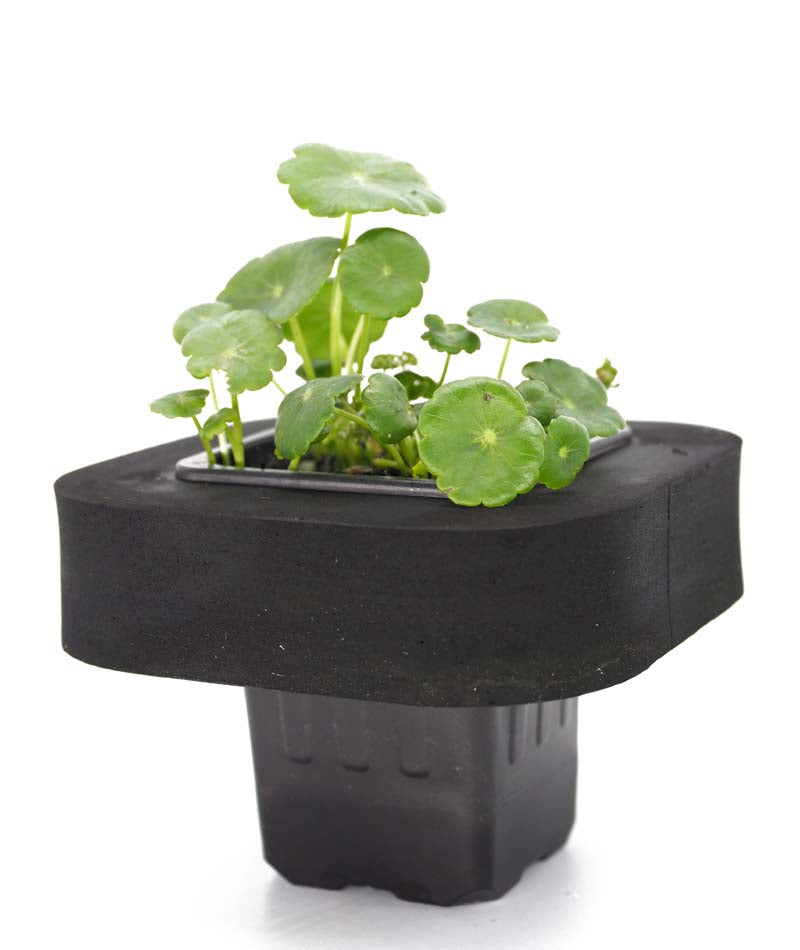
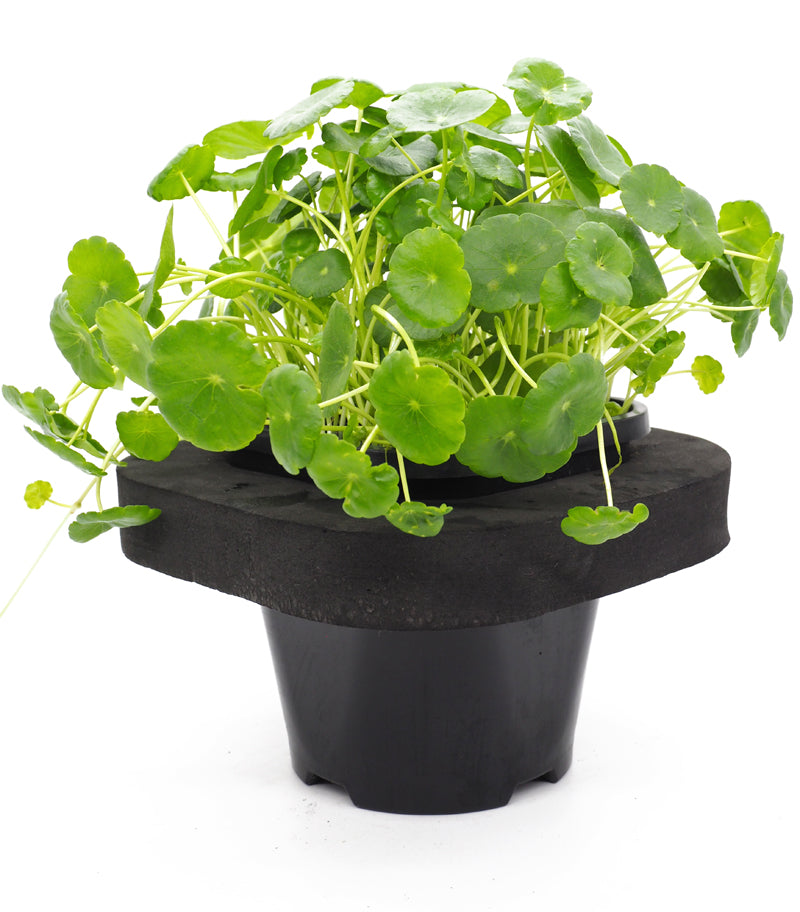
Shield Pennywort (Hydrocotyle sibthorpioides) is a versatile Australian pond plant that forms a dense, creeping mat of distinctive little umbrella-shaped leaves. Its shiny green foliage has a slightly ruffled edge, creating an attractive ground cover around the pond or across shallow areas of the water.
This perennial aquatic plant can grow submerged to approximately 10cm deep or spread through the damp and boggy margins of your pond. Its creeping growth habit makes it particularly useful for softening pond edges and creating natural habitat for frogs, fish and fry.
Shield Pennywort is relatively slow growing, so providing it with suitable aquatic fertiliser can help encourage healthy, vigorous growth.
Why you'll love Shield Pennywort
- Australian native pond plant
- Distinctive umbrella-shaped green leaves
- Forms attractive, dense creeping ground cover
- Can grow submerged or in damp, boggy soil
- Suitable for full sun to part shade
- Can be grown in water up to approximately 10cm deep
- Excellent cover for frogs, fish and fry
- Ideal for pond edges and bog gardens
- Produces small white flowers
- Continues spreading through runners
- Low-growing, reaching approximately 10cm high
- Perennial plant
- Suitable for both small and large water gardens
Where to grow Shield Pennywort
Shield Pennywort is particularly useful around the edge of the pond, where it can grow through damp or boggy soil and create a natural green carpet.
It can also be grown submerged to approximately 10cm deep, where its creeping foliage provides cover for frogs, fish and young fish (fry).
Shield Pennywort grows well in part shade, but can also tolerate full sun. Keeping the growing conditions consistently moist will help it establish and spread.
Shield Pennywort as a pond ground cover
One of the most appealing features of Shield Pennywort is its creeping growth habit. Rather than growing into a large upright plant, it sends out runners that gradually spread across the growing area.
Given suitable conditions, it can continue spreading to create dense ground cover around the pond. This makes it especially useful for softening hard pond edges and creating a more natural transition between the water and surrounding garden.
Shield Pennywort for frogs and fish
When grown submerged, Shield Pennywort can create a low layer of vegetation that provides cover and shelter for frogs, fish and fry.
For a wildlife-friendly water garden, combine it with taller marginal plants and floating plants to create several layers of habitat.
Feeding Shield Pennywort
Shield Pennywort can be relatively slow growing, particularly while it is establishing. Regular feeding with a suitable aquatic fertiliser can encourage healthy growth.
We recommend Pond Plantz Time Release Fertilizer. Follow the product directions when applying fertiliser to your pond plants.
Shield Pennywort Plant Information
Plant type: Perennial aquatic pond plant
Botanical name: Hydrocotyle sibthorpioides
Origin: Australia
Position: Full sun to part shade
Flowers: Small white flowers
Water depth: Up to approximately 10cm
Height: Approximately 10cm
Width: Spreading/continually expanding through runners
Foliage: Grows above the water line
Growth habit: Creeping ground cover
Oxygenating: No
Edible: No
Best for: Pond margins, boggy areas, shallow water, frog habitat and fish and fry cover
Learn more about Shield Pennywort
Want to know more about growing this unusual pond plant?
Read our guide: The Ultimate Guide to Growing Shield Pennywort Hydrocotyle sibthorpioides in Your Pond: Tips, Tricks, and Benefits.
Looking for more pond plants? Explore our range of Pond Plants Online and find plants for pond edges, bog gardens, shallow water, wildlife habitat and floating cover.

The Hermine Hardy Water Lily (Nymphaea 'Hermine') is a charming compact variety that produces elegant, star-shaped white flowers with bright golden-yellow centres from spring through to autumn. Its crisp white blooms stand out beautifully against rich green lily pads, bringing a timeless, classic look to ponds and water gardens.
Ideal for small to medium ponds, Hermine is a reliable flowering variety that performs exceptionally well in Australia's temperate climates. Its compact growth habit also makes it an excellent choice for courtyard ponds, patio ponds and larger container water gardens where space is limited.
As a hardy water lily, Hermine enters winter dormancy before returning each spring with fresh foliage and an abundance of flowers. Once established, it is easy to grow and rewards gardeners with a long flowering season and attractive floating foliage that provides shade and shelter for fish while helping to create a naturally balanced pond ecosystem.
For the best flowering display, plant Hermine in a sunny position using quality aquatic potting mix and aquatic fertiliser tablets during the growing season.
Quick Facts
Botanical Name: Nymphaea 'Hermine'
Flower Colour: Pure white with a golden-yellow centre
Flower Size: Small to medium
Suitable for: Small to medium ponds, patio ponds and container water gardens
Plant Spread: Approximately 60–90 cm
Planting Depth: Submerge 30–60 cm below the water surface
Sun Requirements: Flowers best in full sun (minimum 4–6 hours of direct sunlight daily)
Climate: Suitable for cold climates and returns each spring after winter dormancy
Flowering Season: Spring to autumn
This water lily is supplied as a dormant corm only, not as a potted plant.
Why We Recommend Hermine
-
Elegant white flowers that complement any pond design.
-
Compact variety perfect for smaller ponds and water features.
-
Long flowering season from spring through autumn.
-
Floating foliage provides shade and shelter for fish.
-
Hardy and easy to grow, making it ideal for beginners.
-
Suitable for Australia's temperate and cooler climates.
Growing Tips
Plant Hermine into a wide aquatic planting basket using heavy aquatic potting mix rather than regular garden soil. Position the crown so it sits just below the soil surface and gradually lower the basket until the plant is growing at a depth of 30–60 cm.
Feed regularly during the growing season with aquatic fertiliser tablets to encourage healthy foliage and continuous flowering. Remove spent flowers and ageing leaves to keep the plant looking its best and to promote new growth.
Although Hermine becomes dormant during winter, leave the rhizome in the pond. New leaves will emerge naturally as temperatures warm in spring.
Perfect For
-
Small backyard ponds
-
Courtyard and patio ponds
-
Container water gardens
-
Formal pond designs
-
Fish ponds
-
Beginner pond keepers
Frequently Asked Questions
Does Hermine grow well in Australia?
Yes. Hermine is a hardy water lily well suited to Australia's temperate and cooler climates, producing reliable flowers throughout the warmer months.
How much sun does Hermine need?
For the best flowering performance, plant Hermine where it receives at least 4–6 hours of direct sunlight each day.
Can I grow Hermine in a container pond?
Absolutely. Its compact growth habit makes it an excellent choice for container ponds, patio ponds and other smaller water features.
When does Hermine flower?
Hermine typically flowers from spring through to autumn, with regular blooms throughout the growing season when fertilised and positioned in full sun.