Search results
Search results
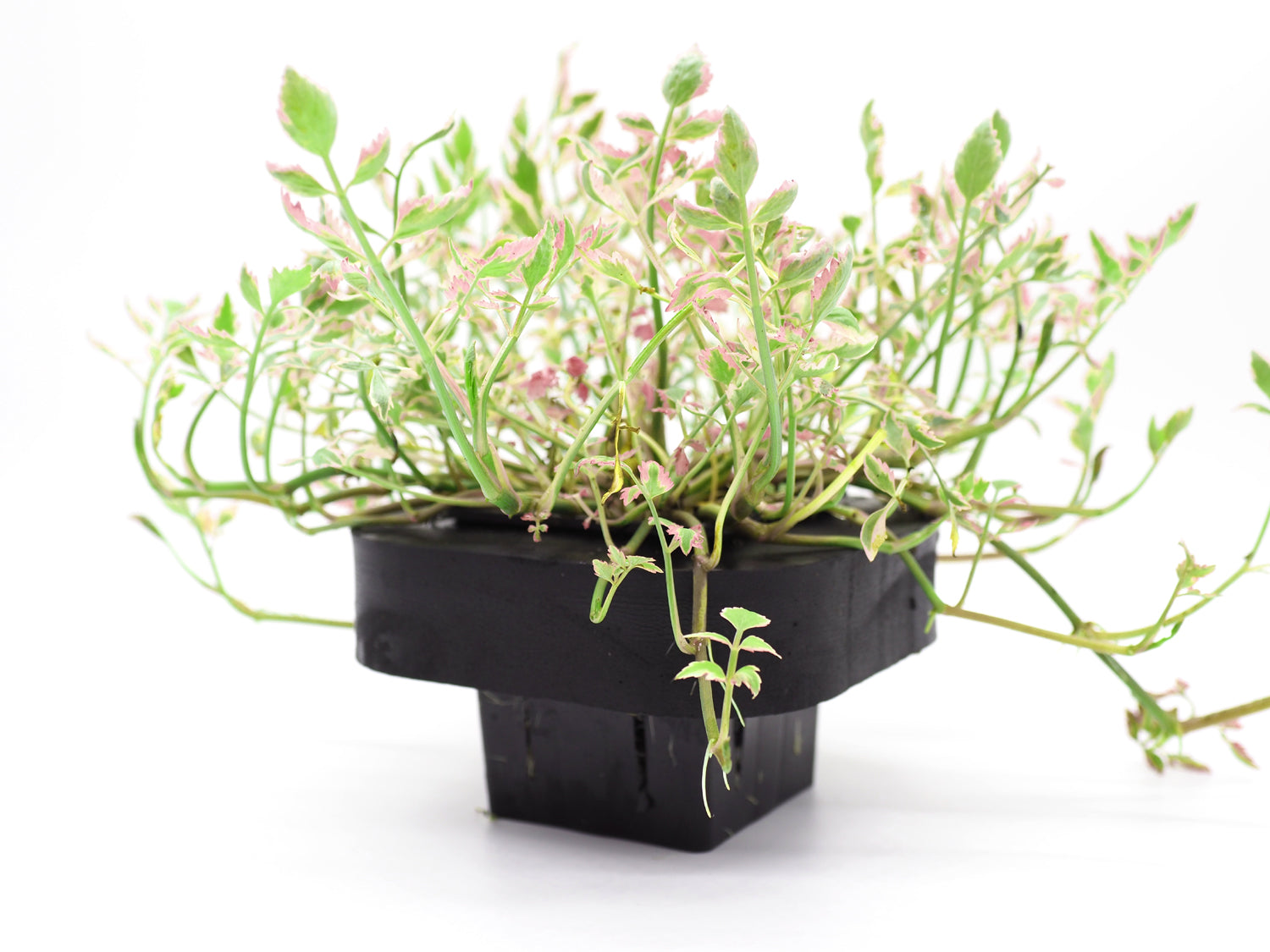
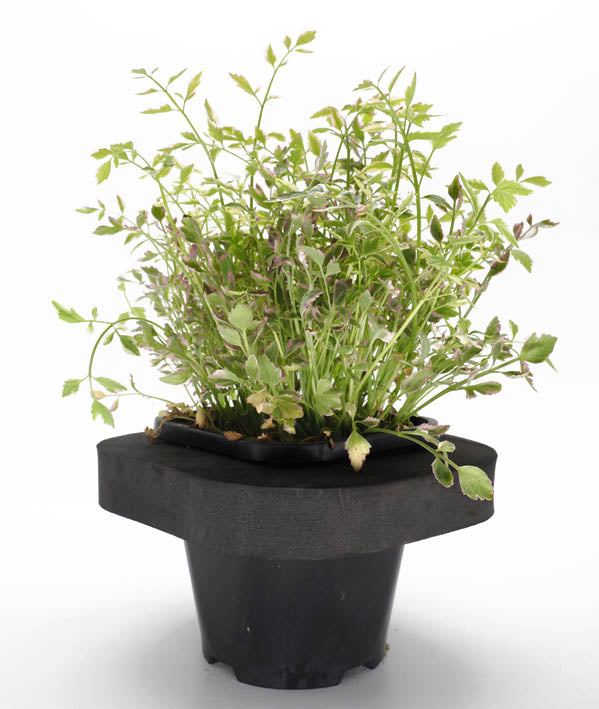
Rainbow Water Parsley (Oenanthe javanica flamingo) with floating ring
From $15.00
Unit price perRainbow Water Parsley (Oenanthe javanica flamingo) with floating ring
From $15.00
Unit price perRainbow Water Parsley (Oenanthe javanica ‘Flamingo’) is a striking perennial pond plant with beautifully variegated foliage in shades of green, cream and pink. Also known as Water Celery or Japanese Water Parsley, ‘Flamingo’ is an excellent choice for adding colour and texture to the edges of ponds and water gardens.
This versatile plant can be grown in shallow water between approximately 5–15cm deep and thrives in full sun to part shade. Its upright foliage can reach around 60cm high, creating useful structure and shelter around the pond while providing good cover for frogs.
An added bonus is that Rainbow Water Parsley is edible. Its fresh leaves can be used to add flavour and colour to salads and other dishes.
Why you'll love Rainbow Water Parsley
- Stunning pink, cream and green variegated foliage
- Australian-friendly pond plant for water gardens
- Perennial and easy to grow
- Suitable for full sun to part shade
- Can grow in shallow water approximately 5–15cm deep
- Grows to approximately 60cm high
- Produces small white flowers
- Provides good cover and shelter for frogs
- Edible foliage
- Adds colour, texture and height to pond margins
- Excellent choice for wildlife-friendly water gardens
Where to grow Rainbow Water Parsley
Rainbow Water Parsley grows well in full sun to part shade and is particularly suited to the shallow margins of ponds and water gardens.
Plant it where the base of the plant can sit in approximately 5–15cm of water, or position it in a consistently moist area around the edge of the pond.
With its upright growth and colourful foliage, it works particularly well when planted amongst lower-growing pond plants to create different layers of height and texture.
Stunning variegated foliage
The standout feature of Oenanthe javanica ‘Flamingo’ is its colourful foliage. New growth can display attractive shades of pink and cream alongside green, creating a vibrant splash of colour around the pond.
The foliage provides interest even when the plant isn't flowering, making Rainbow Water Parsley a great choice for a pond where you want colour and texture throughout the growing season.
Rainbow Water Parsley for frogs
The upright foliage creates cover and shelter for frogs, making this a useful plant for wildlife-friendly ponds.
Plant Rainbow Water Parsley alongside other marginal and floating plants to create a variety of sheltered areas for frogs, fish and other pond wildlife.
An edible pond plant
Rainbow Water Parsley is also an edible water plant. The fresh leaves can be used in salads and other dishes to add distinctive flavour and colour.
Only consume plants that have been grown specifically under suitable conditions for eating, and follow appropriate food-safety practices when harvesting from a pond or water garden.
Rainbow Water Parsley Plant Information
Plant type: Perennial pond plant
Botanical name: Oenanthe javanica ‘Flamingo’
Common name: Rainbow Water Parsley
Position: Full sun to part shade
Flowers: Small white flowers
Water depth: Approximately 5–15cm
Height: Up to approximately 60cm
Width: Up to approximately 30cm
Foliage: Variegated pink, cream and green foliage above the water
Origin: South East Asia
Oxygenating: No
Edible: Yes
Best for: Pond margins, shallow water, colourful foliage, frog habitat and edible water gardens
Grow Rainbow Water Parsley in your pond
If you're looking for a pond plant that combines colourful foliage, wildlife habitat and edible leaves, Rainbow Water Parsley is an excellent choice.
Plant it in the shallow margins of your pond or water garden and combine it with flowering, floating and native pond plants for a diverse and attractive display.
Looking for more colourful pond plants? Explore our range of Pond Plants Online and discover plants for pond margins, shallow water, wildlife habitat and water gardens.
Perennial | Edible | Surface Cover | Pond Plant
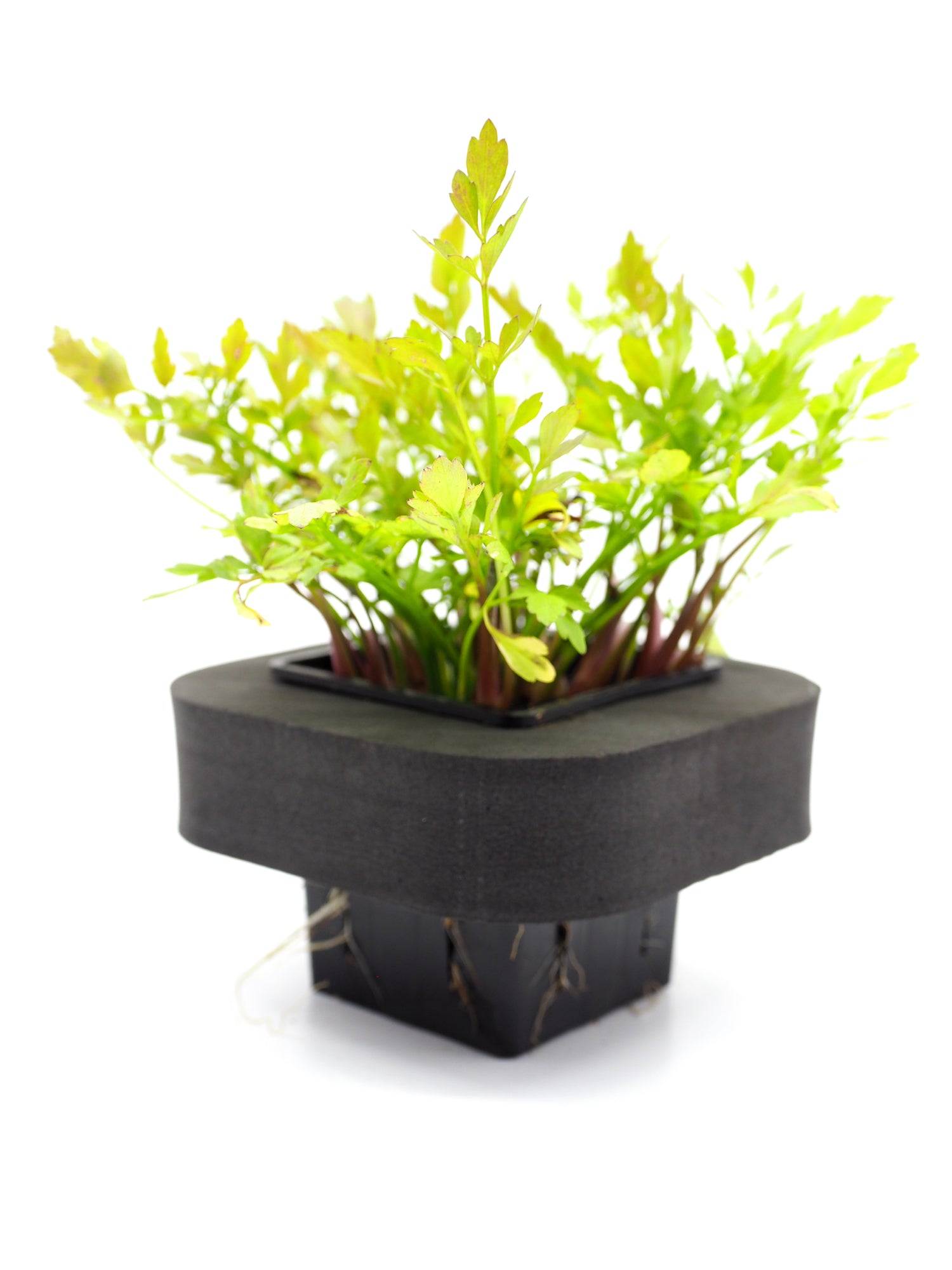
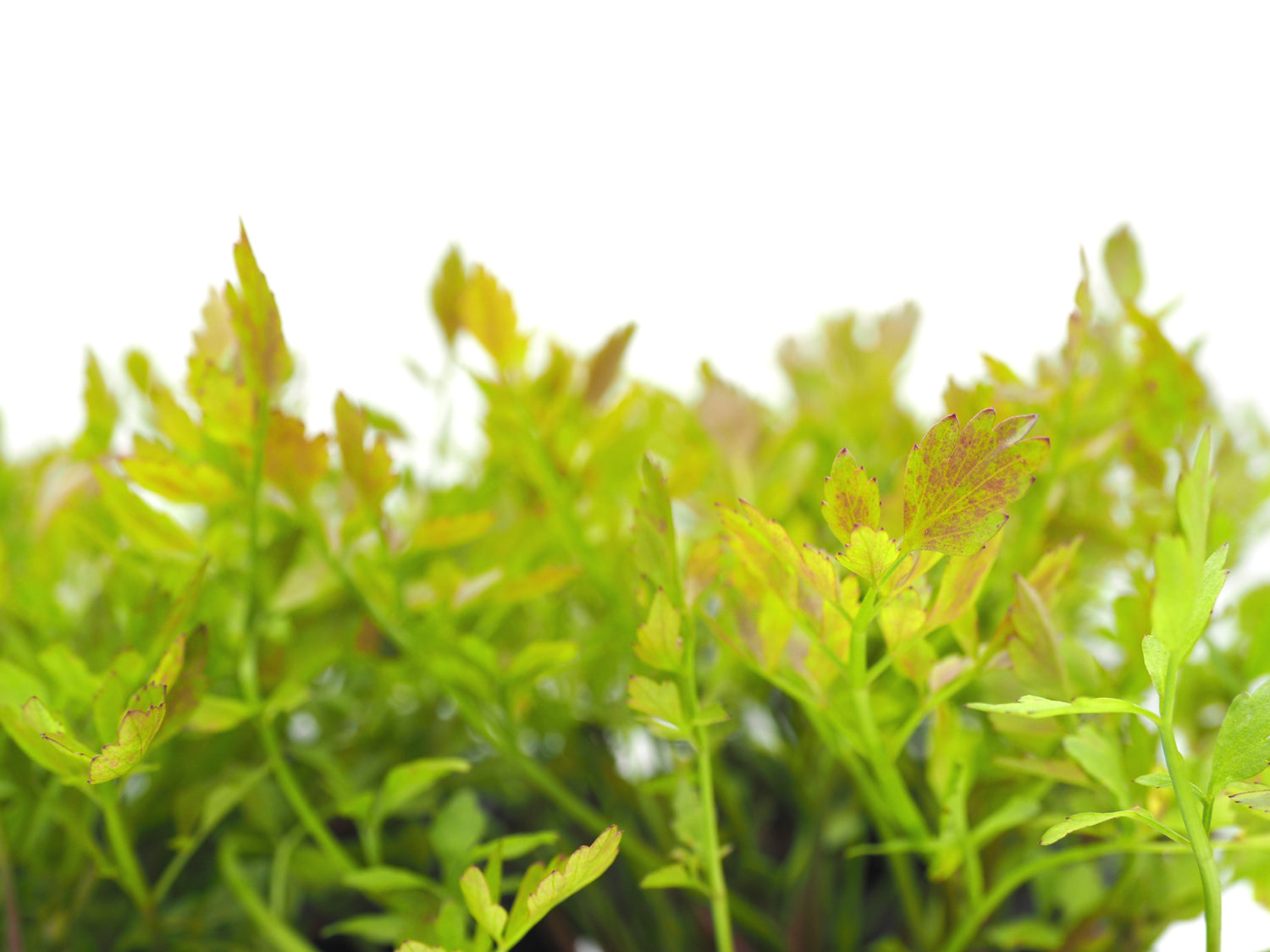
Water Parsley (Oenanthe sarmentosa) is a beautiful and useful edible pond plant with delicate foliage, small white flowers and a naturally spreading growth habit. It is an excellent choice for adding greenery and surface cover to ponds, water bowls and water gardens.
When grown in our floating pond plant ring, Water Parsley spreads across the water's surface, creating a lush green mat. This makes it particularly useful for providing cover and softening the appearance of open areas of water.
Water Parsley grows well in full sun to part shade and can tolerate shallow water between approximately 5–15cm deep. Its foliage grows above the water line, creating a lovely natural transition between the pond and surrounding garden.
Why Grow Water Parsley in Your Pond?
Water Parsley is a great choice for anyone wanting to combine edible plants with a beautiful water garden.
Its delicate foliage and small white flowers add texture and interest, while its spreading habit can provide excellent surface cover when grown in a floating pond plant ring.
The foliage can also be harvested for use in the kitchen. Water Parsley has a parsley-like flavour and can be used fresh in salads, as a garnish or to make herbal tea.
Water Parsley Pond Plant Features
• Botanical name: Oenanthe sarmentosa
• Common name: Water Parsley
• Plant type: Perennial
• Origin: California and Alaska
• Position: Full sun to part shade
• Flowers: Small white flowers
• Water depth: Approximately 5–15cm
• Foliage: Grows above the water line
• Height: Up to approximately 20cm
• Width: Up to approximately 40cm
• Edible: Yes
• Oxygenator: No
• Cover: Excellent surface cover when grown in a floating pond plant ring
• Best suited to: Ponds, water bowls, shallow water and edible water gardens
Growing Water Parsley
Water Parsley is a spreading pond plant that enjoys consistently moist conditions and can be grown in shallow water.
For an easy way to add it to your pond, place it into a floating pond plant ring. As it grows, the plant can spread out across the surface, creating an attractive mat of foliage.
This spreading growth habit makes Water Parsley particularly useful for covering sections of open water and creating a more natural-looking pond environment.
It can also be planted around the pond margin or in shallow water, where its foliage will grow above the surface.
Position
Water Parsley grows well in full sun to part shade.
A sunny position will encourage strong growth, while part shade is also suitable. When grown in a floating pond plant ring, make sure the plant has access to plenty of light so it can develop healthy, dense foliage.
Water Parsley as Surface Cover
One of the most useful features of Water Parsley is its ability to provide surface cover.
When grown in a floating pond plant ring, its stems spread across the water and create a lush layer of foliage. This is a great way to break up large areas of open water and add another layer of planting to your pond.
Surface-covering plants can also help create a more natural and sheltered environment for pond life.
For the best result, combine Water Parsley with taller marginal plants and flowering pond plants to create different levels of planting around your water garden.
An Edible Pond Plant
Water Parsley is an edible pond plant and can be used in the kitchen in a similar way to other leafy herbs.
The fresh leaves can be used in salads, as a garnish or added to dishes for extra flavour. The leaves can also be used fresh or dried to make a herbal tea.
Water Parsley contains naturally occurring vitamins, antioxidants and plant compounds, making it an interesting addition to an edible water garden.
As with any edible plant, only consume plants that have been grown in suitable conditions and have not been treated with products unsuitable for edible plants.
Water Parsley Flowers
Water Parsley produces small white flowers that add a delicate touch to the foliage.
The flowers are relatively subtle, allowing the attractive green foliage and spreading habit of the plant to remain the main feature.
For a more colourful display, combine Water Parsley with flowering pond plants to create contrast and additional seasonal interest.
Is Water Parsley an Oxygenating Plant?
No. Water Parsley is not an oxygenating pond plant.
It is primarily useful for its edible foliage, spreading growth habit and ability to provide surface cover.
For a balanced pond planting scheme, combine Water Parsley with dedicated oxygenating plants, marginal plants and flowering pond plants.
A simple way to plan your pond planting is to follow the 3-2-1 rule: 3 oxygenating plants, 2 marginal plants and 1 flowering plant per square metre.
Planting Water Parsley in Your Water Garden
Water Parsley is ideal for:
• Pond margins
• Shallow water
• Floating pond plant rings
• Water bowls
• Edible water gardens
• Natural-style ponds
• Small ponds and container water gardens
Its spreading habit makes it particularly useful where you want to add greenery across the surface of your pond without relying solely on floating plants.
Feeding Water Parsley
For healthy, vigorous growth, Water Parsley benefits from a nutrient-rich growing environment.
A suitable slow-release aquatic fertiliser tablet can be added during the growing season. Always follow the manufacturer's instructions for application rate and frequency.
Add Water Parsley to your pond for delicate foliage, edible leaves, small white flowers and beautiful natural surface cover.
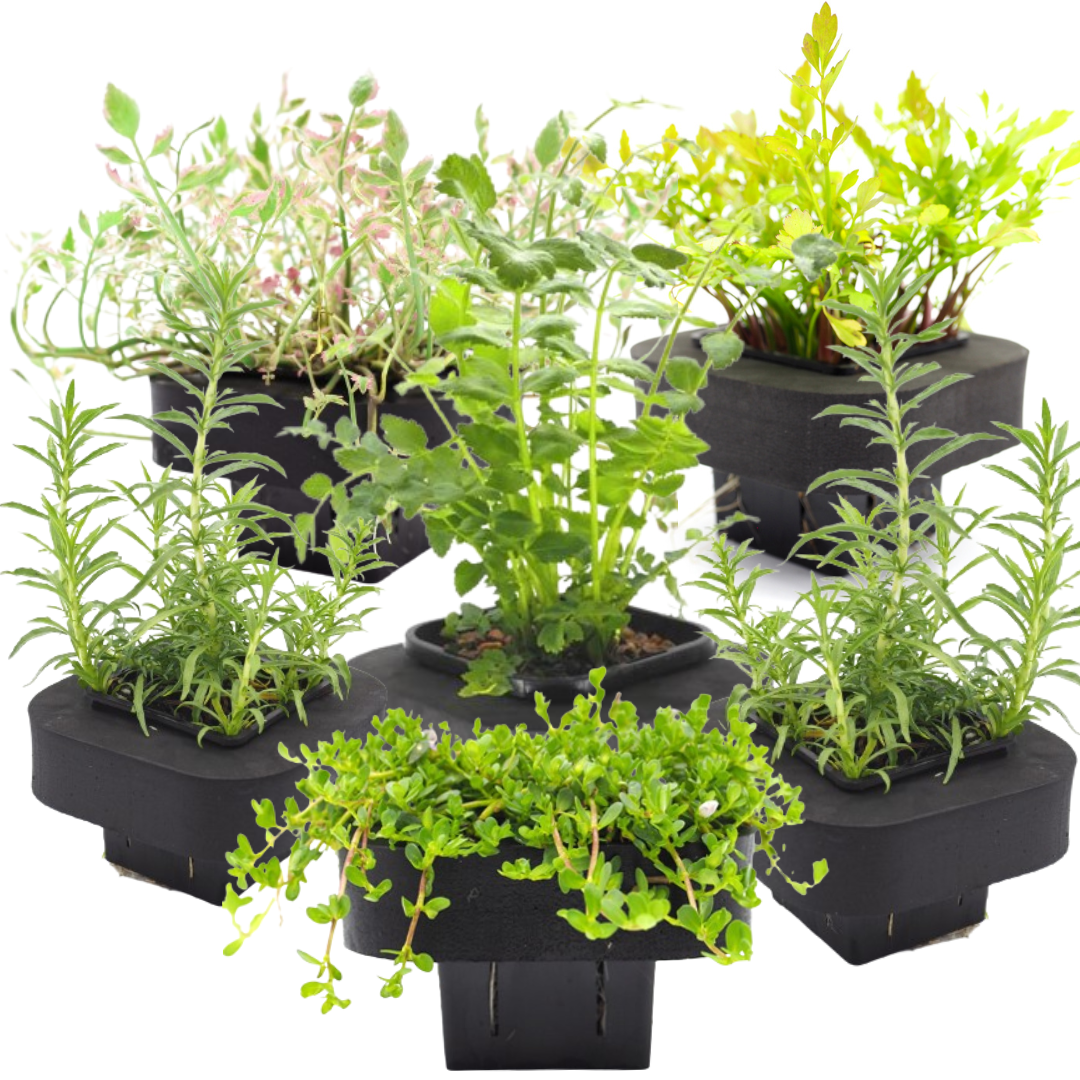
We have put together the best & most commonly used water plants for everyday use.
Water parsley, water mint, water celery and brahmi bacopa are all fabulous water plants that you will enjoy at hand for your culinary needs! All plants in the pack are in 7cm pots and come with a floating pond ring to keep them at the perfect water level in your pond.
- Water Parsley, Rainbow Water Parsley and Water Celery are excellent in a salad.
- Water Mint can be added drinks or Asian salads.
- Brahmi is known as the 'Memory Herb' for its potential cognitive and medicinal benefits! Perfect for brewing tea.
Your edible starter pack includes
- 2 x Fine Leaf Water Mint (Mentha cevina)
- 1 x Water celery (Berela erecta)
- 1 x Brahmi (Bacopa Monnieri)
- 1 x Water parsley (Oenanth)e sarmentosa)
- 1 x Rainbow Water parsley (Oeanthe Javanica)
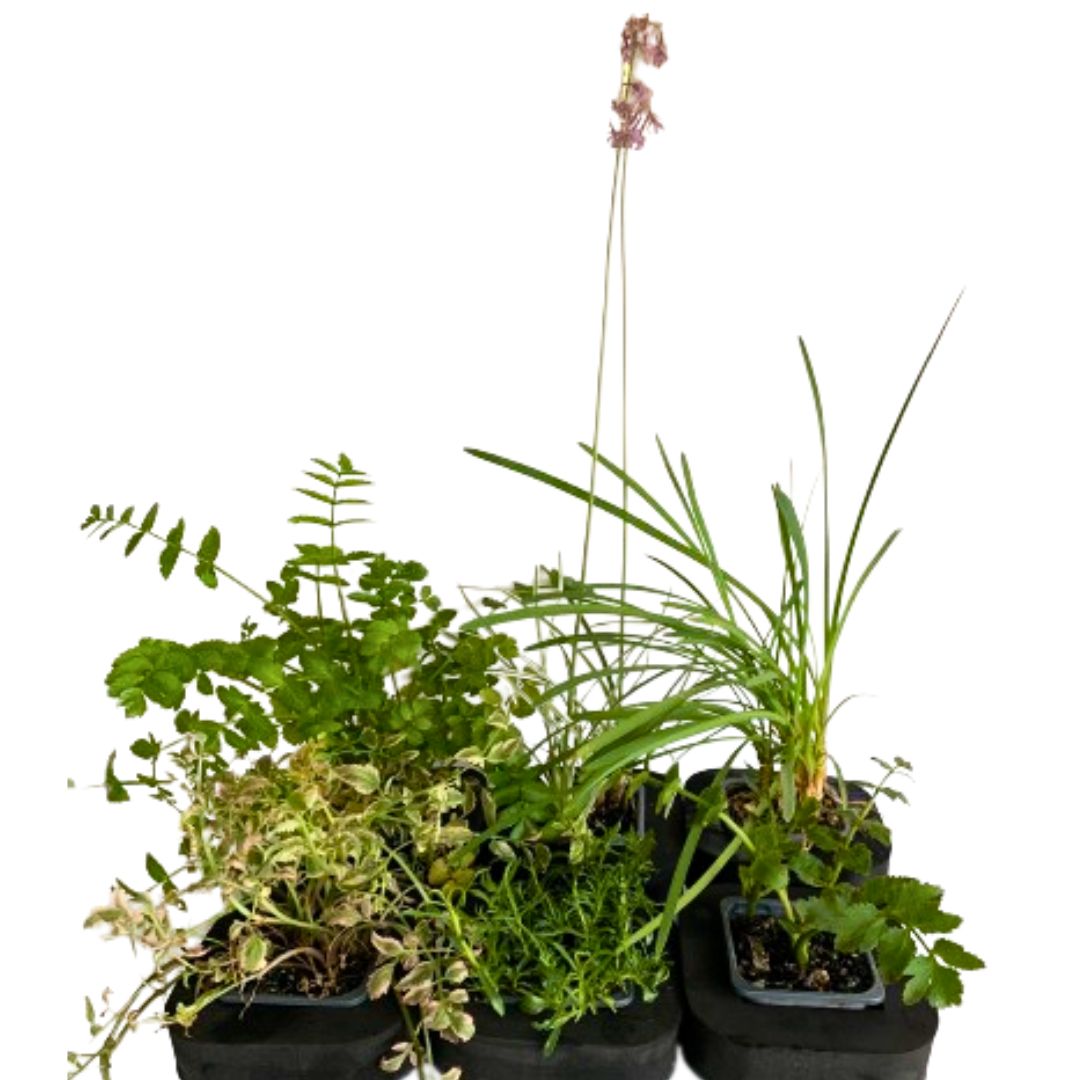
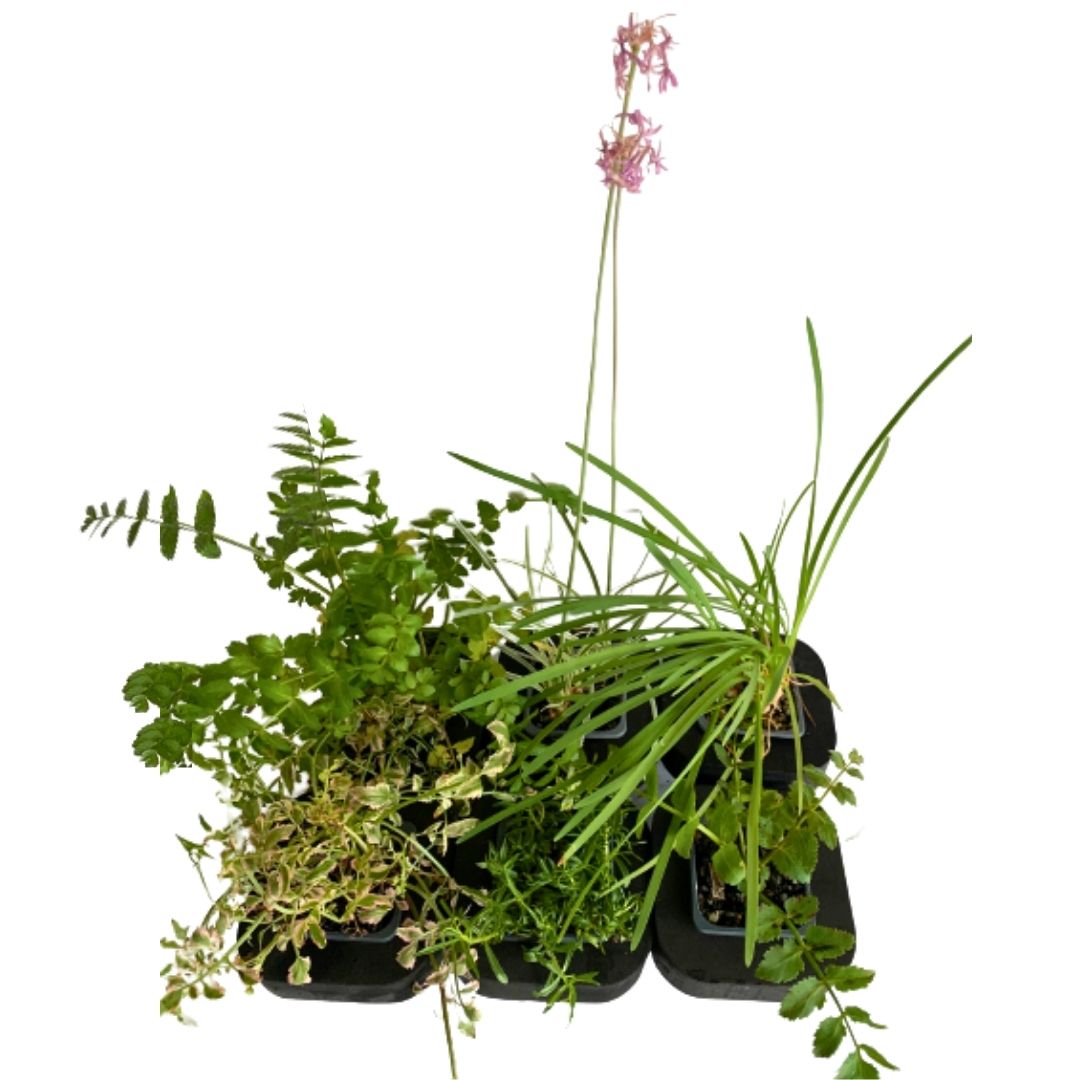
- 1 x Water celery
- 1 x Lebanese cress
- 1 x Fine-leaf water mint
- 1 x Rainbow parsley
- 1 x Water garlic
- 1 x Variegated water garlic
About these pond plants.
Water Celery
Perennial
Position- Full sun - part shade
Flowers - Small creamy white flowers
Submersible - To a depth of 2cm - 5cm
Foliage - Produced above the water
Origin - Australia
Grows - to 20cm W and up to 40cm H
Cover - No
Oxygenator - No
Edible - Yes
propagation:-Division
Water Celery (Berela erecta) is an excellent addition to any edible water garden. Both the leaves and stems can be eaten. It has a very strong celery flavour so it's a good addition to any green summer salad.
Lebanese Cress
Perennial
Position - Full sun to part shade
Flowers - Yes
Submersible -To a depth of 5cm-15cm
Foliage - Produced above water
Origin - Mediterranean
Grows - to 40cm W and 20cm H
Cover - Great Surface cover when grown with a floating ring
Oxygenator - No
Edible - Yes
Lebanese Cress Aethionema Cordifolium also known as Lebanese water cress can reduce algae growth in ponds due to rapid growth and surface cover. The leaves from this edible fern-like water plant make a tasty garnish in any salad.
Lebanese cress has many health benefits. The leaves of this pond plant are a good source of protein with vitamins A, B, C, iron, calcium, phosphorous and potassium.
Fine Leaf Water Mint
Perennial plant
Position - Part shade
Flowers - small white flower
Submersible - To a depth of 5cm
Foliage - Produced above water
Origin - Western Mediterranean
Grows - to 20cm W and 30cm H
Cover - Best suited to a floating ring
Oxygenator - No
Edible - Yes
propagation- Division or runners
Fine leaf water mint Mentha cevina has many health benefits. It can be effective in relieving digestive problems such as upset stomach, bad breath (can be used as a mouthwash) and indigestion.
The leaves can be added to drinks, tea and salads to add a wonderful summer flavour. They have a strong punchy flavour and go well in Asian salads.
Like all mints, fine leaf water mint is a good source of vitamin C when served fresh. It also contains vitamin A.
Rainbow Parsley
Perennial
Position - Full sun to part shade
Flowers - small white flowers
Submersible - To a depth of 5cm-15cm
Foliage - Produced above water
Origin - South East Asia
Grows - to 30cm W and 60cm H
Cover - Great Surface cover when grown with our pond plant floating ring
Oxygenator - No
Edible - Yes
Propagation- Division
A variegated variety of water parsley. The cooler the climate the stronger the pink hue in the foliage. Rainbow water parsley adds great flavour and colour when added to salads! This pond plant rich in many vitamins, particularly vitamin K, which is needed for blood clotting and bone health. It's a great source of vitamins A and C (supports immune health).
Parsley is particularly rich in flavonoid antioxidants and vitamin C, which reduce oxidative stress in your body and may lower your risk of certain cancers.
Varigated Water Garlic
Perennial
Oxygenator: No
Edible: Yes
Flower: Yes (small mauve)
Height: 30cm
Water Depth: 1cm
Position: Full sun
Propagation: Division
Variegated Water Garlic Tulbaghia violacea is a native of South Africa. Variegated Water Garlic can reach 30cm in size and has variegated green foliage where the leaf colour at a distance appears white and it produces a small purple flower and is a recent addition to the world of pond plants. It enjoys a full sun position and will perform best when grown in shallow water that does not cover the crown of the plant and can be grown in the floating pond ring that is included with all our plants.
Thinning out Water garlic every season will encourage more flowers and encourage vigorous growth through the summer months.
The leaves of Variegated Water Garlic can be chopped and used in salads and soups. The flowers can be added to vinegar or oils to give a slight hint of garlic flavour. You could also choose to use the flowers as an edible as a garnish.
Perennial
Oxygenator: No
Edible: Yes
Flower: Yes (small mauve)
Height: 30cm
Water Depth: 1cm
Position: Full sun
Propagation: Division
Like the varigated variety, Water Garlic is a fairly recent addition to the world of pond plants. It two is a native of South Africa, Water Garlic can reach 30cm in size and has a light green to grey strappy foliage, and produces a small purple flower.
It is at its best in a sunny position and likes shallow water that does not cover the crown of the plant This is why it is ideally suited to our floating pond ring that is included with all of our plants.
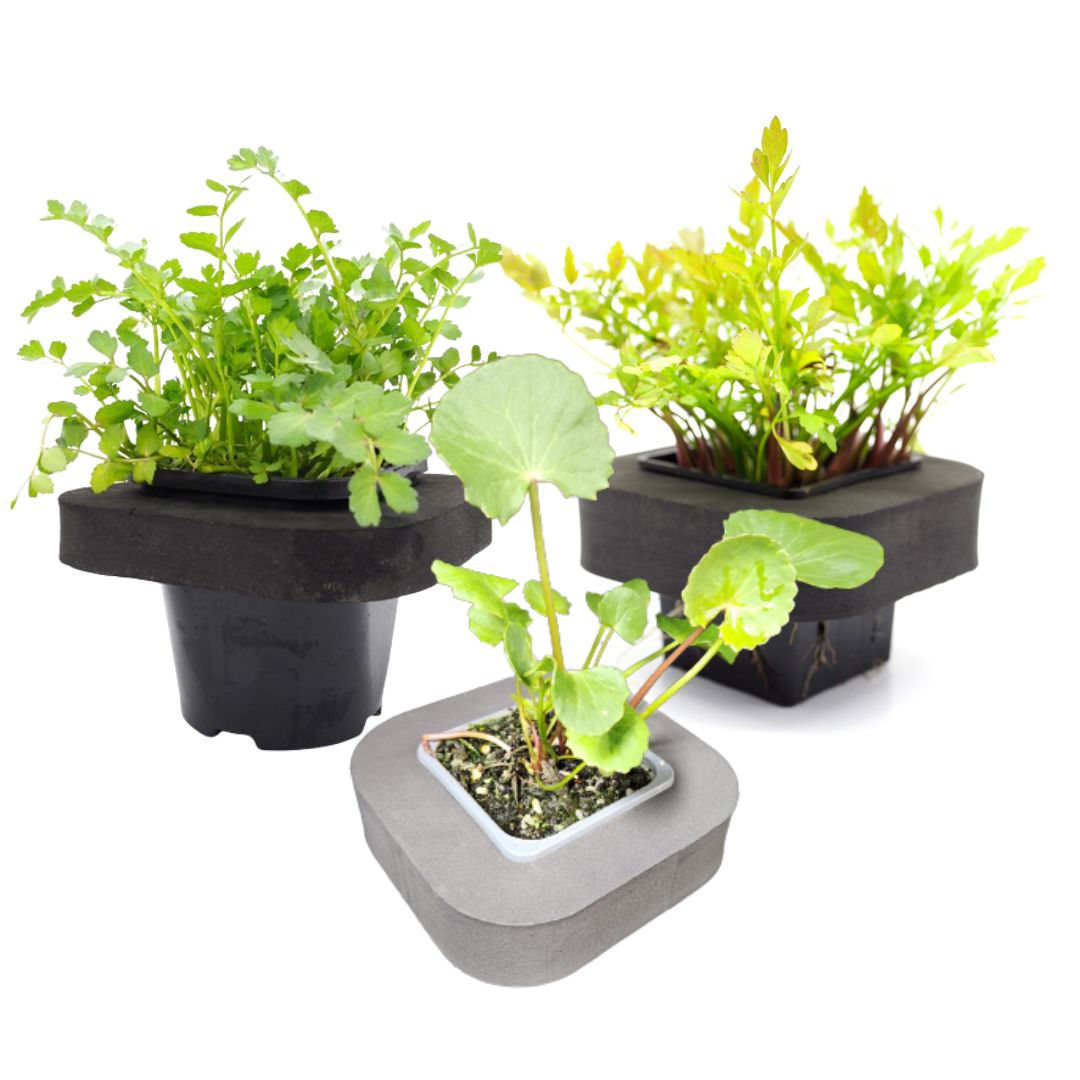
When you are unsure where to start or if you are new to the exciting world of pond plants, we have created a range of starter packs to help.
Growing edible herbs in garden ponds or even small water containers is the easiest way to grow fresh herbs and produce. This pack of 3 edible pond plants has been selected so that you can have fresh herbs to garnish meals with as well as a pond plant with a strong tradition in traditional medicine.
This starter pack of 3 pond plants includes:
- 1 x Gotu Kola (Centella asiatica) 7cm pot
- 1 x Lebanese Cress (Aethionema Cordifolium) 7cm pot
- 1 x Water parsley (Oenanthe sarmentosa) 7cm pot
To learn more about the benefits of growing and eating edible pond plants, read our article: Creating an Edible Water Garden: Tips and Tricks
Perennial | Edible | Mauve Flowers | Shallow Water Plant
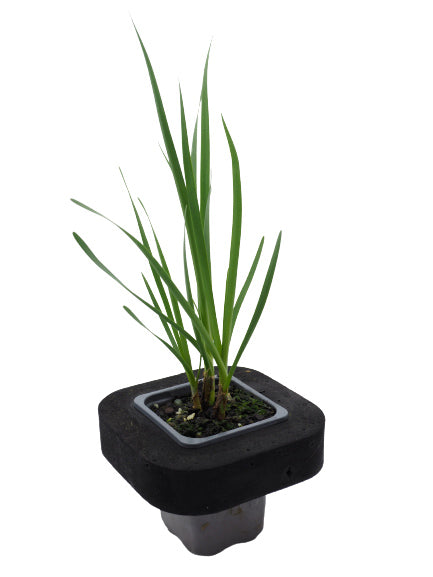
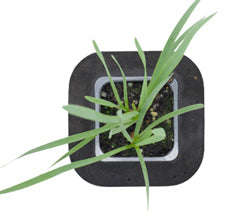
Water Garlic (Tulbaghia violacea) is a distinctive South African native that has become a popular addition to the world of pond plants. With its attractive light green to grey, strappy foliage and delicate mauve flowers, it brings a unique combination of ornamental appeal and edible qualities to the water garden.
Growing to approximately 30cm tall, Water Garlic is ideally suited to shallow water, where the water level reaches around the base of the plant without covering the crown.
It can also be grown in the floating pond plant ring included with our pond plants, making it an easy way to introduce this unusual edible plant to your pond.
Why Grow Water Garlic in Your Pond?
Water Garlic is a great choice when you want to add something a little different to your pond planting.
Its upright, strappy foliage provides a contrasting texture to broad-leaved and spreading pond plants, while its small mauve flowers add a subtle splash of colour.
Being edible makes Water Garlic particularly interesting for gardeners who enjoy combining ornamental and edible plants in the same garden.
Its compact size also makes it suitable for smaller ponds, water bowls and shallow pond margins.
Water Garlic Pond Plant Features
• Botanical name: Tulbaghia violacea
• Common name: Water Garlic
• Plant type: Perennial
• Origin: South Africa
• Position: Full sun
• Flowers: Small mauve flowers
• Flowering period: Summer
• Height: Approximately 30cm
• Water depth: Approximately 1cm
• Foliage: Light green to grey, strappy foliage
• Oxygenator: No
• Edible: Yes
• Growing method: Shallow water or floating pond plant ring
• Propagation: Division
• Best suited to: Shallow pond margins, water bowls and floating pond plant rings
Growing Water Garlic
Water Garlic is a relatively easy-care perennial when grown in the right conditions.
It prefers full sun and shallow water, with the water level kept around the base of the plant rather than covering the crown.
This makes it particularly useful for shallow pond margins and water gardens where the plant can sit with its roots and lower growing area consistently moist.
The floating pond plant ring is another excellent way to grow Water Garlic. It allows the plant to sit at the surface of the pond while keeping its foliage above the water.
Position
Water Garlic performs best in full sun.
Plenty of sunlight encourages healthy foliage growth and helps promote flowering during the warmer months.
When planting directly into your pond, choose a shallow position where the water reaches approximately 1cm around the plant without covering the crown.
Water Garlic Flowers
Water Garlic produces attractive small mauve to purple flowers above its strappy foliage.
The delicate flowers provide a lovely contrast to the light green to grey leaves and add colour to the pond during the warmer growing season.
The flowers can also be used as an edible garnish or infused into vinegar or oils to add a subtle garlic flavour.
An Edible Pond Plant
One of the most interesting features of Water Garlic is that it is edible.
The leaves can be chopped and used in:
• Salads
• Soups
• Other dishes where a mild garlic flavour is desired
The flowers can also be used in the kitchen. Try them:
• As an edible garnish
• Added to salads
• Infused into vinegar
• Infused into oils to create a subtle garlic flavour
Important: If you intend to eat any part of the plant, make sure it has been grown specifically for edible use and has not been treated with aquatic chemicals, pesticides or fertilisers unsuitable for edible plants.
Propagating Water Garlic
Water Garlic can be easily propagated through division.
Established clumps can be divided annually to encourage vigorous growth and maintain healthy plants.
Division is best carried out when the plant is actively growing. Separate the established clump into smaller sections, ensuring each division has healthy roots and growing points before replanting.
Regular division can also help encourage strong flowering through the summer months.
Is Water Garlic an Oxygenating Plant?
Water Garlic is not an oxygenating pond plant.
Although it grows in association with water, it should not be relied upon to provide underwater oxygenation.
For a healthy and balanced pond ecosystem, combine Water Garlic with dedicated oxygenating plants, along with flowering, marginal and habitat plants.
Planting Water Garlic in Your Water Garden
Water Garlic is ideal for:
• Shallow pond margins
• Very shallow water
• Water bowls
• Floating pond plant rings
• Full-sun water gardens
• Edible water gardens
• Adding height and texture to pond planting
When planting directly into the pond, position the plant so that the water reaches approximately 1cm around the base without covering the crown.
Alternatively, use the floating pond plant ring to allow Water Garlic to grow naturally at the water's surface.
Its strappy foliage looks particularly effective when combined with softer, spreading pond plants and broader-leaved aquatic plants.
Feeding Water Garlic
For healthy growth and flowering, Water Garlic benefits from nutrients during its active growing period.
A suitable slow-release aquatic fertiliser tablet can be added to the growing medium according to the manufacturer's instructions.
If you plan to harvest the leaves or flowers for eating, only use fertilisers that are suitable for plants intended for consumption and always follow the recommended application rate.
Add an Edible Twist to Your Pond
Water Garlic is a wonderful choice for gardeners looking for an unusual pond plant that combines attractive foliage, delicate mauve flowers and edible qualities.
Its compact 30cm growth habit and preference for shallow water make it easy to incorporate into smaller ponds, water bowls and pond margins, while the included floating pond plant ring provides another simple growing option.
Add Water Garlic to your pond for attractive strappy foliage, delicate mauve flowers and an edible garlic flavour you can enjoy in the kitchen.
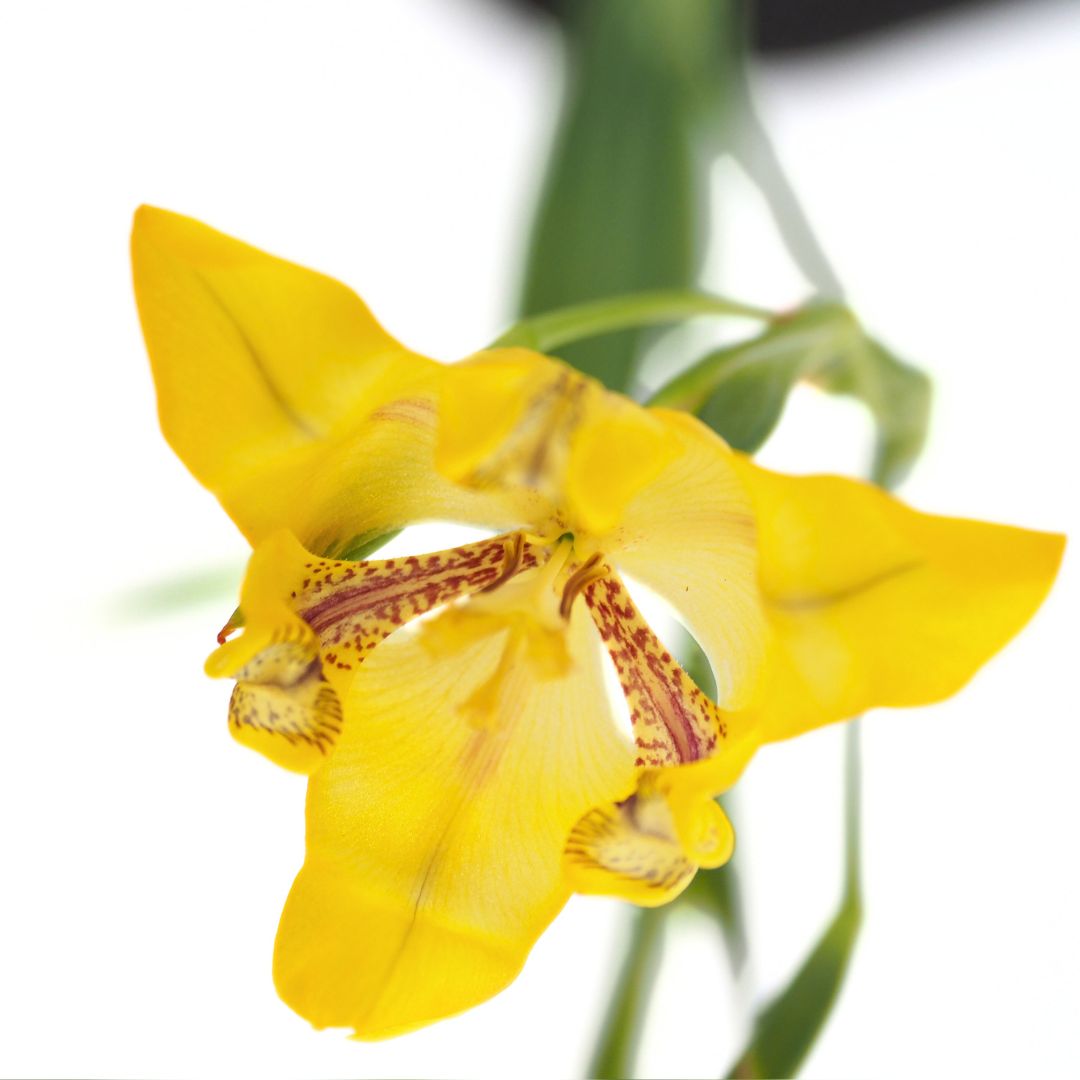
Perennial | Yellow Flowers | Pond Margin Plant | South American Native
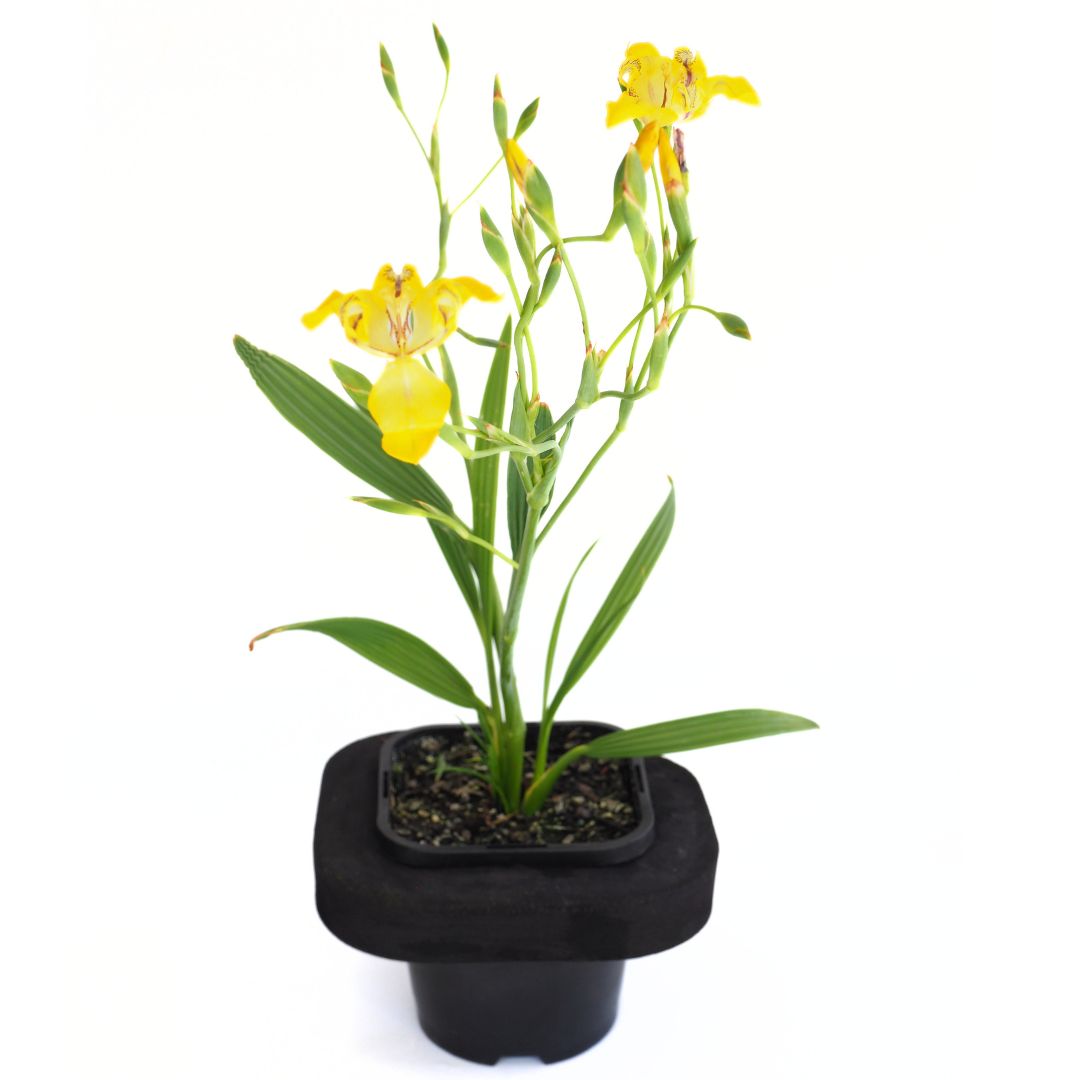
Water Orchid (Cypella aquatilis) is a rare and beautiful pond plant that brings an exotic touch to the water garden. Also sometimes known as Water Tulip, this petite member of the iris family produces delicate strap-like foliage and stunning yellow, orchid-like flowers during spring and summer.
Growing from a small bulb, Water Orchid is a slow-growing plant that stays relatively compact, making it an excellent choice for smaller ponds, water bowls and pond margins. Its fine green foliage rises above the water, while its striking flowers provide a beautiful seasonal display.
For the best flowering, position Water Orchid where it receives plenty of sunshine. It will tolerate part shade, but a sunny position will generally encourage more flowers.
Why Grow Water Orchid in Your Pond?
Water Orchid is a great choice if you're looking for something a little different for your pond.
Its stunning yellow flowers stand out beautifully against the surrounding greenery, while its fine, upright foliage adds texture without overwhelming the pond.
Water Orchid looks particularly impressive when planted en masse along the pond margin, creating a natural swathe of foliage and bright yellow flowers.
It also provides valuable shelter and cover for frogs, making it a beautiful plant that contributes to the habitat around your water garden.
Water Orchid Pond Plant Features
- Botanical name: Cypella aquatilis
- Common name: Water Orchid
- Also known as: Water Tulip
- Plant type: Perennial
- Origin: South America
- Position: Part shade to full sun
- Flowers: Stunning yellow orchid-like flowers
- Flowering period: Spring and summer
- Height: Approximately 15cm
- Width: Approximately 30cm
- Water depth: Up to 5cm
- Best suited to: Pond margins, shallow water and boggy areas
- Foliage: Thin, strap-like foliage growing above the water line
- Growth habit: Slow growing from a small bulb
- Cover: Provides shelter and cover for frogs
Growing Water Orchid
Water Orchid is best planted around the margins of your pond, where it can enjoy consistently moist conditions without being completely submerged.
It can tolerate shallow water to approximately 5cm deep, but prefers pond margins and boggy areas where its foliage can grow above the water line.
The plant develops from a small bulb and grows slowly, making it a good choice for adding long-term structure and interest to the pond without becoming overly vigorous.
When planting, give Water Orchid enough room to spread to approximately 30cm wide. Planting several together can create a particularly impressive display once they establish.
Position
Water Orchid will grow in part shade to full sun.
Although it is tolerant of semi-shaded positions, choose a sunny location if flowers are your priority. Good sunlight will help encourage the best flowering during spring and summer.
Its slender foliage also makes it a useful plant for adding vertical interest around the pond without creating too much shade over the water.
Water Orchid Flowers
The highlight of this unusual pond plant is undoubtedly its yellow, orchid-like flowers.
Flowers appear during spring and summer, providing a beautiful splash of colour around the pond margin. The delicate flowers are particularly effective when combined with lush green foliage and other flowering pond plants.
For the biggest visual impact, try planting Water Orchid in groups or drifts along the pond edge.
Water Orchid for Frog Habitat
A well-planted pond provides much more than just visual appeal.
Water Orchid's foliage creates shelter and cover for frogs, helping to make the pond margin a more welcoming habitat.
Combine it with other marginal and bog plants at different heights to create layers of vegetation around your pond. This provides a more natural environment while also giving your pond plenty of form and structure.
Feeding Water Orchid
For healthy growth and flowering, feed Water Orchid monthly from spring with a suitable aquatic fertiliser.
We recommend Pond Plantz Time Release Fertilizer Tablets. Insert the tablet approximately 5–10cm beneath the surface of the soil, following the manufacturer's instructions for application.
Regular feeding during the growing season can help support strong foliage and flowering.
Planting Water Orchid in Your Water Garden
Water Orchid is particularly well suited to:
- Pond margins
- Boggy garden areas
- Shallow water
- Water bowls
- Small ponds
- Natural-style ponds
- Mass plantings along pond edges
Its compact size makes it an excellent option when you want to add colour and interest without a large plant taking over the pond.
Add Water Orchid to your pond for delicate foliage, stunning yellow flowers and valuable frog habitat.
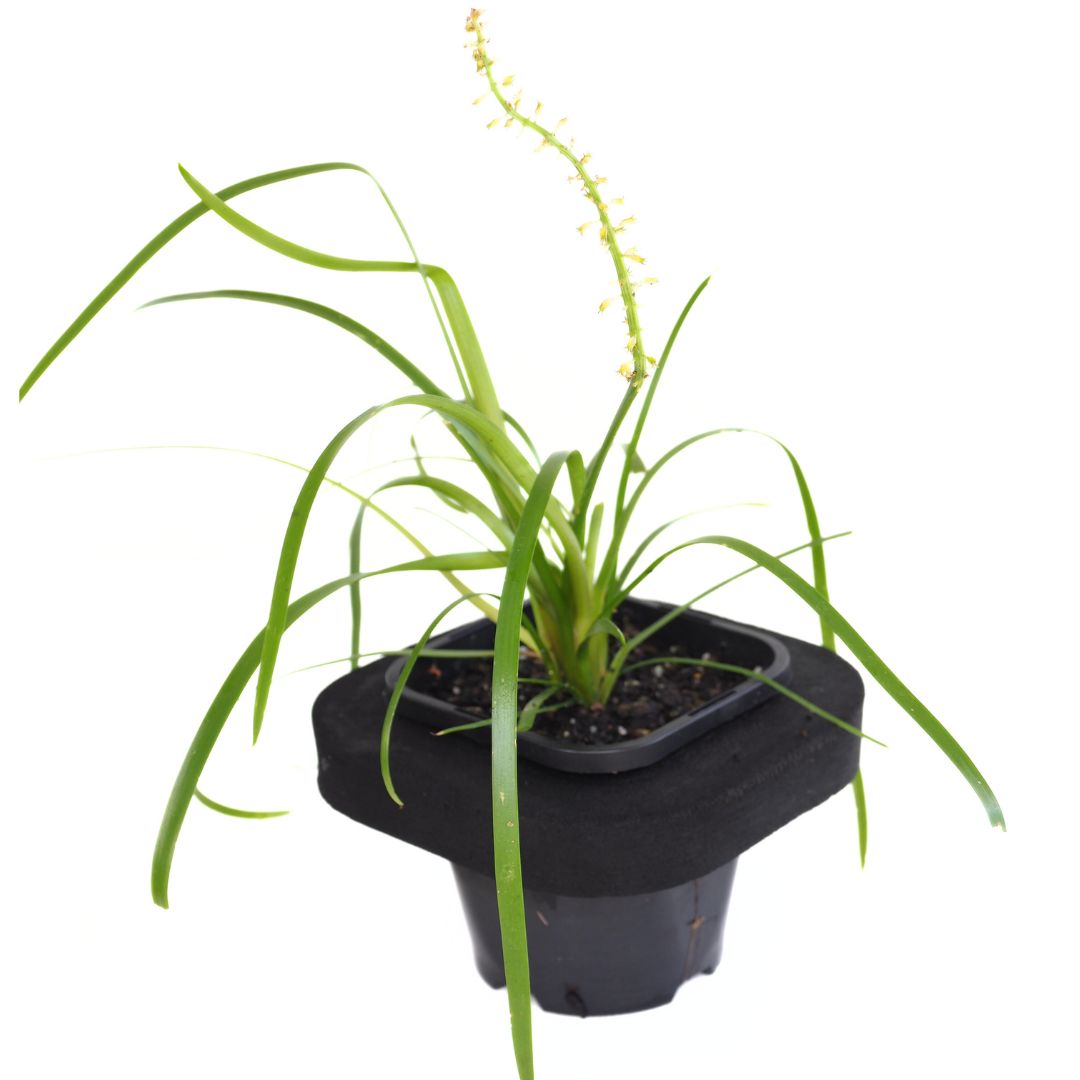

Australian Native | Perennial | Edible Bush Food | Frog Habitat | Shallow Water Plant
Bring a beautiful Australian native to your water garden with Water Ribbon, also known as Arrow Grass. With its long, strappy leaves and spreading growth habit, this hardy aquatic plant is an excellent choice for shallow pond margins, boggy areas and mass planting.
Water Ribbon provides valuable habitat and shelter for native frogs while its flowers can help attract beneficial insects to your pond. It is also an edible Australian bush food, with the tubers, lower parts of the stems and fruit traditionally used as food.
Whether you're creating a wildlife-friendly frog pond, establishing a natural-looking pond margin or looking for an Australian native to plant en masse, Water Ribbon is a versatile addition to the water garden.
Why Grow Water Ribbon in Your Pond?
Water Ribbon combines attractive foliage with valuable habitat benefits, making it an excellent choice for a natural Australian water garden.
• Australian native aquatic plant
• Provides shelter and cover for frogs
• Attracts beneficial insects to the pond
• Long, strappy foliage creates a natural spreading effect
• Excellent for mass planting
• Suited to boggy areas and shallow pond margins
• Can grow submerged to approximately 20cm
• Produces tall flower spikes with small creamy white flowers
• Edible Australian bush food
Water Ribbon Pond Plant Features
• Botanical name: Triglochin procera
• Common name: Water Ribbon
• Also known as: Arrow Grass
• Plant type: Aquatic perennial
• Origin: Australia
• Position: Part shade to full sun
• Flowers: Tall spikes with small creamy white flowers
• Water depth: Up to 20cm
• Height: Approximately 30–60cm
• Foliage: Long, strappy leaves with a spreading habit
• Cover: Excellent shelter and cover for frogs
• Edible: Yes
• Best suited to: Shallow pond margins, boggy areas and mass planting
Growing Water Ribbon
Water Ribbon is a hardy Australian native that naturally suits wet environments. It can be planted into shallow water or into consistently moist, boggy soil around the pond.
It can tolerate being submerged to approximately 20cm, making it suitable for a range of shallow pond locations.
Allow enough room for the plant to develop its spreading habit. Water Ribbon is particularly effective when planted in groups, where the long foliage creates a lush, natural appearance around the water's edge.
Position
Water Ribbon grows well in part shade to full sun.
A sunny position will encourage strong growth and flowering, while part shade is also suitable. Its adaptability makes it useful for ponds with varying levels of sunlight throughout the day.
Water Ribbon Foliage
One of the most attractive features of Water Ribbon is its long, strappy foliage.
The leaves have a spreading habit and can reach approximately 30–60cm in height, creating movement and texture around the pond margin.
Plant several together to create a natural mass of foliage, or combine Water Ribbon with other Australian native grasses, rushes and marginal plants for a layered wildlife habitat.
Water Ribbon Flowers
Water Ribbon produces tall flower spikes carrying small creamy white flowers.
The delicate flowers add another layer of interest above the foliage and can attract beneficial insects to the pond environment.
For the best flowering performance, position the plant where it receives plenty of sunlight.
A Great Plant for Frog Habitat
Water Ribbon is an excellent choice for a frog-friendly pond.
Its spreading foliage provides shelter and cover around the water's edge, giving frogs places to hide and move through the vegetation.
Creating a mixture of plants with different heights, textures and growth habits is a great way to provide a more diverse habitat. Combine Water Ribbon with native rushes, grasses, groundcovers and other marginal plants to create a natural transition from water to garden.
An Australian Native Bush Food
Water Ribbon is also an edible Australian native plant.
The tubers, lower parts of the stem and fruit have been used as bush foods. If growing Water Ribbon specifically as an edible plant, ensure you are confident in the correct identification and appropriate preparation before consuming any part of the plant.
Mass Planting in Boggy Areas
Water Ribbon is particularly effective when planted en masse.
Its spreading foliage can create a lush, natural effect across larger pond margins, bog gardens and other consistently wet areas. Mass planting also increases the amount of habitat available to frogs and other small wildlife.
For a natural Australian water garden, combine Water Ribbon with a selection of native rushes, sedges and flowering marginal plants.
Planting Water Ribbon in Your Water Garden
Choose a position in shallow water or a permanently moist area around the pond.
• Plant in shallow water up to approximately 20cm deep
• Alternatively, plant into boggy, consistently moist soil
• Position in part shade to full sun
• Allow room for the foliage to spread
• Mass plant for the best natural effect
• Combine with other native pond plants to increase habitat diversity
Feeding Water Ribbon
For vigorous growth, feed during the active growing season with a suitable slow-release aquatic plant fertiliser.
Insert the fertiliser into the planting medium according to the manufacturer's instructions, avoiding direct contact with the plant's crown.
Create a Native Wildlife Pond
Water Ribbon is a fantastic choice if you're looking to create a more natural, wildlife-friendly Australian pond.
Its combination of native habitat, spreading foliage, delicate flowers and edible bush-food qualities makes it much more than just an attractive marginal plant.
Plant Water Ribbon around your pond margin or through a boggy area and create a lush habitat that provides shelter for frogs while adding authentic Australian character to your water garden.


Perennial | Australian Native | Edible | Pond Margin Plant
Water Celery (Berela erecta) is a versatile Australian native pond plant that is perfect for combining your water garden with an edible garden. With celery-flavoured stems, delicate foliage and small creamy white flowers, it makes a useful and attractive addition to ponds, water bowls and shallow water areas.
Growing naturally in moist and wet environments, Water Celery is a perennial plant that can be grown in full sun through to part shade. Its foliage grows above the water line, while the plant can tolerate shallow water between approximately 2–5cm deep.
If you love the idea of growing plants that are both beautiful and useful, Water Celery is a great choice. The edible stems have a fresh celery flavour and can be enjoyed as a tasty addition to summer salads.
Why Grow Water Celery in Your Pond?
Water Celery is a fantastic option for an edible water garden, allowing you to make use of the moist conditions around your pond to grow something you can enjoy in the kitchen.
Its celery-flavoured stems provide a fresh, crisp addition to salads, while its small creamy white flowers add a subtle touch of colour around the pond margin.
Unlike oxygenating pond plants, Water Celery is grown primarily for its edible foliage, attractive growth and ability to thrive in shallow water and moist conditions.
Water Celery Pond Plant Features
• Botanical name: Berela erecta
• Common name: Water Celery
• Plant type: Perennial
• Origin: Australia
• Position: Full sun to part shade
• Flowers: Small creamy white flowers
• Water depth: Approximately 2–5cm
• Foliage: Grows above the water line
• Height: Up to approximately 40cm
• Width: Up to approximately 20cm
• Edible: Yes
• Oxygenator: No
• Cover: No
• Best suited to: Pond margins, shallow water and edible water gardens
Growing Water Celery
Water Celery is an easy way to introduce an edible plant into your pond environment. It prefers consistently moist conditions and can tolerate shallow water, making it particularly well suited to the edges of ponds and water bowls.
Plant it where the roots can remain moist while the foliage grows above the surface. It can tolerate water depths of approximately 2–5cm.
Water Celery grows to around 40cm high and approximately 20cm wide, making it useful for adding some height and structure to the pond margin without taking up a large amount of space.
Position
Water Celery grows well in full sun to part shade.
A sunny position will provide good growing conditions, while part shade can also be suitable, particularly in warmer locations.
Its foliage grows above the water, making it an attractive option for creating a transition between the pond and surrounding garden.
An Edible Pond Plant
One of the great features of Water Celery is that it is edible.
The stems have a delicious celery flavour and can be used as a fresh addition to summer salads and other dishes.
Water Celery is also naturally rich in nutrients including vitamins A, C and K and folate, making it an interesting addition to an edible water garden.
As with any edible plant, only consume plants that have been grown in suitable conditions and have not been treated with products unsuitable for edible plants.
Water Celery Flowers
Water Celery produces small creamy white flowers that add a delicate touch to the pond margin.
The flowers contrast nicely with the green foliage and can help create a softer, more natural appearance around the edge of your pond.
For an edible pond garden with plenty of variety, combine Water Celery with other edible and flowering pond plants.
Is Water Celery an Oxygenating Plant?
No. Water Celery is not an oxygenating pond plant.
If you're creating a balanced pond planting scheme, combine Water Celery with dedicated oxygenating plants, as well as marginal and flowering plants.
A simple way to plan your pond planting is to follow the 3-2-1 rule: 3 oxygenating plants, 2 marginal plants and 1 flowering plant per square metre.
Planting Water Celery in Your Water Garden
Water Celery is ideal for:
• Pond margins
• Shallow water
• Water bowls
• Boggy areas
• Edible water gardens
• Natural-style ponds
• Small ponds and container water gardens
Its combination of edible stems, attractive foliage and delicate flowers makes it a particularly useful plant for anyone wanting to create a water garden that is both beautiful and productive.
Feeding Water Celery
For healthy growth, Water Celery benefits from a nutrient-rich growing environment.
A suitable slow-release aquatic fertiliser tablet can be added during the growing season. Always follow the manufacturer's instructions for application rate and frequency.
Add Water Celery to your pond for fresh celery-flavoured stems, delicate white flowers and a productive edible water garden.
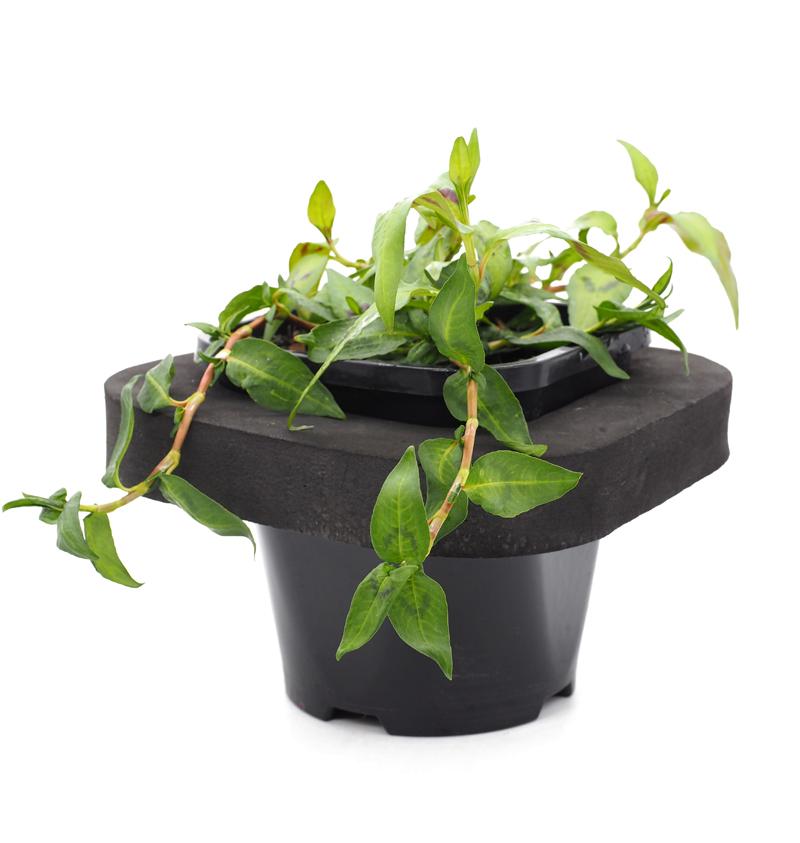
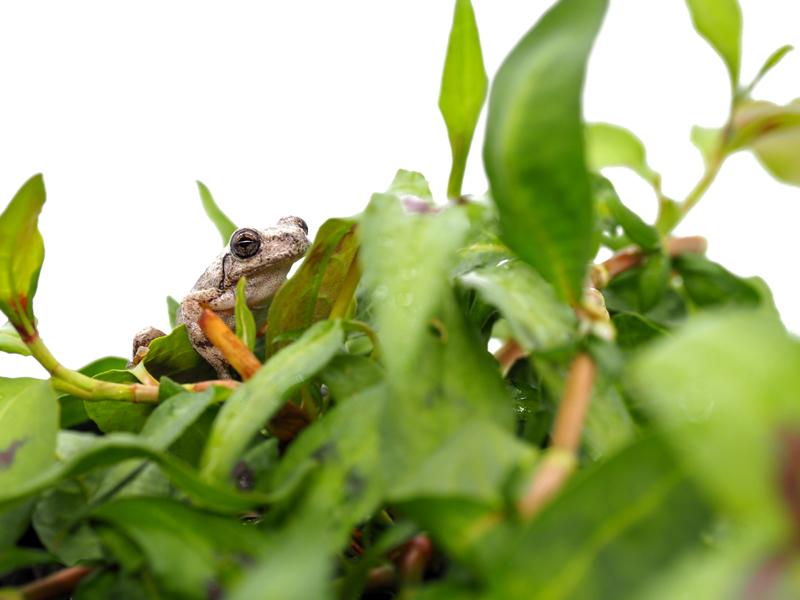
Vietnamese Water Mint is a popular edible water plant with aromatic foliage and a distinctive mildly spicy flavour, making it a fantastic addition to an edible water garden. It is particularly popular in Asian cooking, where the fresh leaves can be used to add flavour and freshness to a wide range of dishes.
As well as being useful in the kitchen, Vietnamese Water Mint is a vigorous, spreading pond plant. It can be grown in shallow water up to approximately 5cm deep and, when planted in a floating pond ring, can spread across the surface to create attractive green cover.
It tolerates part shade through to full sun, making it a versatile choice for ponds, water bowls and edible water gardens.
Why you'll love Vietnamese Water Mint
- Edible water plant
- Distinctive mildly spicy, aromatic flavour
- Popular in Asian cooking
- Vigorous, spreading growth
- Excellent surface cover when grown in a floating pond ring
- Suitable for part shade to full sun
- Can tolerate shallow water up to approximately 5cm deep
- Grows to approximately 30cm high
- Great addition to an edible water garden
- Can be grown in ponds, water bowls and containers
Where to grow Vietnamese Water Mint
Vietnamese Water Mint is adaptable and can grow in part shade through to full sun.
It can be planted in shallow water up to approximately 5cm deep, or grown in a floating pond ring where its vigorous growth can spread across the surface.
Because Vietnamese Water Mint can grow quickly and spread readily, we recommend keeping it contained in a pot or pond plant basket. This makes it much easier to control its growth and prevents it from spreading into areas where you don't want it.
Vietnamese Water Mint as a floating pond plant
When grown in a floating pond ring, Vietnamese Water Mint can develop into a lush, spreading cover plant.
Its foliage grows above the water level and creates a natural green layer across the surface. This makes it particularly useful when you want to add plenty of greenery to a pond without planting directly into the pond floor.
Regular trimming can help maintain the size and shape you want.
An edible water plant
Vietnamese Water Mint is part of our edible pond plant range. The fresh leaves have a distinctive mildly spicy flavour and are commonly used in Vietnamese and other Southeast Asian cuisine.
Use the fresh leaves as a garnish, in salads, rice-paper rolls, noodle dishes and other Asian-inspired meals.
Only consume plants that have been grown specifically under suitable conditions for eating, particularly if they have been grown in or around a pond containing treatments or other chemicals.
Vietnamese Water Mint Plant Information
Plant type: Perennial edible water plant
Common name: Vietnamese Water Mint
Botanical name: Polygonium odoratum
Origin: South East Asia
Position: Part shade to full sun
Flowers: No
Water depth: Up to approximately 5cm
Height: Up to approximately 30cm
Foliage: Grows above the water level
Oxygenating: No
Edible: Yes
Growth habit: Vigorous and spreading
Best for: Edible water gardens, floating rings, shallow water, water bowls and surface cover
Keep Vietnamese Water Mint contained
Vietnamese Water Mint is a vigorous grower, so we recommend growing it in a pot or pond plant basket.
Containing the plant makes it easier to manage its spreading growth while still allowing you to enjoy its attractive foliage and harvest fresh leaves for the kitchen.
Learn more about edible and traditional water plants
Vietnamese Water Mint is one of the interesting edible plants that can be incorporated into a water garden.
Learn more in our guide to Pond Plants Used in Traditional Medicine and as Herbal Remedies to Grow in Your Water Garden.
Looking for more edible pond plants? Explore our range of Pond Plants Online and discover edible, native, flowering, floating and marginal plants for your water garden.
Edible | Variegated Foliage | Mauve Flowers | Shallow Water Plant
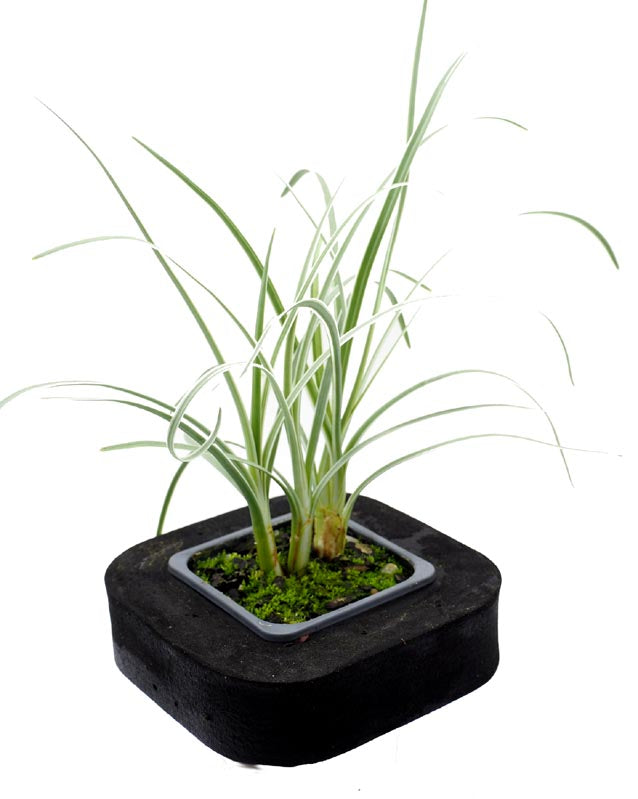
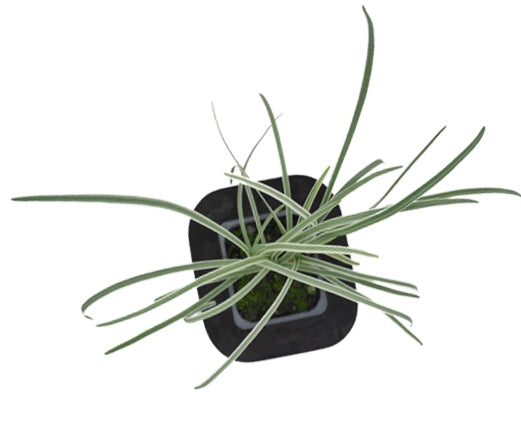
Variegated Water Garlic is a relatively new addition to the world of pond plants, bringing a unique combination of striking variegated foliage, delicate mauve flowers and edible leaves to the water garden.
Native to South Africa, this attractive perennial grows to approximately 30cm tall and is particularly eye-catching when planted where its foliage can be appreciated up close. From a distance, the green and white variegation can give the plant an almost silvery-white appearance.
Variegated Water Garlic enjoys a full sun position and is best grown in very shallow water, with the water level kept around the base of the plant rather than covering the crown.
It can also be grown in the floating pond plant ring included with our pond plants, making it an easy and attractive way to add this unusual plant to your water garden.
Why Grow Variegated Water Garlic in Your Pond?
If you're looking for something a little different, Variegated Water Garlic is a fantastic choice.
Its unusual foliage adds colour and texture to pond planting, while its small mauve flowers provide a delicate splash of colour during the warmer months.
Unlike many ornamental pond plants, it also has an edible component, allowing you to enjoy both its decorative qualities and its culinary uses.
Variegated Water Garlic is particularly effective when planted alongside green foliage plants, where its pale variegation creates an attractive contrast.
Variegated Water Garlic Pond Plant Features
• Plant type: Perennial
• Common name: Variegated Water Garlic
• Origin: South Africa
• Position: Full sun
• Flowers: Small mauve flowers
• Flowering: Summer
• Height: Approximately 30cm
• Water depth: Approximately 1cm
• Foliage: Green and white variegated foliage
• Oxygenator: No
• Edible: Yes
• Growing method: Shallow water or floating pond plant ring
• Propagation: Division
• Best suited to: Pond margins, shallow water and floating pond plant rings
Growing Variegated Water Garlic
Variegated Water Garlic is a relatively easy-care perennial when given the right growing conditions.
It prefers full sun and very shallow water, with the water level kept around the base of the plant. Avoid completely submerging the crown, as the plant performs best when its growing point remains above the water.
The included floating pond plant ring provides another excellent way to grow Variegated Water Garlic. The ring keeps the plant at the water's surface while allowing the roots to remain moist and the foliage to grow above the water.
Position
For the best results, position Variegated Water Garlic in full sun.
Good sunlight will encourage strong foliage growth and help promote flowering during the warmer months.
When grown in a pond, choose a shallow position where the water reaches approximately 1cm around the plant but does not cover the crown.
Variegated Foliage
The standout feature of this unusual pond plant is its green and white variegated foliage.
The leaves have such strong variegation that the plant can appear almost white when viewed from a distance, creating a striking contrast against the deeper greens of other pond plants.
Use it to brighten a pond margin or add contrast to a collection of darker-leaved aquatic plants.
Its upright growth also provides a different texture to spreading and floating pond plants.
Small Mauve Flowers
Variegated Water Garlic produces small mauve flowers, adding a subtle splash of colour to its distinctive foliage.
The flowers are particularly attractive when viewed amongst the variegated leaves and can provide additional interest through the warmer growing season.
The flowers can also be used as an edible garnish or infused into vinegar or oils to provide a delicate hint of garlic flavour.
An Edible Pond Plant
Variegated Water Garlic is an edible pond plant, offering several interesting culinary uses.
The leaves can be chopped and used in:
• Salads
• Soups
• Other dishes where a mild garlic flavour is desired
The flowers can also be used in the kitchen. Try them:
• As an edible garnish
• Added to salads
• Infused into vinegar
• Infused into oils to provide a subtle garlic flavour
Important: If you intend to eat any part of the plant, ensure it has been grown specifically for edible use and has not been treated with aquatic chemicals, pesticides or fertilisers unsuitable for edible plants.
Propagating Variegated Water Garlic
Variegated Water Garlic can be propagated through division.
Established clumps can be divided approximately once a year. Regular division can help maintain vigorous growth and encourage healthy flowering during the summer months.
When dividing, separate the established clump into smaller sections, ensuring each division has healthy roots and growing points before replanting.
Is Variegated Water Garlic an Oxygenating Plant?
Variegated Water Garlic is not an oxygenating pond plant.
Although it grows in and around water and contributes to the overall planted appearance of your pond, it should not be relied upon to provide underwater oxygenation.
For a balanced pond ecosystem, combine Variegated Water Garlic with dedicated oxygenating plants, as well as flowering, marginal and habitat plants.
Planting Variegated Water Garlic in Your Water Garden
Variegated Water Garlic is ideal for:
• Shallow pond margins
• Very shallow water
• Floating pond plant rings
• Water bowls
• Full-sun water gardens
• Adding colour and contrast to pond planting
• Edible water gardens
When planting directly into the pond, position it so that the water reaches approximately 1cm around the plant without covering the crown.
Alternatively, use the included floating pond plant ring to allow the plant to grow at the water's surface.
For a more diverse water garden, combine it with taller marginal plants, spreading plants and flowering pond plants to create different levels of height and texture.
Feeding Variegated Water Garlic
For healthy growth and flowering, Variegated Water Garlic benefits from nutrients during its active growing period.
A suitable slow-release aquatic fertiliser tablet can be added to the growing medium according to the manufacturer's instructions.
As this is an edible plant, only use fertilisers that are appropriate for plants intended for consumption if you plan to harvest the leaves or flowers.
Add Something Different to Your Pond
With its unusual variegated foliage, delicate mauve flowers and edible leaves, Variegated Water Garlic is a wonderful choice for gardeners who want to add something different and distinctive to their water garden.
Its compact size makes it suitable for smaller ponds and water bowls, while its ability to grow in a floating pond plant ring makes it particularly easy to incorporate into your pond.
Add Variegated Water Garlic to your water garden for striking foliage, delicate mauve flowers and an edible twist on traditional pond planting.
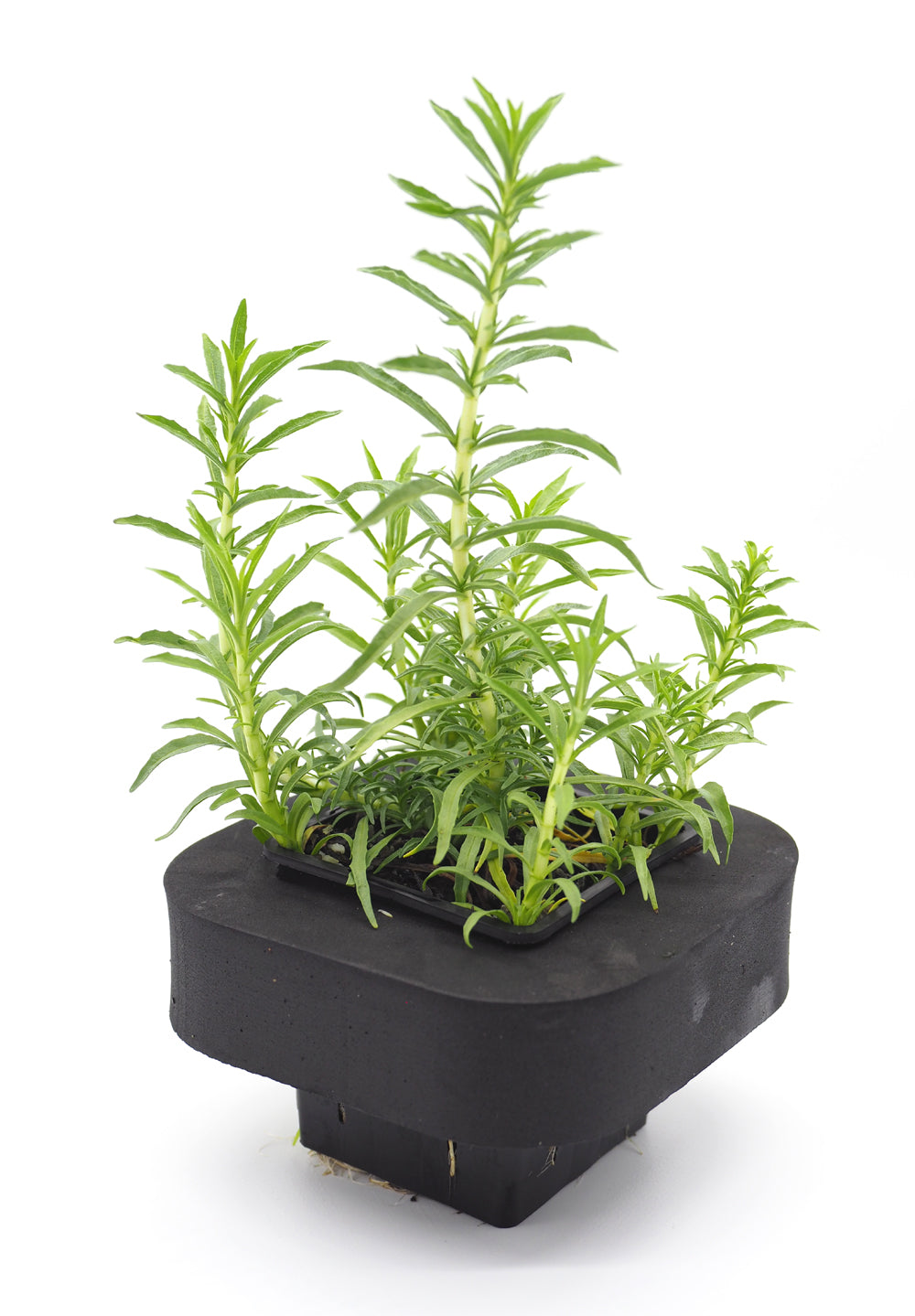
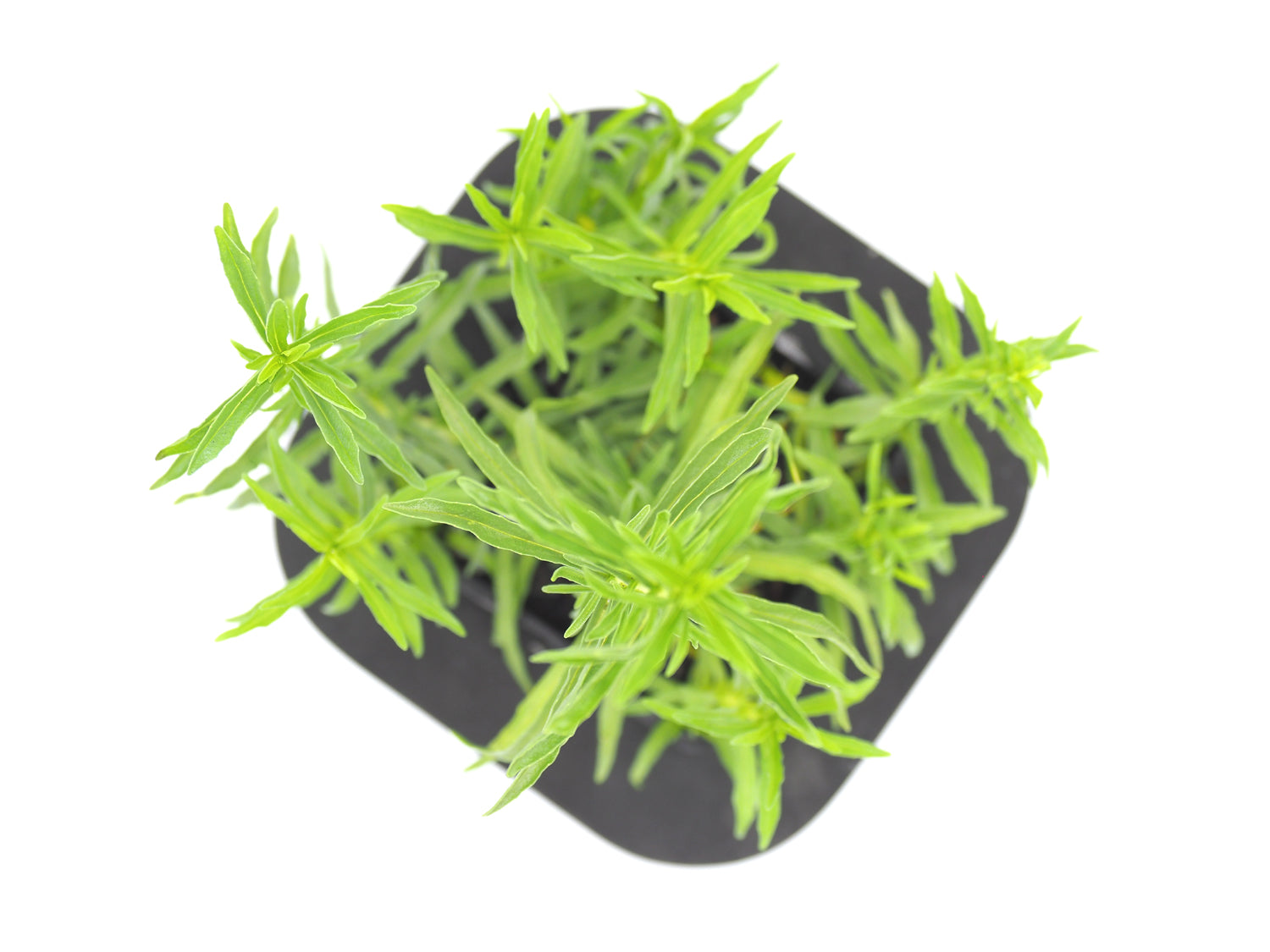
Fine Leaf Water Mint (Mentha cervina) is a delicate and aromatic edible water plant that brings fresh mint fragrance and flavour to your pond or water garden. With its fine, narrow foliage and compact growth habit, it is an excellent choice for smaller ponds, water bowls and floating pond rings.
Native to the Western Mediterranean, Fine Leaf Water Mint prefers part shade and can grow in shallow water up to approximately 5cm deep. It produces small white flowers and grows to around 30cm high and 20cm wide.
As an edible mint, the fresh leaves can be used to add a refreshing summer flavour to drinks and salads, making it a lovely addition to an edible water garden.
Why you'll love Fine Leaf Water Mint
- Edible water plant
- Fresh, aromatic mint flavour
- Fine, narrow green foliage
- Compact growth habit
- Ideal for smaller ponds and water bowls
- Well suited to a floating pond ring
- Suitable for part shade
- Can grow in shallow water up to approximately 5cm deep
- Produces small white flowers
- Great for adding fresh flavour to summer drinks and salads
Where to grow Fine Leaf Water Mint
Fine Leaf Water Mint prefers part shade, making it a useful choice for areas of the pond that don't receive full sun all day.
It can be planted in shallow water up to approximately 5cm deep, or grown in one of our floating pond rings where its foliage can grow above the surface.
With a mature size of approximately 30cm high and 20cm wide, it is a good option when you want an edible pond plant without a large footprint.
Fine Leaf Water Mint in a floating pond ring
Fine Leaf Water Mint is particularly well suited to growing in a floating pond ring.
The ring keeps the plant stable at the appropriate depth while allowing the foliage to grow naturally above the water. It also makes it easier to position the plant where you want it and manage its growth.
An edible water plant
Fine Leaf Water Mint is a useful addition to an edible water garden. The aromatic leaves can be harvested and added to summer drinks, salads and other dishes where a fresh mint flavour is wanted.
Try adding fresh leaves to cold water, sparkling water or homemade iced drinks for a refreshing summer flavour.
Only consume plants that have been grown specifically for eating and have not been exposed to pond treatments or other chemicals that are unsuitable for food crops.
Fine Leaf Water Mint Plant Information
Plant type: Perennial edible water plant
Botanical name: Mentha cervina
Common name: Fine Leaf Water Mint
Origin: Western Mediterranean
Position: Part shade
Flowers: Small white flowers
Water depth: Up to approximately 5cm
Height: Up to approximately 30cm
Width: Up to approximately 20cm
Foliage: Grows above the water
Oxygenating: No
Edible: Yes
Best for: Floating pond rings, water bowls, edible water gardens and shallow water
Grow Fine Leaf Water Mint in your water garden
If you're looking for a compact edible pond plant, Fine Leaf Water Mint is a great choice. Its fine foliage, small white flowers and fresh mint flavour make it both attractive and useful.
Looking for more edible pond plants? Explore our range of Pond Plants Online

Small pond? You don't need to miss out on beautiful red water lilies! Perry's Baby Red is a compact hardy water lily producing striking deep red, cup-shaped flowers.
Its young leaves emerge in attractive purplish-brown tones before maturing to medium green, creating a lovely contrast with the rich red flowers.
This reliable little water lily is an excellent choice for small ponds, tubs and container water gardens.
Please Note: Water Lily Corms Supplied Only
This water lily is supplied as a dormant corm only, not as a potted plant.
Why You'll Love Perry's Baby Red
- Striking deep red flowers with a faint fragrance
- Attractive cup-shaped blooms
- Compact growing variety
- Excellent for small ponds and tubs
- Young leaves have attractive purplish-brown colouring
- Reliable grower
- Hardy perennial
- Perfect for smaller water gardens
Plant Details
Botanical name: Nymphaea 'Perry's Baby Red'
Type: Small hardy water lily
Flower colour: Deep red
Flower type: Cup-shaped
Foliage: Purplish-brown when young, maturing to green
Position: Full sun
Best suited to: Small ponds, tubs and water features
What You'll Receive
Our water lilies are supplied as a dormant water lily corm, ready for planting.
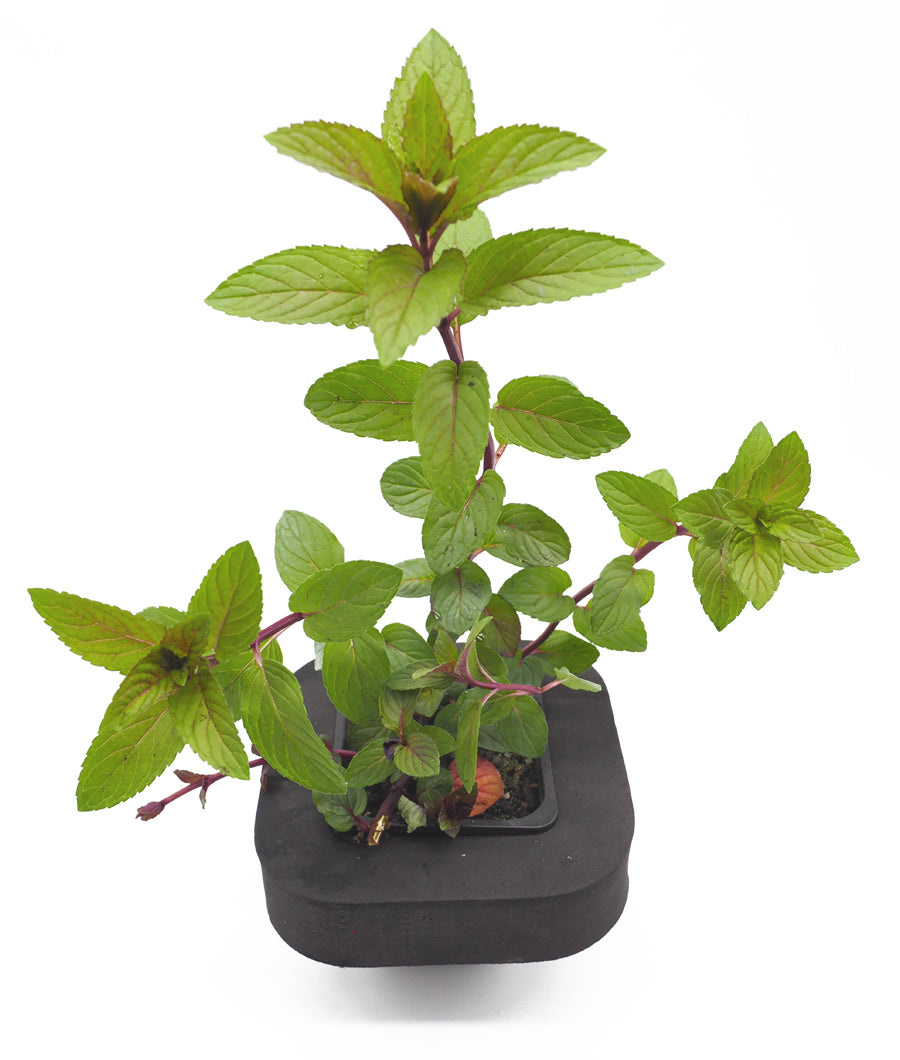
Chocolate Water Mint (Mentha × piperita f. citrata) with floating pond ring
From $15.00
Unit price perChocolate Water Mint (Mentha × piperita f. citrata) with floating pond ring
From $15.00
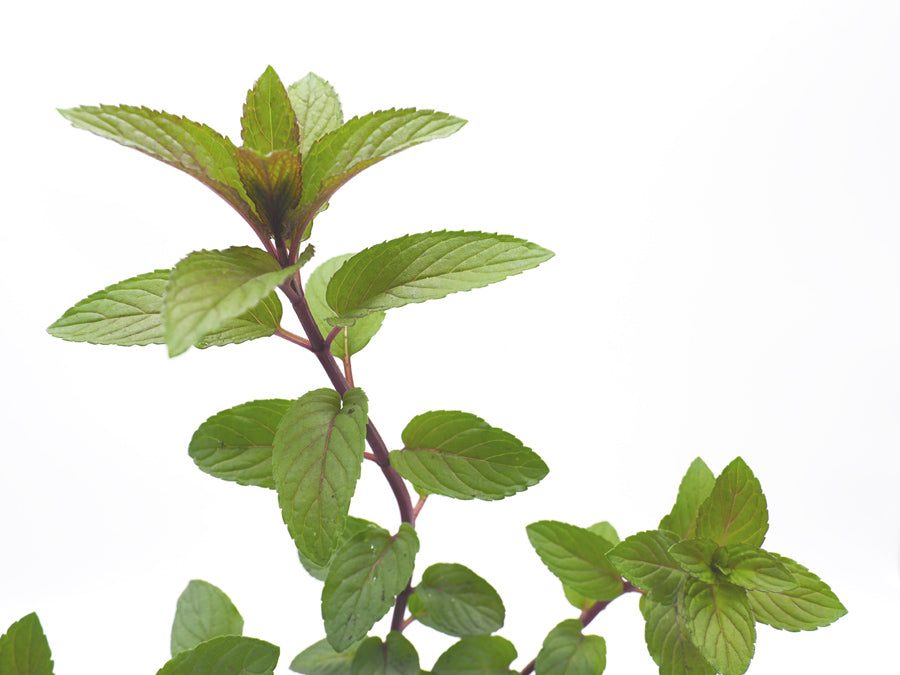
Unit price perChocolate Water Mint is a hardy, perennial edible herb that brings delicious fragrance, attractive foliage and a hint of chocolatey character to the water garden. A cultivar of peppermint with citrus mint heritage, this unusual mint is named for its subtle chocolate aroma and flavour.
Perfect for an edible water garden, Chocolate Water Mint can be grown in shallow water up to approximately 2cm deep and thrives in full sun to part shade. It can also be grown in a pot or pond plant basket, making it easier to control its vigorous mint growth.
Growing to approximately 30–60cm, it provides plenty of lush green foliage around the pond and produces small lavender flowers in mid to late summer.
Why you'll love Chocolate Water Mint
- Unusual chocolate-scented mint
- Hardy perennial herb
- Edible and useful in the kitchen
- Great addition to an edible water garden
- Suitable for full sun to part shade
- Can grow in shallow water up to approximately 2cm deep
- Grows approximately 30–60cm high
- Produces small lavender flowers in mid to late summer
- Excellent for cooking, salads and herbal tea
- Attractive and fragrant pond-edge plant
Where to grow Chocolate Water Mint
Chocolate Water Mint is an adaptable plant that grows well in full sun to part shade.
In your water garden, it can be planted in very shallow water up to approximately 2cm deep, or positioned around the damp margins of the pond.
Because mint can spread vigorously, we recommend growing Chocolate Water Mint in a pot or pond plant basket. This keeps the roots contained and makes it easier to manage the plant as it establishes.
What does Chocolate Water Mint taste like?
Despite its name, Chocolate Water Mint doesn't taste like a chocolate bar! Its flavour is primarily minty, with a subtle chocolate-like aroma and overtones that make it an interesting addition to the herb garden.
The chocolate character can be more noticeable for some people than others, but its unusual fragrance makes this variety well worth growing.
An edible pond plant
Chocolate Water Mint is a versatile herb that can be harvested for use in the kitchen.
Fresh leaves can be added to:
- Salads
- Desserts
- Drinks
- Fruit dishes
- Garnishes
- Homemade herbal teas
The leaves can also be enjoyed as a refreshing mint tea.
Learn more about different mint varieties and the benefits of mint tea in our guide: Mint Tea: Health Benefits & Best Varieties to Grow.
Chocolate Water Mint Plant Information
Plant type: Perennial herb
Botanical name: Mentha × piperita f. citrata ‘Chocolate’
Common name: Chocolate Water Mint
Origin: Europe and the Middle East
Position: Full sun to part shade
Flowers: Small lavender flowers in mid to late summer
Water depth: Up to approximately 2cm
Mature size: Approximately 30–60cm
Edible: Yes
Oxygenating: No
Growth habit: Spreading herbaceous perennial
Best for: Edible water gardens, pond margins, shallow water, water bowls and herb gardens
Grow Chocolate Water Mint in your pond
Chocolate Water Mint is a great way to combine water gardening with edible gardening. Its fragrant foliage brings another sensory element to the pond, while its shallow-water tolerance makes it easy to incorporate into the margins of your water garden.
For the best control, plant it in a pond plant basket or pot rather than allowing it to spread unchecked.
Looking for more edible pond plants? Explore our range of Pond Plants Online and discover edible, native, flowering, floating and marginal plants for your water garden.

Add a touch of elegance to your pond with Clyde Ikins, a spectacular hardy water lily renowned for its large, almost globular creamy-yellow flowers delicately edged with pink.
The impressive blooms are complemented by large green leaves that emerge with attractive brown blotches and splashes. Clyde Ikins is a reliable flowering variety and makes a wonderful feature in a medium or larger pond. A rare variety not often seen in Aussie ponds.
Please Note: Water Lily Corms Supplied Only
This water lily is supplied as a dormant corm only, not as a potted plant.
Why You'll Love Clyde Ikins
- Huge, impressive creamy-yellow to soft pink flowers up to 20cm in size!
- Delicate pink edging adds extra colour
- Large, attractive green foliage
- Young leaves feature brown blotching and splashes
- Reliable flowering variety
- Hardy perennial water lily
- Excellent feature plant
- Suitable for medium to large ponds
Growing Clyde Ikins
Clyde Ikins thrives in full sun, with plenty of sunlight encouraging vigorous growth and flowering. Plant in still or gently moving water and allow room for its foliage to spread.
Plant Details
Botanical name: Nymphaea 'Clyde Ikins'
Type: Hardy water lily / aquatic perennial
Flower colour: Creamy yellow with pink edging
Flower type: Large, near-globular
Foliage: Green with brown markings when young
Position: Full sun
Depth: 20-50cm
Best suited to: Medium to large ponds
What You'll Receive
Our water lilies are supplied as a dormant water lily corm, ready for planting.
The corm may arrive without leaves, especially during cooler periods. Once planted in suitable conditions, it will establish roots and begin producing new foliage.


For a truly vibrant splash of colour, Yuh Ling is hard to beat. This beautiful hardy water lily produces intensely bright fuchsia-pink flowers that stand out beautifully against the water and surrounding greenery.
The young foliage emerges in attractive brownish tones before gradually maturing to deep green. Yuh Ling is a highly sought-after variety and a wonderful choice for gardeners looking for a bold pink water lily.
Why You'll Love Yuh Ling
- Stunning bright fuchsia-pink flowers
- Exceptionally vibrant flower colour
- Attractive brownish young foliage
- Leaves mature to deep green
- Highly sought-after cultivar
- Hardy perennial water lily
- Excellent feature plant
- Suitable for medium to large ponds
Plant Details
Botanical name: Nymphaea 'Yuh Ling'
Type: Hardy water lily
Flower colour: Bright fuchsia pink
Foliage: Brownish when young, maturing to dark green
Position: Full sun
Best suited to: Medium to large ponds
What You'll Receive
Our water lilies are supplied as a dormant water lily corm, ready for you to plant into your pond.
The corm may arrive with little or no foliage, particularly during cooler months. This is completely normal. Once planted in warm water and provided with plenty of sunlight, it will begin producing new roots and leaves.
Please note: Corm size and appearance naturally vary. Flowering and growth will depend on water temperature, sunlight, feeding and general growing conditions.

Add rich, dramatic colour to your pond with Laydekeri Fulgens, a classic hardy water lily dating back to the famous French water-lily breeder Latour-Marliac.
Its attractive flowers open in deep red, becoming darker and richer towards burgundy as they mature. The foliage is equally attractive, with young leaves showing bronze and purplish-brown markings before developing into green leaves.
A relatively compact grower, Laydekeri Fulgens can be a great choice for smaller ponds, tubs and water features as well as medium-sized ponds.
Why You'll Love Laydekeri Fulgens
- Rich dark red to burgundy flowers
- Attractive bronze and purplish-brown young foliage
- Compact small to medium-growing variety
- Suitable for smaller ponds and tubs
- Free-flowering
- Classic French water lily
- Hardy perennial
- Excellent choice for adding rich colour to your pond
Plant Details
Botanical name: Nymphaea 'Laydekeri Fulgens'
Type: Hardy water lily / aquatic perennial
Flower colour: Dark red to burgundy
Foliage: Green with bronze and purplish-brown markings when young
Position: Full sun
Best suited to: Small to medium ponds and tubs
Submerge: 15-90cm
What You'll Receive
Our water lilies are supplied as a dormant water lily corm, ready for planting. The corm may arrive without leaves, particularly during cooler months.

The Fabiola Hardy Water Lily (Nymphaea 'Fabiola') is a stunning hardy water lily prized for its elegant pink blooms and reliable flowering performance. Producing beautiful soft pink flowers that float gracefully above the water, Fabiola adds a romantic and timeless look to backyard ponds and water gardens.
Its attractive green lily pads provide valuable shade across the pond surface, helping create shelter for fish while contributing to a healthier pond ecosystem. With its classic colouring and dependable growth habit, Fabiola is a popular choice for gardeners wanting a traditional flowering water lily that performs well year after year.
Fabiola is well suited to small to medium-sized ponds, making it a versatile choice for many backyard water gardens. Like all hardy water lilies, it becomes dormant during the cooler months before returning in spring with fresh foliage and beautiful blooms throughout the warmer growing season.
For the best flowering display, plant Fabiola in a sunny position and feed regularly with aquatic fertiliser tablets during the growing season. With the right care, this hardy water lily will reward you with months of beautiful pink flowers.
Please Note: Water Lily Corms Supplied Only
This water lily is supplied as a dormant corm only, not as a potted plant.
Your water lily will arrive ready to plant into an aquatic basket using quality aquatic potting mix. Once planted and placed at the correct depth in your pond, it will establish roots and produce fresh leaves and flowers during the growing season.
Supplying water lilies as dormant corms allows us to send healthy plants safely and helps them establish naturally in their new environment. With the right planting depth, sunlight and fertiliser, your water lily will reward you with beautiful blooms season after season.
Quick Facts
Botanical Name: Nymphaea 'Fabiola'
Flower Colour: Soft pink
Flower Size: Medium
Suitable for: Small to medium ponds, backyard ponds and water gardens
Plant Spread: Approximately 90–120 cm
Planting Depth: Submerge 30–60 cm below the water surface
Sun Requirements: Flowers best in full sun (minimum 4–6 hours of direct sunlight daily)
Climate: Suitable for cold climates and returns each spring after winter dormancy
Flowering Season: Spring to autumn
Why We Recommend Fabiola
-
Beautiful soft pink flowers that complement any pond design.
-
Reliable flowering hardy water lily variety.
-
Ideal size for small to medium backyard ponds.
-
Provides shade and shelter for fish.
-
Easy to grow and suitable for beginner pond keepers.
-
Returns each year after winter dormancy.
Growing Tips
Plant Fabiola into a wide aquatic planting basket using heavy aquatic potting mix. Position the corm so the growing tip sits just above the soil surface and gradually lower the basket until it reaches a depth of 30–60 cm below the water surface.
For the best growth and flowering, place Fabiola in a sunny position where it receives at least 4–6 hours of direct sunlight daily. Regular feeding with aquatic fertiliser tablets during spring and summer will encourage strong foliage and continuous flowering.
Remove older leaves and spent flowers throughout the growing season to keep your water lily looking its best and encourage new growth.
During winter, Fabiola will naturally become dormant. Leave the corm in the pond and new growth will appear as water temperatures rise in spring.
Perfect For
-
Small backyard ponds
-
Medium-sized garden ponds
-
Courtyard water features
-
Fish ponds
-
Formal water gardens
-
Beginner pond keepers
Frequently Asked Questions
Is Fabiola a hardy water lily?
Yes. Fabiola is a hardy water lily that can tolerate cooler temperatures and naturally goes dormant during winter before returning in spring.
How much sunlight does Fabiola need?
Fabiola flowers best when planted in full sun with at least 4–6 hours of direct sunlight each day.
Can Fabiola be grown in a container pond?
Yes. Its moderate growth habit makes it suitable for smaller water gardens and container ponds, provided it has enough depth and sunlight.
When will my Fabiola water lily flower?
Flowering generally occurs from spring through autumn when the plant is actively growing and receives adequate sunlight and nutrients.
How is my Fabiola water lily supplied?
Fabiola is supplied as a dormant corm only. It is not supplied as a potted plant and will need to be planted into an aquatic basket before being placed in your pond.
Blog

The Ultimate Guide to Growing Vibrant Water Parsley in Your Pond
Blog