Marsilea Mutica Nardoo (Water Clover) Pond Plant with Floating Ring
$23.00
Unit price perAustralian Native | Water Clover | Shade Tolerant | Excellent Cover
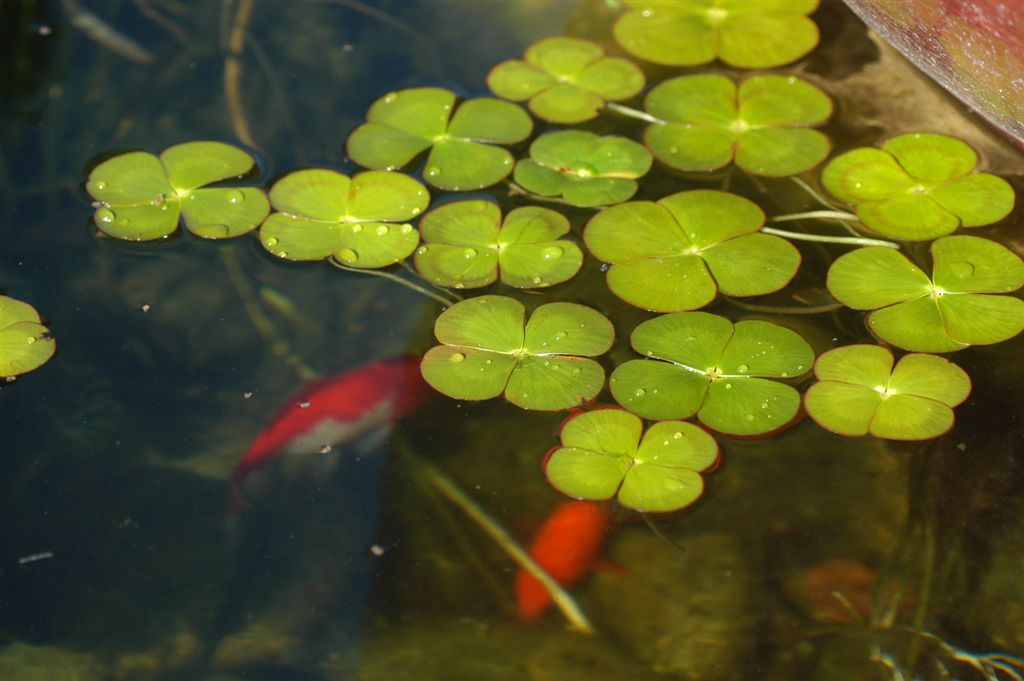
Marsilea Mutica Nardoo, also known as Rainbow Nardoo or Water Clover, is a fascinating Australian native pond plant grown for its unusual clover-shaped foliage.
Unlike many pond plants, Nardoo doesn't produce flowers. Instead, its appeal comes from its distinctive foliage, which can grow above the water or float across the surface. The leaves can display attractive variegated colouring, adding texture and interest to your pond.
Nardoo is an excellent choice when you're looking for a native alternative to water lilies. Its spreading foliage provides valuable cover across the pond surface while creating shelter and protection for fish and frogs.
Why Grow Nardoo in Your Pond?
Nardoo is one of those plants that immediately adds something different to a water garden. Its four-leaf-clover-like foliage creates a unique appearance that is quite unlike traditional pond plants.
It is also a particularly useful plant for providing pond cover. Allow it to spread across the surface and it can create shaded areas and shelter for fish and frogs.
As an Australian native, Nardoo is a great choice for customers wanting to create a more natural, wildlife-friendly pond using plants suited to Australian conditions.
Marsilea Mutica Nardoo Pond Plant Features
• Botanical name: Marsilea mutica
• Common names: Nardoo, Rainbow Nardoo, Water Clover
• Plant type: Aquatic perennial
• Origin: Australia
• Position: Part shade to full sun
• Shade tolerance: Yes
• Flowers: No
• Water depth: Approximately 20–50cm
• Foliage: Grows above or floats on the water
• Foliage type: Distinctive clover-shaped leaves
• Colour: May display attractive variegated colouring
• Cover: Excellent surface cover for fish and frogs
• Oxygenator: No
• Best suited to: Ponds, water gardens and wildlife ponds
Growing Nardoo
Nardoo is a versatile aquatic plant that can grow with its foliage above the water or floating across the surface.
It can be planted at approximately 20–50cm deep and allowed to spread naturally. As it establishes, its unusual clover-shaped leaves can create excellent coverage across the pond.
Its spreading habit makes it particularly useful where you want to introduce more shade and shelter to the water without using a traditional water lily.
Position
Nardoo will grow in part shade through to full sun and is tolerant of shaded positions.
This makes it a useful option for ponds where other plants may struggle to receive full sunlight.
For stronger growth and more vigorous surface coverage, a position with good natural light is ideal, but Nardoo can also perform well in part shade.
Nardoo – A Native Alternative to Water Lilies
If you love the idea of having foliage floating across your pond but want something different from a traditional water lily, Nardoo is an excellent Australian native alternative.
Its clover-shaped leaves create a softer, more natural appearance across the water and can spread to provide cover without the large lily flowers.
Combine Nardoo with flowering marginal plants, upright native pond plants and oxygenators to create layers of planting throughout your water garden.
Great Cover for Fish and Frogs
One of the biggest benefits of Nardoo is its ability to provide cover and protection for pond life.
As the foliage spreads across the water, it creates shaded areas and shelter where fish and frogs can feel more protected.
For a wildlife-friendly pond, combine Nardoo with other plants that provide different types of habitat, including upright marginal plants and plants with foliage around the pond edge.
Nardoo in Winter
In cooler regions of Australia, Nardoo can die back during winter.
Don't be concerned if the plant appears to disappear during the colder months. It can emerge again as temperatures rise in spring.
This seasonal growth cycle is a natural part of the plant's behaviour and allows Nardoo to return when conditions become more favourable.
Feeding Nardoo
Feed Nardoo in spring as new growth begins to encourage healthy development throughout the growing season.
We recommend Pond Plantz Time Release Fertilizer Tablets. Insert the tablet approximately 5–10cm beneath the surface of the soil, taking care not to damage the plant's roots.
Always follow the manufacturer's instructions for application rate and frequency.
Is Nardoo an Oxygenating Plant?
No. Nardoo is not an oxygenating pond plant.
Its main benefits are its unusual foliage, spreading habit and ability to provide cover and shelter for fish and frogs.
For a balanced pond planting scheme, combine Nardoo with dedicated oxygenating plants, marginal plants and flowering pond plants.
A simple way to plan your pond planting is to follow the 3-2-1 rule: 3 oxygenating plants, 2 marginal plants and 1 flowering plant per square metre.
Planting Nardoo in Your Water Garden
Nardoo is ideal for:
• Wildlife ponds
• Native Australian ponds
• Pond margins and shallow areas
• Natural-style ponds
• Fish ponds
• Frog-friendly ponds
• Water gardens
• Ponds where surface cover is needed
Add Nardoo to your pond for distinctive clover-shaped foliage, natural surface cover and a beautiful Australian native alternative to traditional water lilies.
Share
Sign up to be the first to know when it's back in stock.
$23.00
Unit price perRelated blog posts